

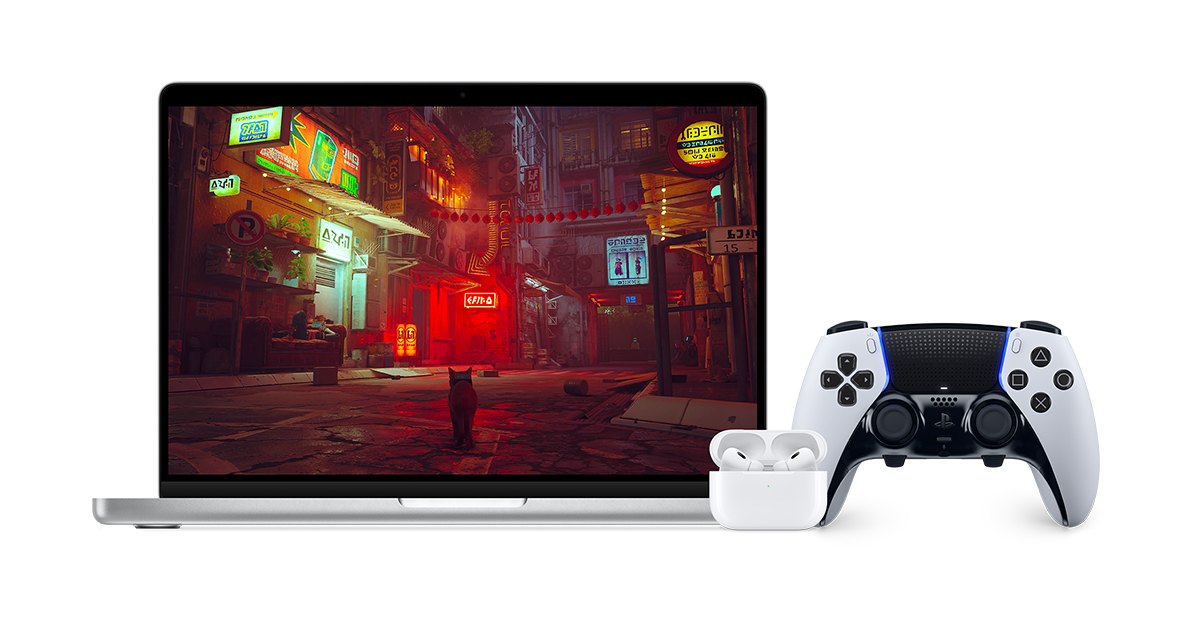
Mac AAA gaming remains one of Apple’s oldest unresolved frustrations. Mac users have lived with the same tradeoff for years: buy a Mac for design, software, battery life, and ecosystem integration, then give up a large part of the modern AAA catalog the moment gaming enters the conversation. Apple has led entire categories in chips, tablets, wearables, services, and premium smartphones. Yet on the desktop side, gaming still belongs culturally and commercially to Windows.
That gap has survived multiple eras of Apple history. It was there during Intel Macs. It remained through the rise of Steam. It carried into Apple silicon. Even now, when Apple can point to strong in-house GPUs, ray tracing on newer chips, the Game Porting Toolkit, and a dedicated Apple Games app, the platform still is not the default home for blockbuster computer games. Apple has made visible progress, but progress is not the same as leadership.
The real question is no longer whether Macs can run modern games. In many cases, they clearly can. The harder question is what Apple needs to change so publishers, developers, and players treat Mac as a first-tier gaming platform rather than an occasional extra release. That answer starts with software, but it does not end there.
Mac AAA Gaming Needs Day-and-Date Releases, Not Late Arrivals
The biggest weakness in Mac AAA gaming is not raw hardware credibility. It is release timing. For decades, Mac users have been trained to expect one of three outcomes: the game never comes, the game comes years later, or the game arrives in a compromised form that exists mainly to prove technical possibility. That pattern shapes perception as much as performance does.
Apple has tried to lower the barrier. The Game Porting Toolkit was introduced to help developers evaluate Windows games on Mac, convert shader pipelines, and speed up the work of bringing titles to Apple platforms. Apple later expanded that effort with Game Porting Toolkit 2 and now Game Porting Toolkit 3, presenting it as a way to bring advanced games to the unified gaming platform across Mac, iPad, and iPhone. Apple’s own messaging here is clear: it wants developers to think of Apple devices as a connected game ecosystem, not separate islands.
But that only solves part of the problem. Tooling helps a port happen. It does not guarantee a publisher will treat Mac as a launch platform. If Apple wants Macs at the center of AAA gaming, the company needs more day-and-date releases announced publicly and repeatedly. Gamers do not build platform loyalty around “maybe later.” They build it around confidence. They need to know that when a major RPG, shooter, sports title, or action game is revealed for PC, Mac is included in the same sentence.
That requires Apple to do more than offer tools. It likely means direct business development, co-marketing, engineering support, and financial incentives substantial enough to change publisher behavior. Apple has already shown in other categories that it knows how to move an ecosystem when it decides a category matters strategically. Gaming still needs that level of seriousness.

Apple Also Needs a Better Public Gaming Identity on Mac
Apple’s gaming problem is partly technical, but it is also cultural. For years, the Mac has been sold as a machine for creativity, productivity, education, and premium everyday computing. Those strengths are real. They also created an image problem. Many people still do not instinctively place “Mac” and “AAA gaming” in the same mental category.
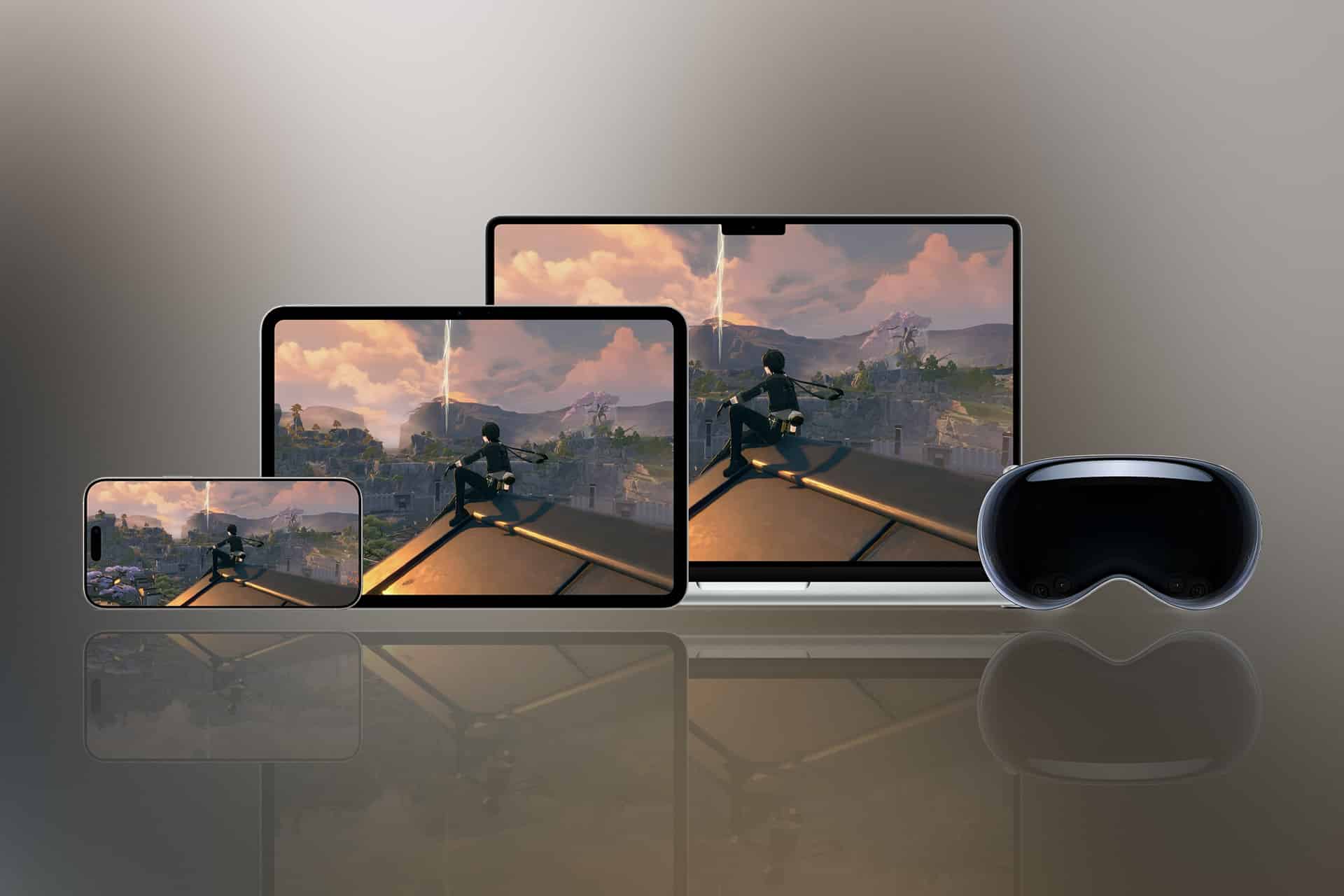
Apple has started addressing that image. The company now highlights gaming advances in chip launches, including hardware-accelerated ray tracing, mesh shading, and Dynamic Caching in newer Apple silicon. It has also introduced the Apple Games app as a dedicated home for games, bringing together a player’s game library on iPhone, iPad, and Mac while placing Apple Arcade and social features in the same space. That is a meaningful shift in presentation: Apple is no longer treating games as something hidden inside the broader App Store experience.
Still, the identity remains incomplete. A gaming platform needs visible rituals. It needs showcases, not just technical sessions. It needs a steady drumbeat of major game reveals, developer appearances, performance comparisons, and player-facing messaging. Apple often speaks fluently to developers about Metal and porting. It speaks less often to gamers in the language of commitment.
That matters because perception drives purchasing. A teenager choosing between a Windows laptop and a MacBook for school and gaming is not only comparing benchmarks. That buyer is asking a simpler question: will the games I want definitely be there? Right now, Windows still answers that question more cleanly.
For Mac AAA gaming to change, Apple needs to make gaming part of the mainstream Mac story, not a niche appendix that appears once a year during a chip presentation.
Hardware Is No Longer the Excuse It Once Was
For a long time, Mac gaming discussions could end quickly: the hardware was not designed for it, thermal ceilings were too tight, and the software stack was too fragmented. Apple silicon changed that conversation. Apple now builds the CPU, GPU, memory architecture, and software framework together. Its newer chips include advanced graphics features, and Apple has publicly tied those capabilities to modern gaming workloads. The company has also been explicit that Metal is the graphics layer developers should use to optimize performance on Apple platforms.
That does not mean every Mac is suddenly a gaming machine, or that Apple has matched the extreme top end of the Windows desktop market in every scenario. It does mean the old dismissal no longer fully holds. The architecture is now strong enough that Apple can credibly ask developers to build for the platform.
The remaining challenge is consistency across the lineup and clarity for buyers. Apple’s best chips and premium Macs can support much more serious gaming than the platform has historically offered. But the company still markets Mac gaming less aggressively than it markets creative work, battery life, or AI features. If Apple wants Macs to lead in AAA gaming, it needs to stop acting as if gaming credibility will emerge automatically from hardware progress.
A stronger GPU is necessary. A gaming-first platform promise is what turns that strength into market share.
The Mac Has to Become Easier for Publishers to Support at Scale
From a publisher’s perspective, enthusiasm is not enough. Every additional platform means testing, optimization, QA, support, updates, and commercial forecasting. Apple has lowered some of that workload through the Game Porting Toolkit and Metal guidance. But the biggest publishers still need a simple answer to a simple question: is supporting Mac worth the cost every time?
That answer improves when Apple reduces friction everywhere it can. Better porting tools help. Stable APIs help. Shared architectures across Mac, iPad, and iPhone help. So does a larger installed base of users who actually buy games.
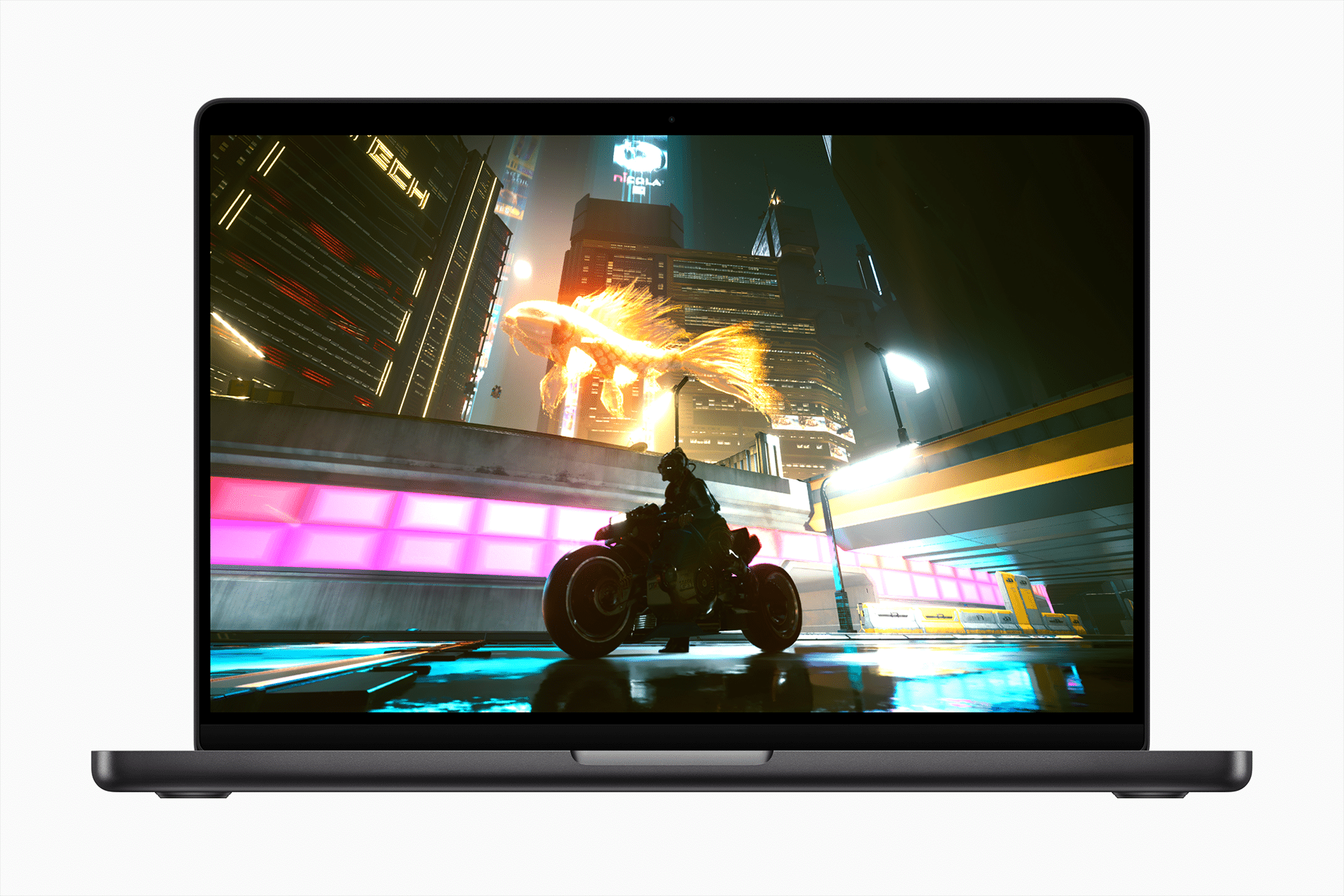
This is where Apple’s ecosystem strategy could become a real advantage. The company already describes the Games app and Game Porting Toolkit as part of a unified gaming platform across Mac, iPad, and iPhone. If Apple can make cross-platform purchasing, saves, discovery, and social presence easier for developers and players, the Mac stops being an isolated port target and starts becoming one part of a larger Apple gaming audience.
That is one of Apple’s strongest possible cards. Windows dominates traditional PC gaming. Apple cannot beat Windows by becoming a weaker copy of it. Apple’s best chance is to make Mac gaming part of a broader ecosystem advantage Windows cannot replicate in the same way. A player who starts on iPhone, continues on iPad, and gets the best visual experience on Mac is participating in something larger than a single-box gaming market.
But for that ecosystem story to matter, the AAA titles need to be there first.
Can Macs Take the Lead in AAA Computer Gaming?
The honest answer is that Apple can build toward that future, but it is not close enough yet to claim it. Leadership in AAA computer gaming is not awarded for having excellent chips or promising tools. It comes from publisher trust, player confidence, cultural relevance, and years of consistency.
Apple has already shown that it can transform categories once considered locked. The iPhone changed phones. Apple silicon changed laptop expectations. The Mac itself has gone from an underpowered outlier to one of the most efficient premium computer platforms on the market. So the idea of Macs becoming a major force in AAA gaming is not fantasy. It is simply unfinished.
What Apple needs now is less mystery and more commitment. More launch-day releases. More publisher partnerships. More gamer-facing events. More evidence that Mac is not a courtesy port target but a real commercial priority. The hardware foundation is stronger than it has ever been. The software path is clearer than it was a few years ago. The missing piece is sustained platform will.
Mac users have spent decades hearing that gaming is the one world where Apple still stands outside the main room. If Apple decides that this is no longer acceptable, the company has the money, the tools, the silicon, and the ecosystem leverage to change the story. The part that remains unproven is whether it wants that fight enough to keep showing up until the market believes it.