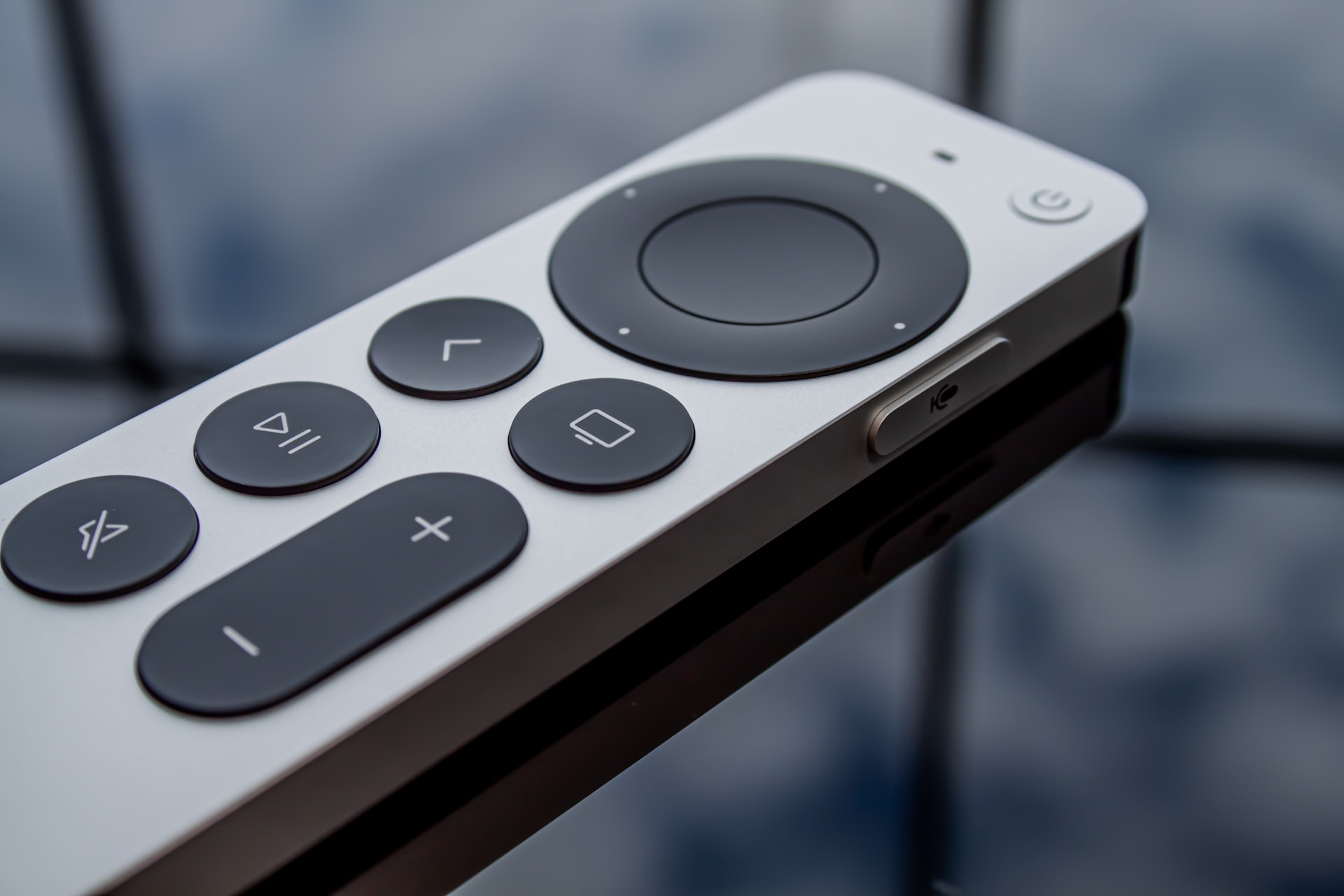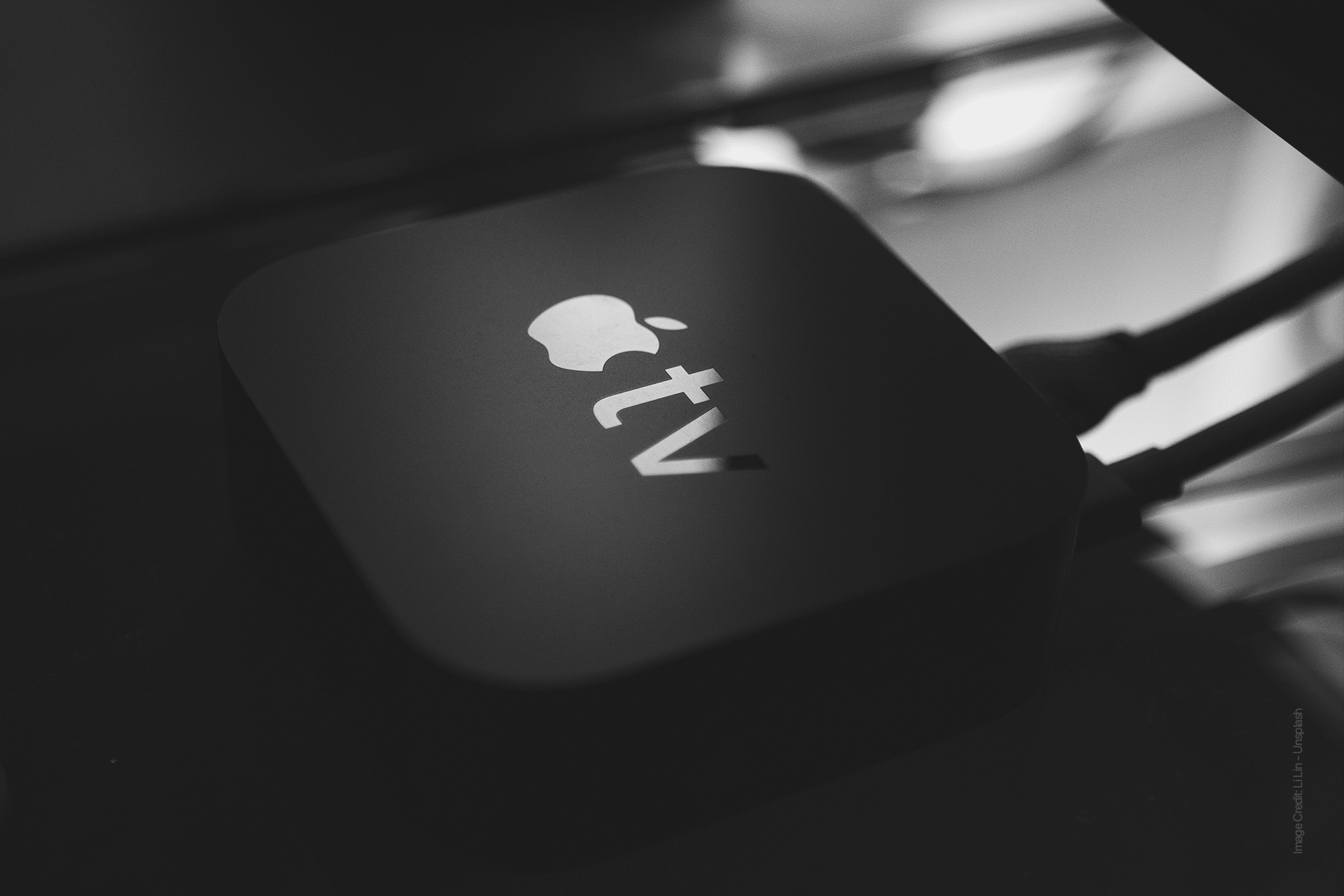
Apple TV upgrade have been rumored for long enough that the box has started to feel overdue for a bigger purpose. Apple has not refreshed the hardware since 2022, and the current model already handles Dolby Vision, HDR10+, Dolby Atmos, HomeKit, Matter, and Apple’s usual streaming stack very well. But the reports around the next version suggest Apple may want the device to do more than play shows. It may want it to become a more intelligent screenless computer for the living room.
That shift would make sense. A streaming box is useful, but it is not a growth story on its own. Apple already sells the current Apple TV 4K around picture quality, sound, smart home control, FaceTime on TV, and broad service integration. The next version needs a stronger identity, and Apple Intelligence could give it one. Reports point to a next-generation Apple TV with a much newer A-series chip, Apple Intelligence support, and Apple’s newer networking hardware, all of which would make the box more capable than a simple media player.
A New Chip Would Matter More Than It Sounds
The most important rumored change is the processor. Current reporting points to the next Apple TV using something in the A17 Pro to A19 range, depending on which rumor set proves right. Even the lower end of that range would be a big step from the A15 Bionic in the current model. More importantly, it would move Apple TV into the class of chips that can support Apple Intelligence.
That matters because Apple Intelligence is not only a marketing label. It signals enough on-device power to handle more advanced language tasks, smarter Siri behaviors, and richer contextual features. MacRumors reported that Apple appears to have held back the next Apple TV until newer Siri capabilities and broader Apple Intelligence upgrades are ready, tying the hardware timing directly to software readiness.
In practical use, a newer chip could change Apple TV in three ways. First, interface speed would improve, which always matters in a living room where lag feels worse than it does on a phone. Second, Siri could become more useful, moving from a simple voice remote layer into something closer to an actual assistant for shows, music, home controls, and maybe even broader task handling. Third, the box could become more capable as a home hub, with enough local intelligence to help manage automations, device coordination, and future smart home features. That is a much bigger role than “open Netflix.”

Smarter Siri Could Be the Real Feature
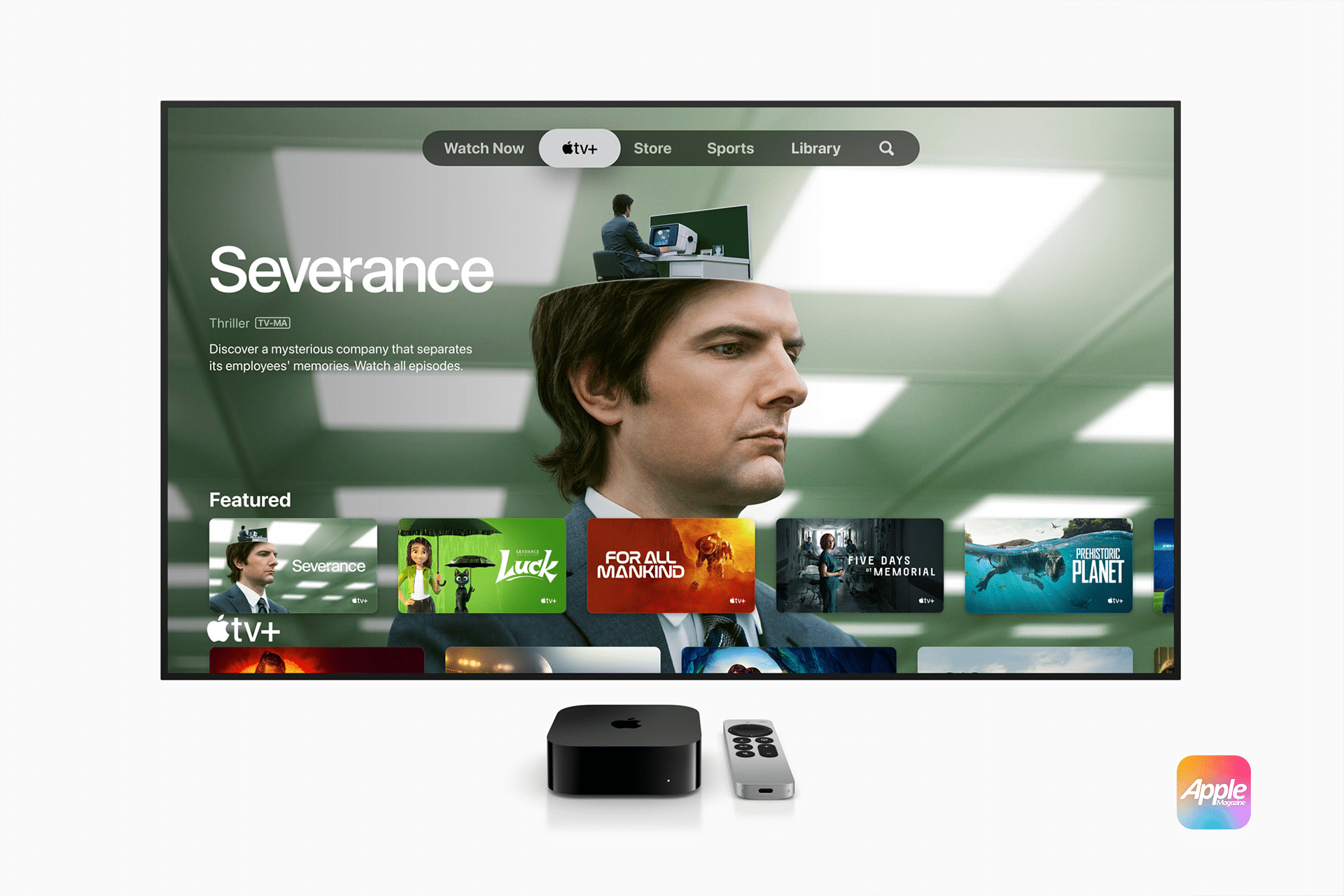
A smarter Siri may be the upgrade that changes how people think about Apple TV. Today, Siri on Apple TV is mostly useful for playback, search, app launching, basic questions, and some home control. That is convenient, but not central. The next version could make voice much more meaningful if Apple brings in the same broader assistant work it has been building for iPhone, iPad, and Mac.
This is where the living room becomes interesting. A smarter Siri on Apple TV would not only help find a movie faster. It could tie together content discovery, home scenes, FaceTime, family usage, and smart home routines in a more natural way. Instead of tapping through several screens, someone could ask for a movie, dim the lights, pause notifications, open the right app, and maybe even coordinate audio output in one flow. Apple has already positioned Apple TV as a smart home hub with Matter and remote access. Intelligence would make that role feel more alive.
The broader AI context matters too. Apple has been under pressure to make Siri more capable after delays and resets around its bigger AI plans. A new Apple TV would be a good place to extend those capabilities because the device sits at home, stays plugged in, and already acts as a coordination point for entertainment and accessories. It may not be the first place most people think of for AI, which is exactly why it could surprise them if Apple gets it right.
Audio and Video Upgrades Could Be Subtle but Useful
Apple already sells the current Apple TV 4K around high-end playback quality. Dolby Vision, HDR10+, and Dolby Atmos are already there. That means the next audio and video upgrades may be less about headline format additions and more about polish, processing, and responsiveness.
A newer chip could improve how quickly the interface moves between apps, how well heavy scenes render in the UI, and how stable playback remains under higher-demand conditions. It could also improve FaceTime on TV, Apple Music Sing, screen savers, game performance, and advanced processing tied to future tvOS features. Apple’s own tvOS 26 announcement already showed that Apple is still investing in the platform’s visual language and home entertainment role. A stronger Apple TV box would give those software updates more room to grow.
Audio may also improve in more indirect ways. If Siri gets stronger and home integration becomes deeper, Apple TV could become a better coordinator for sound around the home, not only a playback box. That would fit Apple’s broader ecosystem habit of turning one device into the control point for several others.

The Wireless Story Could Be More Important Than People Expect
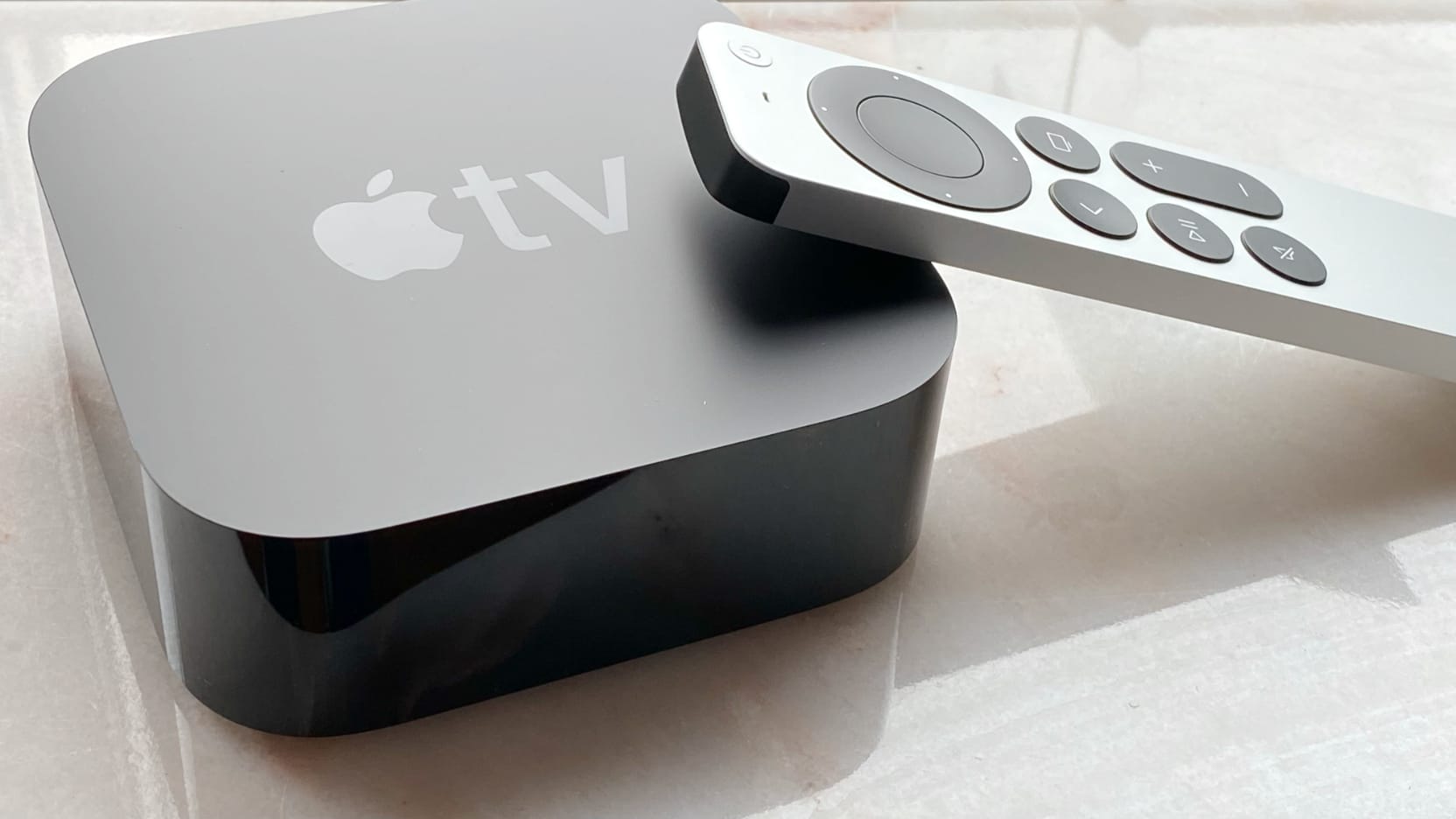
One of the most overlooked rumored upgrades is Apple’s networking hardware. Reports have mentioned Apple’s N1 wireless chip and newer connectivity support for the next Apple TV. Even if that sounds technical, it could be one of the biggest everyday improvements. Better wireless performance means more stable streaming, stronger smart home coordination, and a more future-ready role as a hub for connected accessories.
Apple already markets the current Apple TV as a smart home hub that works with HomeKit and Matter. Newer networking silicon could make that role more reliable and more ambitious, especially if Apple is serious about a broader smart home push involving displays, cameras, and more advanced home devices. In that future, Apple TV would not just be the box under the television. It would be part of the home’s invisible infrastructure.
That also explains why Apple may be waiting. If the next Apple TV is meant to launch alongside stronger Siri features and a bigger smart home strategy, releasing it too early would make it look like just another streaming refresh. Waiting allows Apple to turn it into something more cohesive.
Beyond a Streaming Box at Last
The best way to understand the rumored upgrades is to stop thinking of Apple TV as only a streaming device. Apple already solved the streaming part well enough. The current box is fast, polished, and deeply integrated. The next product needs to justify itself with a bigger role. Apple Intelligence, a stronger chip, smarter Siri, and better networking all point toward the same answer: Apple wants Apple TV to become a more intelligent home node.
If that happens, the meaning of the box changes. It becomes the device that sits in the living room and quietly connects entertainment, voice, home accessories, video calls, family routines, and eventually more advanced AI-driven home behavior. That is a much stronger long-term position than simply being a very good way to watch TV.
The next Apple TV still needs to be announced, and rumors can shift. But the direction now looks clearer than a normal spec bump. Apple may finally be preparing the box to evolve beyond streaming, and if it does, the most important part of the upgrade may not be what you watch on it. It may be everything else it starts doing around the room.