


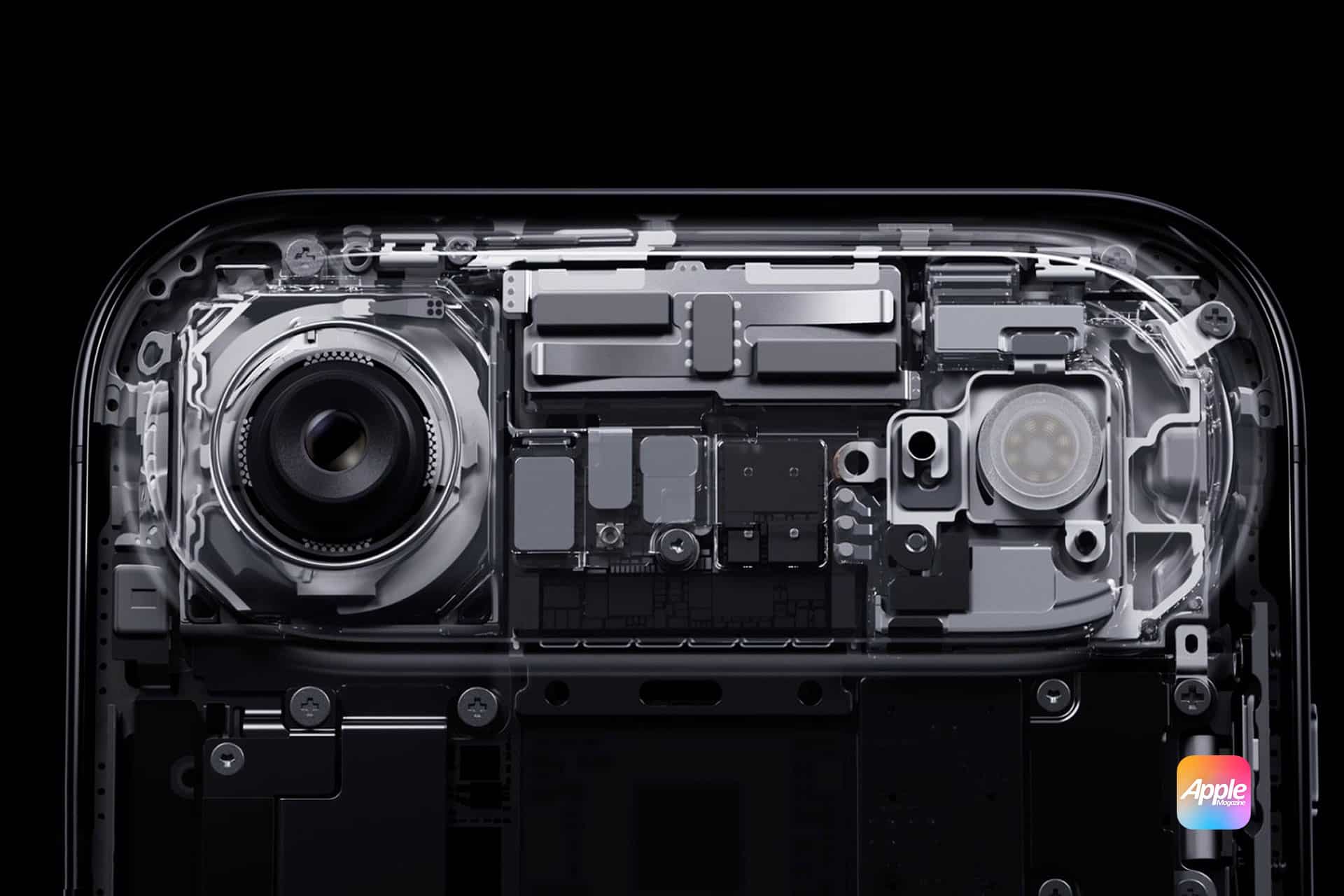
48MP Fusion Camera is Apple’s way of making a single rear lens feel more flexible than the hardware suggests. On iPhone Air and iPhone 17e, the camera system is built around one 48MP Main camera that can shoot high-resolution 24MP and 48MP photos, then use the center of the sensor to deliver a 12MP 2x Telephoto view. That gives both models a clean, simple camera story: one lens, two useful focal lengths, strong processing, and fewer compromises than older single-camera iPhones.
The decision is practical. iPhone Air is built around extreme thinness and a lighter design, so a larger multi-lens camera array would work against the product’s identity. iPhone 17e is built as the more accessible modern iPhone, so Apple has to protect price and product separation while still giving buyers a camera that feels current. A single 48MP Fusion system lets Apple cover the most common shots — everyday wide photos, portraits, social video, documents, food, pets, travel, and 2x framing — without giving either model the cost, size, or complexity of the Pro camera system.
The tradeoff is clear. iPhone Air and iPhone 17e can be excellent everyday cameras, but they are not replacements for iPhone 17 Pro. The Pro model has a 48MP Pro Fusion camera system with more optical zoom options, including 0.5x, 1x, 2x, 4x, and 8x. Apple’s own comparison page positions iPhone 17 Pro as the camera leader, while iPhone Air uses a single 48MP Fusion camera and iPhone 17 uses a 48MP Dual Fusion system. That separation is intentional.
What the Single-Lens Fusion System Does Well
The 48MP Fusion Camera works because most iPhone photos are taken between 1x and 2x. That is where Apple concentrated the value. iPhone Air and iPhone 17e both use a 26 mm ƒ/1.6 48MP Fusion Main camera and both support super-high-resolution photos at 24MP and 48MP. Both also enable a 12MP 2x Telephoto crop at 52 mm, with digital zoom up to 10x, Photonic Engine, Deep Fusion, Smart HDR 5, True Tone flash, next-generation portraits, and Portrait Lighting.
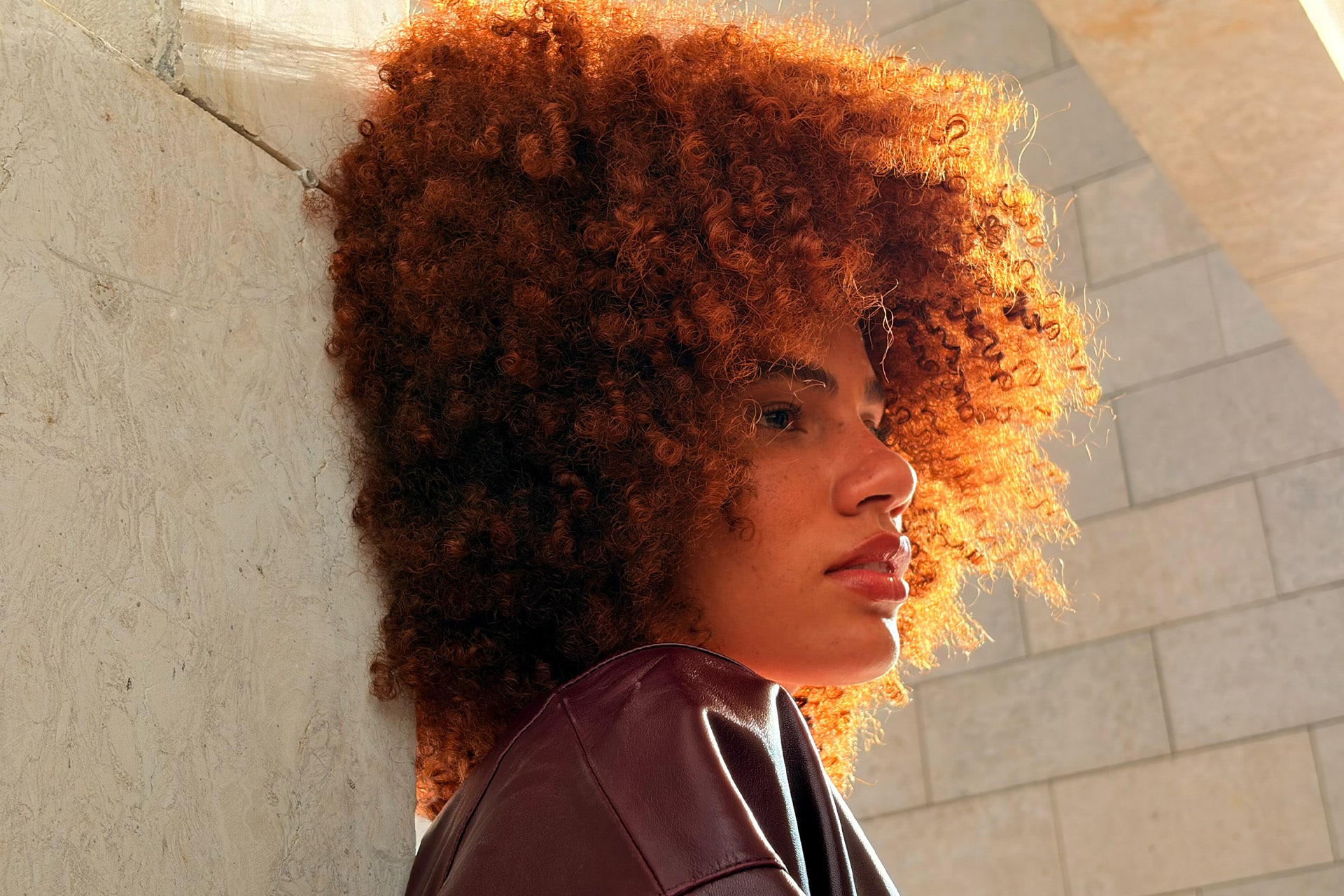
That makes the single-lens setup stronger than it sounds. The 2x mode is not a separate physical telephoto lens, but it gives users a tighter field of view without relying only on ordinary digital zoom. For portraits, food, product shots, pets, and street photos, 2x often looks more natural than 1x because it reduces wide-angle distortion and frames subjects more cleanly.
iPhone Air has the stronger version of this idea. Apple lists sensor-shift optical image stabilization and 100% Focus Pixels on iPhone Air’s 48MP Fusion camera, while iPhone 17e uses optical image stabilization and Hybrid Focus Pixels. iPhone Air also includes a customizable default lens for the Fusion Main camera. Those differences should help iPhone Air focus faster and perform better in some low-light and motion situations than iPhone 17e.
That does not make iPhone 17e weak. It means Apple is using camera hardware to separate the two single-lens models. iPhone 17e gets the value version of the 48MP Fusion idea. iPhone Air gets the more refined version for buyers who want the thinner design but still expect a more premium camera feel.

What Gets Cut Off
The biggest cut is the lack of an Ultra Wide camera. That affects more than dramatic landscape shots. Ultra Wide is useful for architecture, interiors, group photos, tight rooms, city scenes, travel shots, and creative perspective. It is also the lens often used for macro photography on multi-camera iPhones. Without it, iPhone Air and iPhone 17e lose flexibility in close-up and wide-scene situations.
The second cut is real long-range optical zoom. The 2x crop is useful, but it is not the same as the Pro’s broader zoom system. iPhone 17 Pro offers optical zoom options from 0.5x to 8x, giving it far more control for concerts, sports, travel, wildlife, street details, stage events, portraits from distance, and compressed telephoto framing. iPhone Air and iPhone 17e top out at 10x digital zoom, which is not the same kind of camera tool.
The third cut is Pro-level video and creative headroom. Apple’s Pro models traditionally carry the stronger camera stack for users who care about advanced capture formats, multi-lens flexibility, stabilization behavior, and more demanding shooting conditions. A single-lens iPhone can record strong 4K video, but it cannot offer the same lens switching, framing range, or pro workflow as a full Pro camera system.
The fourth cut is creative safety. With iPhone 17 Pro, the user can choose the right lens for the scene. With iPhone Air or iPhone 17e, the user has to work within one rear lens and the 2x crop. For most daily photos, that is fine. For unpredictable travel, events, content creation, or professional social work, the Pro system gives more margin.
iPhone Air Versus iPhone 17e
iPhone Air and iPhone 17e share the single-lens 48MP Fusion idea, but they are not identical camera phones. iPhone Air has sensor-shift optical image stabilization, 100% Focus Pixels, optical-quality 2x Telephoto wording, and a customizable default lens. iPhone 17e has optical image stabilization, Hybrid Focus Pixels, and a 12MP 2x Telephoto crop.
That difference should show most clearly in speed, stabilization, and tougher lighting. Sensor-shift stabilization moves the sensor rather than relying on traditional optical lens stabilization, helping reduce blur from hand movement. 100% Focus Pixels should support stronger autofocus coverage across the sensor. In practice, iPhone Air should be the better single-lens camera when light drops, subjects move, or the user wants more reliable focus.
Independent testing has started to reflect that separation. Tom’s Guide compared iPhone Air and iPhone 17e across a 10-round photo shootout and found iPhone Air ahead overall, citing the Air’s larger sensor and sensor-shift stabilization as advantages for sharper images and better low-light performance. The same comparison still found iPhone 17e competitive in good light, including color and dynamic range in some scenes.
The simple expectation is this: iPhone 17e is the value camera. iPhone Air is the design-first premium single-camera iPhone. iPhone 17 Pro is the real camera system.
Why Apple Chose One Lens
Apple’s one-lens decision is not only about cost. It is about product clarity. iPhone Air needs to look and feel different from the rest of the lineup. A large camera island with multiple lenses would make the device less visually clean and harder to position as the thin, elegant model. A single Fusion camera keeps the back lighter and simpler.
iPhone 17e has a different reason. It needs to bring modern iPhone photography to a lower price without damaging the value of iPhone 17, iPhone Air, or iPhone 17 Pro. Giving iPhone 17e a 48MP Fusion camera keeps it credible for everyday photos and Apple Intelligence-era image tools, while leaving enough camera upgrades for buyers to move up the lineup.
This is Apple’s product ladder at work. iPhone 17e covers the essentials. iPhone Air gives a more premium design with a better single-lens camera. iPhone 17 adds a Dual Fusion system. iPhone 17 Pro gives the full Pro Fusion camera set and the broadest zoom range. Apple is not trying to make every iPhone camera equal. It is trying to make every iPhone camera good enough for its role.
That strategy also protects margins and simplifies manufacturing during a period when components, memory, and supply-chain flexibility matter more. A single-lens camera system is easier to package, easier to differentiate, and easier to explain.
Camera Comparison
|
Category |
Feature |
iPhone Air |
iPhone 17e |
iPhone 17 Pro |
Editorial takeaway |
|---|---|---|---|---|---|
|
Positioning |
Camera role in lineup |
Premium thin-design iPhone with one advanced rear camera |
Value-focused modern iPhone with one rear camera |
Full Pro camera system for creators and advanced users |
Air and 17e keep the camera simple; Pro keeps the full creative range. |
|
Rear camera system |
System name |
48MP Fusion camera system |
48MP Fusion camera system |
48MP Pro Fusion camera system |
Same Fusion idea, but Pro has a complete multi-camera system. |
|
Rear camera system |
Number of rear cameras |
1 rear camera |
1 rear camera |
3 rear 48MP cameras: Main, Ultra Wide, Telephoto |
The biggest practical difference: Pro gives real lens flexibility. |
|
Main camera |
Main sensor resolution |
48MP Fusion Main |
48MP Fusion Main |
48MP Fusion Main |
All three start with a 48MP Main camera. |
|
Main camera |
Main focal length |
26 mm |
26 mm |
24 mm |
Pro is slightly wider by default. |
|
Main camera |
Main aperture |
ƒ/1.6 |
ƒ/1.6 |
ƒ/1.78 |
Air/17e have a wider aperture on paper; Pro offsets with larger system advantages. |
|
Main camera |
Main stabilization |
Sensor-shift OIS |
Optical image stabilization |
Second-generation sensor-shift OIS |
Air is stronger than 17e here; Pro has Apple’s more advanced stabilization. |
|
Main camera |
Focus technology |
100% Focus Pixels |
Hybrid Focus Pixels |
100% Focus Pixels |
Air matches Pro’s Main focus coverage; 17e is the more basic version. |
|
Main camera |
Super-high-resolution photos |
24MP and 48MP |
24MP and 48MP |
24MP and 48MP |
All three support high-resolution everyday capture. |
|
Zoom |
2x option |
12MP optical-quality 2x Telephoto from Main sensor crop |
12MP 2x Telephoto from Main sensor crop |
12MP optical-quality 2x Telephoto from Main sensor crop |
2x is useful on all three, especially portraits and product shots. |
|
Zoom |
Long optical zoom |
No dedicated long telephoto |
No dedicated long telephoto |
48MP Telephoto at 4x; also enables 12MP optical-quality 8x |
Pro is the only serious choice for distant subjects. |
|
Zoom |
Digital zoom |
Up to 10x for photos; up to 6x for video |
Up to 10x for photos; up to 6x for video |
Up to 40x for photos; up to 15x for video |
Digital zoom is dramatically stronger on Pro, but real optical range matters more. |
|
Ultra Wide |
Ultra Wide camera |
Not available |
Not available |
48MP Fusion Ultra Wide, 13 mm, ƒ/2.2, 120° field of view |
Air/17e lose landscapes, tight interiors, group shots, and dramatic wide framing. |
|
Macro |
Macro photography |
Not listed |
Not listed |
48MP macro photography |
Pro keeps the close-up advantage through Ultra Wide hardware. |
|
Portraits |
Next-generation portraits |
Yes, with Focus and Depth Control |
Yes, with Focus and Depth Control |
Yes, with Focus and Depth Control |
Portrait basics are supported across all three. |
|
Night/processing |
Night mode |
Yes |
Yes |
Yes |
Night mode exists across the lineup, but hardware still affects results. |
|
Night/processing |
Photographic Styles |
Latest-generation Photographic Styles |
Photographic Styles |
Latest-generation Photographic Styles |
17e gets the older/basic wording; Air and Pro get the latest-generation version. |
|
Night/processing |
Image processing stack |
Photonic Engine, Deep Fusion, Smart HDR 5 |
Photonic Engine, Deep Fusion, Smart HDR 5 |
Photonic Engine, Deep Fusion, Smart HDR 5 |
The shared processing stack keeps Air/17e competitive in normal scenes. |
|
Video |
4K Dolby Vision video |
24, 25, 30, or 60 fps |
24, 25, 30, or 60 fps |
24, 25, 30, 60, 100, or 120 fps on Fusion Main |
Pro has far more high-frame-rate video headroom. |
|
Video |
Action mode |
Up to 2.8K Dolby Vision at 60 fps |
Not listed |
Up to 2.8K Dolby Vision at 60 fps |
Air gets a major stabilization video feature that 17e lacks. |
|
Video |
Dual Capture |
Up to 4K Dolby Vision at 30 fps |
Not listed |
Up to 4K Dolby Vision at 30 fps |
Air and Pro are stronger for social video formats. |
|
Video |
Cinematic mode |
Not listed |
Not listed |
Up to 4K Dolby Vision at 30 fps |
Pro keeps Apple’s cinematic video extras. |
|
Video |
Spatial video recording |
Not listed |
Not listed |
1080p at 30 fps |
Pro is the better choice for Vision Pro-oriented capture. |
|
Video |
Pro formats |
HEVC and H.264 |
HEVC and H.264 |
HEVC, H.264, ProRes, ProRes RAW; Apple Log 2; ACES; Genlock support |
Pro is built for serious video workflows; Air/17e are casual video phones. |
|
Audio/video |
Audio features for video |
Spatial Audio, stereo recording, wind noise reduction, Audio Mix |
Spatial Audio, stereo recording, wind noise reduction, Audio Mix |
Spatial Audio, stereo recording, four studio-quality mics, wind noise reduction, Audio Mix |
Pro adds stronger microphone hardware. |
|
Front camera |
Front camera resolution |
18MP Center Stage camera |
12MP TrueDepth camera |
18MP Center Stage camera |
Air matches Pro’s front-camera generation; 17e is more basic. |
|
Front camera |
Front camera video extras |
Center Stage, tap to zoom and rotate, ultra-stabilized video, Dual Capture |
No Center Stage or Dual Capture listed |
Center Stage, tap to zoom and rotate, ultra-stabilized video, Dual Capture, ProRes/ProRes RAW support |
Air is much stronger than 17e for selfies and creator-facing video. |
|
Buttons/control |
Camera Control |
Yes |
No; Action button only |
Yes |
Air and Pro support direct camera controls; 17e is simpler. |
|
Design tradeoff |
Why one lens on Air |
Thinness and clean design prioritize a single advanced camera |
N/A |
N/A |
Air uses Fusion camera to keep design identity without making the camera feel outdated. |
|
Design tradeoff |
Why one lens on 17e |
N/A |
Price and lineup separation prioritize one strong everyday camera |
N/A |
17e uses Fusion camera to offer modern basics without cannibalizing higher models. |
|
Best use |
Everyday photos |
Excellent |
Very good |
Excellent |
All three work well for daily photography. |
|
Best use |
Travel versatility |
Good, but limited without Ultra Wide/long zoom |
Good, but limited without Ultra Wide/long zoom |
Best |
Pro is the safer travel camera. |
|
Best use |
Creator/social video |
Strong |
Basic |
Best |
Air has a real creator angle; Pro has the full toolkit. |
|
Best use |
Low light expectation |
Stronger single-lens option |
Good value, but hardware is more limited |
Best overall |
Testing suggests Air beats 17e in tougher scenes; Pro still leads overall. |
|
Pros |
Main advantages |
Thin design, 48MP Main, sensor-shift OIS, 100% Focus Pixels, 18MP Center Stage, Dual Capture |
Lowest-cost modern option, 48MP Main, 2x crop, solid daily photos |
Ultra Wide, macro, 4x/8x Telephoto, Pro video, ProRAW, stronger mics, best zoom |
Each model has a different camera purpose. |
|
Cons |
Main compromises |
No Ultra Wide, no true long telephoto, no Pro video formats |
No Ultra Wide, no true long telephoto, no Center Stage front camera, no Action mode/Dual Capture listed |
Bigger, heavier, more expensive |
The right choice depends on whether camera flexibility matters more than price/design. |
|
Buying guidance |
Best buyer |
Wants a premium thin iPhone and better-than-basic single-camera performance |
Wants the most affordable current iPhone camera without Pro expectations |
Wants the best iPhone camera system and creator/pro flexibility |
Air = design-first; 17e = value-first; Pro = camera-first. |
Decision Guide
|
Model |
Camera identity |
Strengths |
Main compromises |
Best for |
Recommendation |
|---|---|---|---|---|---|
|
iPhone Air |
Premium single-lens Fusion camera |
48MP Main, sensor-shift OIS, 100% Focus Pixels, 18MP Center Stage, Action mode, Dual Capture |
No Ultra Wide, no dedicated telephoto, no Pro video formats |
Thin-design buyers, social video, everyday premium photography |
Best single-lens option |
|
iPhone 17e |
Value single-lens Fusion camera |
48MP Main, 2x crop, solid processing stack, lower price positioning |
No Ultra Wide, no true telephoto, no Center Stage front camera, more basic stabilization/focus hardware |
Value buyers who want good daily photos |
Best budget/current option |
|
iPhone 17 Pro |
Full Pro Fusion camera system |
48MP Main + Ultra Wide + Telephoto, 0.5x/1x/2x/4x/8x, macro, ProRAW, ProRes RAW, Apple Log 2 |
Higher price, larger/heavier device |
Travel, creators, serious photo/video, events, zoom, low light |
Best camera system |
The Real Expectations
The right expectation for iPhone Air and iPhone 17e is strong daily photography, not pro versatility. These phones should be excellent for daylight shots, portraits, social video, food, pets, family, documents, travel snapshots, and casual 2x framing. The 48MP sensor and Apple’s image processing should give users sharp, balanced images in the situations most people shoot most often.
The limitations appear when the scene demands a lens that is not there. Wide interiors, large groups, architecture, macro, distant subjects, sports, stage events, and travel scenes with dramatic perspective all expose the lack of Ultra Wide and real telephoto hardware. The 2x Fusion crop is useful, but it cannot replace a multi-camera setup.
For iPhone 17e buyers, the camera should feel like a major upgrade over older entry-level iPhones. For iPhone Air buyers, the camera should feel more premium than a basic single-camera phone, but still clearly below the Pro. For iPhone 17 Pro buyers, the value is flexibility: more focal lengths, more creative control, better long-range framing, and a system designed for users who take photos and video seriously.
The pros of the single-lens Fusion approach are simplicity, lower cost, cleaner design, strong 1x and 2x performance, good everyday image processing, and fewer decisions when shooting. The cons are no Ultra Wide, no true long telephoto, less macro flexibility, weaker creative range, and less headroom for demanding travel or creator workflows.
Apple’s decision makes sense as long as buyers understand the tradeoff. The 48MP Fusion Camera is not a fake upgrade. It is a smart way to make one lens do more. But it is still one lens. The iPhone 17 Pro remains the model for anyone who wants the camera system to be a primary reason to upgrade.