


Apple Card savings rate moved lower again on April 23, cutting one of the most attractive features tied to Apple’s credit card ecosystem. Apple’s official Apple Card Savings page now shows a 3.50% annual percentage yield, down from the previously advertised 3.65%, and notes that the new APY is effective as of April 23, 2026. The account continues to be offered through Apple Card and provided by Goldman Sachs Bank USA, Salt Lake City Branch.
The change is not dramatic on its face, but it matters because Apple has long positioned the account as an easy way for cardholders to grow Daily Cash automatically over time. Apple’s own description still emphasizes the same basic pitch: Daily Cash can flow directly into Savings, additional funds can be added from a linked bank account, and the account is managed from the Wallet app on iPhone. What changed is the headline number, and with savings products that number is the whole story for many users.
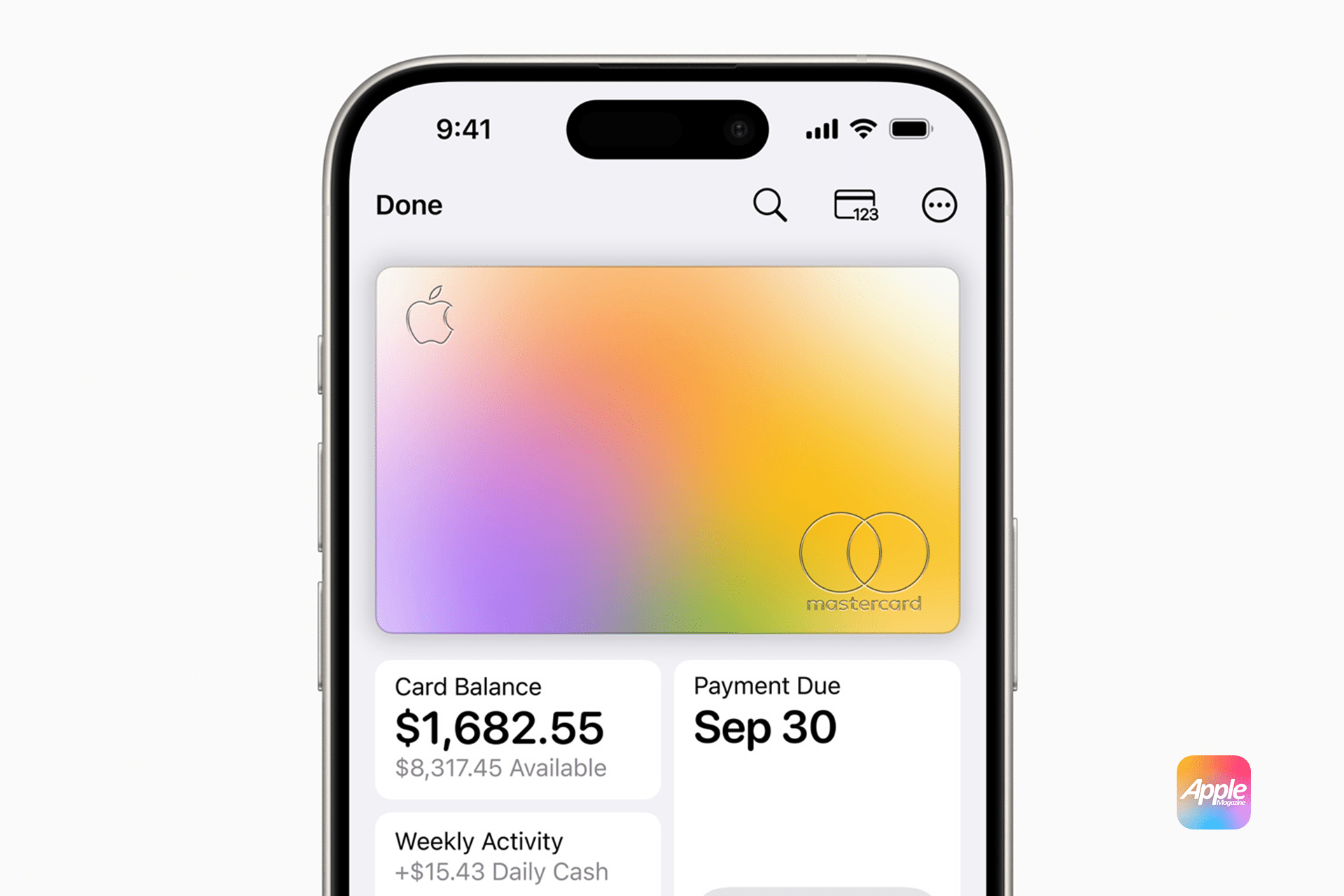

Apple Card Savings Rate Drops Again
Apple’s wording makes clear that the account remains structurally the same. Card owners and co-owners can open a Savings account, future Daily Cash can be automatically deposited there, and Apple continues to frame the product as high-yield savings. The fine print also says the APY may change at any time before or after the account is opened, which is standard language for variable-rate savings products and a reminder that this account has never been fixed-rate income.
That detail is important because some Apple Card users may experience the rate cut as if something special is being taken away. In reality, the account behaves much more like any other variable-rate online savings product. The branding feels different because it sits inside Apple’s Wallet app and is connected to Daily Cash, but underneath that convenience layer it still moves with broader banking and rate conditions. Apple’s official page states plainly that Savings accounts are provided by Goldman Sachs, not Apple itself, even though Apple Payments Services acts as a service provider for the account experience.
The New 3.50% APY
The Goldman Sachs connection helps explain why the new APY looks familiar. Goldman’s Marcus Online Savings account was also showing a 3.50% APY, suggesting the Apple-linked product is staying aligned with the bank’s broader consumer savings pricing rather than receiving a unique premium because of the Apple brand. That does not make the Apple account weak, but it does mean the product is not behaving like a separate Apple-designed yield engine. It is still a Goldman savings account wrapped in Apple’s interface and rewards flow.
For users, the practical question is whether 3.50% still feels competitive enough to leave Daily Cash flowing into the account automatically. For some people, the answer will still be yes. The convenience remains strong. Daily Cash can move there without extra effort, transfers can be managed directly in Wallet, and the experience still fits naturally inside the Apple Card ecosystem. Apple also continues to highlight that users can add funds from linked bank accounts, which gives the account a role beyond just holding cashback rewards.
Still, the psychological effect of rate cuts matters. Savings products compete heavily on very small percentage differences, especially when the user’s main reason for opening the account is yield rather than pure convenience. A drop from 3.65% to 3.50% will not transform someone’s finances overnight, but it chips away at the sense that Apple’s savings account is unusually attractive. For a product built partly on simplicity and trust, repeated small cuts can slowly change the emotional value even if the mechanics remain solid.
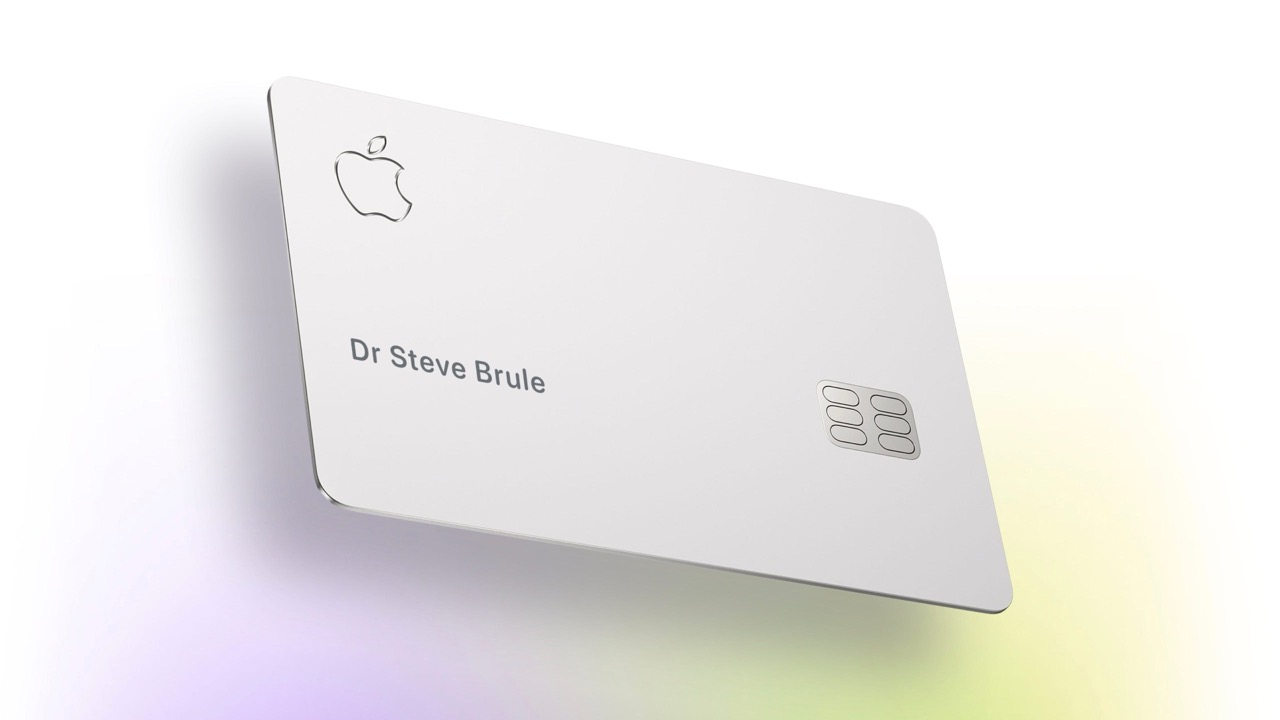

What Apple Card Users Should Watch Next
The timing makes the change more noticeable because Apple Card itself is in the middle of a longer banking transition story. Investopedia reported that JPMorgan Chase is set to take over the Apple Card partnership from Goldman Sachs over roughly the next two years. That report said Apple users should not expect immediate changes to their balances, Daily Cash, credit history, or credit limits during the transition, but the broader implication is that Apple’s financial products may eventually sit under a different banking structure than the one users know today.
That backdrop gives even a small APY change more significance than it might otherwise have. Users are not only watching a rate fall by 0.15 percentage points. They are watching a product category that may evolve further as Apple’s banking partner changes. The account still exists, the Daily Cash flow still works, and the Wallet integration still looks the same. But the longer-term future of Apple Card Savings may not be fully defined yet if the underlying issuer relationship changes over time.
It is also worth noting that Apple’s own page still presents Savings as an easy extension of Apple Card rather than as a broad standalone banking push. The page focuses on Daily Cash, Wallet management, linked account transfers, and credit-card convenience. It is not trying to position Apple as a full bank. In fact, Apple explicitly says neither Apple Inc. nor Apple Payments Services is a bank, while Goldman Sachs remains the FDIC-member institution providing the account. That separation matters because it clarifies where the money sits and who actually controls the deposit product behind the Apple interface.
For Apple Card users deciding what to do next, the answer depends on why the account exists in their routine. If the main appeal is simplicity, automatic Daily Cash deposits, and keeping savings close to the rest of the Apple Card experience, the account still works the same way it did before the cut. If the main appeal is chasing the highest possible available APY, then 3.50% may feel less compelling, especially if competing online savings accounts move higher or hold rates longer. Apple has not changed the structure of the account. It has changed the reason some people may prefer it.
The broader takeaway is that Apple Card Savings is starting to look more like a normal rate-sensitive financial product and less like a standout Apple perk. The Wallet integration, Daily Cash automation, and clean Apple interface still give it an identity many users will like. But the new 3.50% APY reminds cardholders that the account ultimately lives inside the same rate environment as every other variable savings product. Convenience remains. The premium feeling is a little harder to maintain.