


Apple Music Spatial Audio is emerging as the sound feature Apple believes most listeners can actually notice in daily use. In a recent Billboard interview, Apple Music vice president Oliver Schusser said that most average listeners “can’t really hear the difference with lossless,” while Spatial Audio creates a shift people can recognize much more easily. It was a candid way of saying that technical improvement and perceptible improvement are not always the same thing.
Apple launched both Spatial Audio with Dolby Atmos and Lossless Audio for Apple Music subscribers in June 2021. From the beginning, the two formats promised different things. Lossless was about preserving more of the original recording. Spatial Audio was about changing the shape of the listening experience itself. One aimed for purity. The other aimed for immersion.
That difference has only become clearer with time. Lossless can be meaningful for listeners who use wired equipment, pay close attention to mastering, and care deeply about fidelity. Apple’s own materials explain that hi-res lossless may require external hardware such as a USB digital-to-analog converter, while the larger files also demand more bandwidth and storage. Spatial Audio, by contrast, fits much more naturally into the way most Apple Music subscribers already listen through AirPods, Beats headphones, and device speakers.
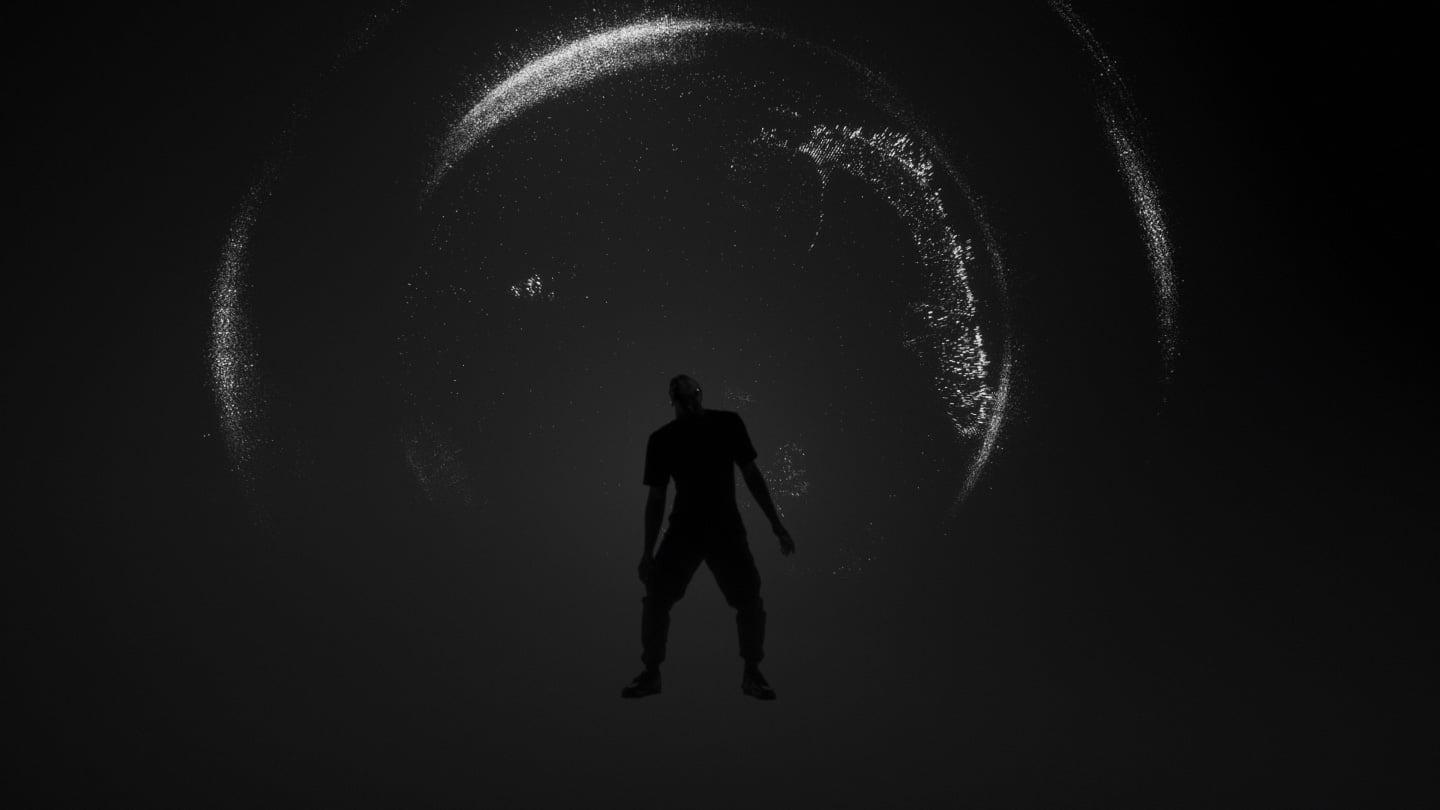

Apple Music Spatial Audio Changes the Feeling of a Song
Spatial Audio succeeds with ordinary listeners because it is easier to perceive immediately. Apple described it as a multidimensional listening experience where sound can seem to come from around and above the listener. That kind of presentation does not ask someone to listen for tiny details or compare waveform purity. It creates a different sense of space, which is much easier to notice in the first few seconds.
That matches the reality of streaming music. Most people are not sitting in a silent room comparing master files through reference-grade equipment. They are listening while walking, commuting, working, exercising, or moving through daily routines. In that setting, lossless can become subtle. Spatial Audio can still feel obvious because it changes the presentation, not just the resolution.
Apple understood this from the start. In the original launch announcement, Schusser described Dolby Atmos listening as “like magic,” with music sounding as though it comes from all around the listener. Apple was not trying to explain bit depth to a mass audience. It was trying to make people feel that the music had opened up.
Lossless Still Has Real Value
None of this reduces the importance of lossless. Apple still presents Lossless Audio as a way to preserve every bit of the original file using ALAC, the Apple Lossless Audio Codec. The company says Apple Music offers standard lossless at CD quality and hi-res lossless up to 24-bit/192 kHz for listeners with the right equipment.
For audiophiles and serious listeners, that matters. A properly set up system can reveal differences in texture, dynamics, and detail that compressed formats may soften. There is still a real place for lossless inside Apple Music’s sound-quality strategy.
But Schusser’s point is grounded in ordinary behavior. Most subscribers are not listening under ideal test conditions. They are using an iPhone, wireless headphones, and a normal routine. In that context, the theoretical advantage of lossless may be much harder to detect than the more immediate effect of Dolby Atmos mixing.
Apple has effectively acknowledged that distinction before. In earlier comments around Apple Music’s sound features, Schusser said more than half of Apple Music’s worldwide subscriber base was listening in Spatial Audio. That usage pattern says a lot. Spatial Audio is easier to understand, easier to activate, and easier to enjoy without rebuilding the rest of someone’s listening setup.
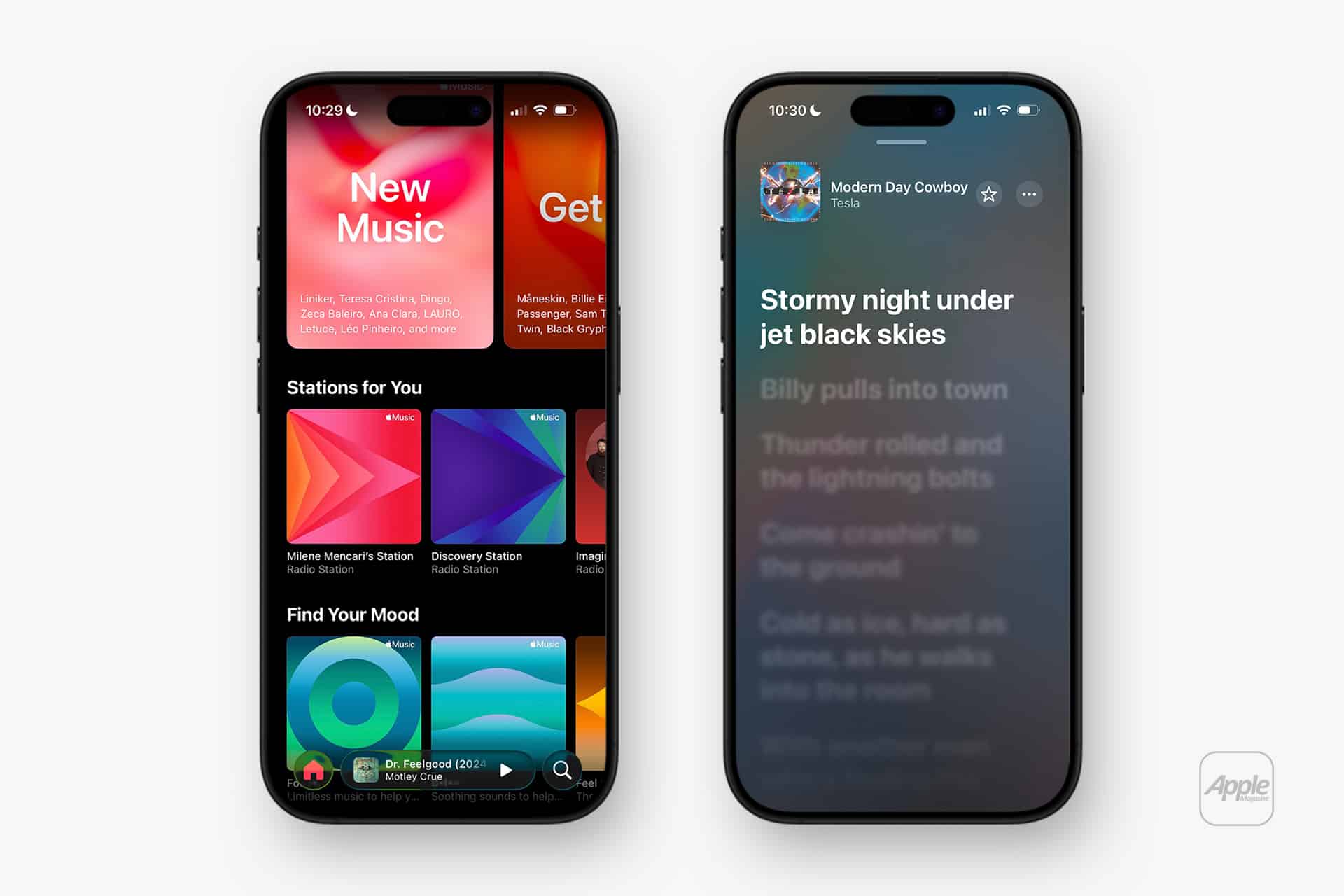

Apple’s Audio Strategy Is Built Around Everyday Use
Apple’s broader strategy becomes easier to understand through this comparison. The company usually places the biggest emphasis on features that ordinary users can feel quickly, not just features enthusiasts can measure. Spatial Audio fits that pattern perfectly. It turns sound quality into an emotional experience rather than only a technical one.
That also explains why Apple invested so much in making Spatial Audio work across its ecosystem. The 2021 launch tied the feature closely to AirPods, Beats headphones with Apple chips, and built-in speakers on iPhone, iPad, and Mac. This was never meant to live only in a specialist corner of the service. Apple wanted it to become part of the mainstream Apple Music experience.
Lossless remains more limited by the practical realities of hardware. Wireless listening still dominates for many people. Hi-res playback still depends on wired gear and external equipment. That makes lossless feel more like a format for listeners who are prepared to chase its benefits, while Spatial Audio feels more like a feature that meets users where they already are.
The Stronger Upgrade Is the One People Can Feel
What makes Schusser’s comment interesting is that it cuts through marketing language. He is not saying lossless does not matter. He is saying that for most Apple Music subscribers, the sound change that truly lands is the one they can hear without effort. That is a practical way to think about product design.
It also helps explain Apple’s messaging over the last few years. Lossless completes the premium sound story and gives Apple Music stronger technical credibility. Spatial Audio gives the service something more distinctive and more immediately memorable. One feature satisfies the listener who wants higher fidelity. The other changes the way music feels in the room, in the headphones, or around the listener’s head.
Apple Music Spatial Audio is not replacing lossless. It is simply the feature that better matches the way most people listen now. Lossless remains a real advantage for people with the interest, the hardware, and the patience to appreciate it fully. Spatial Audio is the feature that most listeners can notice without being told what to listen for. For Apple, that makes it the more powerful everyday story.
