

I didn’t decide to stop depending on a car. It happened naturally as more of my daily needs moved into my iPhone. Ordering food, booking a place to stay, calling a ride, paying bills, checking tickets, managing work, and staying in touch with people all happen in one device. Over time, the phone stopped being just helpful and started becoming essential.
Modern Life Starts on the iPhone
Most days now begin with my iPhone, not car keys. Weather, calendar, messages, reminders, navigation, and payments are all there before I step outside. When I need to go somewhere, my phone already shows the best option, whether that’s walking, public transportation, or a ride service.
Cars once represented independence. Today, access represents independence. The iPhone gives access instantly, without parking, maintenance, fuel, or long-term costs.
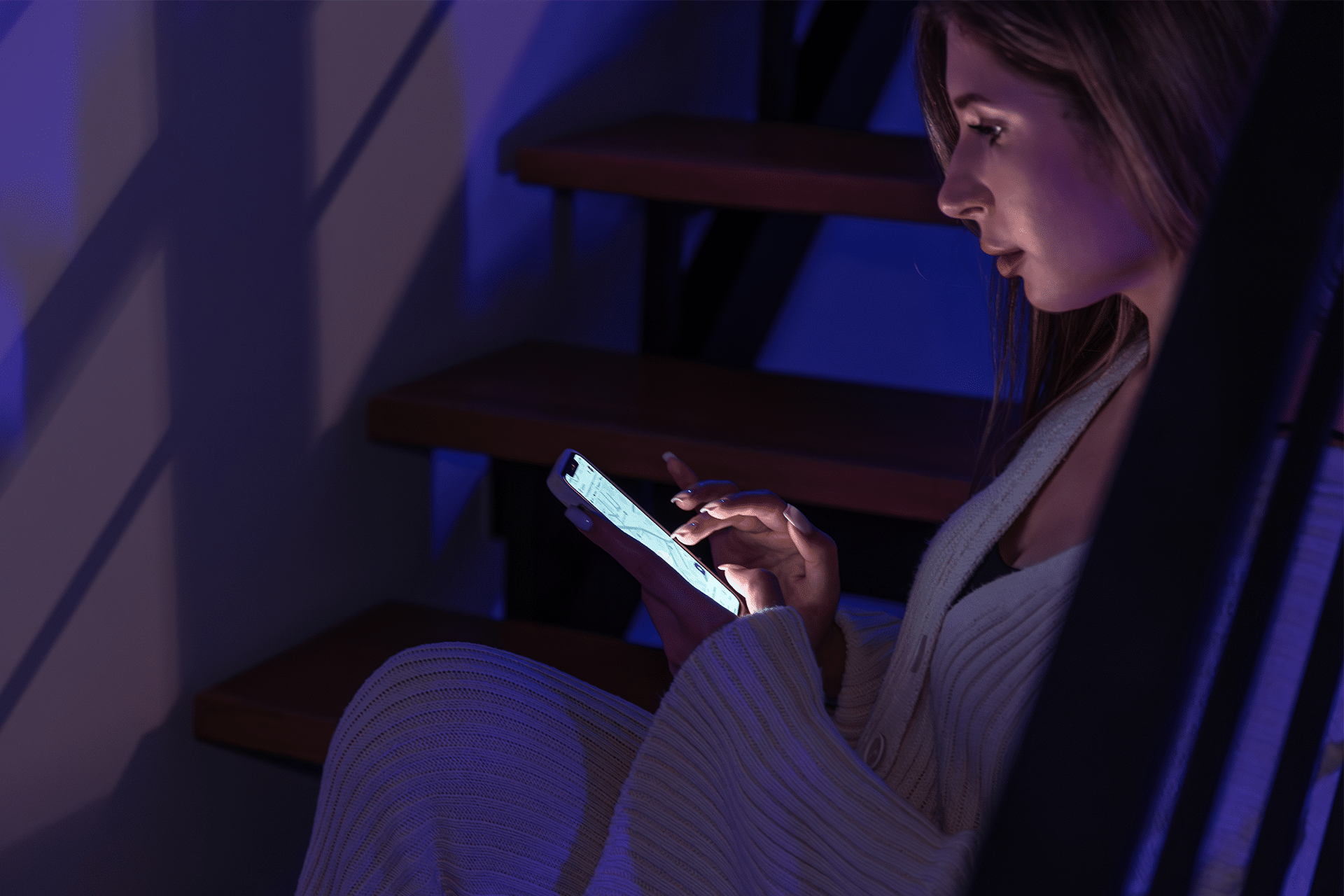
Everyday Services Live Inside the Phone
Food delivery, grocery shopping, entertainment, travel planning, and even health tracking are handled through apps. Apple Wallet replaced most physical items I used to carry. Cards, tickets, boarding passes, and payments are always available, ready when needed.
This changes how daily life feels. I don’t plan my day around tools anymore. I open my iPhone and everything is already there, connected and updated. That’s why giving up a car feels possible, but giving up the phone does not.

Why the iPhone Became Essential
The reason the iPhone feels irreplaceable isn’t one feature. It’s how everything works together. Communication, navigation, payments, work, and entertainment all connect smoothly inside Apple’s ecosystem.
A car solves one problem: transportation.
An iPhone solves dozens, every single day.
Modern life is no longer built around owning things. It’s built around accessing services. The iPhone became essential because it quietly turned into the control center of everyday life.


