

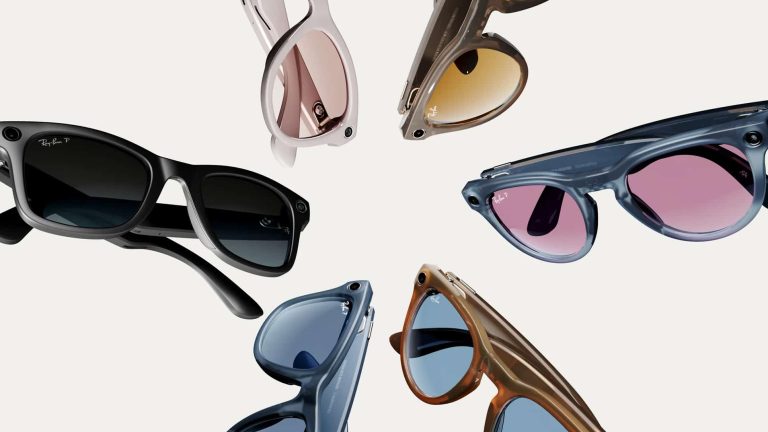
AI glasses are becoming Meta’s next major privacy test as the company explores wearable devices that could record audio continuously, capture images every few seconds and let users ask an assistant about what they saw or heard. The Financial Times reports that Meta is testing a “super sensing” prototype while still debating how visible its privacy indicators should be.
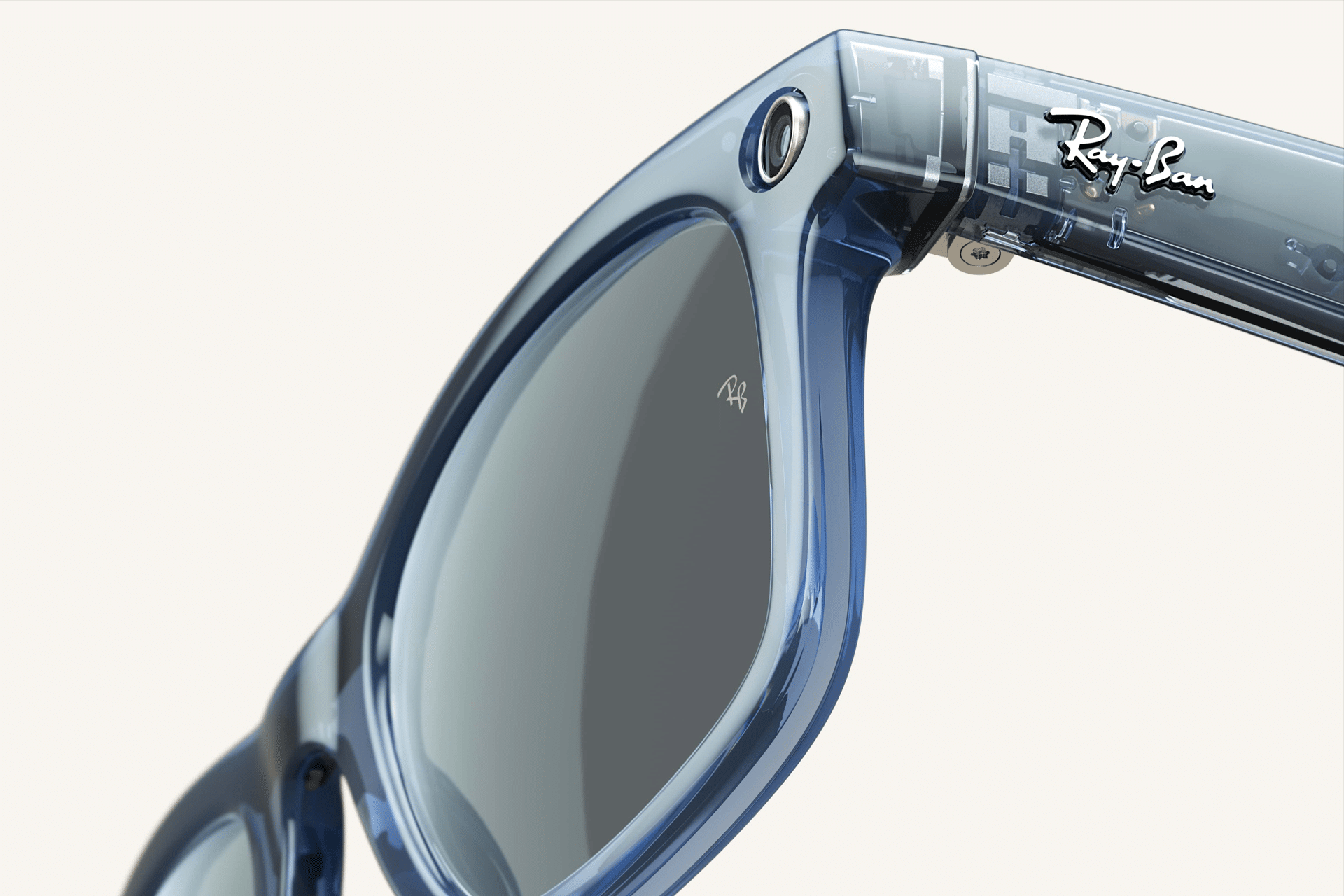
The issue centers on the LED. Current Ray-Ban Meta glasses use a capture light to show when the camera is recording. Meta has also said it can detect attempts to cover or disable that light. But a device built around longer AI sessions raises a harder question: if the glasses are gathering context constantly for an assistant, should the light stay on for hours, flash only during certain captures or work differently from a normal recording indicator?
That debate goes to the center of wearable AI. A phone camera is visible because a person raises the device. Smart glasses sit on the face, pointed at the world by default. When AI features become continuous rather than occasional, bystanders may have no simple way to know whether they are being captured, analyzed, stored or used to improve a model.


Meta’s AI Glasses Move Toward Always-On Context
AI glasses are attractive because they give an assistant first-person context. Instead of waiting for a user to type a question or upload an image, the device can see what the wearer sees, hear the nearby environment and respond to real situations. That could make directions, memory recall, translation, shopping, accessibility and task support feel faster and more natural.
The Information previously reported that Meta’s next-generation glasses could recognize faces and run continuous AI sessions for “hours.” The Financial Times now says Meta is testing prototypes that could collect audio and take frequent photos, allowing users to ask Meta AI about their day or recall information from their surroundings.
Those capabilities explain why Meta is pushing the category. The company already sells Ray-Ban Meta glasses and has expanded into Oakley-branded models. Mark Zuckerberg has described smart glasses as a central interface for AI, and Meta’s Reality Labs work has moved from VR headsets into lighter wearable products that can be used in public.
The problem is that always-on context changes the social contract. A quick video recording is one thing. A device that quietly builds a visual and audio memory of ordinary life is another. That shift affects not only the wearer, but everyone nearby.
The Privacy LED Becomes a Product Decision
The privacy LED is not a small hardware detail. It is the public signal that tells people a device is recording. If Meta changes how that light works for continuous AI capture, it is making a decision about who gets to know when data is being collected.
The challenge is practical as well as ethical. If the LED stays on during every long AI session, users may find the glasses socially awkward or distracting. If it does not stay on, bystanders may have no visible notice that the device is collecting audio or images. If it flashes only during certain moments, people may not understand what each signal means.
Meta has already faced concerns over people trying to hide the capture light. The company’s own safeguards suggest it knows the indicator can be abused. A more capable device would make that risk larger because the value of covert capture rises when the glasses can identify people, summarize interactions or retrieve details later.
This is why the internal debate matters. Meta is not only designing a product for its users. It is designing a device that other people must live around in restaurants, offices, schools, public transit, gyms, hospitals and private homes.

Face Recognition Raises the Stakes
Face recognition would make the privacy problem more serious. Wired reported in June that Meta had quietly embedded code tied to a feature called NameTag inside its companion app, though the feature was not enabled. If activated, such a system could allow glasses to identify people by comparing faces against data stored on the user’s phone.
Even if that data stays local, the social impact is large. A person standing across from a glasses wearer may not know they are being identified. A user could remember names, gather context or connect faces to private notes in a way that feels helpful to the wearer and invasive to others.
Meta has a long history with face recognition controversies, including past decisions around Facebook photo tagging. That history makes the glasses debate more sensitive. Consumers and regulators may be less willing to accept vague assurances when biometric data is involved.
Always-on capture also collides with recording laws. In some jurisdictions, audio recording requires consent from all parties. A wearable that continuously listens could create legal risk if it captures conversations in places where consent rules apply. Even where the law allows one-party consent, workplaces, schools and private venues may set stricter rules.
Why Apple and Others Are Watching
Meta’s challenge matters for the rest of the industry because AI wearables are becoming a major hardware race. Google, Snap, Samsung, OpenAI-linked hardware startups and several smaller companies are exploring ways to put AI closer to the body. Apple has taken a slower route, building spatial computing around Vision Pro while spreading Apple Intelligence across iPhone, iPad, Mac, Apple Watch and AirPods.
Apple’s advantage is trust, but it also faces the same physics and social barriers if it ever moves toward lighter glasses. A camera on the face changes how people behave around the wearer. Add AI memory, identification and continuous capture, and the device becomes harder to explain with normal privacy settings.
This is where Apple’s cautious style may help. The company tends to make privacy controls highly visible when outside processing or sensitive permissions are involved. If it enters AI eyewear, it will likely need strong hardware signals, local processing where possible, permission prompts and limits that are easy for nontechnical people to understand.
Meta is moving faster because it already has a consumer smart glasses line in market. That gives the company data, retail partnerships and public visibility. It also exposes Meta to backlash first.
The Wearable AI Test Is Social, Not Technical
A wearable assistant can help users remember names, translate speech, identify objects, summarize meetings, navigate streets, capture moments and support accessibility needs without pulling out a phone. For some users, that could become genuinely useful.
People need to know when they are being recorded. They need a way to opt out in sensitive spaces. They need confidence that private conversations are not being stored, reviewed or used for training without consent. They also need signals that are understandable at a glance, not buried in policy pages.
The hardest part of the next glasses generation may not be the camera, battery, microphone or model. It may be public permission. If people start treating every wearer as a potential recorder, the product becomes harder to normalize no matter how impressive the AI becomes.x