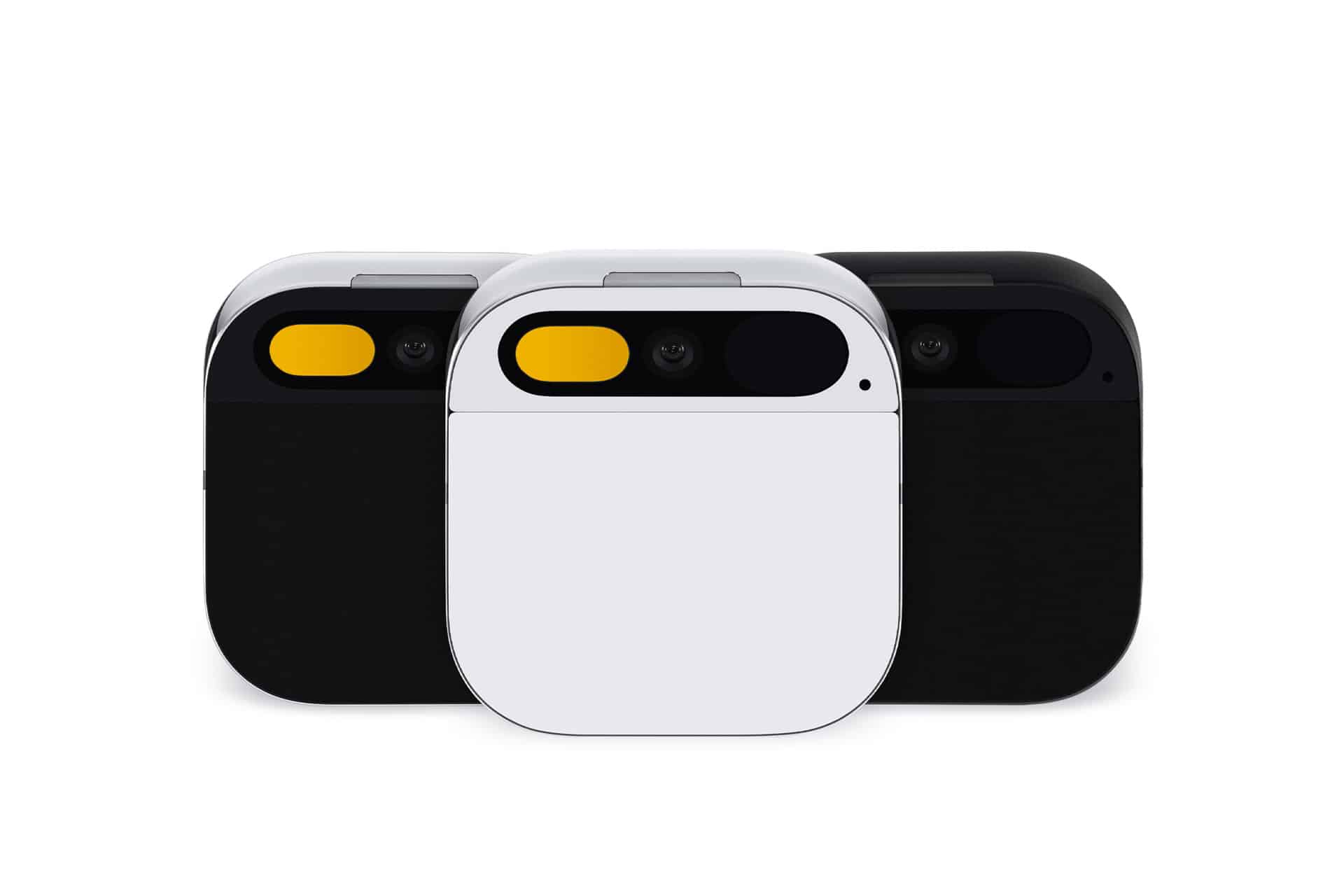
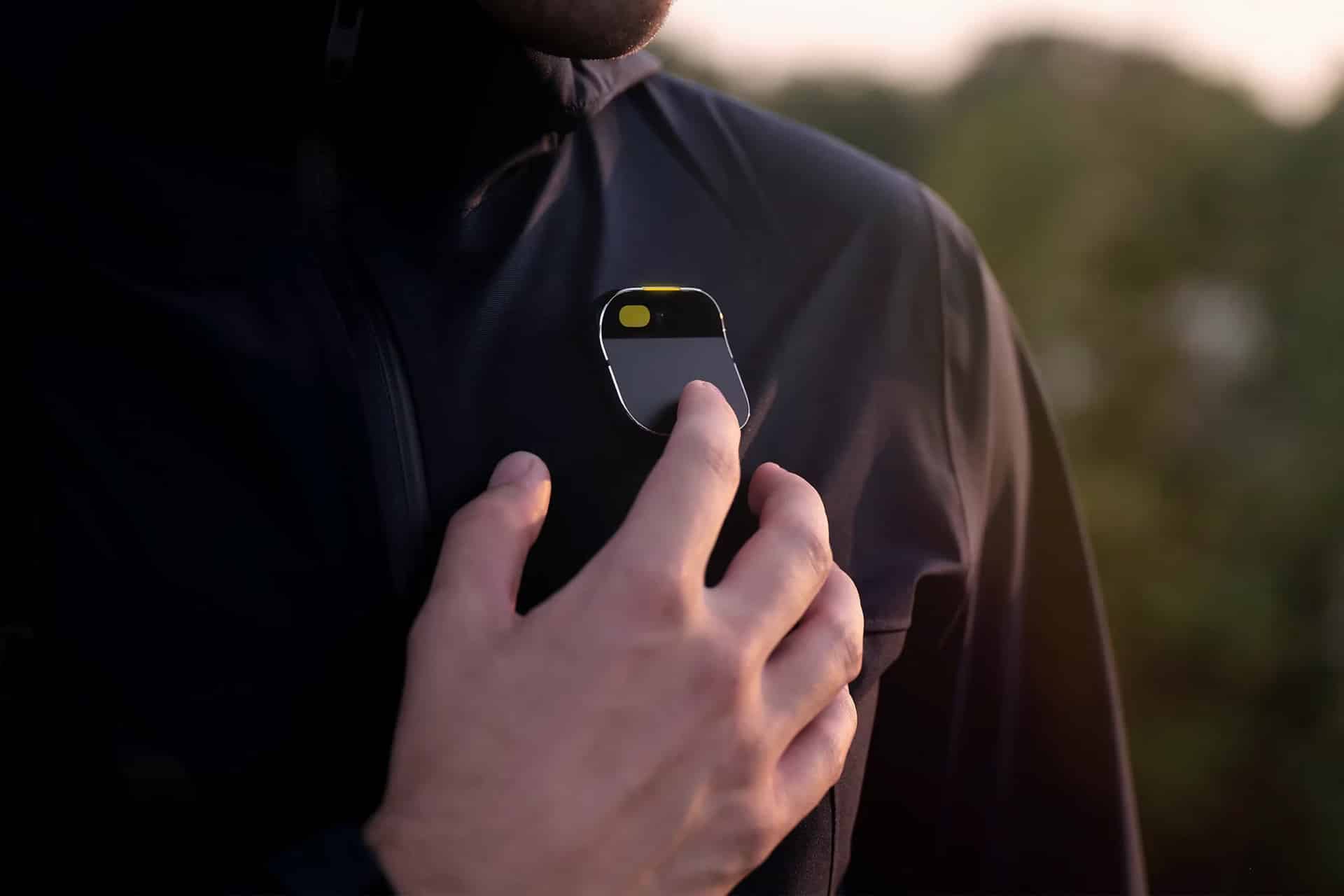
The AI Pin rumor keeps resurfacing as if Apple were about to ship a tiny screenless device that clips to your shirt and listens, watches, and talks to you all day. It sounds futuristic. It also completely misses how Apple builds products. When you look at Apple’s history, its privacy commitments, and how people actually interact with the world, the idea of an Apple AI Pin quickly falls apart.
The excitement around AI pins comes from a real place. People are tired of screens. They want technology to be present without being distracting. OpenAI, Jony Ive, Meta, and other industry players are experimenting with what a post-smartphone interface could look like. But replacing a screen with an always-listening, always-watching badge is not the same as reducing screen time. It simply moves the interface from your hand to your body.
Apple has spent decades building products that respect visual attention and physical awareness. iPhone, Apple Watch, and AirPods are designed so that when your eyes need to be on the road, the world, or another person, the technology steps back. Audio, haptics, and glanceable visuals replace constant visual demand. That design philosophy is why CarPlay, Apple Watch, and AirPods exist.

Visual Attention Is Not the Enemy
One of the core assumptions behind the AI Pin concept is that screens are the problem. But human perception is deeply visual. We read faces, signs, expressions, and environments through sight. Removing screens does not remove distraction. It simply removes clarity.
Think about driving. Looking at a screen is dangerous because it steals visual focus from the road. Talking to someone, listening to directions, or hearing music does not. Apple already solves that problem through Siri, CarPlay, and AirPods. Audio is layered over your environment while your eyes remain free.
A screenless AI Pin with no visual feedback would actually increase risk in many situations. If a device wants to give you information, confirm a command, or show you context, it either has to speak constantly or record what you are seeing. Neither is safe, subtle, or private.
Always-On Cameras Are a Privacy Nightmare
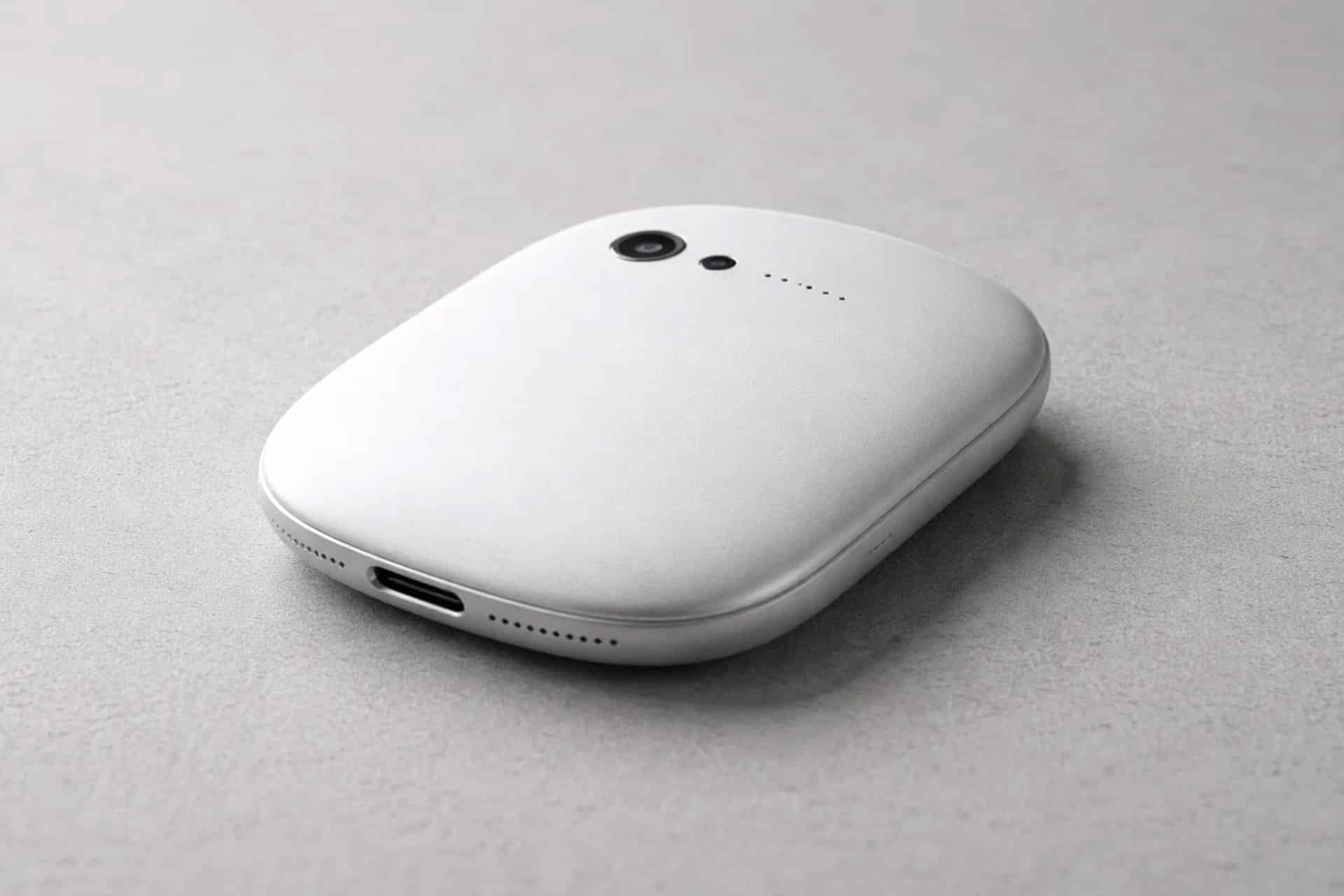
Most AI Pin concepts depend on always-on cameras. The device must see what you see in order to “understand” the world. That means recording, analyzing, and transmitting everything in front of you: people, documents, homes, screens, and strangers.
This is where the idea collides directly with Apple’s privacy philosophy.
Apple has built its entire platform around minimizing data collection. Face ID, on-device AI, Private Cloud Compute, and Secure Enclave all exist to keep personal data off servers whenever possible. A wearable that records the world in real time would do the opposite. It would turn every conversation, every store visit, and every home into potential data.
That is not something Apple would ever normalize.
Even AI glasses raise these concerns. A pin on your chest that quietly records everything is even worse. No one can tell when they are being observed. That erodes trust in public, private, and professional spaces.
Apple’s Ecosystem Already Solves the Problem
If Apple wanted to build a screenless assistant, it already has the pieces. AirPods provide audio. Apple Watch provides glanceable visuals and haptics. iPhone provides processing power, battery life, cameras when you choose to use them, and privacy controls.
An “AI Pin” that actually made sense would not be a new device at all. It would be a combination of AirPods, Apple Watch, and iPhone working together through Apple Intelligence. That is exactly what Apple is building.
Apple’s approach keeps cameras in your pocket until you decide to use them. It keeps microphones inside devices you control. It keeps processing on-device whenever possible. It keeps your data inside an ecosystem designed around consent, encryption, and local computation.
A pin that listens and watches by default does none of that.
Clickbait Versus Reality
The AI Pin rumor exists because it is clickable. It promises a magical future where screens disappear and AI becomes ambient. But it ignores how humans actually live and how Apple actually builds.
Apple is not going to ship a device that violates its own privacy pillars, creates social friction, and introduces always-on surveillance into everyday life. If anything resembling a pin ever appears, it would be software layered onto existing hardware, not a new always-watching badge.
The future Apple is building is quieter, more private, and more integrated. Not more exposed.