AI processing power is no longer a background metric measured only in benchmarks. It has become the defining capability of modern devices, and Apple is positioning the iPhone 17 Pro as the primary interface between people and artificial intelligence. This shift explains several changes that might otherwise seem disconnected: a more robust industrial design, increased thermal headroom, faster silicon iteration, and deeper integration with Macs and cloud infrastructure. Together, they point to a strategy where intelligence starts on the device, expands locally, and scales outward only when needed.
The iPhone has always been Apple’s most important product because of its portability and constant presence. In an era defined by AI, that same portability becomes the gateway for human interaction with intelligent systems. Apple’s approach suggests that the future of AI is not centralized in distant data centers alone, but distributed—beginning in your pocket.
Why Apple Is Betting on On-Device AI Processing
Apple’s emphasis on on-device AI processing reflects both technical and philosophical choices. Processing data locally reduces latency, improves responsiveness, and strengthens privacy by keeping sensitive information off remote servers whenever possible. For everyday tasks like language understanding, image analysis, personal context, and prediction, the fastest and safest place to compute is the device already in your hand.
The iPhone 17 Pro is designed to handle this load. Its silicon is optimized for sustained neural workloads, not just short bursts of performance. This matters because AI tasks are continuous rather than occasional. Voice understanding, visual recognition, and contextual awareness operate constantly in the background, requiring stable performance over long periods.
Apple’s focus on AI processing power also reflects industry constraints. The global race for chips, memory, and data center capacity has exposed bottlenecks in RAM availability and infrastructure scaling. By moving more intelligence onto devices, Apple reduces dependence on scarce resources while maintaining control over performance characteristics. This approach aligns with its long-standing preference for vertical integration, where hardware and software evolve together.

Industrial Design and Thermal Envelope
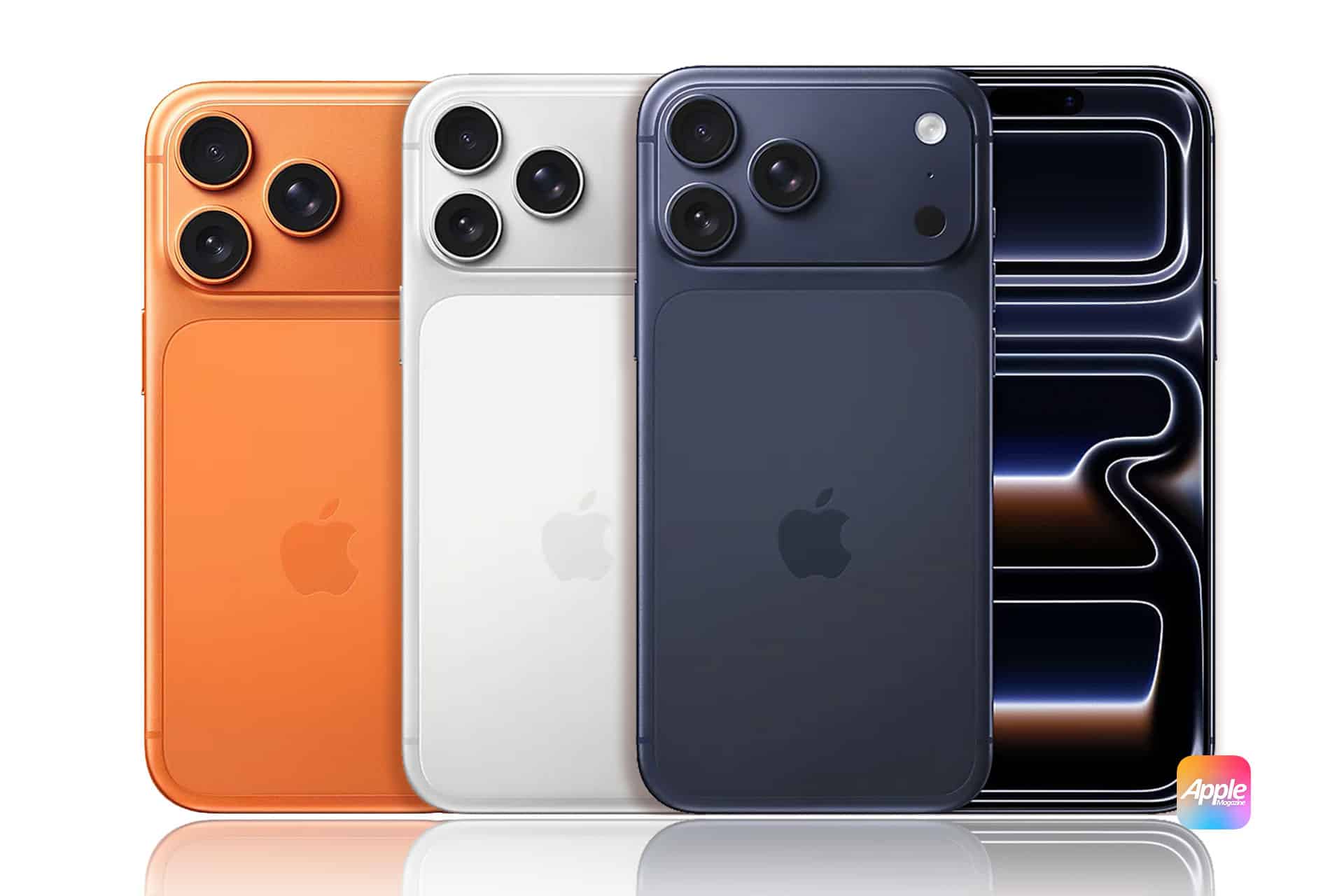
One of the most visible changes in the iPhone 17 Pro generation is its more assertive industrial design. Rather than being purely aesthetic, this shift supports higher sustained processing power. AI workloads generate heat differently from traditional tasks like video playback or gaming. They require consistent thermal management to avoid throttling during prolonged use.
The reinforced chassis, internal layout refinements, and improved heat dissipation mechanisms allow the iPhone 17 Pro to maintain higher levels of performance without compromising stability. This thermal envelope is essential for running complex neural models locally, especially as Apple expands Apple Intelligence features that rely on continuous context awareness.
This design philosophy mirrors what Apple has already done with Macs. The transition to Apple silicon allowed Macs to deliver remarkable performance per watt, enabling local execution of large language models and multimodal workloads. The iPhone now follows the same logic, scaled down to fit a device that lives in a pocket but operates as a constant AI endpoint.
Distributed Intelligence Across iPhone, Mac, and iCloud
Apple’s AI strategy does not stop at the iPhone. Instead, the iPhone 17 Pro becomes the coordinator of a distributed intelligence system. Simple or sensitive tasks run entirely on-device. More demanding workloads can be shared with nearby Macs through local networking, leveraging the higher compute ceilings of desktop-class Apple silicon. Only the heaviest or least privacy-sensitive operations move to Apple’s cloud infrastructure.
This tiered model balances power, efficiency, and privacy. It also explains why Apple continues to accelerate Mac silicon development. References to next-generation chips like M5 Max and M5 Ultra appearing in macOS code signal a rapid cadence aimed at supporting increasingly complex models. Macs serve as the second layer of Apple’s AI stack, handling larger models, training tasks, and advanced creative workflows.
In this architecture, the iPhone is not a peripheral—it is the entry point. It captures context, initiates tasks, and decides where computation should occur. This makes the iPhone the most strategically important AI device Apple produces, even as Macs deliver higher absolute performance.

Apple’s Place in the AI Infrastructure Race
The broader technology industry is racing to scale AI infrastructure, often focusing on massive data centers and centralized compute. Apple’s approach is different. By emphasizing AI processing power on personal devices, Apple sidesteps some of the most severe infrastructure constraints while delivering faster, more private experiences.
This strategy does not reject the cloud; it redefines its role. Cloud computing becomes an extension rather than the default. Intelligence originates locally, scales horizontally across personal devices, and reaches centralized resources only when necessary. This distributed model is well-suited to an ecosystem where billions of devices already exist and are upgraded regularly.
As AI models grow more capable, the need for sustained local processing increases. The iPhone 17 Pro’s alignment around AI processing power reflects Apple’s recognition that future interactions—voice, vision, prediction, and reasoning—will depend on hardware designed explicitly for intelligence rather than raw compute alone.
The result is a device that justifies its internal robustness not through marketing claims, but through a clear strategic role. The iPhone is no longer just a communication tool or a camera. It is becoming Apple’s most important AI platform, shaping how intelligence is accessed, processed, and experienced across the entire ecosystem.