Choosing your first AirPods is not about selecting the most expensive model or the one with the longest feature list. It is about identifying how sound fits into your daily rhythm. Audio devices follow you everywhere. They become part of your commute, your workday, your workouts, your downtime at home. That is why the decision deserves a closer look.
Apple currently offers three distinct experiences under the AirPods name. Standard AirPods 4 focus on lightness and effortless portability. AirPods Pro 3 introduce adaptive noise control and deeper audio refinement. AirPods Max 2 move into full over-ear immersion with expansive sound and physical presence. All three integrate seamlessly with iPhone, iPad, Mac, and Apple Watch, but the experience of wearing them is very different.
Before comparing features, it helps to ask a simple question: when do you use headphones most? Is it during short calls throughout the day? While commuting? During focused work sessions? Or during long listening stretches at home? The answer shapes everything.
Standard AirPods: Simplicity and Everyday Comfort
Standard AirPods 4 remain the most straightforward entry point. Their open-ear design feels light and unobtrusive. There are no silicone tips, no seal, no pressure. You place them in your ears and they connect instantly. For many users, that simplicity is the appeal.
Because they do not create a tight seal, surrounding sounds remain audible. That makes them practical for environments where awareness matters, such as walking through a city, working in a shared office, or staying alert at home. You can hear your content without feeling isolated from your surroundings.
Sound quality is balanced and clear, especially for vocals and spoken content. Podcasts, calls, FaceTime conversations, and streaming shows sound natural. For music, the profile favors clarity rather than heavy bass emphasis.
Battery life comfortably supports daily listening, and the compact case fits easily into any pocket. For users who value minimal weight, easy access, and an approachable price, standard AirPods make sense as a first pair.

AirPods Pro 3: Adaptive Audio and Noise Control
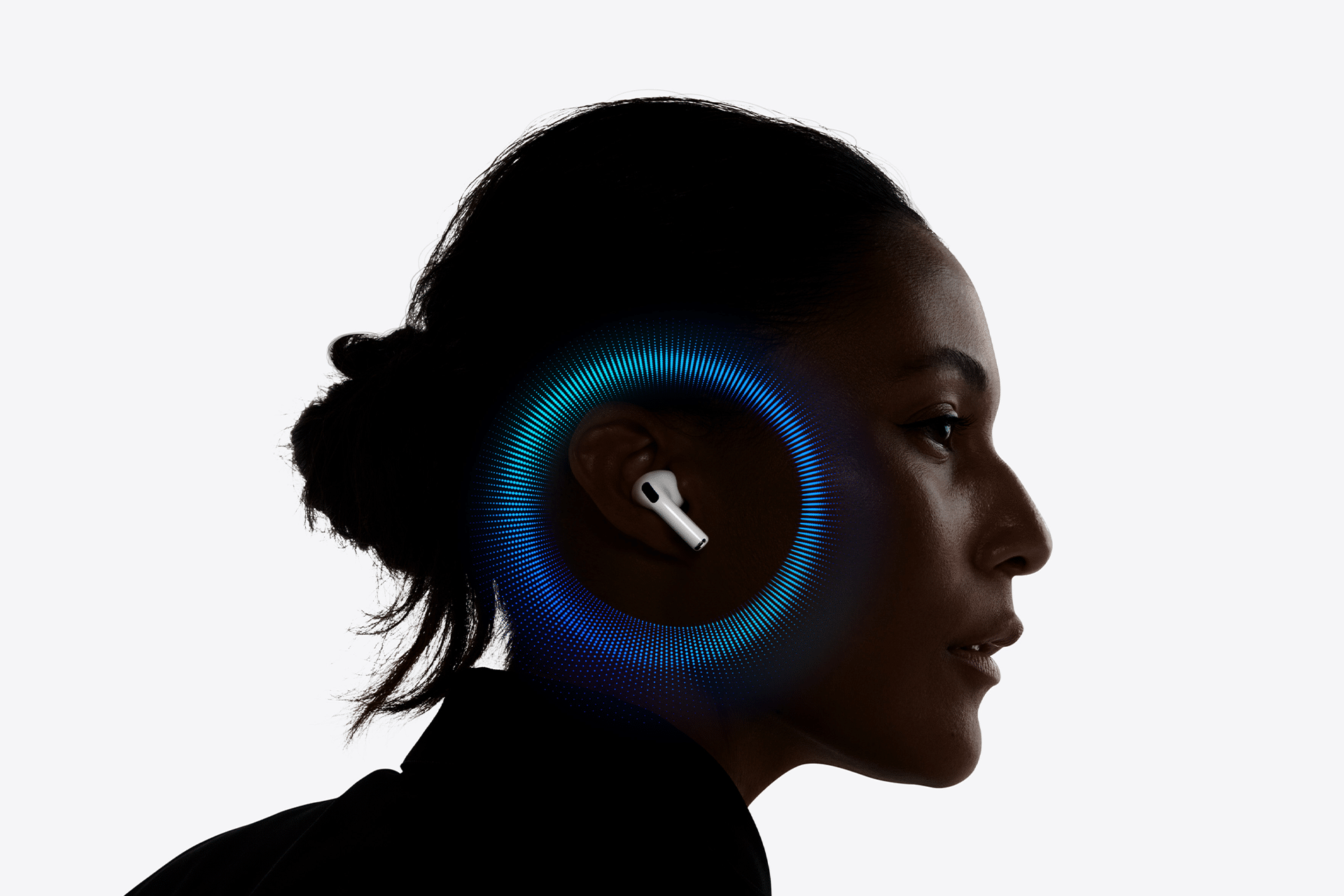
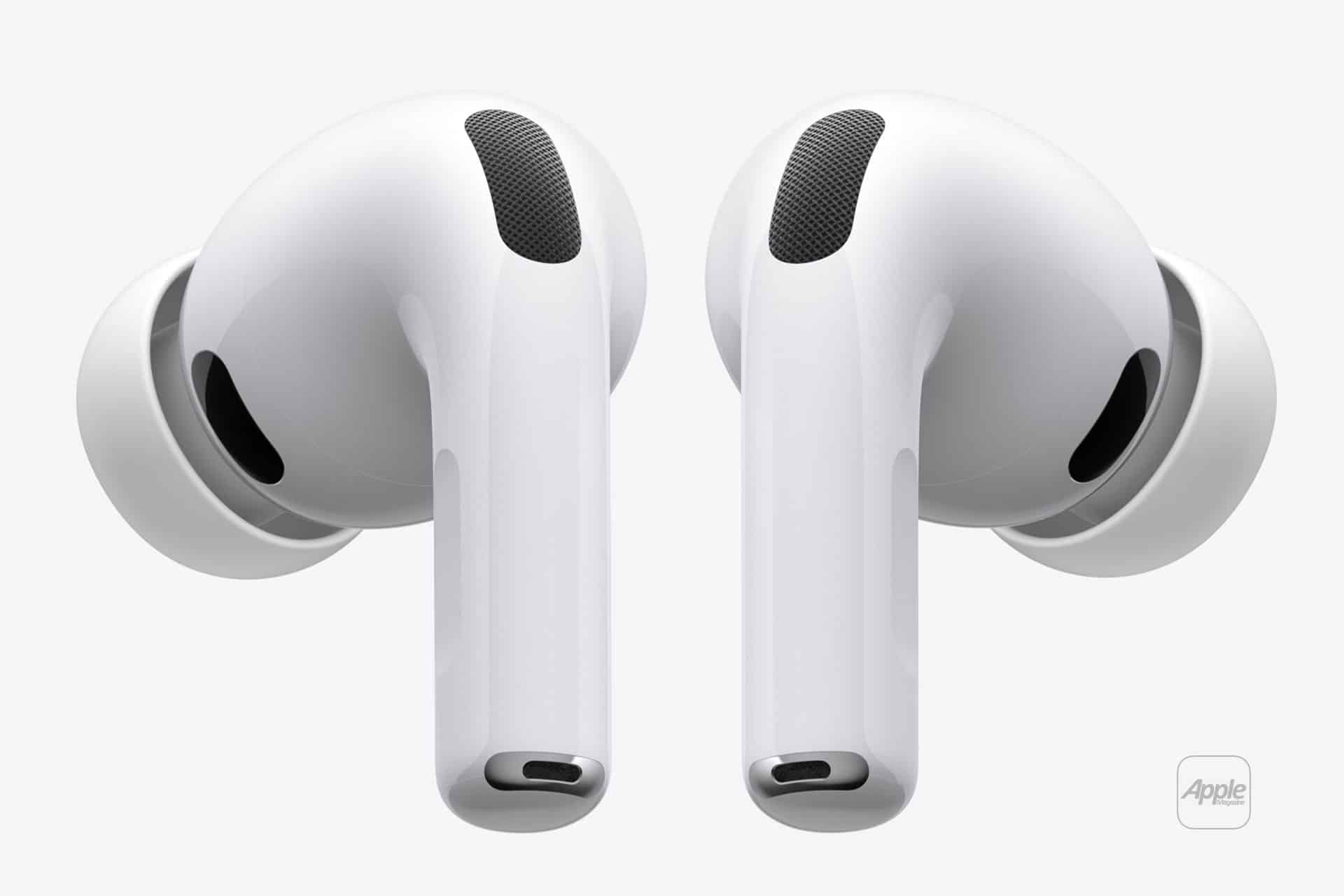
AirPods Pro 3 add intelligence and environmental control to the experience. With active noise cancellation, adaptive transparency, and advanced processing, they respond to where you are and what you are doing.
The silicone ear tips create a seal that improves bass response and overall immersion. Noise cancellation reduces consistent background sounds such as airplane cabin noise, train rumble, or office chatter. For commuting or travel, that difference becomes noticeable quickly.
Adaptive transparency mode allows certain external sounds to pass through in a more controlled way. If someone speaks to you, you can remain aware without removing your AirPods. This balance between isolation and awareness defines the Pro experience.
Spatial audio with dynamic head tracking adds depth when watching films or listening to supported tracks. The sound feels placed around you rather than confined to the center of your head. For users who consume a lot of video content or immersive music, this enhancement can elevate the experience.
AirPods Pro 3 remain portable and pocket-friendly while delivering more refined audio control. For many first-time buyers who want flexibility without stepping into over-ear territory, they represent a strong middle ground.
AirPods Max 2: Full-Size Immersion
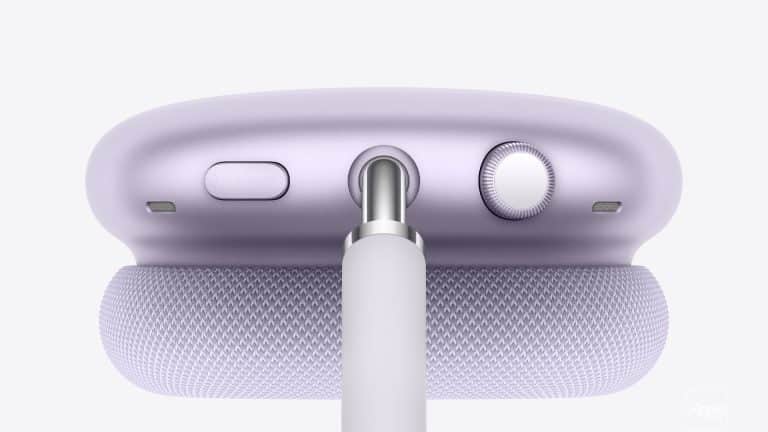
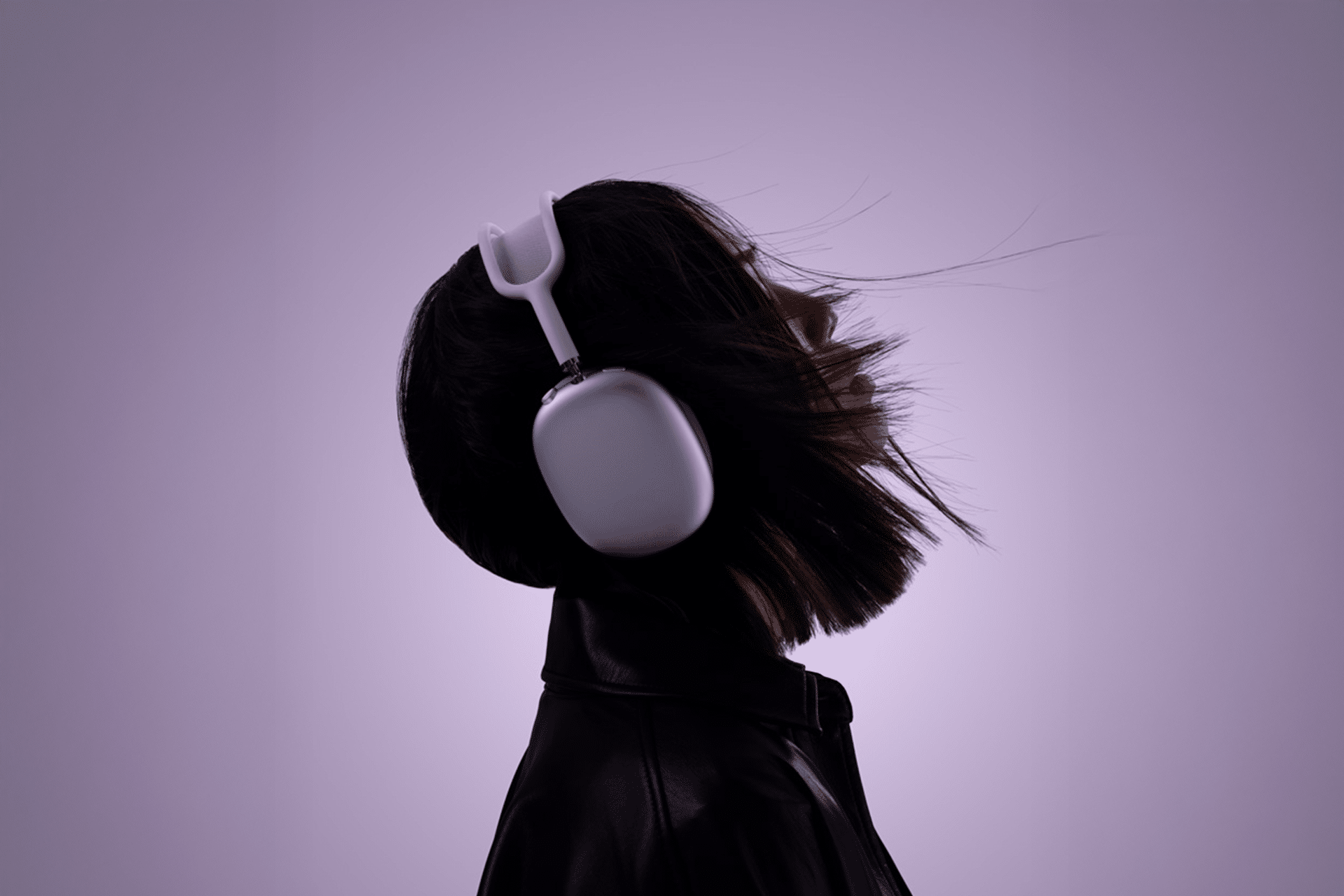
AirPods Max 2 belong to a different category. These over-ear headphones surround the ear entirely, creating a larger acoustic chamber and a more expansive soundstage. The physical size allows for deeper bass, richer midrange, and more separation between instruments.
Active noise cancellation benefits from both hardware design and digital processing. External sounds are reduced more dramatically than with in-ear models. Long flights, studio sessions, or concentrated work blocks feel insulated.
Comfort plays a central role here. The cushioned ear cups distribute weight across the head, allowing extended listening sessions without discomfort. While heavier than in-ear options, they are designed for deliberate listening rather than quick convenience.
The trade-off is portability. AirPods Max 2 are not designed for slipping into a pocket. They are ideal for home use, creative environments, or situations where sound quality takes priority over compact design.
Ecosystem Integration Across All Models
Regardless of the model you choose, Apple’s ecosystem consistency remains intact. AirPods switch automatically between devices signed into the same Apple ID. You can answer a call on iPhone and resume playback on Mac without manual reconnection. Siri remains accessible hands-free. Battery levels appear instantly on screen.
That seamless integration is part of what makes AirPods appealing for first-time buyers. The pairing process feels immediate, and daily switching between devices requires no extra effort.
AirPods Model Comparison and Specifications
Choosing between AirPods models becomes much easier when you see the differences clearly laid out. While each version shares Apple’s seamless ecosystem integration — instant pairing, automatic device switching, spatial audio support, and consistent sound quality — the real distinctions appear in fit, noise control, battery life, and overall listening experience.
This comparison table breaks down the standard AirPods 4, AirPods Pro 3, and AirPods Max 2 side by side, focusing on practical features that affect daily use. Whether you prioritize portability, adaptive noise cancellation, or full over-ear immersion, the details below will help clarify which model aligns best with how and where you listen.
|
AirPods Model |
AirPods (4rd gen) |
AirPods Pro 3 |
AirPods Max 2 |
|---|---|---|---|
|
Apple Store Price |
129 |
249 |
549 |
|
Device Type |
True wireless earbuds (open-ear) |
True wireless earbuds (in-ear with ANC) |
Over-ear wireless headphones |
|
Active Noise Cancellation (ANC) |
No |
Yes – Advanced ANC |
Yes – Enhanced ANC |
|
Transparency / Adaptive Transparency |
No |
Conversation Awareness |
Conversation Awareness |
|
Spatial Audio with Dynamic Head Tracking |
Yes |
Yes |
Yes |
|
Sound Personalization (Head-Tracked) |
Yes |
Yes |
Yes |
|
Chip / Audio Processor |
Apple H2 |
Apple H2 |
Apple H2 |
|
Bluetooth Version |
5.3 |
5.3 |
5.3 |
|
Battery Life – Single Use |
Up to 5 hours of listening |
Up to 8 hours with ANC |
Up to 20 hours with ANC |
|
Battery Life – Total (with case or Smart Case) |
Up to 30 hours |
Up to 24 hours |
Up to 20 hours with ANC (no charging case) |
|
Charging Case / Accessory |
MagSafe + USB-C Charging Case |
MagSafe + USB-C Charging Case |
Smart Case (no charging inside) |
|
Fit Style |
Open-ear (non-seal) |
In-ear with silicone tips (three sizes) |
Over-ear cushioned ear cups |
|
Water / Sweat Resistance |
Yes (IPX4) |
Yes (IP57) |
Not rated for water/sweat |
|
Passive Noise Isolation |
Minimal |
Strong (ear tip seal) |
Strong (enclosing ear) |
|
Best Use Case |
Everyday listening, calls, casual use |
Travel, commuting, focused listening |
Home listening, long sessions, high-detail audio |
|
Call Quality |
Standard mic performance |
Improved mic performance |
Highest mic clarity |
|
Controls |
Tap/press controls |
Force sensor controls |
Digital Crown + buttons |
|
Ear Detection |
Yes |
Yes |
Yes |
|
Auto Device Switching |
Yes |
Yes |
Yes |
|
Hey Siri Support |
Yes |
Yes |
Yes |
|
Adaptive EQ |
Yes |
Yes |
Yes |
|
Custom Audio Features |
Spatial Audio personalization |
Spatial Audio with Adaptive EQ |
Spatial Audio with advanced head tracking |
|
Charging Port |
USB-C |
USB-C |
USB-C |
|
Weight |
Light and compact |
Light and compact |
Heavier (over-ear design) |
Which AirPods Should You Choose?
If you value lightness, simplicity, and constant awareness of your surroundings, standard AirPods provide an easy starting point.
If you move through varied environments and want adaptive noise control without sacrificing portability, AirPods Pro 3 offer a balanced and intelligent upgrade.
If you prioritize immersive sound, deep audio detail, and extended comfort for long sessions, AirPods Max 2 deliver a more expansive listening experience.
Your first AirPods should reflect how you actually live, not just what appears most advanced. Understanding your habits will guide the decision more clearly than any specification sheet.