


Apple has announced an expansion of its American manufacturing program, adding four new partners — Bosch, Cirrus Logic, TDK, and Qnity Electronics — to its domestic supplier initiative. The company says it will commit $400 million through 2030 to support U.S.-based production capacity, technical collaboration, and supply chain development.
The move reinforces Apple’s long-term strategy to increase geographic diversification across its manufacturing network while strengthening domestic industrial partnerships. Rather than building every component internally, Apple works closely with specialized suppliers whose facilities operate across multiple states.
This latest expansion signals continued investment in U.S. manufacturing infrastructure at a time when global supply chains face increased political and logistical pressures.
Strengthening Domestic Supplier Partnerships
The American manufacturing program is structured as a partnership framework rather than a centralized factory initiative. Apple identifies strategic suppliers capable of scaling advanced production in the United States and supports those efforts through capital commitments and long-term agreements.
The addition of Bosch, Cirrus Logic, TDK, and Qnity Electronics brings further specialization into the network. Each partner contributes distinct expertise, from semiconductor components to precision electronic systems.
Cirrus Logic has long supplied audio components used in Apple devices. Bosch provides sensor technologies widely integrated into consumer electronics. TDK contributes advanced electronic components, and Qnity Electronics expands domestic assembly and systems capabilities.
The $400 million commitment through 2030 reflects multi-year collaboration rather than a single production expansion.
Unlike one-time factory announcements, these investments are structured to scale gradually, aligning supplier capacity with product demand and technology transitions.

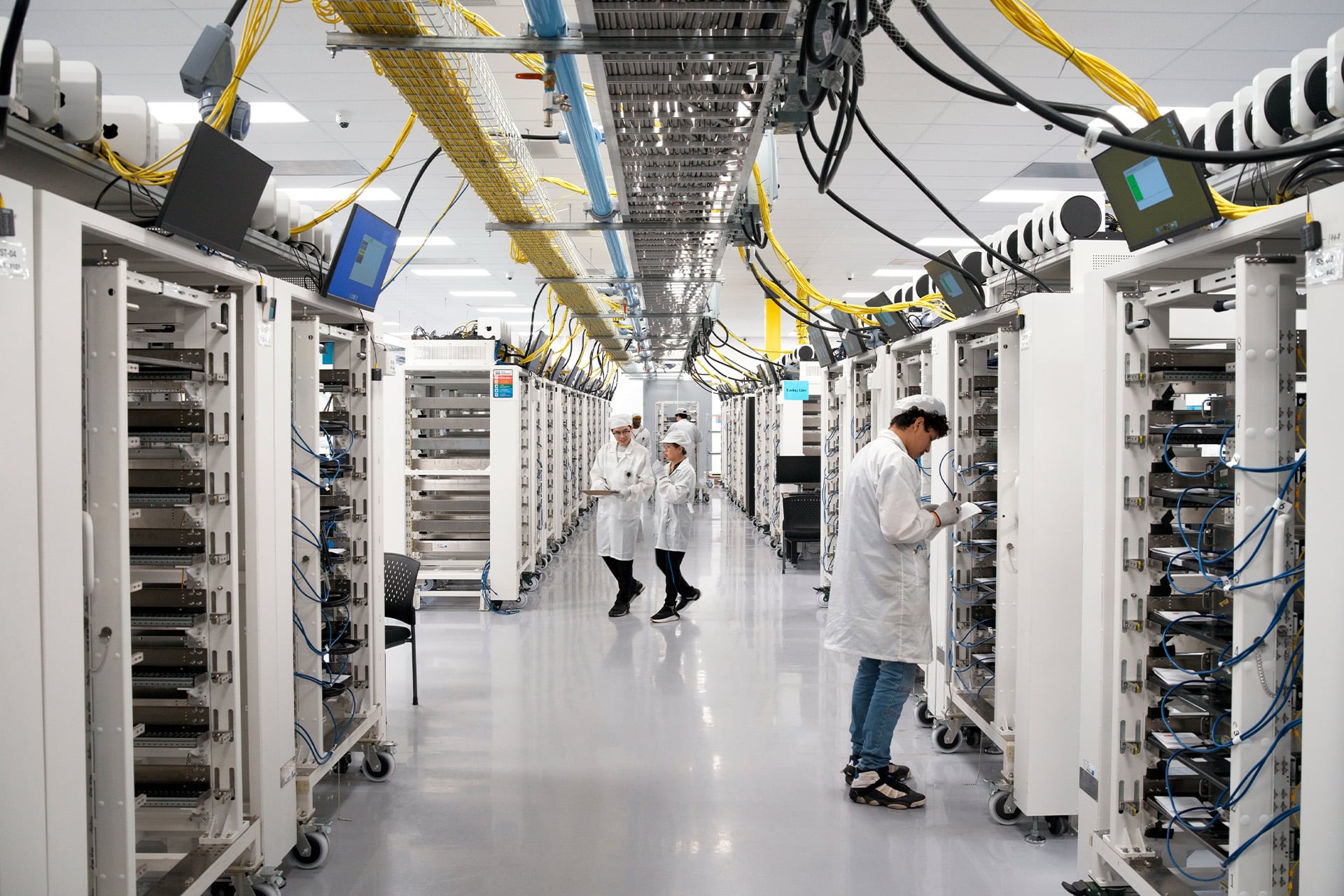
Manufacturing Strategy in a Changing Global Landscape
Apple’s supply chain has historically relied on global coordination across Asia, Europe, and North America. While large-scale assembly operations remain international, domestic supplier expansion provides resilience and strategic flexibility.
By increasing U.S.-based component production, Apple reduces exposure to international shipping disruptions, tariff volatility, and regional political uncertainty.
The American manufacturing program does not replace international operations. Instead, it complements them by distributing risk across multiple geographies.
Advanced components, especially those related to sensors, audio systems, and specialized electronic modules, benefit from proximity between design teams and production facilities. U.S.-based partnerships allow closer engineering collaboration and faster iteration cycles.
This structure supports not only current product lines but also next-generation hardware development.
Investment Timeline Through 2030
Apple’s commitment through 2030 signals a long-term planning horizon rather than a short-term response. Multi-year investment cycles allow suppliers to expand facilities, hire and train workers, and upgrade equipment.
Industrial expansion requires predictable demand signals. Long-term commitments from companies like Apple provide stability for supplier growth strategies.
The program is expected to support job creation and advanced manufacturing roles, though Apple did not disclose specific employment numbers tied to this expansion.
Domestic manufacturing in electronics involves high-precision processes, automation systems, and specialized quality control protocols. Partner facilities are typically equipped with advanced robotics and semiconductor handling technologies.
Supporting Innovation Through Proximity
Beyond logistics, domestic manufacturing strengthens innovation cycles. Engineering collaboration between Apple’s U.S. design teams and supplier facilities reduces development latency.
Component refinement, sensor calibration improvements, and testing protocols benefit from shorter feedback loops when production facilities are geographically closer to research and development centers.
This integration can accelerate hardware iteration and quality control.
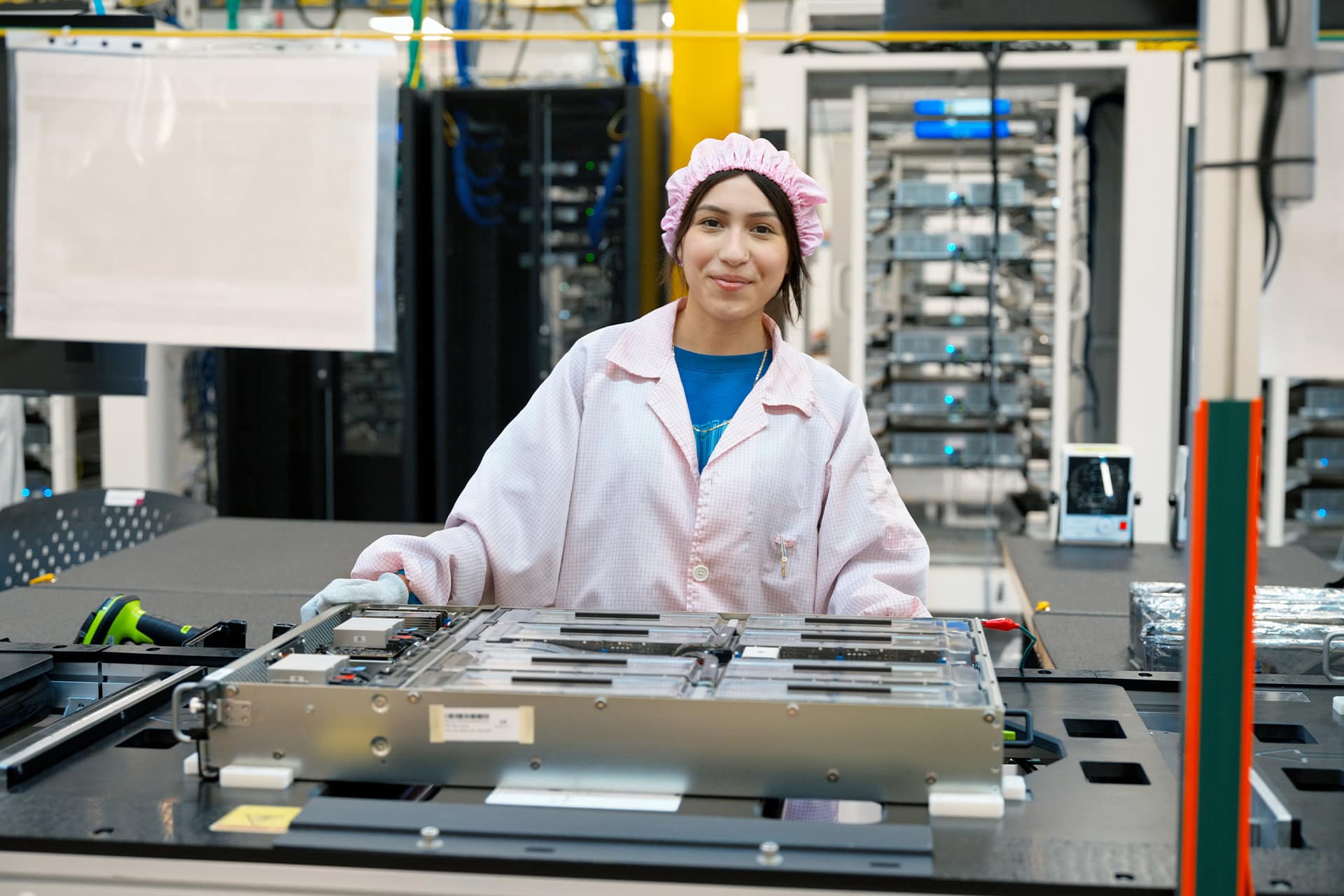
Supply Chain Diversification and Risk Management
The global electronics industry continues to operate under geopolitical scrutiny and regulatory shifts. Companies managing complex hardware ecosystems must balance cost efficiency with resilience.
By expanding domestic supplier participation, Apple strengthens supply chain redundancy. If international disruptions occur, diversified component sourcing improves continuity.
The American manufacturing program operates alongside international diversification efforts in Asia and other regions. Rather than concentrating risk in one geography, Apple’s strategy distributes capacity across multiple networks.
Manufacturing at scale requires coordination between semiconductor fabrication, precision machining, assembly lines, and logistics distribution. Each additional domestic partner adds flexibility to that network.
Long-Term Industrial Significance
Apple’s supplier programs extend beyond product assembly. They include workforce training initiatives, advanced manufacturing research, and collaboration with regional industrial ecosystems.
Investments often support supplier modernization — upgrading facilities with new fabrication tools, automation systems, and energy-efficient production technologies.
While consumer attention focuses on finished devices, the industrial layer behind those products determines scalability and reliability.
Manufacturing strategy is increasingly shaped by resilience, technological specialization, and geographic balance. The American manufacturing program reflects that direction, expanding supplier integration while maintaining global coordination across Apple’s broader production network.