Artificial intelligence remains a strategic pillar for Apple as it enters 2026, with the company channeling its development through refined system-wide features and an AI ecosystem that emphasizes privacy, device integration, and long-term usability. Apple’s approach this year blends cautious refinement with selective innovation — a reflection of its broader philosophy to deliver AI advances that feel seamless, secure, and valuable to users across iPhone, iPad, Mac, and more. One of the year’s most notable developments is the long-anticipated overhaul of Siri, now slated for an AI-powered relaunch after earlier delays.
AI Integration Beyond Voice Assistance
Apple Intelligence, the company’s umbrella name for its machine learning and generative features, has been shipping meaningful enhancements since iOS 26, adding tools such as visual intelligence, live translation, intelligent actions in Shortcuts, and more that run on both device and private cloud compute systems. These features extend across Apple platforms, bringing practical AI to writing assistance, image creation, conversation tools, and on-screen content analysis.
This incremental rollout strategy reflects Apple’s belief in AI that amplifies real-world usefulness rather than focusing solely on generative or experimental models. By incorporating intelligent features into workflows such as messaging, document editing, and automation, Apple aims to make AI feel intuitive and embedded in the user experience without overwhelming less technical users.
Siri Overhaul: Delayed and Refocused
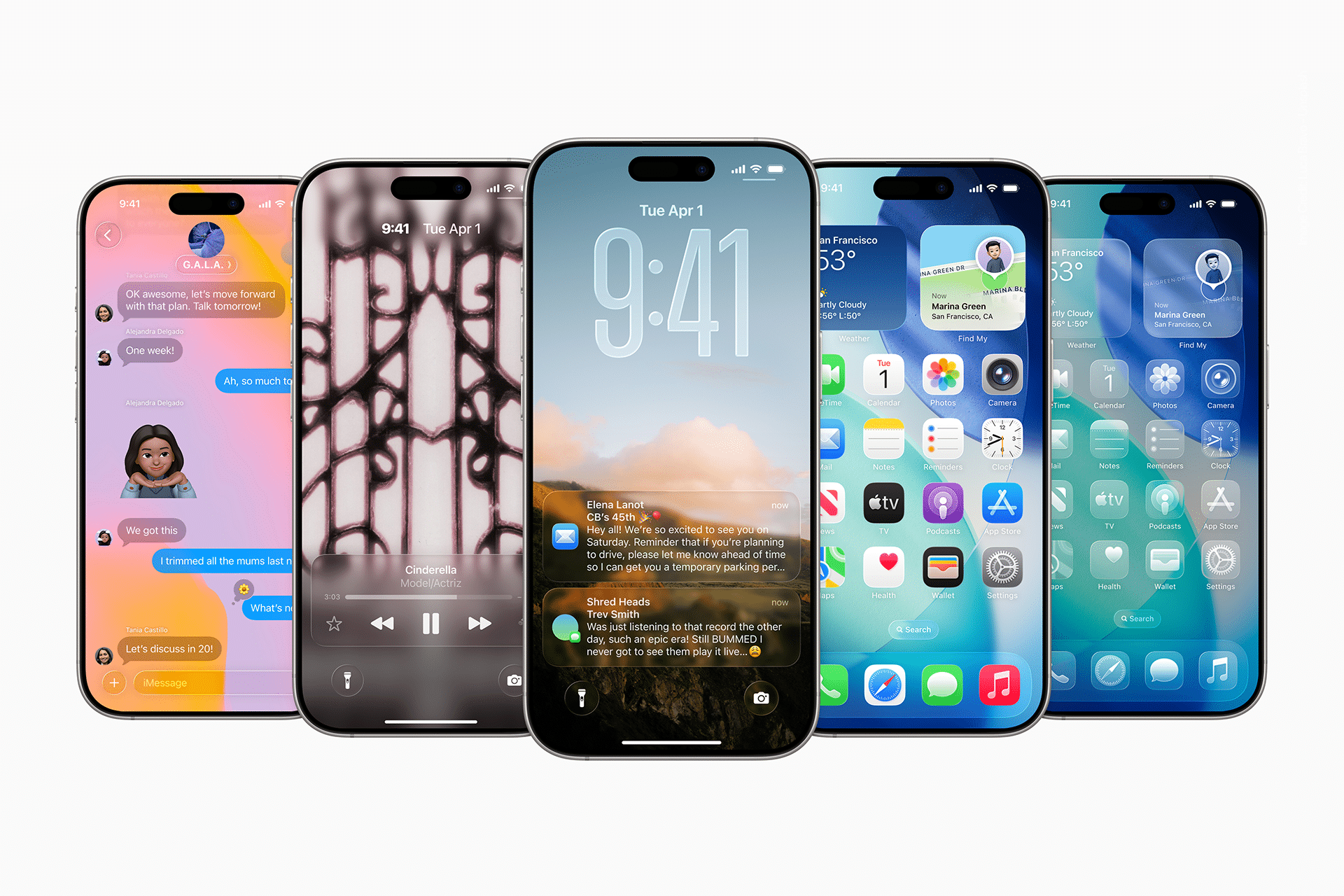
One of the most discussed elements of Apple’s AI roadmap is the upcoming Siri upgrade. After previewing a more personalized, context-aware Siri at a prior developer conference, Apple announced that quality issues stalled its release. Instead of launching an undercooked product, Apple postponed the upgrade and redirected efforts toward strengthening its underlying architecture, with an internal target now set for spring 2026. The next-generation Siri is expected to bring deeper contextual awareness, on-screen intelligence, and the ability to execute multi-step tasks across apps — capabilities Apple originally hoped would debut earlier.
Delays like this underscore the challenges Apple faces in balancing ambitious AI features with the company’s insistence on reliability and privacy. Apple CEO Tim Cook has reiterated that the company is “making progress” on these advanced Siri features but needs more time to align them with Apple’s standards.

AI Leadership and Strategic Shifts
Behind the scenes, Apple’s AI leadership has seen notable changes. Long-time AI executive John Giannandrea is stepping down, and new leadership is guiding Apple’s AI organization into 2026 with a commitment to model development, machine learning research, and AI safety. This leadership change reflects both the internal prioritization of AI and the company’s efforts to align technical direction with broader ecosystem goals.
Alongside internal development, Apple appears open to strategic external partnerships that could accelerate its AI roadmap. Reports suggest that Apple is exploring collaborations to bring advanced AI models into its suite of intelligent features — a move that would blend Apple’s privacy-centric design with robust language and reasoning capabilities from proven model architectures.
Balancing Innovation With Privacy and Integration
Apple’s AI strategy for 2026 is distinct from that of some competitors because of its insistence on protecting user data. Apple Intelligence uses a mix of on-device processing for routine tasks and Private Cloud Compute for heavier models, ensuring personal information remains secure while still delivering powerful capabilities. This blend of privacy and performance aims to differentiate Apple’s AI features without resorting to broad data collection practices.
This approach feeds into both Apple’s competitive posture and user expectations: deep device integration that maintains privacy without fragmenting performance. The deadline for achieving these goals in a competitive AI landscape places heightened scrutiny on Apple’s 2026 AI deliverables, particularly as user demand for intuitive intelligent assistants continues to grow.
The Next Stage
As 2026 continues, Apple’s AI efforts are expected to expand into more nuanced capabilities — from smarter search tools and system-wide context awareness to broader developer tools that harness Apple’s machine learning frameworks. While the year began with some unmet expectations, the combination of refined software, new leadership, and selective external partnerships could see Apple’s AI ecosystem solidify into a platform that balances everyday utility, privacy, and innovation.