Apple’s 50th anniversary arrives on April 1, 2026, marking a milestone few technology companies reach while maintaining continuous influence over consumer electronics, computing platforms, and digital services.
Founded in 1976 by Steve Jobs, Steve Wozniak, and Ronald Wayne, the company began as a small personal computing venture focused on bringing accessible computers into homes, classrooms, and small businesses.
Over five decades, Apple’s expansion reshaped multiple industries, including personal computing, music distribution, telecommunications, software ecosystems, and digital entertainment.
The anniversary highlights not only longevity but the transformation of Apple from a hardware startup into a vertically integrated platform company operating across silicon design, operating systems, cloud services, retail, and subscription-based digital ecosystems.
The path from early hobbyist computers to a global installed base exceeding billions of active devices reflects a continuous sequence of product cycles that introduced new interaction models and computing paradigms.

From Garage Startup to Global Technology Platform
Apple’s earliest years centered on personal computers such as the Apple I and Apple II, systems that helped define the early consumer computing category.
Introducing the Macintosh
The launch of the Macintosh in 1984 introduced graphical user interfaces to mainstream audiences, bringing mouse-based interaction and visual computing into everyday workflows.
Mac Lineup
Through the 1990s and early 2000s, Apple refined the Mac platform while gradually expanding into new categories that would later reshape the company’s trajectory.
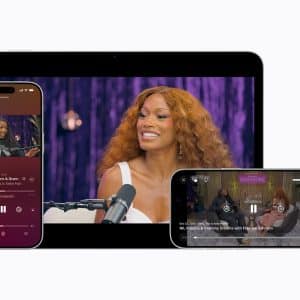
iPod & iTunes
The introduction of the iPod in 2001 established Apple as a consumer electronics brand beyond computers, while the iTunes ecosystem created one of the first large-scale digital media distribution platforms. This combination of hardware, software, and online services formed the early structure of the integrated ecosystem model that would later extend across nearly every Apple product line.
iPhone
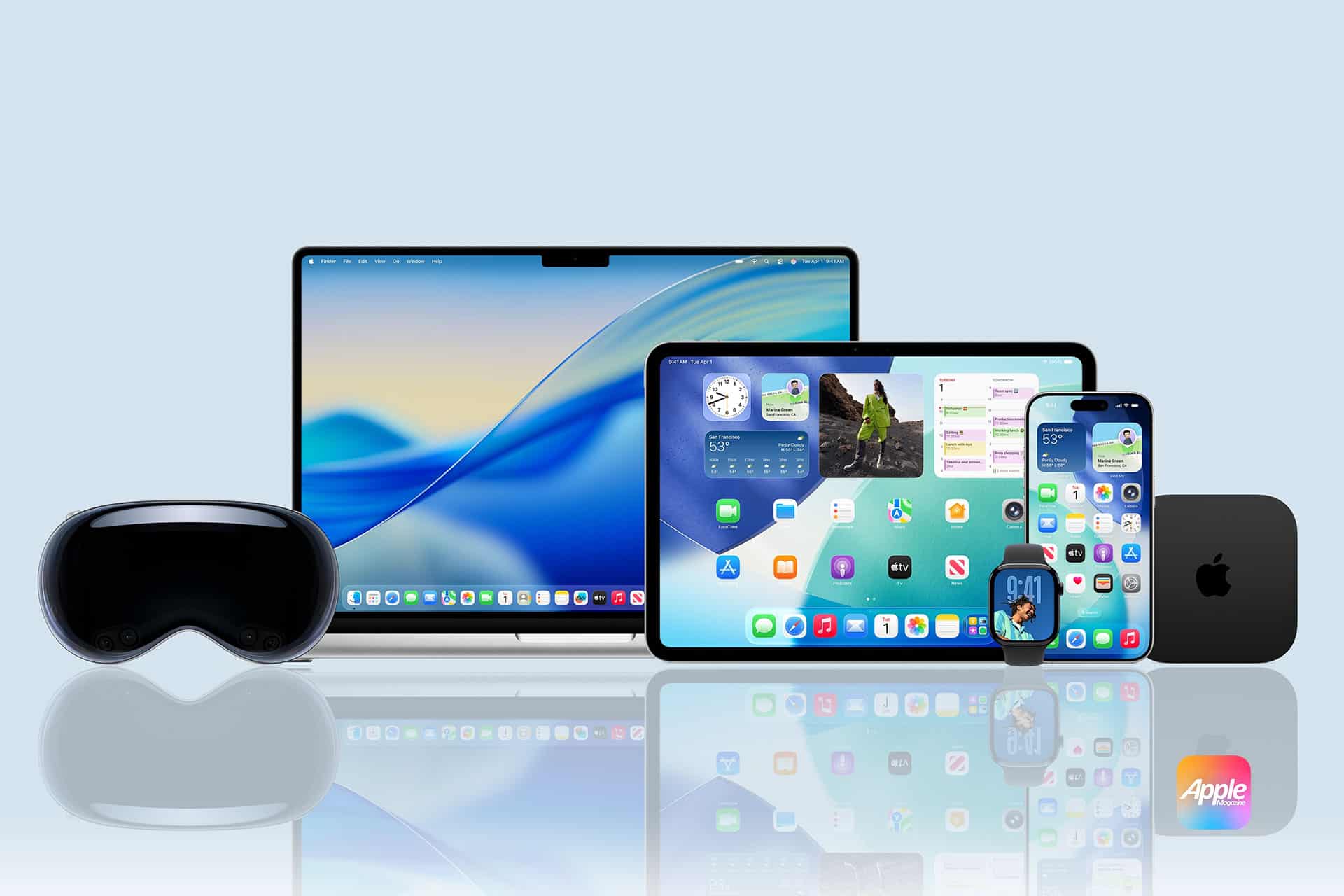
The 2007 launch of the iPhone introduced a new phase of computing centered on mobile touch interfaces, redefining how users interact with software, communication networks, and the internet. Subsequent product expansions, including iPad, Apple Watch, AirPods, and Apple Silicon-based Macs, reinforced the ecosystem approach where devices operate as interconnected components rather than isolated tools.
Product Milestones That Defined Five Decades
Each decade of Apple’s history introduced technologies that shifted computing expectations.
- The Macintosh introduced graphical computing environments;
- iPod transformed digital music ownership and playback;
- iPhone changed mobile communication and software distribution through the App Store;
- iPad expanded mobile productivity and creative workflows;
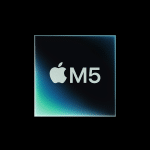
- Apple Silicon introduced vertically integrated processor design across Mac and iPad platforms.
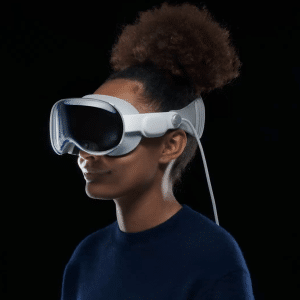
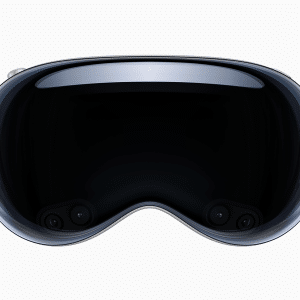
Apple Watch & Vision Pro
Recent years have extended this trajectory into spatial computing, wearable health technologies, and artificial intelligence frameworks integrated across operating systems.
Apple’s silicon strategy, cloud infrastructure, and machine learning frameworks now operate as foundational elements supporting the next generation of services and developer platforms.
The scale of Apple’s ecosystem continues to expand as services such as streaming media, digital payments, cloud storage, and subscription bundles become tightly integrated with hardware products. The installed base of active devices has grown into the billions, creating a global network of interconnected computing environments that extend across personal, professional, and home-automation contexts.

Celebrating 50 Years While Preparing the Next Era
The 50th anniversary arrives during a period when Apple is simultaneously advancing artificial intelligence frameworks, custom silicon roadmaps, and new device categories that extend computing beyond traditional screens. While anniversary celebrations typically focus on historical retrospectives, the milestone also coincides with ongoing transitions in computing architectures, including increased on-device intelligence, distributed processing between local devices and private cloud systems, and expanded integration across software services.
Anniversary-related activities are expected to include commemorative content, special product-focused retrospectives, and historical showcases highlighting major Apple product milestones. Retail stores, online platforms, and developer communities often use such anniversaries to revisit foundational technologies that shaped the company’s direction while also introducing forward-looking initiatives connected to upcoming hardware and software generations.
Fifty years after its founding, Apple’s evolution illustrates how successive platform transitions—from personal computers to mobile computing, wearable devices, and distributed intelligence systems—have redefined the company’s role across the broader technology landscape while continuing to shape the structure of modern digital ecosystems.