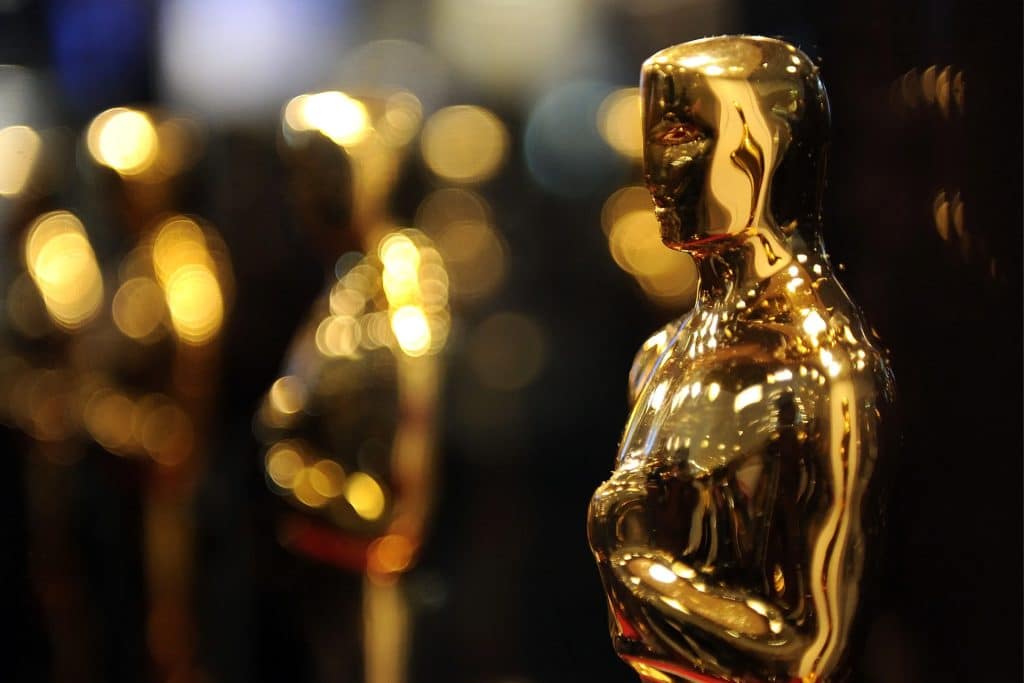
Apple Academy Awards recognition has become more than a milestone for the company. With six nominations across three major films this year, Apple’s presence at the Oscars is no longer an experiment or a side project. It is now a permanent force inside the film industry’s most selective arena.
The 98th Academy Awards nominations confirm that shift in dramatic fashion. Apple Original Film F1 has landed a Best Picture nomination alongside technical nods for Best Sound, Best Visual Effects, and Best Editing. Come See Me in the Good Light earned a Best Documentary Feature nomination. The Lost Bus added another Best Visual Effects nomination. Taken together, these six nominations reflect a studio that has moved beyond streaming ambition into full-scale cinematic credibility.
The story behind these nominations is not just about trophies. It is about how Apple has quietly built a film operation that works differently from traditional studios, yet delivers projects that resonate both commercially and artistically.
F1 and the Return of the Big-Screen Spectacle
F1 is the center of this year’s Apple Academy Awards story. The film, starring Brad Pitt and produced by Jerry Bruckheimer and Joseph Kosinski, is not a small prestige project. It is a full-scale blockbuster built around real Formula 1 racing, modern digital production, and unprecedented access to the sport. The Academy’s decision to nominate it for Best Picture places it among the most respected films of the year, not just the most successful.
The technical nominations matter just as much. Best Sound, Best Visual Effects, and Best Editing speak to the way F1 was constructed. Racing films live or die by motion, pacing, and immersion. The film’s nomination in these categories signals that the Academy recognizes the technical craftsmanship behind the spectacle, not just the surface excitement.
Apple’s approach to F1 also reflects a larger shift. The company partnered with Warner Bros. for global theatrical distribution rather than treating the movie as a streaming-first release. That decision allowed the film to live a full life in cinemas before finding its audience on Apple TV. This hybrid model is becoming Apple’s signature in major film releases, balancing box office presence with long-term streaming value.


Come See Me in the Good Light and the Power of Story
While F1 brings scale, Come See Me in the Good Light brings intimacy. The documentary tells the story of poets Andrea Gibson and Megan Falley as they navigate love and terminal illness. Its Best Documentary Feature nomination marks the first time an Apple documentary has been recognized in this category, a milestone that matters deeply for the platform’s creative identity.
Apple has invested heavily in nonfiction storytelling across Apple TV, but this nomination signals that those investments are now breaking into the highest levels of awards recognition. The film’s earlier wins at Sundance and Cinema Eye Honors positioned it as a critical favorite long before the Oscar nod arrived. The Academy’s recognition now places it alongside the most meaningful documentaries of the year.
This is a different kind of prestige than box office numbers. It reinforces Apple’s ability to tell human stories that resonate across cultures, languages, and formats.

The Lost Bus and Technical Ambition
The Lost Bus, directed by Paul Greengrass and starring Matthew McConaughey and America Ferrera, adds another layer to Apple’s awards portfolio. Its Best Visual Effects nomination highlights how Apple’s productions are increasingly competing with the largest studios in technically demanding genres.
Set during a deadly wildfire, the film required complex digital and practical effects to recreate chaos, smoke, fire, and large-scale destruction. The nomination places Apple’s technical teams alongside the industry’s most experienced visual effects houses, reinforcing that Apple Studios is no longer building modest films.

Apple’s Growing Awards Legacy
This year’s Apple Academy Awards nominations sit on top of a rapidly growing awards history. CODA’s Best Picture win in 2022 was a turning point, proving a streaming-first studio could win Hollywood’s top prize. Subsequent wins and nominations for animated films, documentaries, and major dramas have built on that foundation.
Apple now enters each awards season with multiple serious contenders rather than a single prestige title. The six nominations this year show how broad the studio’s reach has become, covering blockbuster action, intimate documentary, and high-intensity drama.
All three nominated films are now streaming on Apple TV, meaning viewers can move directly from Oscar buzz to full-length features without leaving Apple’s ecosystem. That connection between theatrical recognition and platform access is becoming one of Apple’s strongest entertainment advantages.
As the winners are revealed on March 15 in Los Angeles, Apple will already have secured something more lasting than statues. The Apple Academy Awards presence this year confirms that Apple Studios has established itself as a major creative force in modern cinema, capable of delivering both cultural impact and commercial success at the highest level of the film industry.