

Apple accessories have become one of the quietest ways the company tells its environmental story. The main attention usually goes to iPhone, Mac, iPad, Apple Watch, and Apple Silicon, but accessories are where many users touch Apple’s material choices every day: iPhone cases, Apple Watch bands, MagSafe wallets, cables, chargers, keyboards, trackpads, AirTag accessories, and packaging.
That matters because accessories are small, frequent, and visible. A user may keep an iPhone for several years but buy multiple cases, bands, cables, or wallets across the same period. Those products shape how Apple’s environmental choices feel in daily life. A recycled material is not only a line in a progress report. It becomes the texture of a case, the finish of a band, the weight of a charger, or the packaging opened after purchase.
Apple’s broader materials push is now much larger than accessories alone. In April, Apple said a record 30% of the material across all products shipped in 2025 came from recycled content. The company also said it reached 100% recycled cobalt in all Apple-designed batteries, 100% recycled rare earth elements in all magnets, and 100% recycled gold plating and tin soldering in printed circuit boards. Those are major supply-chain milestones, and they support Apple’s 2030 goal to make every product carbon neutral across its full footprint.
Accessories are the user-facing version of that same strategy. They show whether Apple can make environmental materials feel premium, durable, and desirable enough to replace older choices without making customers feel they are receiving a weaker product.
Accessories Make Sustainability Visible
Apple accessories are useful to Apple’s environmental messaging because they are close to the customer. A recycled aluminum enclosure inside a device matters, but most users never see it. A leather-free case or Apple Watch band is different. It is handled, worn, scratched, cleaned, replaced, and judged every day.
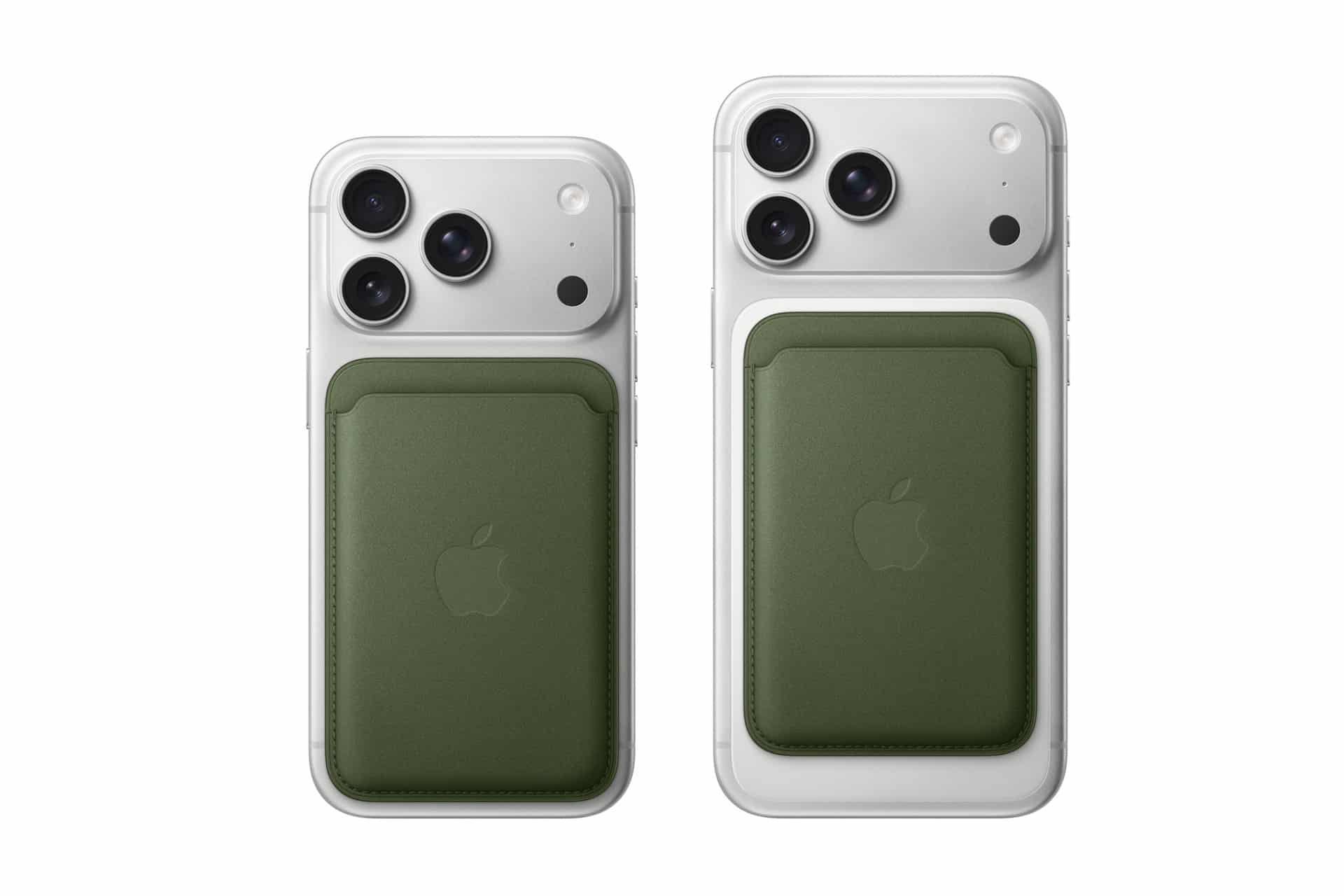
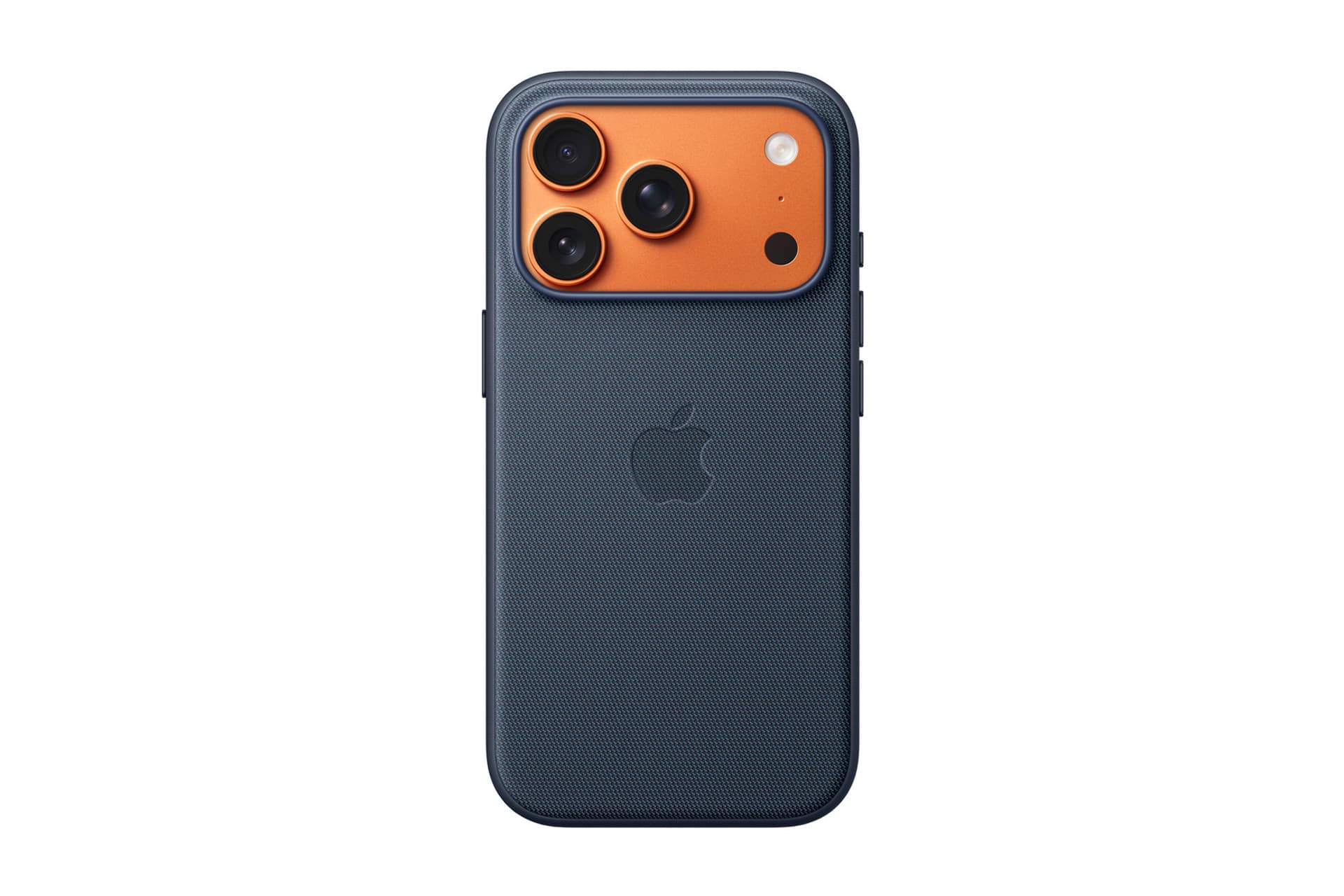
Apple’s clearest accessory shift came when the company stopped using leather across its product lines and introduced FineWoven for iPhone cases, MagSafe wallets, and Apple Watch bands. Apple described FineWoven as a textile made from 68% post-consumer recycled content, part of its effort to reduce the environmental impact of accessories that had traditionally used leather.
That move gave Apple a strong environmental story, but also a real design lesson. FineWoven was criticized by many users and reviewers for showing wear quickly, collecting marks, and feeling less premium than expected at Apple’s price points. Reports later noted that FineWoven iPhone cases appeared to be phased out after the iPhone 15 cycle, although some FineWoven accessories continued to be sold in certain categories or markets.
That is important because environmental messaging cannot work on materials alone. A recycled or leather-free accessory still has to be durable, attractive, protective, and worth its price. If customers replace it more often because it wears poorly, the environmental benefit becomes harder to defend in practical terms.
The lesson for Apple is direct: recycled and lower-impact materials need to perform as well as the materials they replace.

Leather-Free Was the Right Direction, but Execution Matters
Apple accessories moving away from leather made sense inside the company’s climate goals. Leather has environmental impacts tied to livestock, land use, methane, water, chemicals, and processing. Removing leather from Apple’s own accessory line gave the company a cleaner position as it moved toward Apple 2030.
But customers do not judge an accessory only by its carbon story. They judge feel, color, aging, protection, cleaning, grip, price, and resale appearance. Leather developed a patina that some users liked. FineWoven often showed wear in a way users did not like. That difference matters because accessories are emotional products. They are part protection, part fashion, part identity, and part practical tool.
Apple can still win this category, but the next generation of environmental accessories needs better material science. The best replacement for leather should not feel like a compromise. It should feel intentional, premium, and durable. Apple has the design and supply-chain power to push that forward, but FineWoven showed that the first answer is not always the final answer.
This is also why Apple’s environmental claims should be connected to longevity. The greenest case is not only the one made with recycled material. It is the one a user keeps using because it protects well, ages well, and does not need quick replacement.
Apple Watch Bands Are the Strongest Opportunity
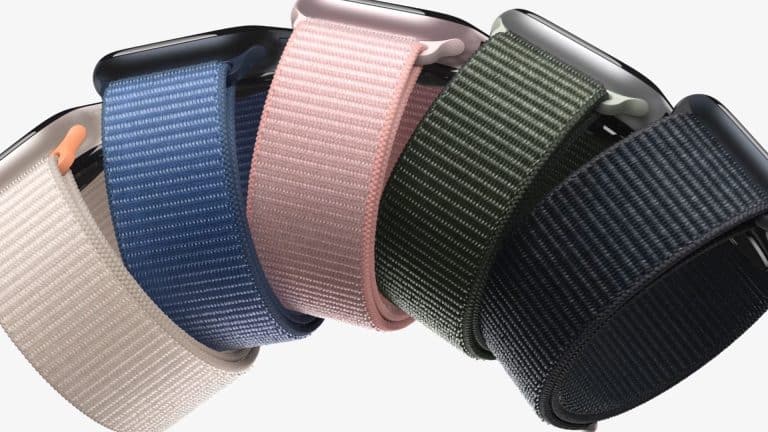
Apple accessories around Apple Watch may be the strongest place for environmental storytelling because bands are designed to be changed. Many users own more than one band for workouts, work, sleep, formal use, travel, or fashion. That makes material choice especially important.
Apple has already tied Apple Watch closely to its carbon and recycled-materials story. The company’s environment page highlights new Apple Watch models made with high levels of recycled metals, including 3D-printed cases using recycled titanium powder and reduced material use in some designs.
Bands can extend that message because they sit outside the device and are easier to understand. A recycled textile band, a fluoroelastomer sport band with lower-impact manufacturing, or a woven band using recycled content can communicate environmental progress more visibly than an internal component.
The challenge is the same as with cases: durability and comfort. Watch bands touch skin, collect sweat, face water, stretch, bend, and take daily wear. A sustainable band must survive real use. Apple cannot rely only on recycled-content percentages if the band does not hold up.
This is where Apple can lead better than most accessory makers. It controls design, testing, retail presentation, packaging, and material sourcing. It can make lower-impact bands feel like the default, not the alternative.
Packaging Is Part of the Accessory Experience
Apple accessories also carry environmental messaging through packaging. Accessories are often bought in large quantities and shipped individually, so packaging material matters. Apple has spent years reducing plastic, increasing fiber-based packaging, and shrinking packaging volume across product lines. The company’s environmental pages continue to emphasize packaging and shipping as part of the carbon-reduction strategy.
For accessories, packaging is especially visible because the product itself may be small. A cable, case, band, or wallet does not need excessive packaging to feel premium. Apple has pushed toward cleaner boxes, less plastic, and more compact presentation, which fits the company’s retail style while also reducing waste.
This also affects shipping. Smaller, lighter packaging can improve transport efficiency. Apple’s environmental reports often connect materials decisions with logistics, renewable electricity, and shipping reductions rather than treating packaging as a separate issue.
The accessory category gives Apple room to keep improving. A future where most accessories use recycled or renewable materials, minimal packaging, and easier recycling instructions would make Apple’s environmental message more tangible at the point of purchase.
Recycled Materials Need Better Transparency
Apple accessories would benefit from more specific recycled-material labeling. Apple often provides detailed environmental reports for major devices, but accessories can be harder for customers to compare. A user buying a case, band, cable, or MagSafe wallet should be able to see clear material information, recycled-content percentages, packaging details, and durability guidance.
Apple already gives broad environmental data across its product line, but accessory-specific transparency could make the story stronger. If a band uses recycled yarn, say how much. If a case uses recycled plastic or textile fibers, say how much. If packaging is fully fiber-based, make that easy to see. If a product is designed for longer life or easier recycling, explain that in plain language.
This matters because environmental marketing can become vague quickly. Apple has stronger data than most companies, but users should not have to search through environmental reports to understand the accessory they are buying.
Clear labeling would also pressure third-party accessory makers. If Apple makes recycled content and durability visible in its own store, other brands selling through Apple’s retail ecosystem may feel pressure to match higher standards.
The Store Can Reinforce the Message
Apple accessories are sold in one of the most controlled retail environments in the world. That gives Apple a chance to make environmental choices part of the shopping experience without turning them into a lecture.
An Apple Store customer comparing cases or bands could see simple cards explaining material choices, recycled content, durability testing, and cleaning guidance. Online product pages could highlight lower-impact materials more clearly. The Apple Store app could recommend accessories based not only on color and compatibility, but also material type and environmental profile.
This would make sustainability part of the design story. Apple already sells accessories as extensions of the device. It can also sell them as extensions of Apple’s material priorities.
The risk is overstatement. Apple should avoid making every recycled accessory sound like a breakthrough. The stronger approach is specific and factual: what material changed, how much recycled content is used, what emissions or resource benefits are connected to the change, and how the product is designed to last.
That kind of messaging fits Apple better than broad green slogans.
Durability Is the Missing Metric
Apple accessories need one more environmental metric: how long they last. Recycled content is valuable, but product life matters just as much. A case that lasts three years may be better than a greener case replaced every six months. A watch band that stays comfortable and clean through years of use is stronger than a band that looks worn after one season.
Apple already says its accessories undergo thousands of hours of testing in some product descriptions, especially cases. That durability message should be tied more directly to environmental value. A well-made accessory reduces replacement cycles. A protective case can extend the life of an iPhone. A strong cable can reduce electronic waste. A repairable or recyclable design can improve end-of-life outcomes.
The company’s environmental ambitions also include using only recycled or renewable materials where possible and recovering more materials through systems such as Daisy, Dave, and Taz, its disassembly robots. Accessories should fit into that same circular logic. They should be made with better materials, used longer, packaged with less waste, and easier to recover or recycle when done.
That is the complete environmental story.
A Small Category With Large Symbolic Value
Apple accessories may be smaller than iPhone, Mac, or Apple Watch, but they carry symbolic weight because they are the products users personalize most. Cases, bands, wallets, and cables are everyday objects. They are where Apple’s environmental choices become visible, tactile, and personal.
The company has made real progress on recycled materials across its product line, reaching 30% recycled content across products shipped in 2025 and hitting major recycled-material targets in batteries, magnets, and circuit boards. Accessories can turn that supply-chain progress into something customers see at checkout.
The next step is execution. Apple needs leather-free materials that age well, recycled textiles that feel premium, cases that last, bands that stay comfortable, packaging that stays minimal, and product pages that clearly explain the material story. FineWoven showed that good environmental intent is not enough if the product experience disappoints.
The strongest Apple environmental message through accessories will be the one that does not feel like a tradeoff. A case should protect better and use better materials. A band should feel better and reduce impact. A cable should last longer and ship with less waste. A wallet should look premium without relying on leather.
Apple’s accessory strategy can make sustainability feel ordinary in the best sense: not a special edition, not a compromise, not a slogan, but the default way Apple designs the objects people use every day.