


Apple has never approached artificial intelligence the way most of the industry has. While competitors race to dominate headlines with standalone chatbots and massive cloud-based models, Apple’s AI strategy has unfolded quietly, embedded into devices, workflows, and system-level features. In 2026, that approach becomes more visible, and more complex, as Apple Intelligence increasingly relies on external large language models alongside Apple’s own technology.
At the center of this shift is a silent rivalry. ChatGPT and Gemini are not competing for consumers directly inside Apple’s ecosystem. They are competing for a role behind the scenes, shaping how Apple’s AI assistant understands language, context, and intent.

Why Apple AI Looks Different in 2026
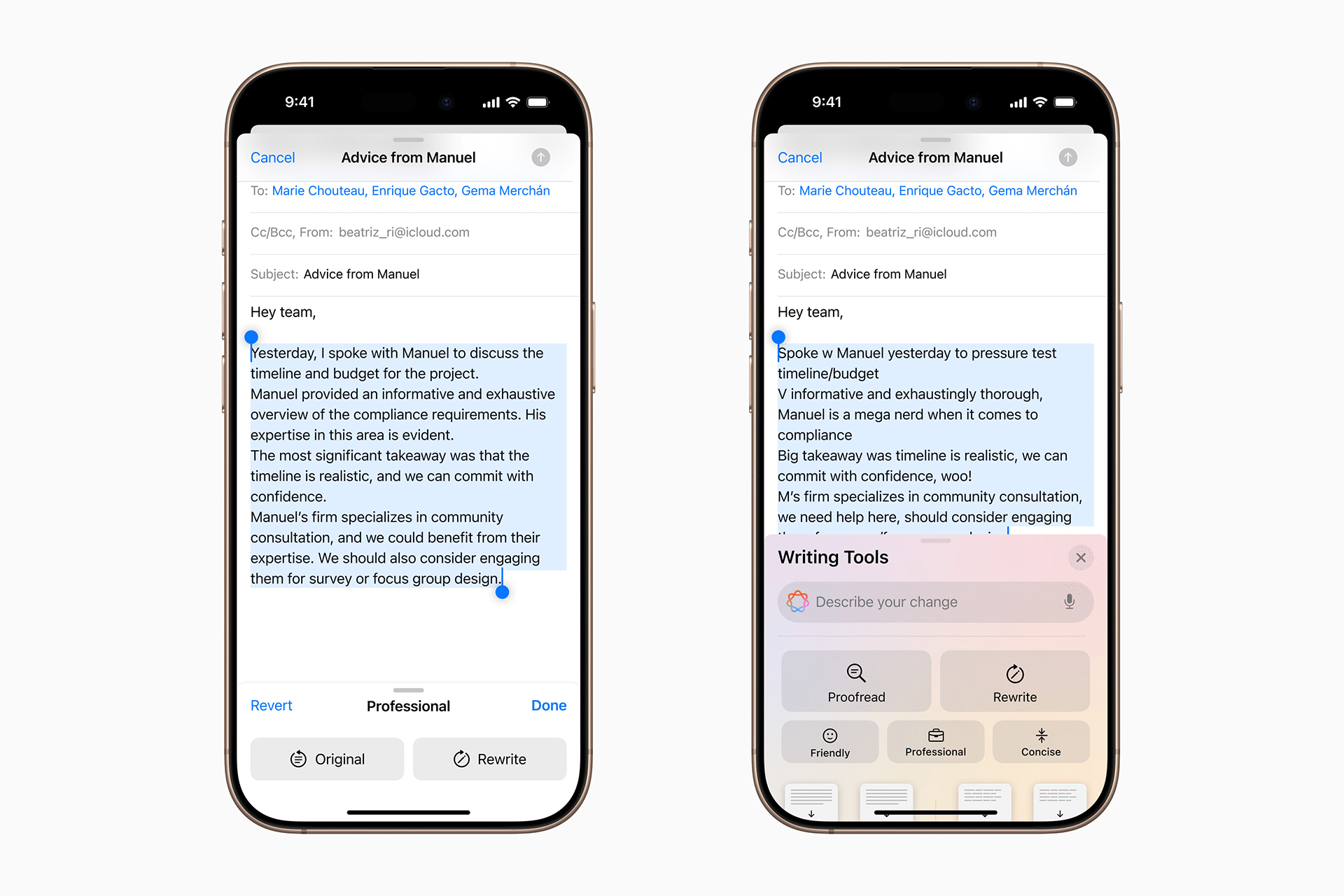
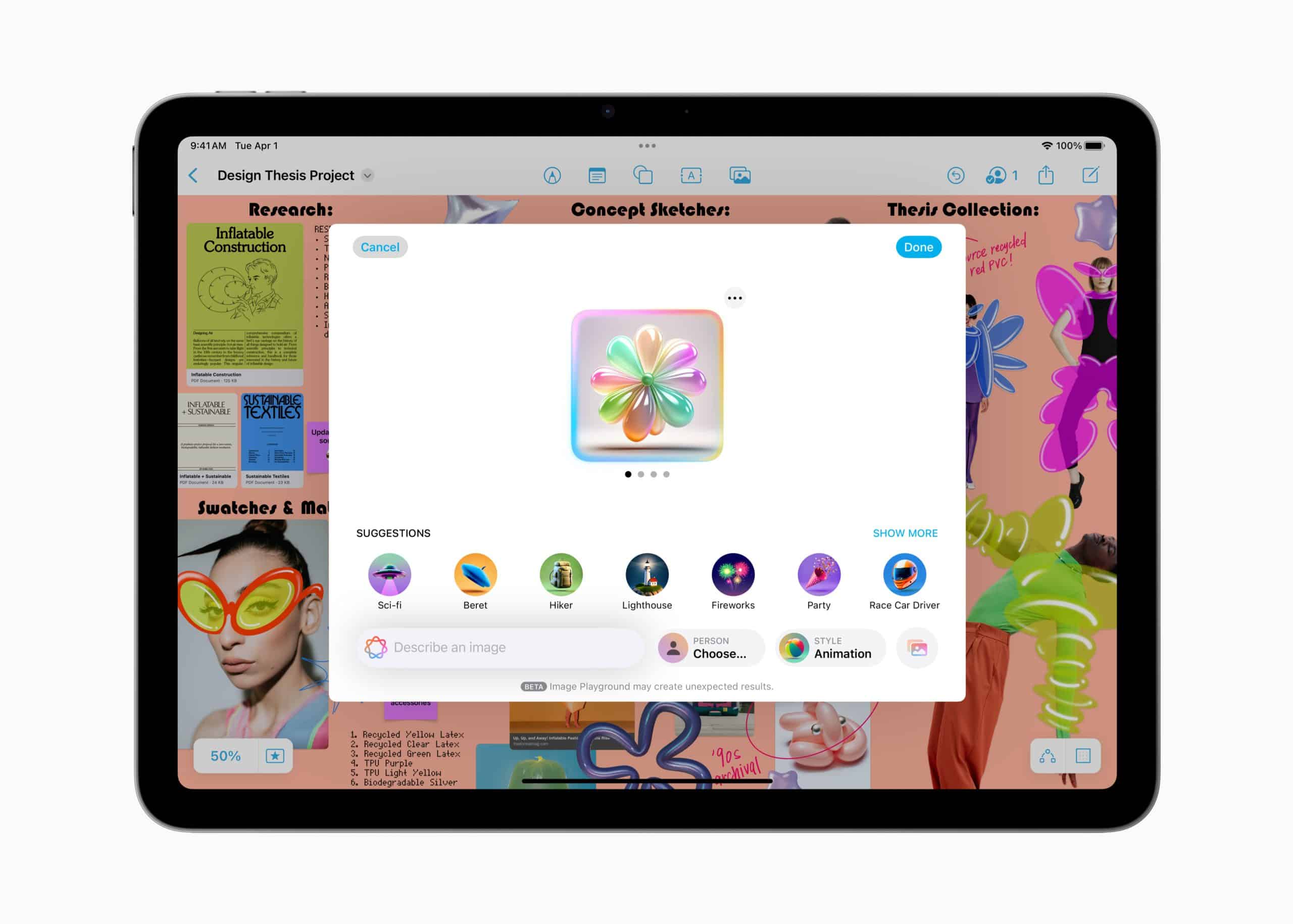
Apple AI 2026 is not about building the biggest chatbot. It is about making intelligence disappear into daily interactions. Apple Intelligence operates across iPhone, iPad, Mac, and Apple Watch, assisting with writing, summarizing, searching, organizing, and automating tasks without forcing users into a separate app or interface.
This philosophy explains why Apple is willing to work with external AI leaders rather than betting on a single in-house model. Apple’s goal is not to win the AI arms race publicly, but to deliver reliable, private, and useful intelligence where it matters most.
The result is a hybrid approach that blends Apple’s on-device models with cloud-based reasoning provided by partners.
ChatGPT’s Role Inside Apple Intelligence
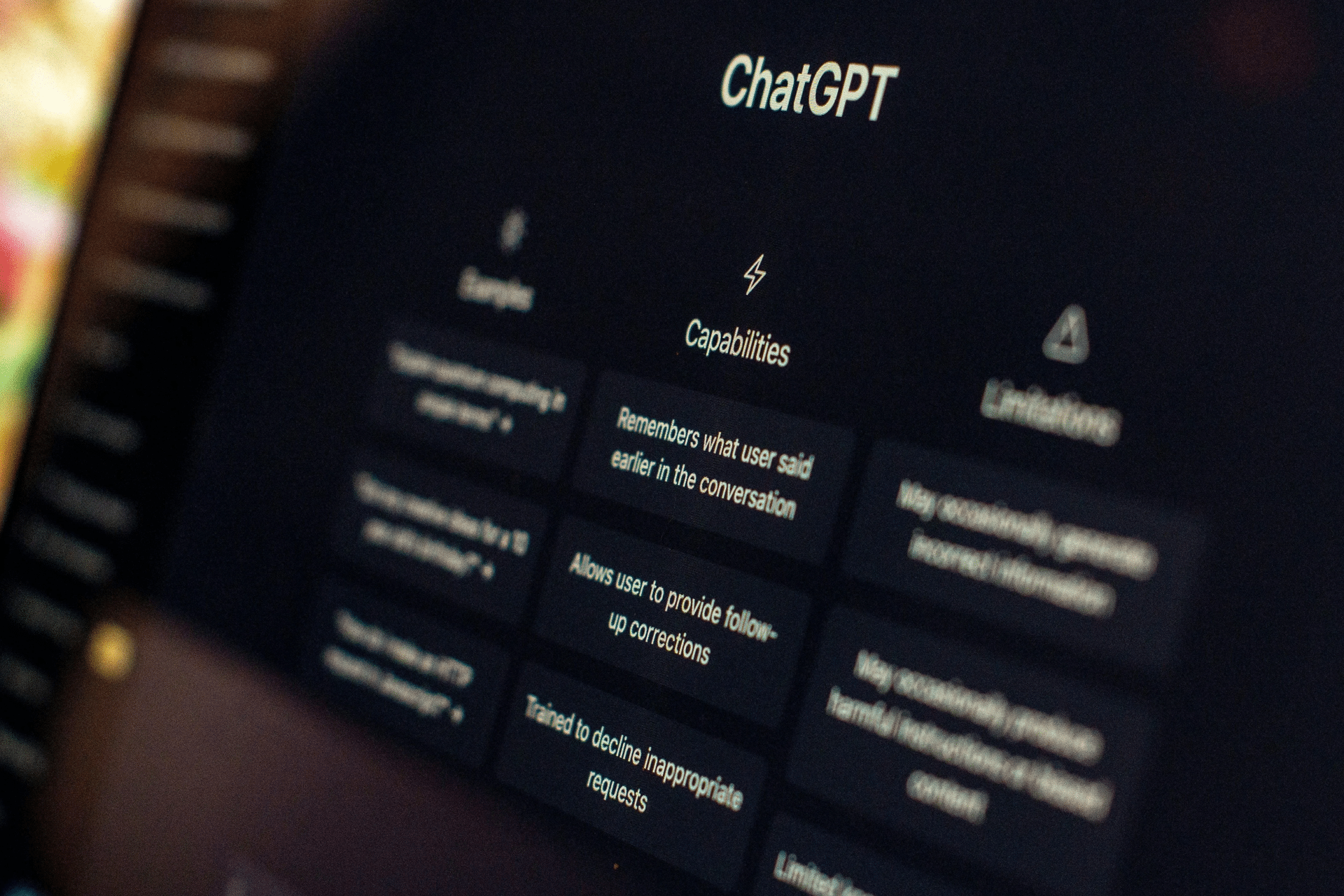
ChatGPT represents one side of Apple’s AI strategy in 2026. Its strength lies in natural language fluency, creative writing, conversational depth, and broad general knowledge. When users ask complex, open-ended questions or request help with writing and ideation, ChatGPT excels.
Inside Apple Intelligence, ChatGPT is positioned as an optional extension rather than a default brain. Users explicitly opt in when a task benefits from deeper generative capabilities. This preserves Apple’s privacy stance while still offering access to state-of-the-art language understanding.
For Apple, ChatGPT fills a gap. It allows Apple Intelligence to handle advanced reasoning and expressive tasks without sending every interaction to the cloud or compromising user trust.

Gemini and the Google Ecosystem Advantage
Gemini represents a different kind of threat and opportunity. Built by Google, Gemini is deeply connected to search, knowledge graphs, and real-time information. Its strength is not just language, but context grounded in the web and structured data.
For Apple AI 2026, Gemini is appealing for tasks that require up-to-date information, factual accuracy, and cross-referencing. This includes search-like queries, contextual explanations, and assistance tied to external data sources.
The challenge for Apple is philosophical. Google’s AI strengths are inseparable from Google’s data-centric business model, which contrasts sharply with Apple’s privacy-first approach. Any deeper Gemini integration requires strict boundaries, transparency, and user control.
Why Apple Keeps the Competition Quiet
Apple benefits from letting ChatGPT and Gemini compete without declaring a winner. This keeps Apple in control. Instead of building its ecosystem around a single external AI provider, Apple can route tasks to the model best suited for the job.
This modular approach also gives Apple leverage. Partners know that their role inside Apple Intelligence is conditional. Performance, reliability, privacy alignment, and user trust determine how much responsibility each model receives.
Apple AI 2026 is therefore less about choosing sides and more about orchestrating intelligence.
On-Device AI as Apple’s True Advantage
While ChatGPT and Gemini attract attention, Apple’s real advantage lies in on-device intelligence. Tasks like text prediction, image understanding, voice recognition, and contextual suggestions increasingly happen locally on Apple silicon.
This reduces latency, improves responsiveness, and minimizes data exposure. It also allows Apple Intelligence to work offline or with limited connectivity, something cloud-first AI systems struggle to match.
In 2026, Apple’s chips are designed with AI workloads in mind. Neural engines, memory architecture, and power efficiency make it possible to run meaningful AI features without sacrificing battery life or privacy.
Privacy as the Non-Negotiable Line
Privacy remains the dividing line in the Apple AI 2026 landscape. Apple Intelligence is built so that users know when a request leaves the device and which model handles it. Sensitive data stays local by default.
This transparency is not just a policy choice. It is a competitive differentiator. As AI becomes more powerful, trust becomes more valuable. Apple understands that users will accept AI assistance only if they feel in control.

The Future of Apple AI Beyond 2026
Apple AI 2026 is a transitional moment. The reliance on external models does not signal weakness, but strategy. Apple is buying time to refine its own large-scale reasoning systems while delivering value now.
Over time, Apple’s internal models will likely absorb more responsibilities, reducing dependence on third parties. Until then, the quiet competition between ChatGPT and Gemini continues, not as a public spectacle, but as an architectural choice shaping how Apple Intelligence evolves.
For users, this means smarter assistance that feels less like a chatbot and more like a natural extension of their devices. That has always been Apple’s endgame, and in 2026, it is closer than ever.

