

The current AI market is defined by speed, scale, and competition between models that often overlap in capability while diverging in reliability. Apple’s position in this environment is unusual. Rather than racing to dominate benchmarks or public demos, Apple’s priorities are shaped by its responsibility to hundreds of millions of daily users who expect technology to work quietly, securely, and predictably.
In 2026, Apple’s AI strategy is likely to focus less on spectacle and more on structure.
Why the AI Landscape Feels Chaotic
The explosion of AI models has created confusion for users and developers alike. Different systems excel at different tasks, interfaces change rapidly, and trust boundaries are unclear. AI is increasingly powerful, but also increasingly inconsistent.
For Apple, this chaos conflicts with its long-standing design philosophy. Apple products are built around clarity and integration, not constant choice or experimentation exposed to users. That tension defines Apple’s role in the next phase of AI adoption.
Apple’s priority is not to win the AI race, but to make AI dependable.
On-Device Intelligence as a Foundation
One of Apple’s strongest advantages in AI is control over hardware, software, and silicon. Apple’s custom chips allow machine learning tasks to run directly on devices, reducing reliance on cloud processing.
On-device AI supports three of Apple’s core principles: speed, privacy, and reliability. Tasks like image recognition, voice processing, text prediction, and contextual suggestions can happen instantly without sending data off the device.
In 2026, expect Apple to expand the scope of what can be handled locally, reserving cloud-based models for tasks that truly require scale.
Privacy as a Differentiator, Not a Constraint
While many AI platforms treat privacy as a trade-off, Apple treats it as a requirement. This shapes which models Apple deploys and how they are trained.
Apple’s AI priorities focus on minimizing data exposure, anonymizing usage patterns, and limiting cross-user data aggregation. This approach may slow experimentation, but it builds long-term trust — a currency Apple values more than short-term gains.
As AI becomes more embedded in daily life, trust will matter more than raw capability.

Integration Over Model Proliferation
One of the biggest problems in the AI ecosystem is fragmentation. Users are asked to choose between assistants, chat interfaces, and model versions without understanding the differences.
Apple’s likely response is not to offer many models, but to offer fewer, deeply integrated ones. AI features will be embedded into operating systems, apps, and workflows rather than presented as standalone destinations.
In this model, users don’t think about which AI they’re using. They simply get results when they need them.
Making AI Invisible, Not Central
Apple historically succeeds by making advanced technology feel invisible. Touch ID, Face ID, and background system intelligence all followed this pattern.
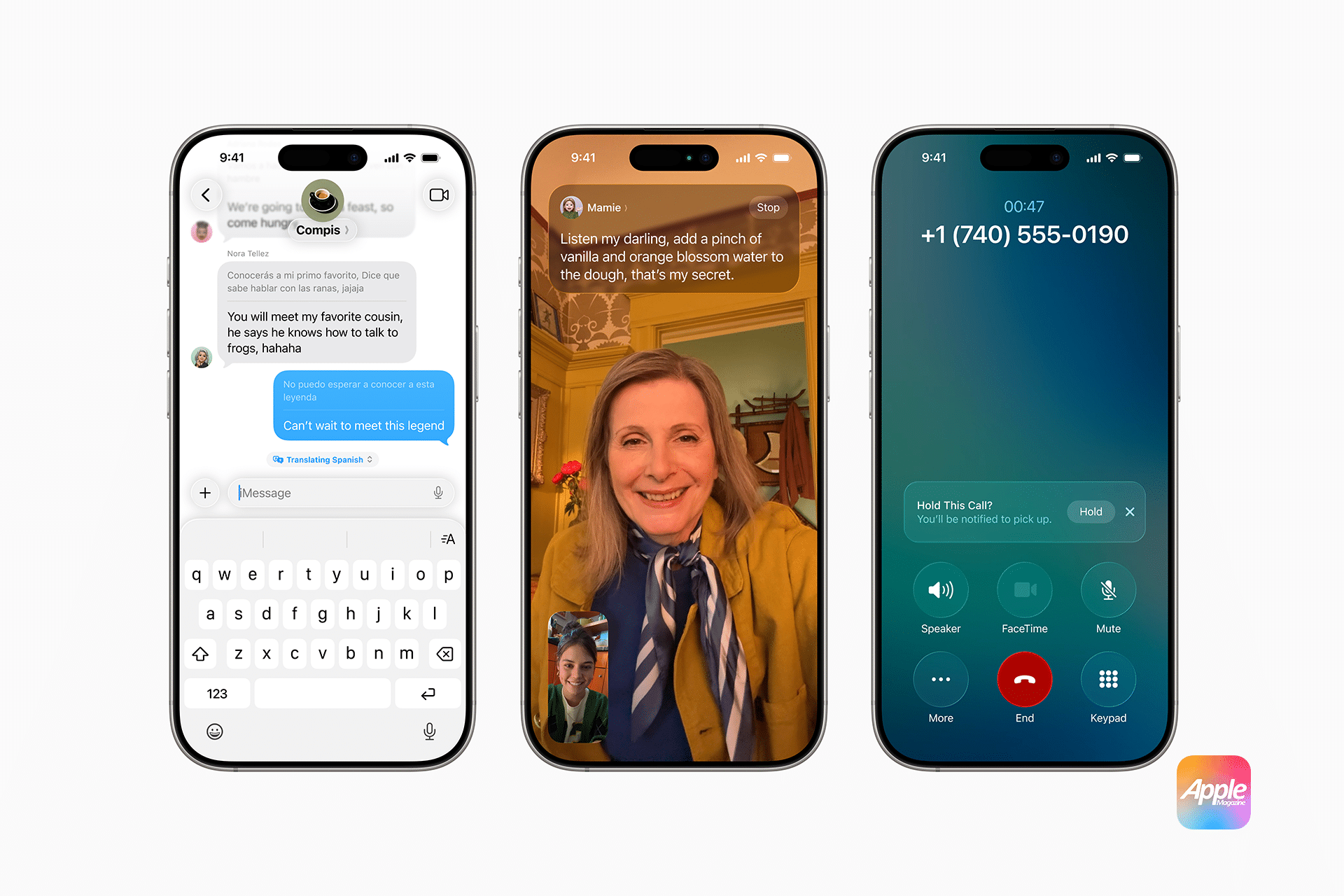
AI in 2026 is expected to follow the same path. Instead of drawing attention to itself, Apple’s AI will surface contextually: summarizing notifications, organizing photos, assisting with writing, improving search, and anticipating actions.
The goal is not to interact with AI, but to benefit from it without friction.
Consistency Across Devices
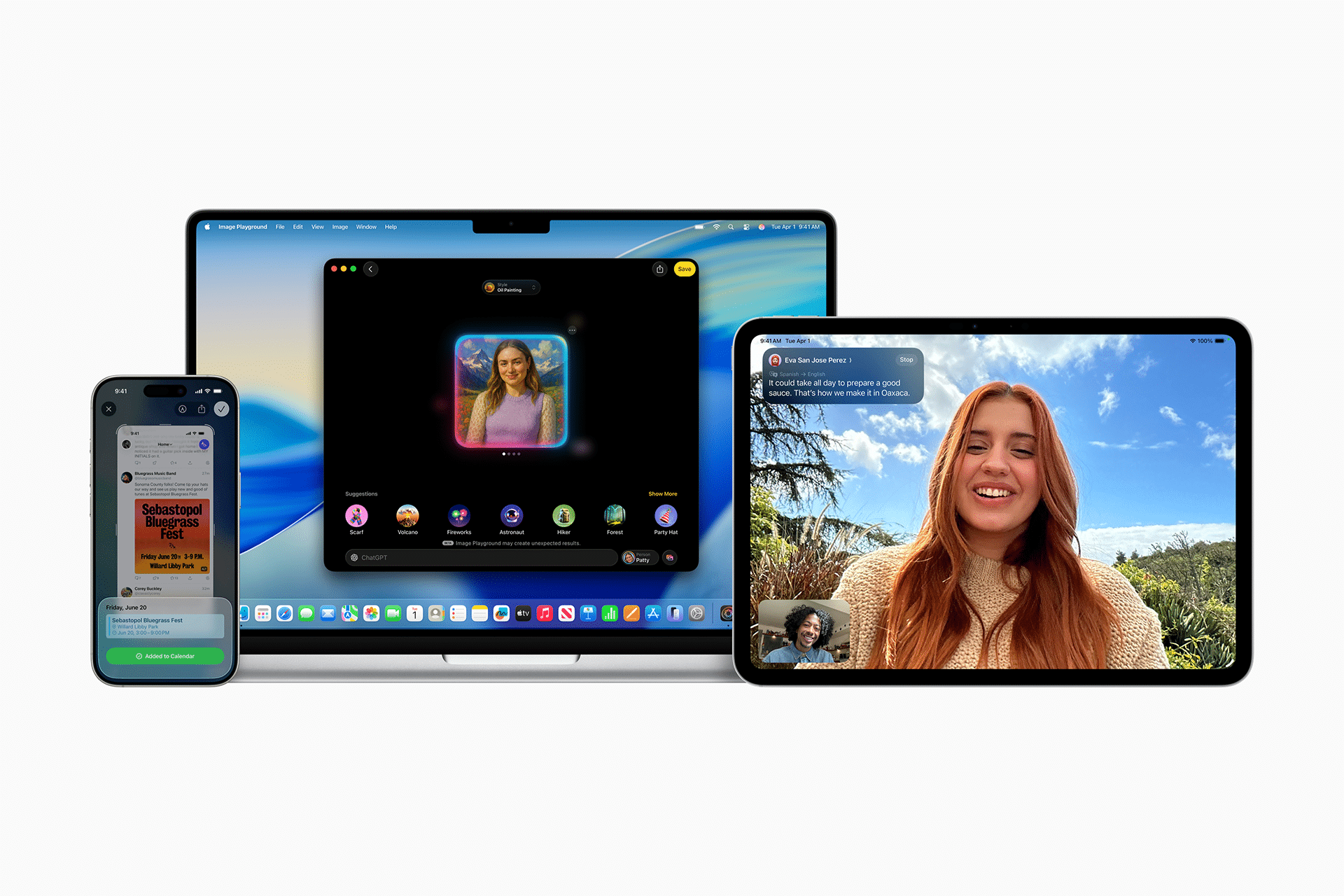
Apple’s ecosystem gives it a unique advantage in AI deployment. The same intelligence can follow users across iPhone, iPad, Mac, Apple Watch, and Apple TV, adapting to screen size and context without relearning behavior.
This consistency reduces cognitive load. Users don’t need to learn new AI tools for each device. The system learns them instead.
By 2026, this cross-device continuity may be one of Apple’s strongest competitive edges.
Developer Tools and Guardrails
Apple’s AI priorities also include how developers interact with intelligence features. Rather than offering unrestricted access to models, Apple is likely to provide structured APIs that emphasize safety, performance, and user consent.
This keeps the ecosystem stable while still allowing innovation. Developers benefit from powerful tools without exposing users to unpredictable behavior.
Order emerges not from limiting creativity, but from guiding it.
Apple’s Role in the AI Era
Apple does not need to dominate the AI headlines to succeed. Its role is to absorb complexity and deliver simplicity. In a world filled with competing models and uncertain outcomes, Apple’s value lies in making AI trustworthy enough to disappear into everyday life.
If the AI landscape feels chaotic today, Apple’s priorities for 2026 point toward consolidation, integration, and calm. Not because Apple is behind, but because it is playing a longer game — one centered on users, not models.


