The idea isn’t about a merger or corporate strategy. It’s about experience. Apple has spent decades building the most cohesive personal computing ecosystem ever created — Macs for creation, iPhones for daily life, iPads for flexibility, Watches for health, and services that quietly connect everything. Tesla, from another direction, reinvented the car as a software platform. Large screen, minimal interface, continuous updates, and a driving experience shaped more by code than mechanical switches.
When people describe Tesla cars as “an iPhone on wheels,” the comparison isn’t accidental. Both companies believe in simplicity first, software first, and removing friction wherever possible. That shared philosophy is what keeps the dream alive.
Why the Apple + Tesla Idea Feels So Natural
Look at how daily life already works. The iPhone opens garage doors, manages calendars, controls home lighting, starts workouts, unlocks hotel rooms, and handles payments. Tesla vehicles already rely heavily on mobile integration — unlocking, remote climate control, charging status, trip planning — all centered around the smartphone. The overlap is obvious.
Imagine the next step: the calendar on your iPhone automatically preparing your car route, charging stops aligning with travel plans, entertainment synced instantly when you sit down, and home automation adjusting lighting and climate when the car approaches the driveway. Nothing flashy. Just continuity.
Apple built its reputation on making complex technology disappear into simple behavior. Tesla built cars that behave more like evolving devices than static machines. Together, the experience would not feel experimental; it would feel expected.

Design Language That Speaks the Same Dialect
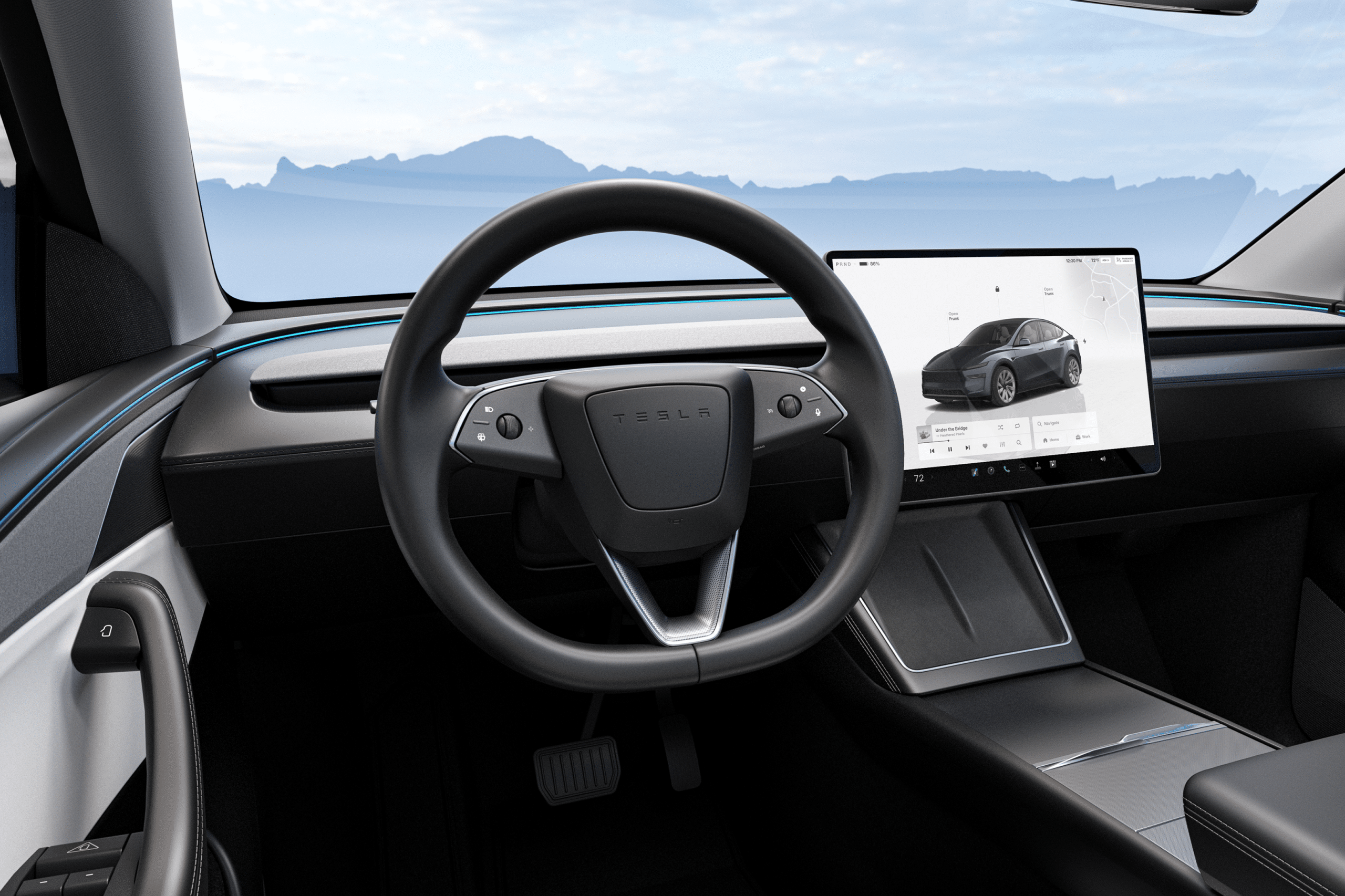
Another reason the pairing resonates is visual and tactile design. Apple devices emphasize minimal surfaces, hidden complexity, and interfaces that rely on gestures instead of buttons. Tesla interiors follow the same direction: fewer controls, more digital interaction, a clean cabin that looks closer to a design studio than a traditional dashboard.
Both companies also treat software updates as part of ownership, not a separate event. A Mac changes capabilities over time. An iPhone gains features years after purchase. Tesla vehicles behave the same way, receiving improvements that alter performance, interface, and functionality overnight.
That alignment creates the sense that the two brands were designed for each other, even if they have never formally collaborated at scale.
The Cultural Side
There is also something cultural behind the fascination. Apple and Tesla are among the few technology companies that people feel emotionally connected to. Not just customers — communities. Owners compare setups, personalize their devices, share tips, and talk about updates the way earlier generations discussed new music releases or movie premieres.
The brands represent different chapters of the same story: the transition from mechanical-cold products to intelligent systems that learn, update, and integrate into everyday life. Apple defined the pocket computer. Tesla defined the software-defined car. Seeing them together feels less like speculation and more like the logical continuation of that trajectory.

A Valentine’s Day Thought
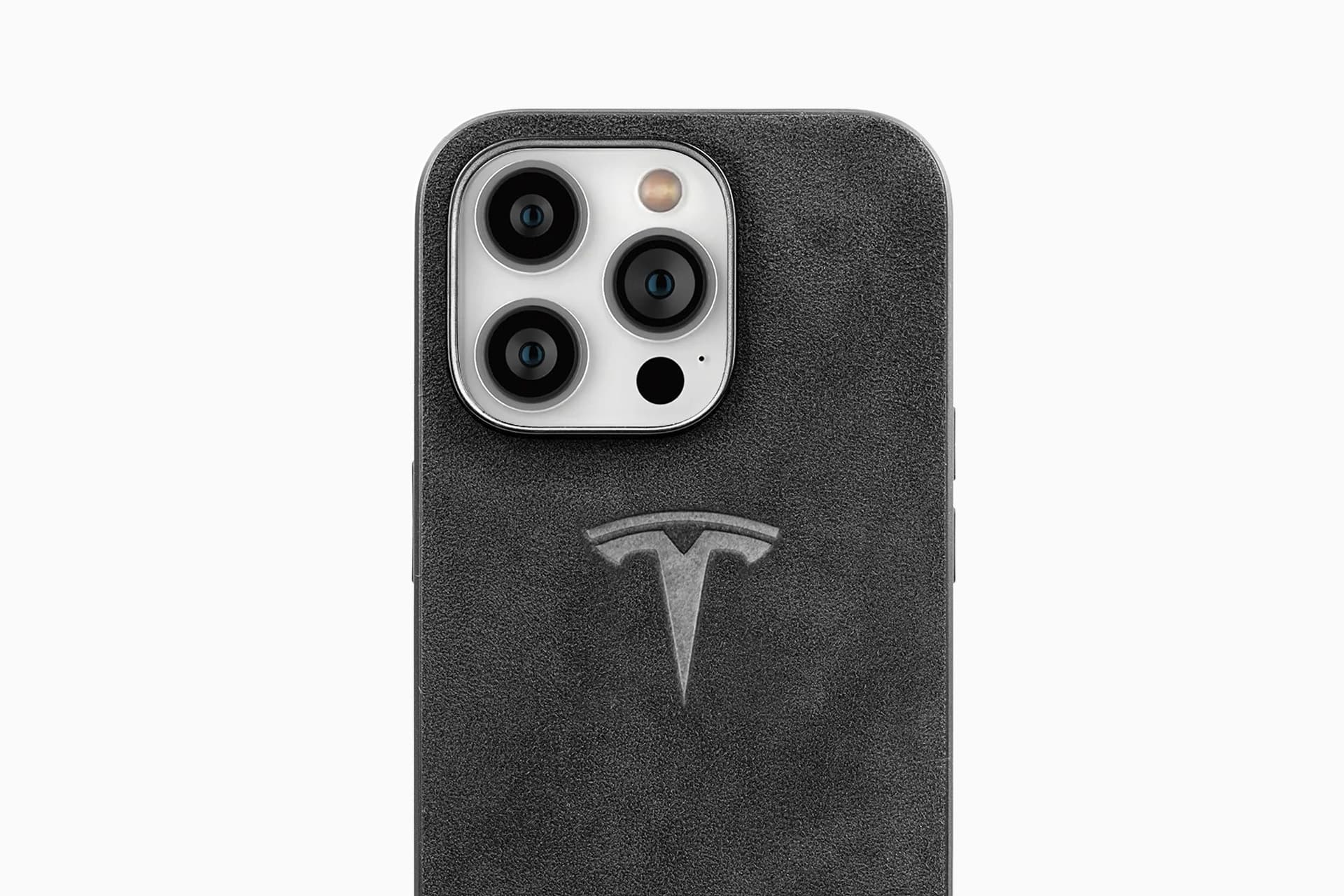
Valentine’s Day often invites playful ideas, and this one fits perfectly. If technology had its own romantic storyline, Apple and Tesla would be the pairing everyone keeps waiting to see — not because it would create something entirely new, but because it would connect pieces that already belong in the same narrative.
Apple shapes the devices carried every hour of the day. Tesla shapes the machine many people spend hours inside. Bringing those worlds closer would feel less like a partnership announcement and more like a missing connection finally clicking into place.
Some ideas don’t fade because they solve a problem. They persist because they simply feel right.