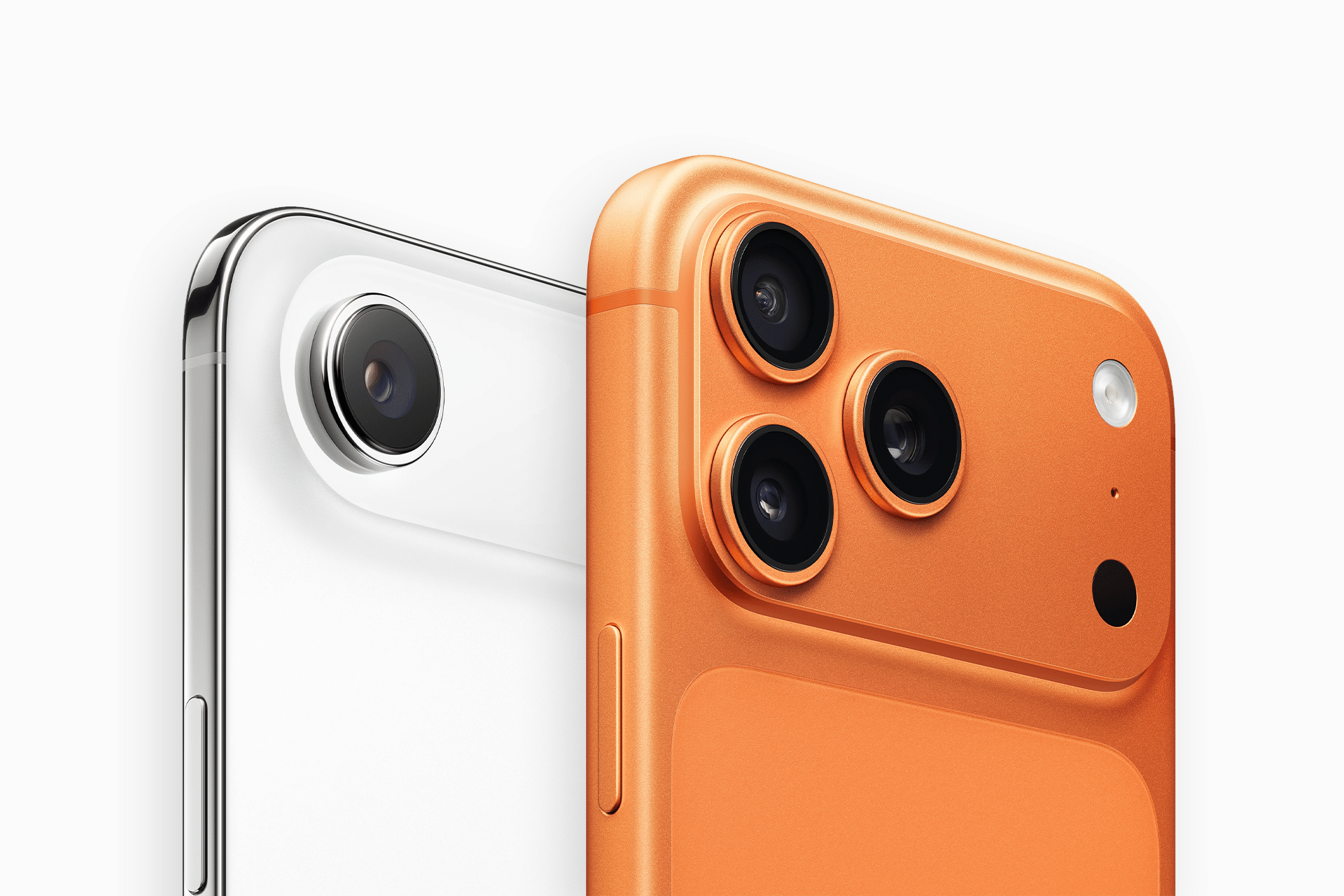
Apple is expected to surpass Samsung in total smartphone shipments, ending Samsung’s fourteen-year run as the global leader. Analysts say this shift reflects the growing dominance of the premium segment, where Apple continues to consolidate its position. With global markets showing mixed recovery patterns, high-end device demand has remained steady, giving Apple a clearer path to the top of the annual rankings.
While overall smartphone shipments worldwide have fluctuated, Apple’s unit performance has remained resilient. Carrier promotions, financing programs and strong customer retention have sustained demand across multiple regions. Industry researchers note that Apple benefits from an upgrade cycle that has lengthened but stabilized, with consumers choosing higher-end devices and remaining within the iOS ecosystem longer than before. These patterns contrast with broader market softness affecting midrange and budget segments where Samsung has traditionally maintained volume strength.
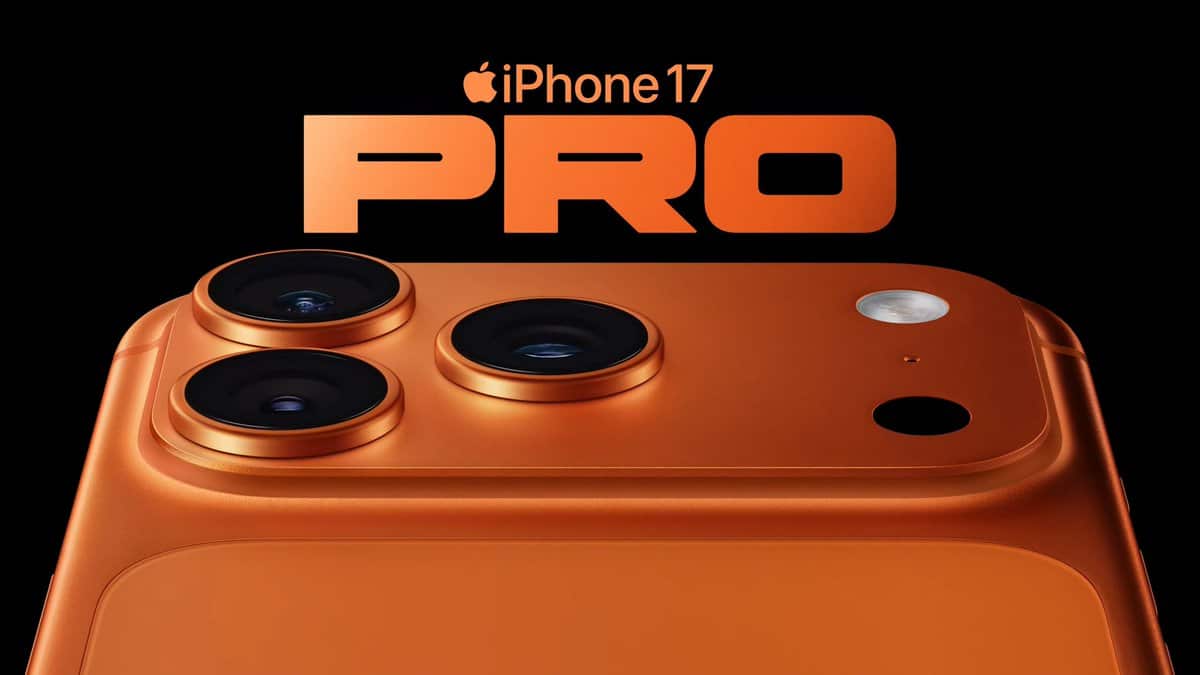
Why Apple Is Closing the Gap
Premium-tier purchases now account for an increasingly large share of industry revenue, and Apple holds the dominant position in that category.
Samsung continues to face pressure in midrange and lower-price markets from competitors offering aggressively priced alternatives.
Apple’s supply chain has maintained steadier performance through recent cycles, allowing it to meet demand without the disruptions seen in previous years.
Analysts add that Apple’s financing and trade-in systems have helped reduce price barriers for consumers upgrading to newer models. These incentives have become more visible across major carriers, strengthening Apple’s presence in mature markets where consumers prefer installment-based purchasing. In contrast, Samsung’s broader portfolio includes several segments facing persistent competitive challenges.
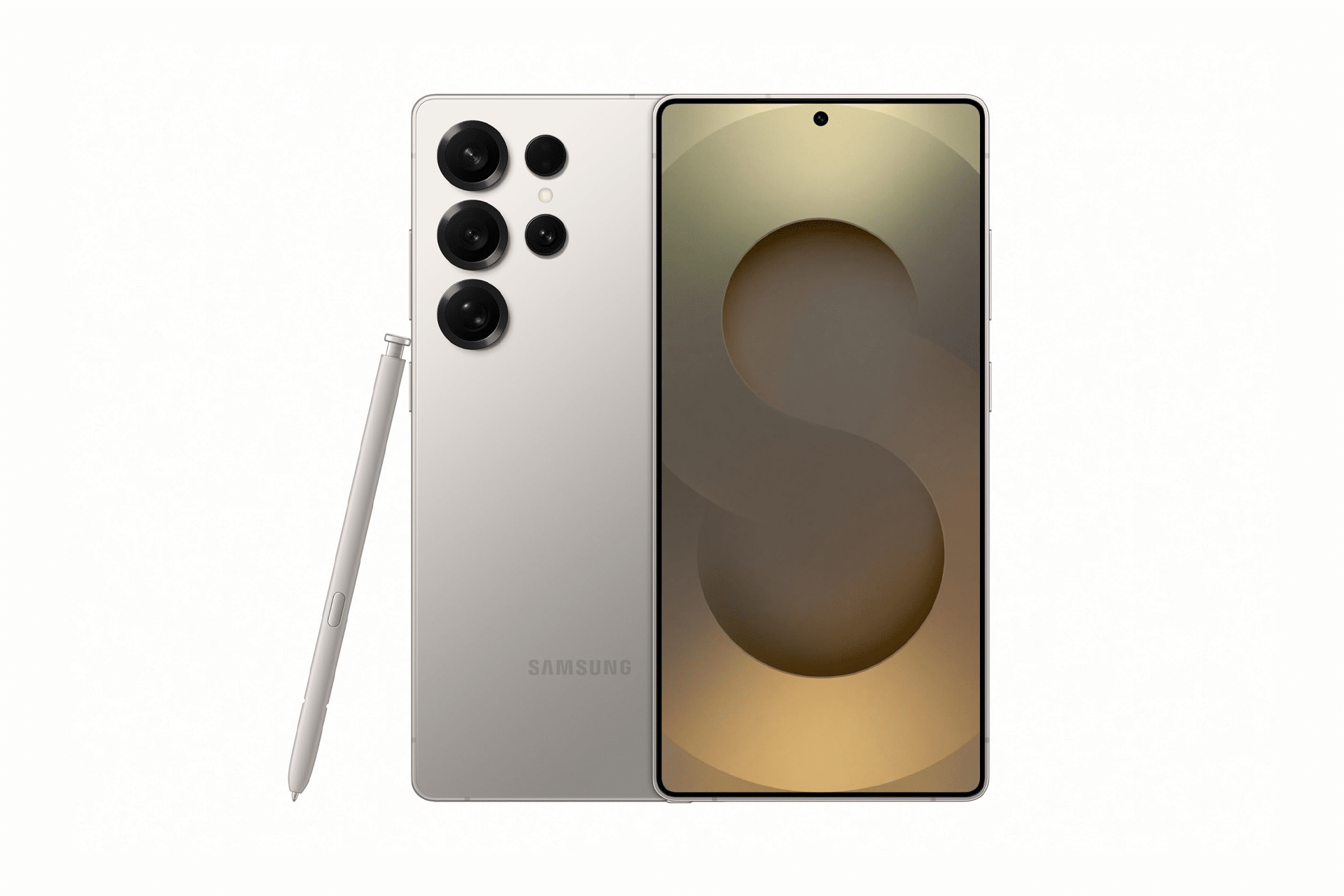
Shifts in Geographic and Segment Performance
Demand patterns vary by region, but strong performance in North America, parts of Europe and East Asia have been central to Apple’s rise. Markets with high carrier-subsidy penetration and strong purchasing power favor the iPhone, reinforcing Apple’s trajectory across premium tiers.
In contrast, Samsung’s position in several emerging markets has been pressured by manufacturers offering similar hardware specifications at lower costs.
Analysts say the shift in global ranking reflects a long-term trend in which premium smartphone sales remain more stable than mass-market volumes.
Sales momentum in the high-end category has helped Apple absorb broader market fluctuations, while Samsung’s strategy spanning multiple price tiers means its total share is more directly affected by declines in entry and midrange demand. As global consumers increasingly prioritize longevity, camera performance and ecosystem value, Apple’s core strengths align with current preferences.

Implications for Both Companies
Gaining the top position in annual shipments would represent a milestone for Apple, signaling how premium devices now drive the global smartphone landscape. The company already leads the industry in revenue and profit share, and surpassing Samsung in unit volume would underline the shift in where global demand is concentrated.
For Samsung, the projected change highlights challenges in defending market share across price tiers. The company maintains strong positions in foldable devices and component innovation, but its broad lineup faces competitive pressure that affects total shipment numbers.
Market observers note that leadership changes in global rankings often reflect deeper structural shifts. In this case, the premium smartphone category has grown more influential, and Apple’s focused strategy has aligned closely with that trajectory. Samsung may respond with adjustments in pricing, product mix or regional positioning to counterbalance these trends.
Even if the final shipment totals fluctuate slightly by year end, analysts widely agree that Apple has reached a point where surpassing Samsung is increasingly likely. As smartphone markets mature, companies built around premium ecosystems appear positioned to shape global leadership more consistently, and Apple’s momentum reflects that wider evolution.