


Apple Arcade is adding nine more games across June and July, giving subscribers a new mix of arcade-style sports, trivia, virtual pet care, business simulation, solitaire, roguelike strategy, fishing adventure, city-building, and drawing challenges.
The latest update starts with four games available now: Mini Football Legends, My Talking Tom 2+, Coffee Inc 2+, and FreeCell Solitaire: Card Game+. Family Feud Pocket joins the service on June 30, followed by Dungeon Clawler+, Creatures of the Deep+, Pocket City 2+, and Draw It+ on July 2.
The additions continue Apple Arcade’s familiar strategy: new originals, App Store favorites, and “+” editions that remove ads and in-app purchases from popular mobile games. The service now offers more than 200 games across Apple devices, with one subscription giving access to the full catalog for up to six people through Family Sharing.

Apple Arcade Games Add Sports, Trivia, and Simulators
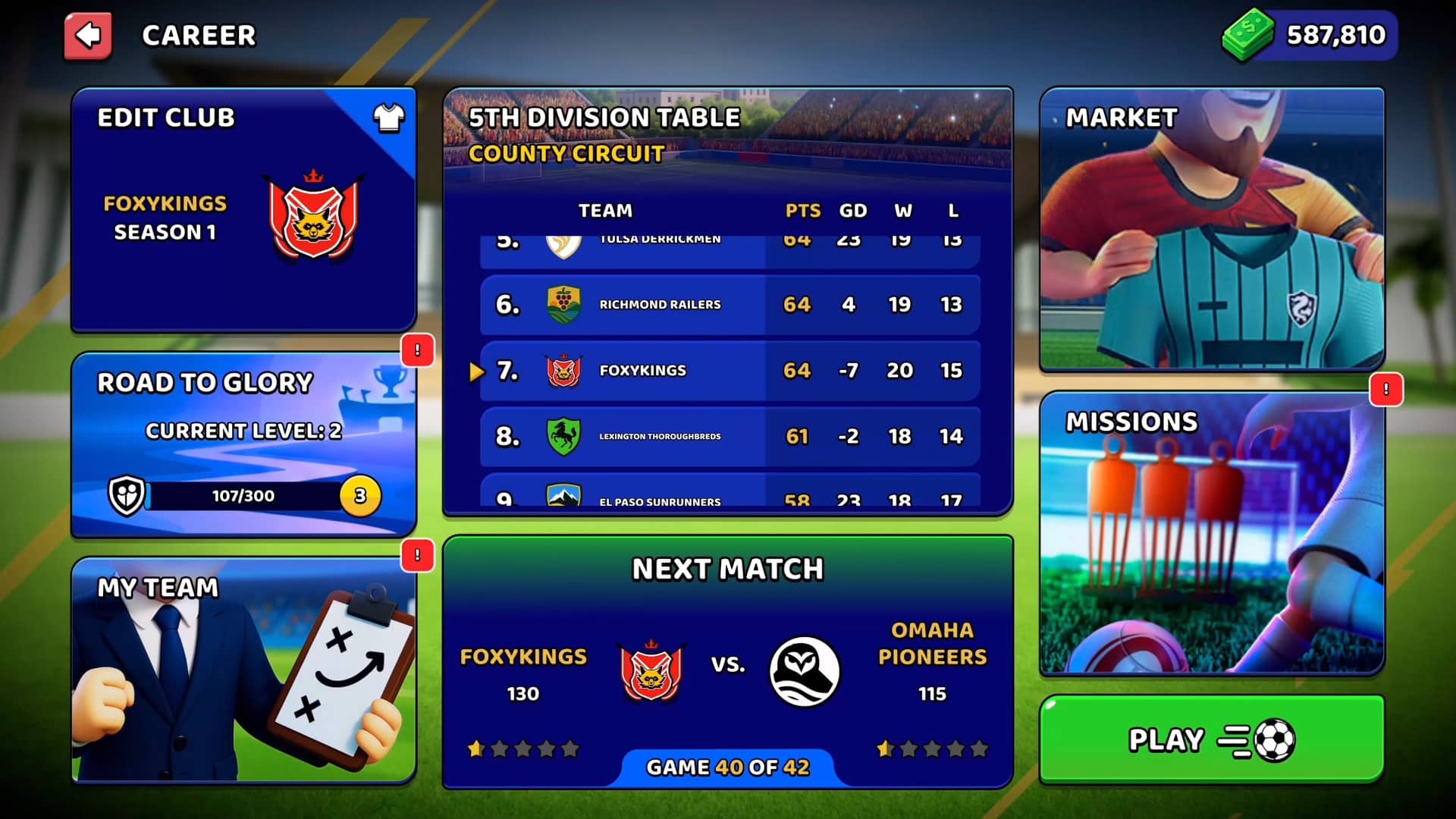
Mini Football Legends is the headline arrival for players looking for a fast, arcade-style soccer experience. The game lets players chase championship wins through solo tournaments, local co-op, and multiplayer matches. Its tone is built around quick competition rather than a full sports simulation, making it a better fit for Apple Arcade’s pick-up-and-play audience.
Family Feud Pocket brings the long-running game show format to Apple Arcade on June 30. Hosted by Steve Harvey, the game includes the classic answer-guessing format, daily challenges, exclusive questions, and local or online multiplayer. That gives Arcade another familiar social title designed for short sessions at home or on the go.
My Talking Tom 2+ adds a virtual pet experience to the service, with players caring for Tom, customizing his world, playing minigames, and building a lighter routine around the character. Coffee Inc 2+ moves in a different direction, letting players build a coffee business from the ground up and expand into a larger company through management and strategy decisions.
FreeCell Solitaire: Card Game+ rounds out the first wave with a familiar card game built for quick daily play. Solitaire games have remained a natural fit for subscription catalogs because they are easy to return to, do not require a long learning curve, and work well across iPhone and iPad.


July Adds Four App Store Favorites
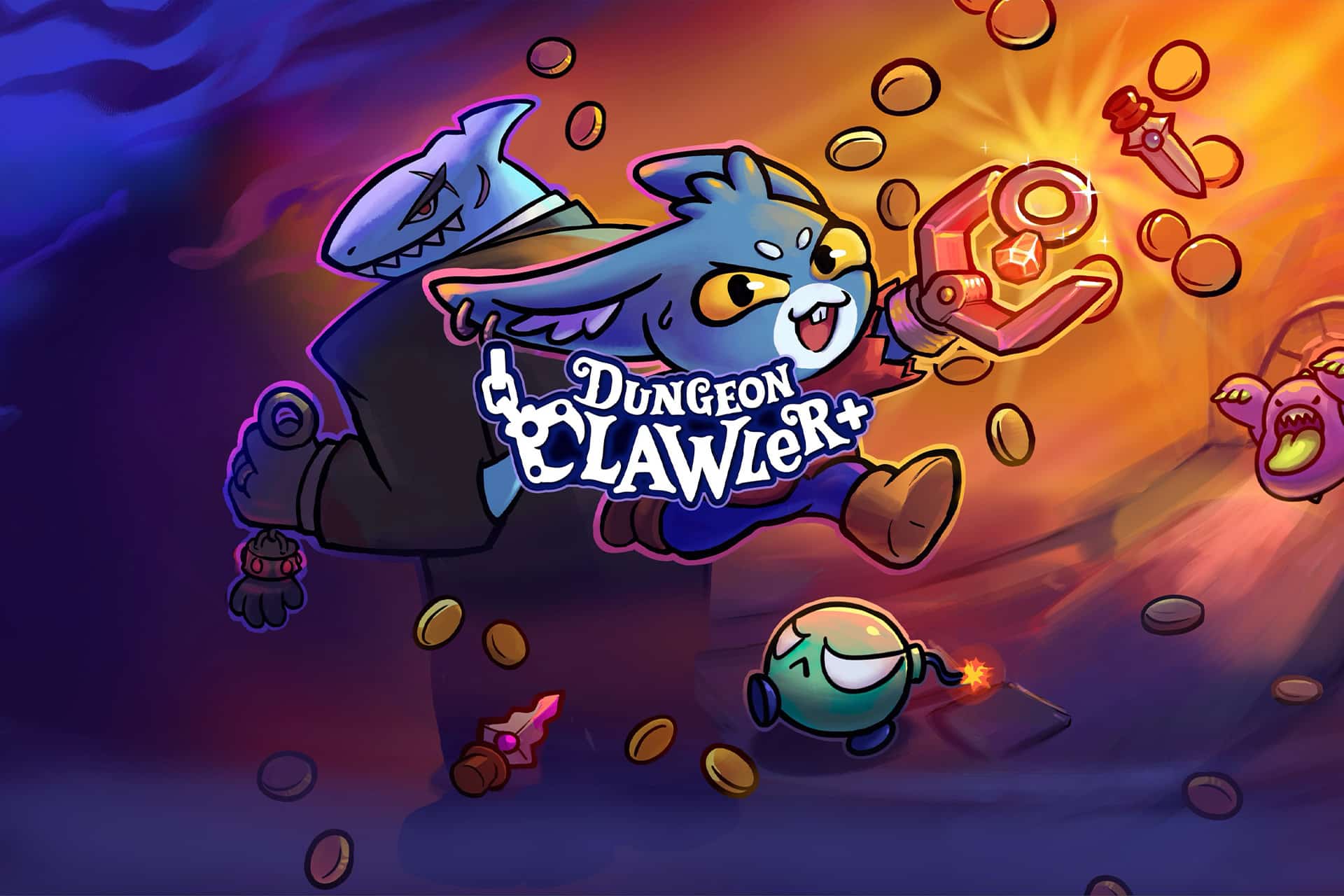
Apple Arcade’s July 2 additions focus on App Store hits arriving without ads or in-app purchases. Dungeon Clawler+ combines roguelike deckbuilding with an arcade claw machine, giving players a mix of strategy and chance. The concept stands out because it turns a familiar physical machine into a tactical game loop, where what players grab can shape the next move.
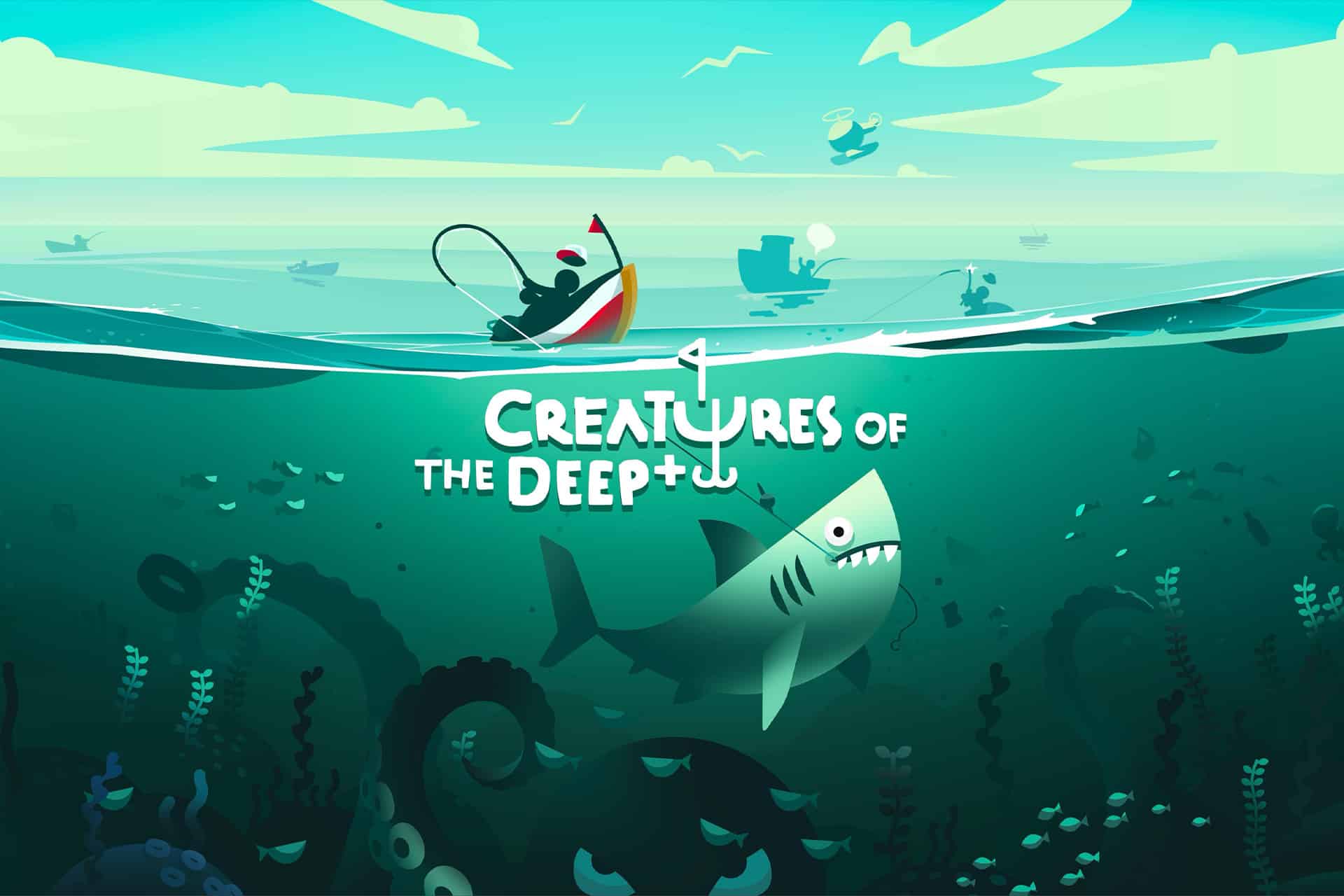
Creatures of the Deep+ brings a single-player fishing adventure built around mystery, exploration, legendary creatures, and hidden treasures. It gives the service a slower, more relaxed option for players who prefer discovery over fast action.
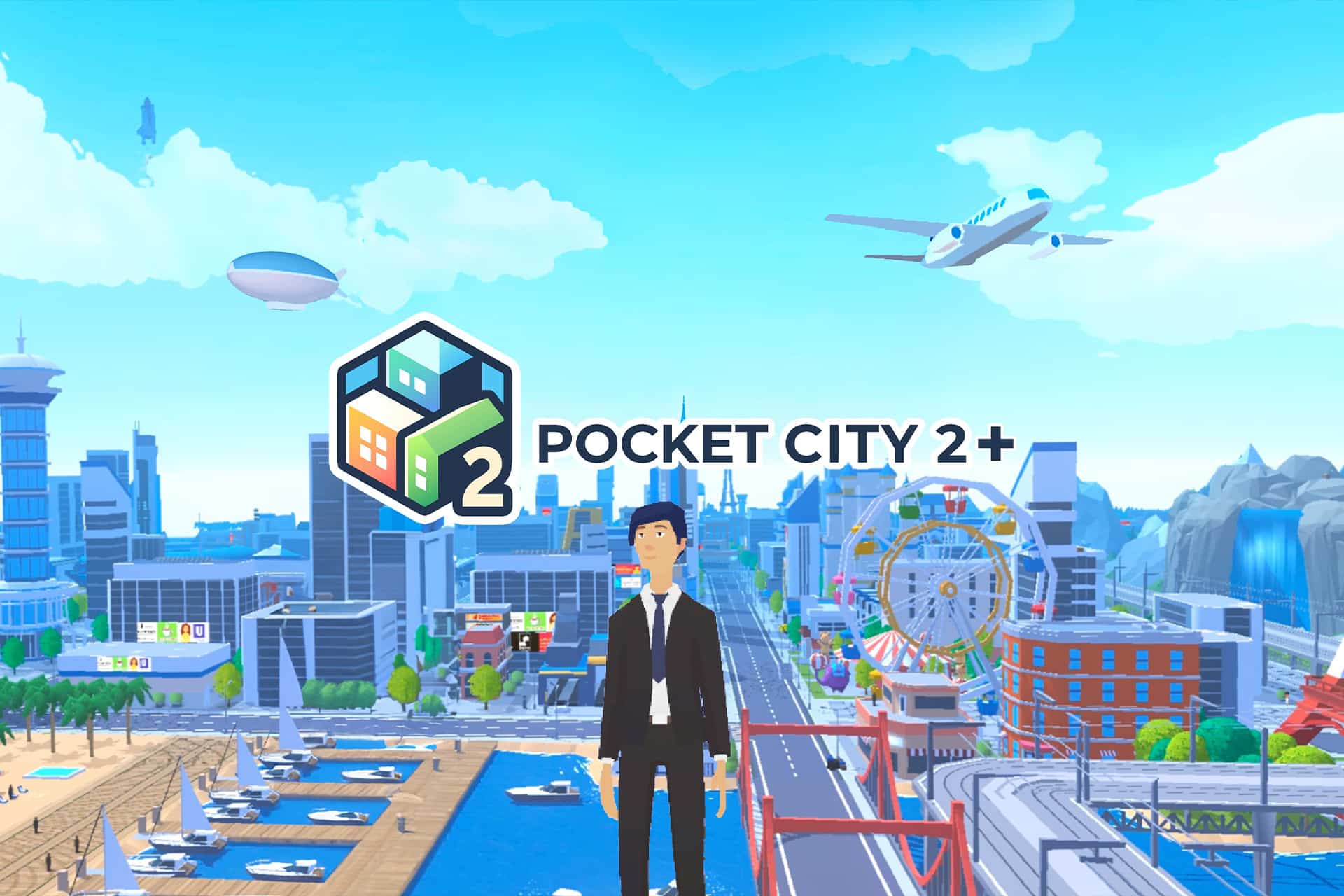
Pocket City 2+ adds a city-building experience where players can construct a full metropolis and then explore it from inside the world. That makes it more personal than a flat management game, giving players a stronger connection to the city they build.
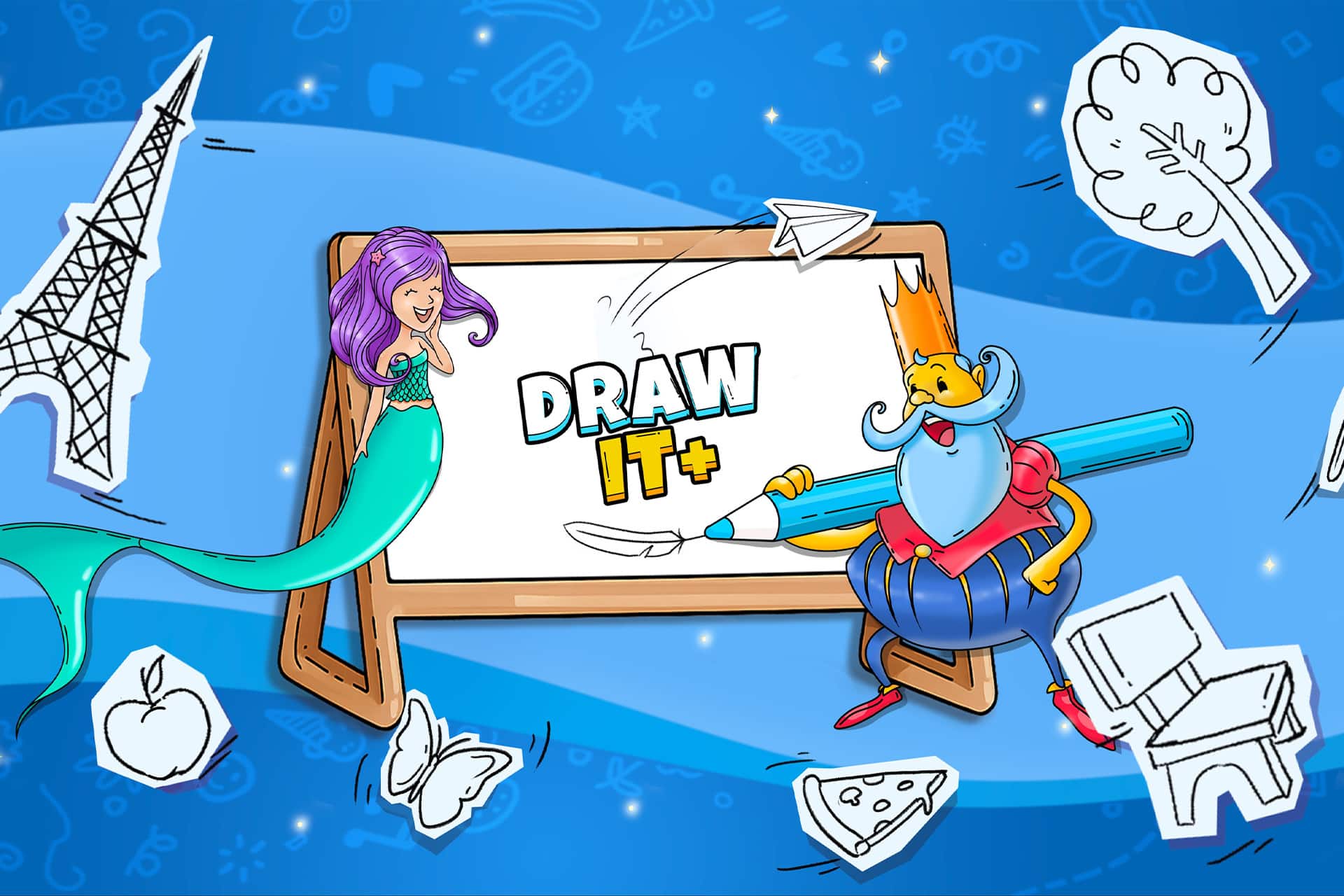
Draw It+ brings a fast sketching challenge to the lineup, asking players to draw prompts quickly and score points before time runs out. It is the kind of game that works well in short bursts, especially on iPad with Apple Pencil or on iPhone with touch controls.
Together, the July additions strengthen the service’s variety. Apple Arcade is not chasing only one kind of player. It is adding games for short sessions, longer strategy play, casual drawing, city-building, fishing, and puzzle-like roguelike runs.
The No-Ads Model Still Defines Apple Arcade
Apple Arcade’s clearest advantage remains its no-ads and no-in-app-purchases structure. That matters most with mobile games, where many popular titles are built around interruptions, energy systems, paid currency, rewards, and recurring prompts to spend more.
The “+” versions of App Store games give Apple a way to bring familiar hits into a cleaner environment. Players can get the core game experience without ads or the same pressure to buy extra items. For parents, shared households, and casual players, that can make Arcade feel more controlled than many free-to-play games.
That model also helps explain why Apple Arcade keeps adding recognizable titles. A game like My Talking Tom 2 or Family Feud already has a clear audience. The Arcade version gives subscribers a way to play inside Apple’s subscription environment without the normal monetization layers.
The trade-off is that Apple Arcade still needs a steady flow of new games to stay valuable. Unlike Apple Music or iCloud+, a game subscription depends heavily on freshness. Users need new titles, returning favorites, and enough variety to justify keeping the subscription active. June and July’s additions give Apple another small but useful refresh.
Works Across Apple Devices
Apple says Arcade Originals are playable across iPhone, iPad, Mac, Apple TV, and Apple Vision Pro, while App Store Greats are available on iPhone, iPad, and Apple Vision Pro. Compatibility can vary by game, hardware, and software version, but the cross-device structure remains one of Arcade’s strongest features.
A game started on iPhone can often continue on iPad. Apple TV turns compatible games into living-room experiences with controller support where available. Mac gives some titles a larger screen and keyboard or controller input. Apple Vision Pro adds another device category for supported games, though the Arcade experience there is still more limited and depends on each title.
This cross-device access helps Apple Arcade feel more connected to the ecosystem than a normal mobile game library. It is not only a folder of iPhone games. It is a subscription that can follow users across several Apple screens.
The Family Sharing angle is also important. One Apple Arcade subscription can be shared with up to six family members, making it easier to justify for households with multiple iPhones, iPads, Macs, or Apple TVs. Each person can play from their own Apple Account without mixing progress or preferences.
Apple Arcade and Apple One
Apple Arcade is available for $6.99 per month in the U.S. with a one-month free trial. Customers who buy a new iPhone, iPad, Mac, or Apple TV can receive three months free for a limited time, subject to Apple’s offer terms.
The service is also part of Apple One, which bundles several Apple subscriptions together. In the U.S., Apple One Individual costs $19.95 per month, Family costs $25.95 per month, and Premier costs $37.95 per month. For users already paying for iCloud+, Apple Music, Apple TV, or other Apple services, Arcade may be easier to keep as part of a bundle than as a standalone subscription.
That is where Apple Arcade fits into Apple’s broader services strategy. It may not be the largest subscription in the company’s lineup, but it adds another reason for users to stay inside Apple One. It also gives Apple a gaming product that does not depend on selling high-end console hardware or competing directly with massive AAA platforms.
The latest batch of games reinforces that middle position. Apple Arcade is not trying to be only a premium console-style service or only a casual mobile catalog. It is trying to offer a clean, curated gaming library for users who want variety without ads, in-app purchases, or complicated payment systems.
A Broader Summer Lineup for Arcade
The June and July additions give Apple Arcade a broader summer lineup with something for different play styles. Mini Football Legends serves sports fans. Family Feud Pocket gives groups a familiar trivia format. My Talking Tom 2+ and FreeCell Solitaire: Card Game+ cover casual daily play. Coffee Inc 2+ and Pocket City 2+ bring management and building. Dungeon Clawler+ adds strategy. Creatures of the Deep+ adds exploration. Draw It+ gives the catalog a creative party-game feel.
That variety is important because Arcade works best when subscribers can open the app and find something for a quick five-minute session or a longer night of play. Apple’s catalog has grown through small, steady additions rather than giant monthly waves, and this update follows that pattern.
For users already subscribed, the new titles make the service feel more active. For users considering the free trial, the update offers several recognizable names and approachable genres. For Apple, it keeps Arcade tied to the larger services ecosystem, where games sit beside music, streaming, fitness, news, cloud storage, and family sharing.
Apple Arcade’s latest update does not depend on one blockbuster game. It depends on range. With nine more titles arriving across June and July, the service keeps building a catalog designed for casual players, families, strategy fans, sports players, and anyone who wants mobile games without the usual free-to-play friction.