

Apple ARM architecture sits at the core of Apple Silicon strategy. By licensing the ARM instruction set architecture rather than buying off-the-shelf processor cores, Apple gained the freedom to design its own custom CPUs while maintaining compatibility with the ARM ecosystem. This decision shaped the performance and efficiency profile of devices across the iPhone, iPad, and eventually the Mac.
Instead of manufacturing generic ARM processors, Apple designs its own microarchitecture that implements the ARM instruction set. That distinction matters. Licensing the ARM ISA allows Apple to build proprietary cores optimized for its own hardware and software stack while remaining compatible with ARM-based tools and compilers.
From A Series to M Series
Apple ARM architecture first gained attention with the A series chips powering iPhone and iPad. Over successive generations, Apple refined its CPU core designs, introducing high-performance and high-efficiency cores in a heterogeneous configuration. This approach balanced demanding tasks with battery-conscious operation.
The transition to Mac with the M series expanded that architecture into desktop and laptop environments. By bringing ARM-based design principles into Mac hardware, Apple moved away from x86 processors and toward a vertically integrated model.
The M series chips build on lessons learned from mobile processors. High-performance cores handle intensive workloads such as video editing or software compilation, while efficiency cores manage background tasks and lighter activity. This division allows sustained performance without excessive heat or power consumption.

ARM Licensing and Custom Microarchitecture
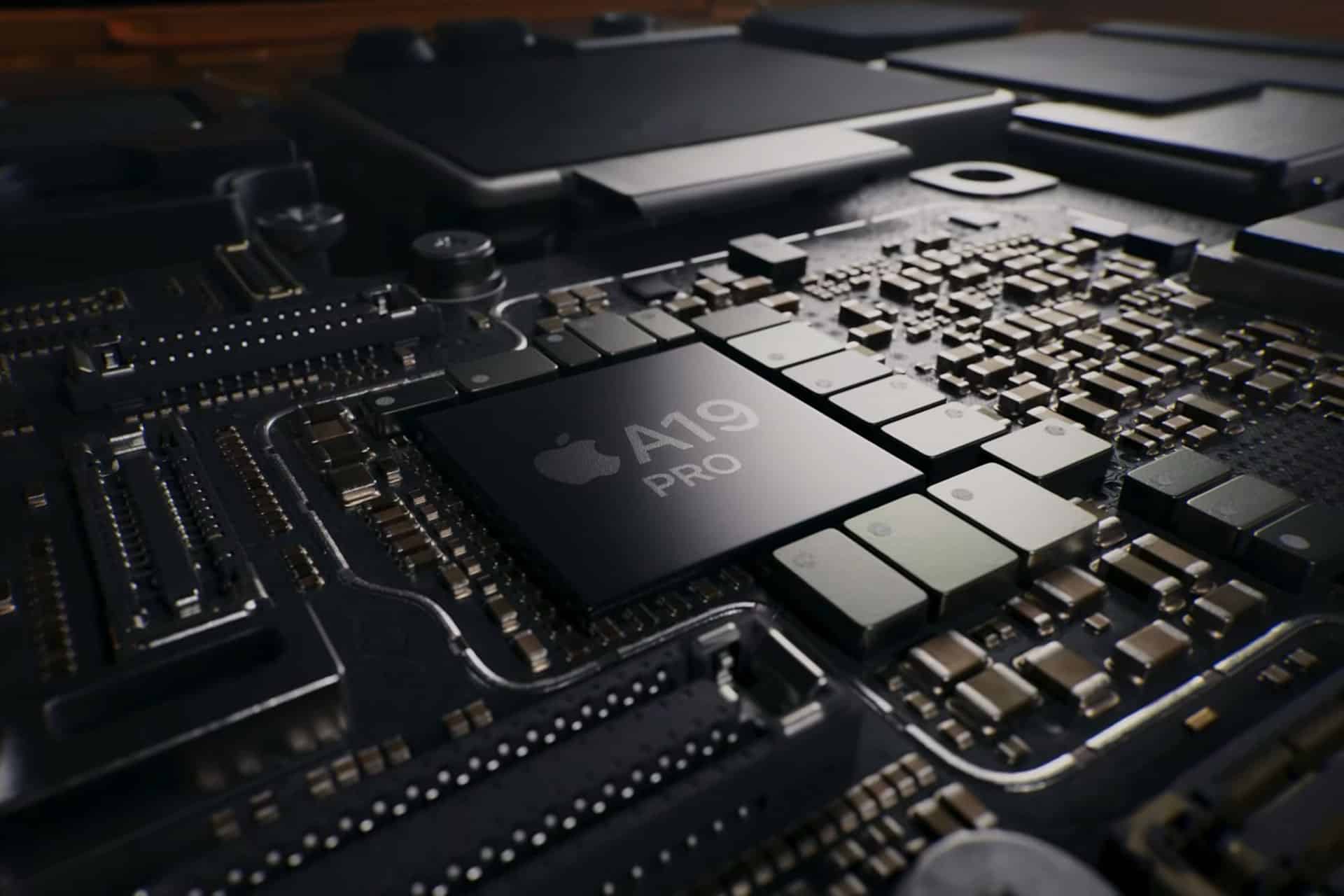
Apple ARM architecture relies on ARM’s licensing model. ARM provides the instruction set architecture, defining how software communicates with hardware at a low level. Apple then designs custom cores that execute those instructions.
This approach differs from companies that license ARM’s pre-designed cores. By creating its own CPU cores, Apple optimizes for specific workloads tied to macOS, iOS, and iPadOS. Hardware and software development occur in parallel, enabling deeper system-level integration.
The result is tight coordination between operating systems and silicon. macOS and iOS can schedule tasks in ways that align precisely with the performance and efficiency core structure. Unified memory architecture further strengthens that integration, allowing CPU, GPU, and Neural Engine to share high-bandwidth memory pools.
Performance per Watt Advantage
One of the defining characteristics of Apple ARM architecture is performance per watt. ARM-based designs historically emphasized energy efficiency, particularly in mobile devices. Apple extended that efficiency while increasing raw performance.
The shift to Apple Silicon in Mac notebooks demonstrated how ARM architecture could deliver desktop-class performance without traditional cooling demands associated with x86 processors. Fanless MacBook Air models illustrate how Apple balances sustained speed with low power draw.
This efficiency impacts battery life directly. Longer battery endurance in laptops and mobile devices reflects architectural decisions made at the silicon level. Apple ARM architecture allows high burst performance when required while scaling down intelligently during lighter tasks.
System-on-a-Chip Integration
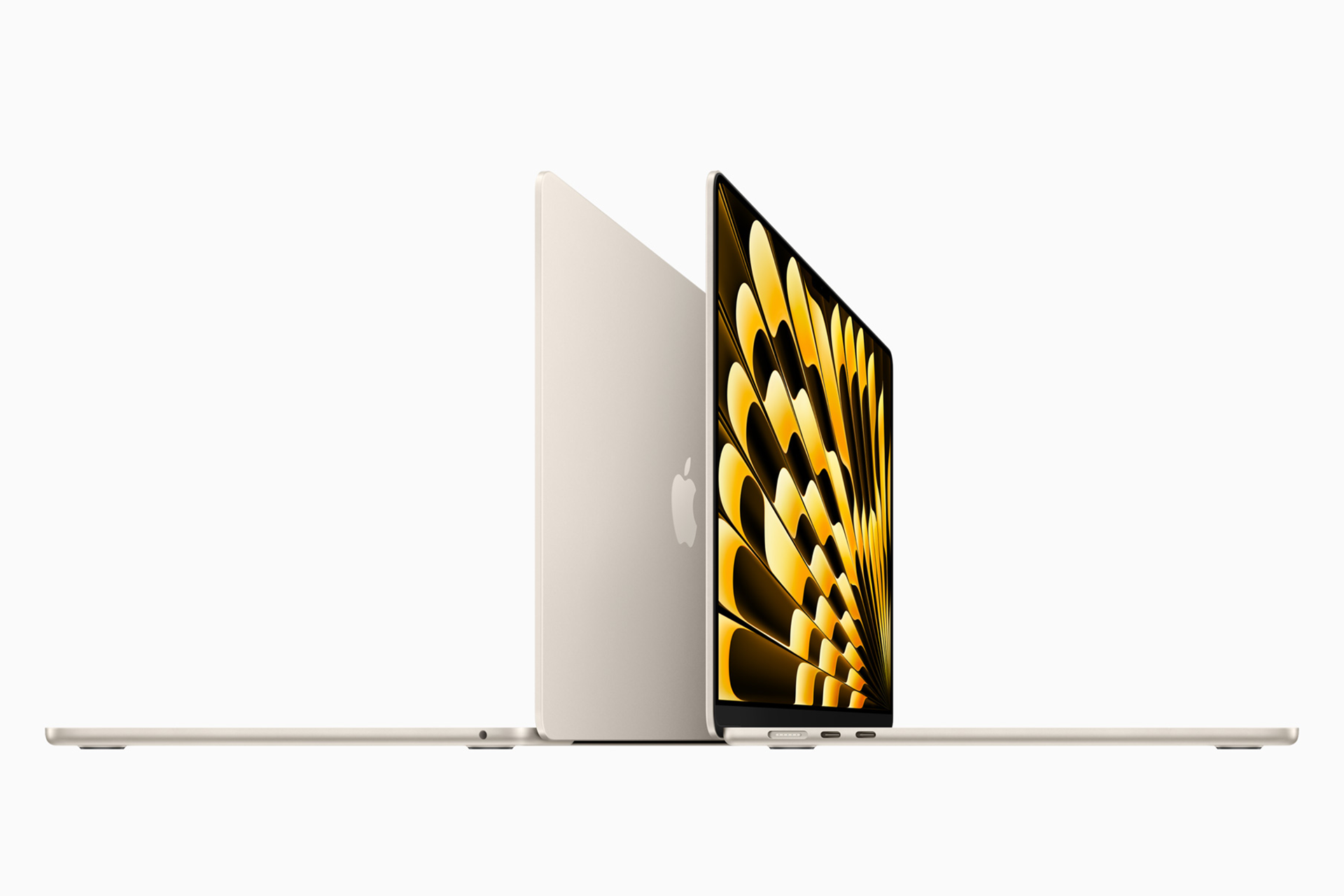
Apple ARM architecture also enables deep system-on-a-chip integration. Rather than separate CPU, GPU, memory controller, and neural processing units, Apple Silicon combines these components into a unified package.
The Neural Engine accelerates machine learning tasks, from image processing to speech recognition. The GPU cores integrate closely with the CPU for graphics workloads. Shared memory eliminates redundant data transfers, improving throughput and reducing latency.
This architecture simplifies board design and reduces physical footprint. Compact integration supports thinner devices while maintaining computational power.
Software Optimization and Developer Transition
When Apple transitioned Mac to ARM architecture, developers adapted applications using Universal binaries and translation layers. Rosetta 2 translated x86 applications for compatibility during the transition period, smoothing migration without immediate ecosystem disruption.
Over time, more applications became native to Apple ARM architecture. Native software leverages the full performance characteristics of the custom cores and unified memory structure.
Xcode and development tools integrate directly with ARM-based compilation targets, enabling developers to optimize code paths for Apple Silicon.

Strategic Control and Long-Term Direction
Apple ARM architecture provides long-term strategic flexibility. By controlling chip design, Apple sets its own release cadence independent of external CPU vendors. Annual silicon updates align with product refresh cycles across multiple categories.
ARM licensing shaped this trajectory by offering foundational compatibility while granting architectural freedom. Apple Silicon reflects that combination: standardized instruction set with proprietary execution design.
Across performance gains, energy efficiency, and system integration, Apple ARM architecture continues guiding how Apple devices balance power, thermal design, and user experience.