

Apple battery innovation rarely arrives with dramatic headlines. It appears gradually — longer screen time on a thinner iPhone, a MacBook that runs through a full workday without charging, an iPad that handles video playback for hours beyond expectations.
Behind those everyday improvements is a layered research effort spanning battery chemistry, power management architecture, and silicon efficiency.
The distance between laboratory research and the device in someone’s hand can stretch years, sometimes longer. But the trajectory is visible.
From Chemistry to Architecture
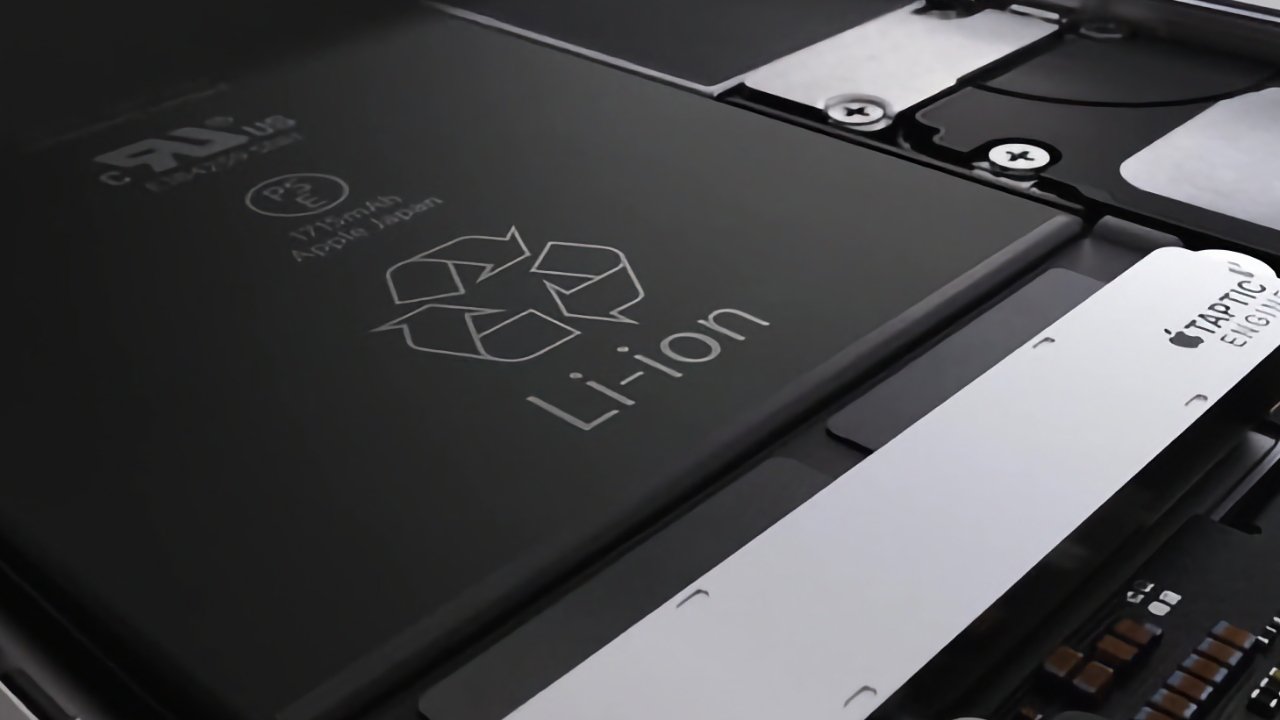
Lithium-ion remains the foundation of today’s Apple batteries. Within that framework, incremental material improvements continue.
One of the most discussed developments in battery research globally involves silicon-enhanced anodes. Traditional lithium-ion batteries use graphite in the anode. Silicon has the potential to store significantly more lithium ions, increasing energy density. The challenge lies in silicon’s expansion during charging cycles, which can degrade the structure over time.
Apple battery innovation in this area is less about replacing lithium-ion overnight and more about gradually integrating higher silicon content while maintaining structural stability. Improvements in material engineering and bonding techniques aim to increase energy density without sacrificing longevity.
Energy density matters because it determines how much power fits into a given volume. For devices like iPhone and Apple Watch, space is fixed. Gains in density translate directly into longer battery life or slimmer hardware.

Solid-State Aspirations
Solid-state battery research remains one of the most anticipated shifts in consumer electronics. Solid electrolytes promise improved safety, higher energy density, and potentially faster charging speeds.
While solid-state batteries are not yet ready for large-scale consumer device deployment, research and patent activity across the industry continues. For Apple battery innovation, solid-state concepts represent a long-term horizon rather than an immediate product cycle change.
The transition requires overcoming manufacturing complexity, material durability concerns, and cost scalability. When these hurdles align, solid-state integration could redefine charging intervals and thermal behavior in mobile devices.
Power Efficiency as Battery Innovation
Battery innovation is not limited to chemistry. Apple silicon plays an equally important role.
The shift to custom-designed chips allowed Apple to control performance-per-watt more tightly. Efficiency gains in processors reduce power draw, effectively extending battery life without increasing battery size.
An M-series MacBook delivering extended runtime is not only the result of a larger battery. It reflects reduced energy waste in CPU, GPU, and memory operations.
Similarly, iPhone gains in standby endurance often result from background task optimization and Neural Engine efficiency improvements.
In practice, Apple battery innovation is the intersection of chemistry and architecture.
Charging Evolution
Charging speeds and management systems continue to evolve. Fast charging is balanced against battery health preservation. Thermal regulation algorithms control charging rates to minimize stress.
Optimized charging systems learn user behavior patterns to reduce time spent at full charge, limiting chemical aging.
Long-term durability increasingly factors into innovation. Rather than focusing solely on peak charging speed, Apple emphasizes maintaining cycle life across years of daily use.


Sustainability and Material Strategy
Battery research also intersects with sustainability goals. Apple has expanded the use of recycled materials in various components and aims to reduce reliance on newly mined resources.
Cobalt sourcing transparency and recycling initiatives form part of that strategy. While lithium-ion remains central today, material efficiency and responsible sourcing shape the long-term roadmap.
Energy storage innovation also connects to carbon neutrality objectives across manufacturing and supply chain operations.
What Future Devices May Reflect
Future iPhones may see incremental increases in energy density paired with thinner enclosures. iPads could extend productivity sessions further without weight increases. MacBooks may push multi-day endurance for lighter workloads.
Breakthroughs rarely arrive as abrupt generational leaps. They appear as cumulative gains: an extra hour here, reduced thermal output there, sustained capacity retention after years of charging.
Apple battery innovation is measured less by dramatic change and more by consistent refinement.
From laboratory material testing to chip-level energy management, battery evolution remains one of the most quietly transformative areas of device development.
The devices in hand today reflect research conducted years prior. The next wave of improvements is already underway — shaped by material science, semiconductor efficiency, and the steady pursuit of longer-lasting performance.