

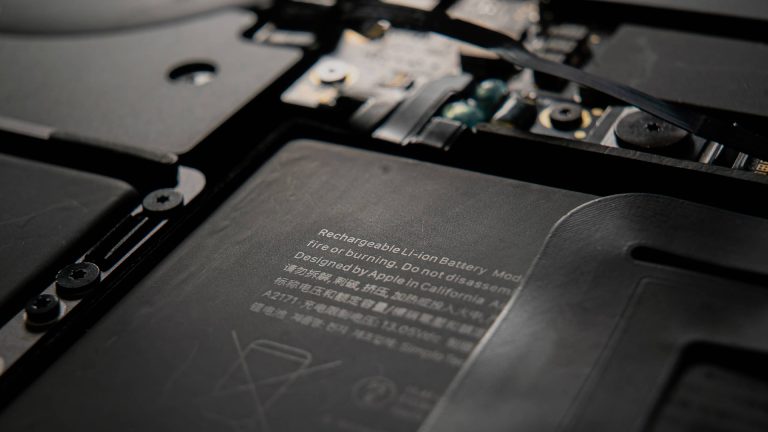
https://applemagazine.com/iphone-18-battery/Apple battery suppliers operate across Asia, Europe, and North America, providing lithium-ion cells and battery modules that meet Apple’s strict specifications for energy density, safety, and longevity. While Apple designs its hardware and tightly defines performance standards, it relies on specialized battery manufacturers for large-scale production.
The supply chain reflects a balance between geographic diversification, chemistry innovation, and long-term procurement contracts that stabilize costs across product cycles.
Major Lithium-Ion Battery Manufacturers
Apple battery suppliers include several well-established electronics component manufacturers.
TDK Corporation, through its subsidiary Amperex Technology Limited (ATL), is widely recognized as a primary supplier of lithium-ion cells for iPhone and other portable devices. ATL specializes in high-density pouch-cell batteries suited for slim mobile form factors.
Sunwoda Electronic Co., based in China, has also supplied battery modules for iPhone models in recent years. The company focuses on battery pack assembly and system integration.
Desay Battery, another Chinese manufacturer, participates in module-level assembly, packaging lithium-ion cells into ready-to-install units for Apple devices.
LG Energy Solution and Samsung SDI have historically supplied lithium-ion battery cells for various Apple products, particularly in larger form factors or regional diversification strategies.
Murata Manufacturing, through its acquisition of Sony’s battery business, produces lithium-ion cells that have been associated with Apple devices in prior production cycles.
Apple battery suppliers are not publicly confirmed for every product generation, as Apple does not disclose supplier allocations per model. However, regulatory filings, supply chain reports, and corporate disclosures indicate recurring partnerships with these firms.


Geographic Distribution and Production Scale
Apple battery suppliers are primarily concentrated in East Asia, reflecting the broader electronics manufacturing ecosystem.
China remains a central hub for battery module assembly due to established logistics infrastructure and proximity to final device assembly partners such as Foxconn and Pegatron.
Japan and South Korea contribute cell manufacturing expertise through companies like TDK, Murata, LG Energy Solution, and Samsung SDI.
India and Vietnam have gradually expanded roles in broader Apple device assembly, though lithium-ion cell production remains heavily concentrated in China, Japan, and South Korea.
Diversification efforts aim to reduce supply chain risk while maintaining quality standards.
Chemistry and Technology Focus
Apple battery suppliers predominantly produce lithium-ion batteries using cobalt, nickel, manganese, and graphite-based chemistries. Apple has emphasized increasing the use of recycled materials, particularly recycled cobalt.
Apple has stated in environmental reporting that it aims to use 100% recycled cobalt in all Apple-designed batteries. Achieving this objective depends on supplier alignment and recycling integration across battery manufacturing partners.
Battery modules are engineered to match Apple’s internal power management systems, thermal envelopes, and device-specific architecture. Customization at the pack level ensures compatibility with Apple-designed silicon and energy optimization algorithms.
Scale and Procurement Strategy
Apple battery suppliers operate under large-volume contracts tied to annual iPhone and Mac production cycles. Given that iPhone shipments often exceed 200 million units annually, battery procurement operates at significant scale.
Securing stable supply for lithium, cobalt, and nickel materials is essential. Global lithium prices experienced volatility between 2021 and 2023, affecting procurement costs across the electronics industry.
Apple mitigates volatility through long-term agreements and multi-supplier strategies, reducing reliance on any single manufacturer.

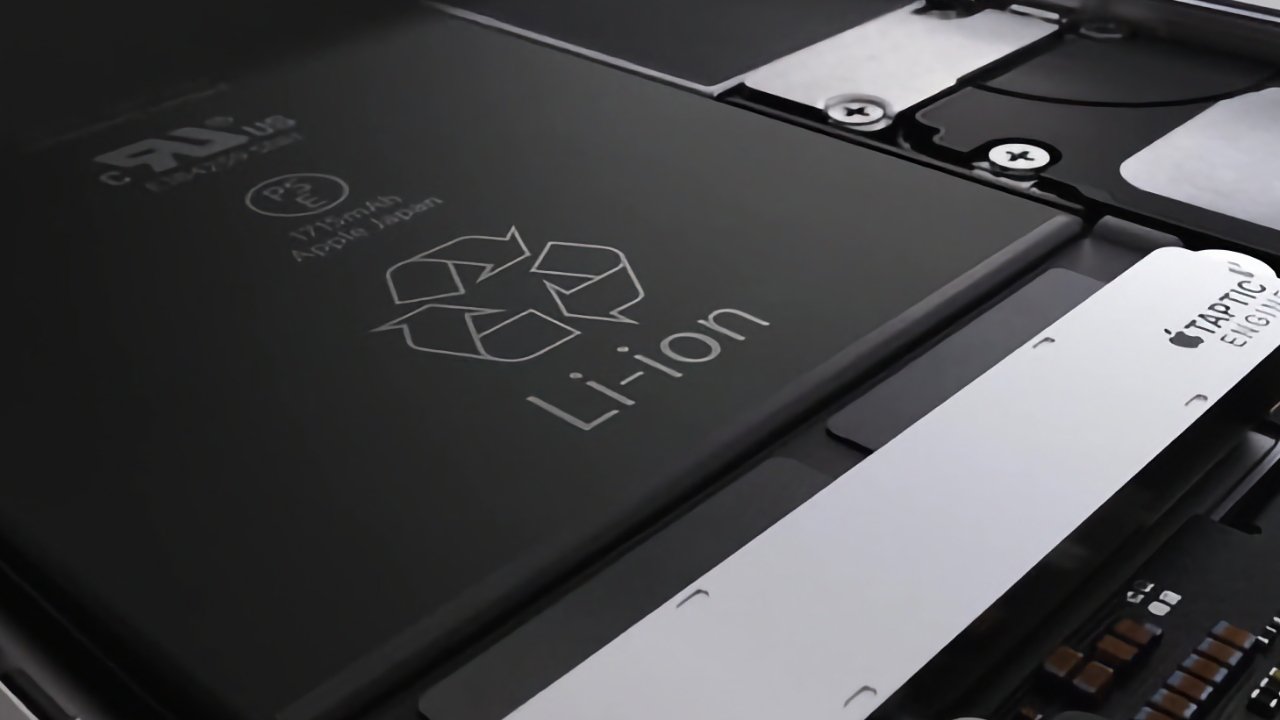
Battery Module Assembly vs Cell Manufacturing
Apple battery suppliers may specialize in either cell manufacturing or module assembly.
Cell manufacturers produce the electrochemical core of the battery. Module assemblers integrate protective circuits, connectors, and structural enclosures.
This layered structure allows Apple flexibility in sourcing cells from one supplier and modules from another, depending on product needs and production timelines.
Regulatory and Environmental Compliance
Apple battery suppliers must comply with international environmental and labor standards. Apple’s Supplier Code of Conduct outlines expectations regarding worker conditions, emissions controls, and responsible mineral sourcing.
Cobalt sourcing has received particular scrutiny due to ethical concerns tied to mining regions. Apple reports conducting third-party audits and publishing annual supplier responsibility updates.
Transition Toward Higher Energy Density
As Apple devices continue to shrink while performance increases, battery density becomes more critical. Apple battery suppliers focus on improving energy per volume rather than simply expanding capacity.
Advances in electrode composition, thinner separators, and improved thermal management contribute to incremental gains in runtime without increasing device thickness.
Solid-state battery research remains ongoing across the industry, though commercial adoption in consumer electronics has not yet occurred at large scale.
Battery Recycling Integration
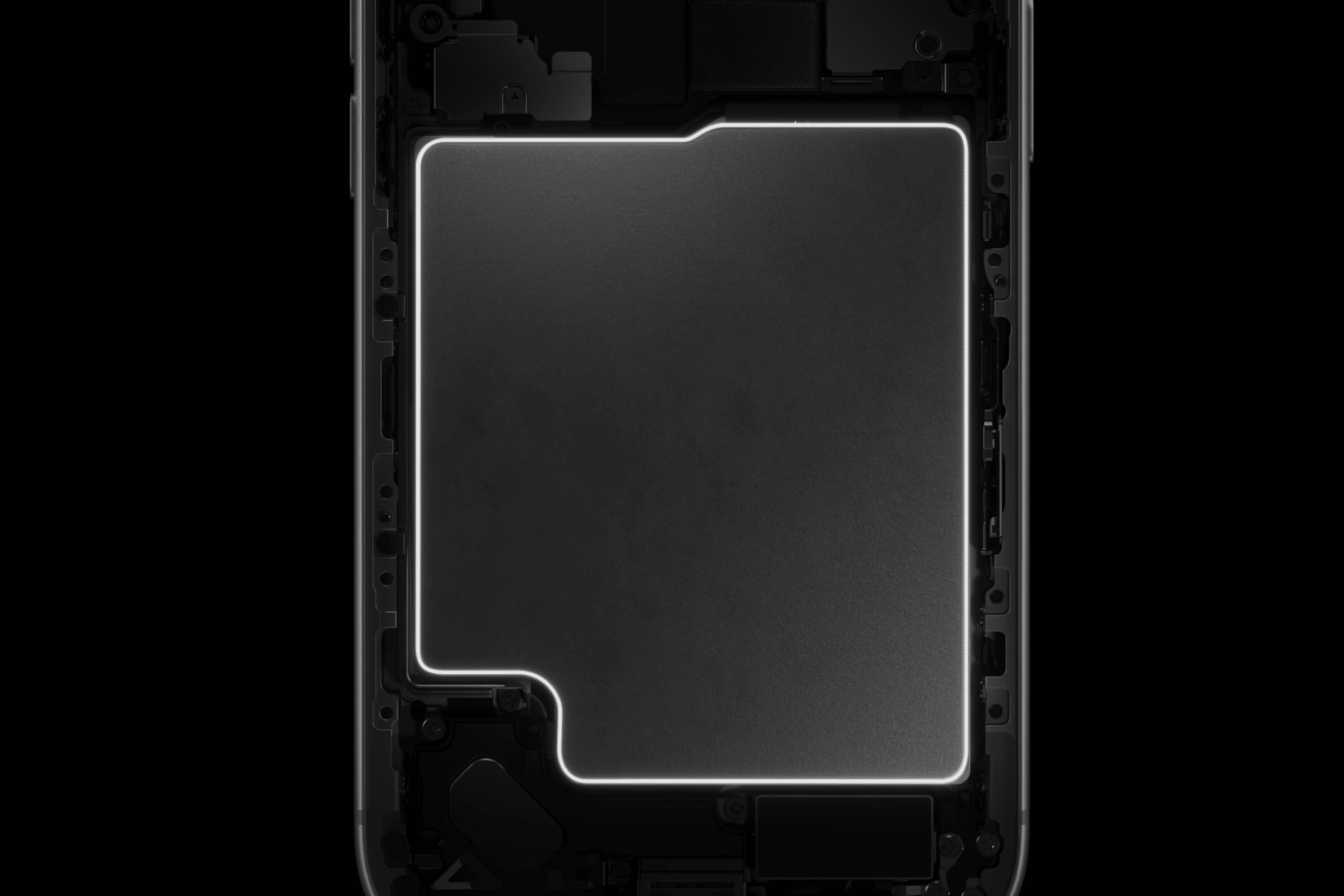
Apple battery suppliers increasingly intersect with recycling initiatives. Materials recovered through Apple’s recycling programs can be reintroduced into battery production streams.
Recycled cobalt and aluminum integration supports Apple’s broader environmental goals while reducing dependence on newly mined raw materials.
Apple battery suppliers represent a coordinated global ecosystem spanning cell production, module assembly, raw material procurement, and environmental compliance. Companies such as TDK (ATL), Sunwoda, Desay, LG Energy Solution, Samsung SDI, and Murata contribute to the lithium-ion infrastructure powering Apple devices at scale.
Through diversification, long-term procurement contracts, and increasing recycled material integration, Apple’s battery supply chain continues evolving alongside device performance demands and sustainability objectives.