

Apple is extending support for its digital Car Key technology in 2026, allowing a wider group of drivers to unlock, lock, and start compatible vehicles using an iPhone or Apple Watch. The update brings 13 new automakers into the ecosystem, including Acura, Cadillac, Chevrolet, Porsche, Rivian, Smart and several others that plan to integrate the feature into upcoming models.
Through the Wallet app, the device becomes a secure digital key, using NFC or ultra-wideband to authenticate access without relying on a traditional fob.
For many drivers, the experience revolves around keeping vehicle access tied to a device that is already used for payments, passes, and identification. The Wallet-based approach supports encrypted communication with the vehicle’s onboard authentication hardware, allowing quick entry through Express Mode when available.
Digital keys can also be shared with trusted contacts, enabling temporary access without needing to exchange physical items. As more automakers prepare their systems to support the feature, compatibility will extend into different segments and price ranges.
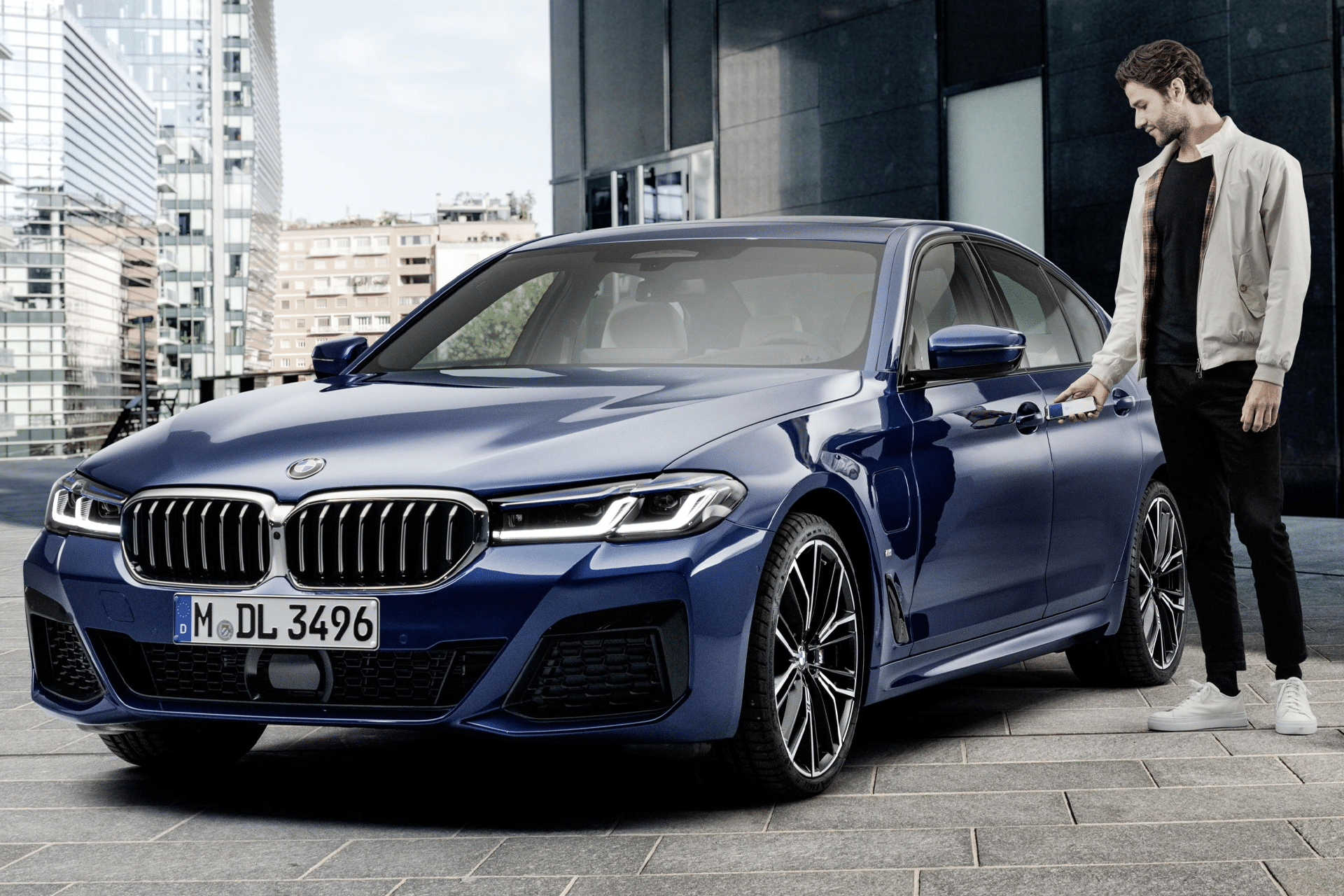
New Automakers Adopting the Feature
The brands joining the program cover a wide spread of design philosophies and vehicle categories. Some manufacturers are aligning support with refreshed models that introduce updated electronic platforms, while others intend to enable compatibility across select trims once internal validation is complete. Rivian confirmed that its next-generation R1 models will include both ultra-wideband and NFC compatibility, giving drivers multiple options for entering and starting their vehicles.
Other automakers are progressing through integration milestones tied to broader upgrades of their connected-car frameworks.
Because each automaker maintains its own software stack, activation timelines vary. Some brands will begin with narrower rollouts while assessing performance across different regions and configurations.
As internal testing advances, support for Wallet-based access is expected to appear in more models, giving buyers added flexibility when comparing vehicles that incorporate smartphone-centric features.
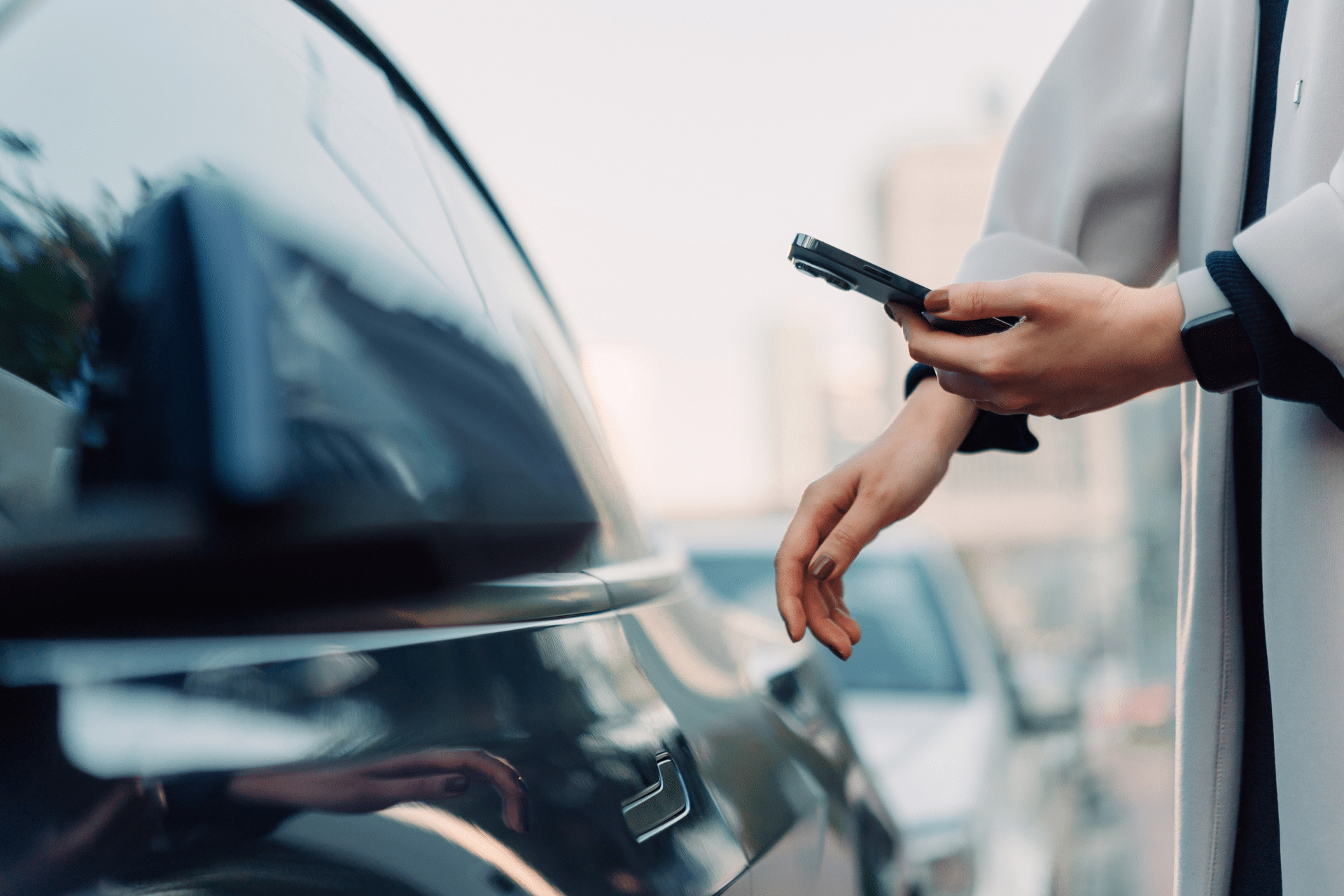
How the Feature Shapes Everyday Use
The growing list of supported brands expands the usefulness of digital car keys for daily routines. Drivers who rely on their phone or watch for transit, payments, and access may find it easier to integrate vehicle entry into the same workflow.
Express Mode removes the need for authentication prompts during unlocking, allowing quick access in crowded parking lots, garages, or other situations where carrying a physical key may be less convenient. Shared keys continue to be one of the most versatile aspects of the feature, offering simple ways to grant temporary access without requiring dedicated hardware.
As compatibility spreads across different automakers, the consistent Wallet interface helps reduce reliance on each manufacturer’s proprietary apps. That shared structure makes setup and management feel familiar regardless of the vehicle brand, encouraging broader use among drivers who prefer centralized digital tools.
Automakers updating their connected systems may also explore deeper coordination between in-car software and smartphone authentication methods, shaping new approaches for how vehicles recognize authorized users.
The expansion into more brands increases the number of drivers who can treat digital access as part of everyday travel rather than a limited feature tied to a few premium models.
As platforms mature and manufacturers refine their implementations, the role of device-based authentication may continue shaping expectations for how vehicles interact with personal devices, especially as more models incorporate updated hardware designed for seamless integration.


