

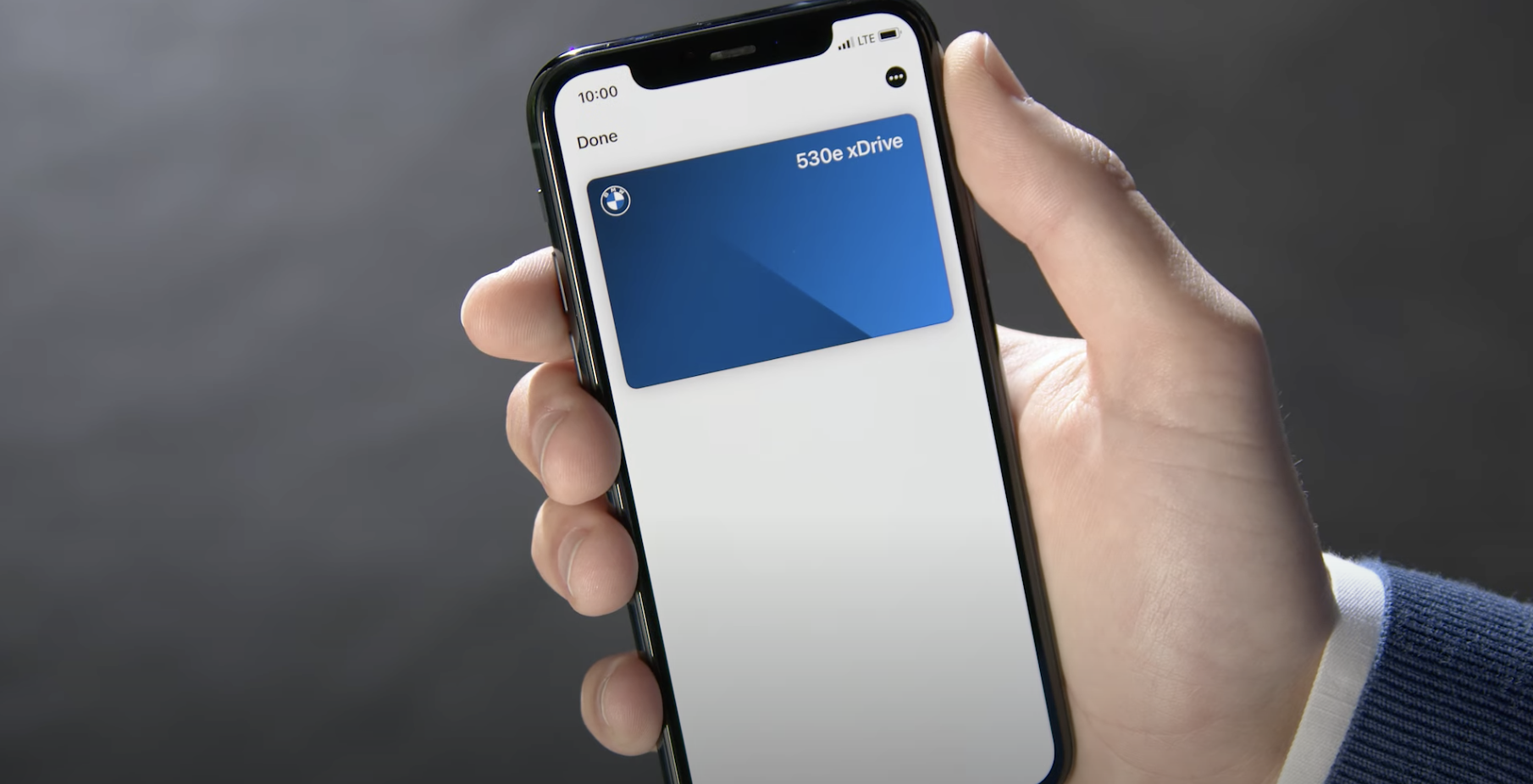
Apple Car Keys should be one of the most natural Apple Wallet features in the entire ecosystem. The idea is simple: add a supported car key to Wallet, then use iPhone or Apple Watch to lock, unlock, and start a compatible vehicle. In some models, the experience can be as seamless as walking up to the car with the device in a pocket or bag. In others, the user holds iPhone or Apple Watch near the door handle or key reader. Some vehicles also support remote lock and unlock from Wallet.
The feature fits Apple perfectly. Wallet already holds payment cards, transit cards, boarding passes, event tickets, hotel keys, student IDs, home keys, and state IDs in supported places. A car key is the next obvious step. The iPhone is already the device most people keep with them everywhere. Apple Watch is even better for quick access because it stays on the wrist. A digital car key can also be shared, managed, revoked, and backed by Apple’s security architecture in ways a physical key fob cannot match.
Yet adoption has been slower than the feature’s logic suggests. Apple introduced Car Keys in 2020, and support began with BMW before expanding to selected models from brands such as:
- Hyundai
- Kia
- Genesis
- Mercedes-Benz
- MINI
- BYD
- Lotus
- Polestar
- Volvo
- Rivian, and others.
The Car Connectivity Consortium recently described Apple Wallet car key support as working with 33 vehicle brands and said additional automakers were slated to add support in 2026, including:
- Acura
- Cadillac
- Chevrolet
- GMC
- Hongqi
- Lucid
- Porsche
- Rivian
- Tata
- Voyah
- WEY
That sounds like strong progress, but it has not yet become a normal expectation for car buyers. Most people still leave dealerships with a physical fob, an automaker app, or both. Apple Car Keys remains a premium, model-dependent feature rather than a standard part of vehicle ownership. That is the adoption gap Apple needs to close.
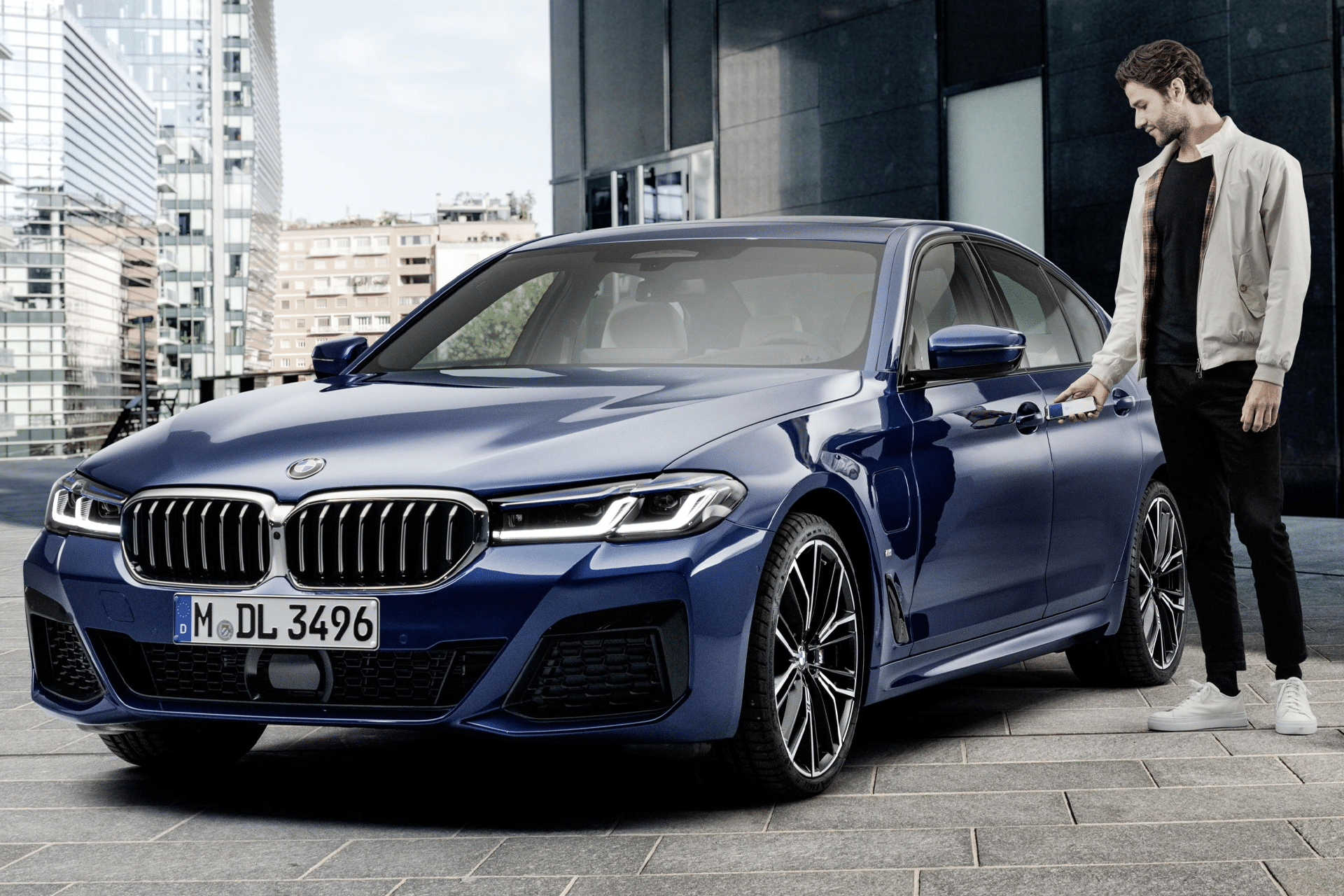

Car Keys Are a Natural Apple Wallet Feature
Apple Car Keys work because they remove a small daily friction. A driver already carries iPhone. Many drivers also wear Apple Watch. Replacing a separate key fob with a secure digital key reduces pocket clutter, simplifies sharing, and makes car access part of the same Wallet experience used for payments, transit, and passes.
Apple’s support guidance explains the basic model. Users add an eligible car key through the automaker’s app, an email or text message, or the car’s display. The key is then stored in Wallet. Depending on the vehicle, it can support passive entry, proximity unlocking, starting the car, and remote lock or unlock. Express Mode is turned on automatically, allowing the key to work without unlocking the device or authenticating with Face ID, Touch ID, or passcode.
That matters because a car key has to be faster than opening an app. A digital key that requires hunting through menus is worse than a fob. Apple’s advantage is making the key behave like a system feature. If the vehicle supports passive entry, the experience can become nearly invisible.
Sharing is another important advantage. Apple’s original Car Keys pitch at WWDC emphasized that digital keys can be shared with family or friends and managed remotely. That solves a real problem for families, couples, teenagers, valet-style access, caregivers, car sharing, second drivers, and temporary access. A physical key has to be handed over. A digital key can be sent, limited, and revoked.
That is exactly the kind of everyday convenience Apple Wallet is built to deliver.
Why Automakers Moved Slowly
Apple Car Keys adoption has been slow because cars are not smartphones. Vehicle development cycles are long, safety requirements are strict, hardware decisions are made years before launch, and automakers often want to control the customer relationship through their own apps. Even when a digital key standard exists, each brand has to integrate hardware, software, security, dealership education, and support.
Digital car keys also require the right technology stack. Some implementations use NFC, where the device must be held near the car. More advanced systems use Ultra Wideband for precise location and passive entry, reducing the risk of relay attacks and making the experience feel closer to a modern key fob. Bluetooth, NFC, UWB, secure elements, vehicle software, cloud accounts, and phone operating systems all need to work together reliably.
The Car Connectivity Consortium is trying to solve that through the Digital Key standard. The CCC brings together automakers, device makers, semiconductor companies, and technology providers to create interoperable specifications. Its certification program is designed to help companies prove that products follow the Digital Key specification and can display the CCC Digital Key logo. The Verge reported that CCC certification activity rose from 2 certifications in 2024 to 115 in 2025, showing the ecosystem is moving toward more standardization.
Still, the automotive industry is fragmented. Some brands want to push subscriptions around connected-car features. Some want users inside their own apps. Some fear losing data or brand control to Apple, Google, and Samsung. Others may support digital keys only on higher trims or newer models. Dealers may not explain the feature well at delivery. Consumers may not know the car supports it.
This is why Apple Car Keys can be technically ready but commercially underused.
The Subscription Problem Is Holding Adoption Back
Apple Car Keys should not be treated like a luxury add-on or a recurring feature. That is one of the most important points Apple should push with automakers. A key is basic vehicle access. If digital access becomes tied to paid connected-service packages, confusing trim rules, or limited trial periods, adoption will remain slower.
Drivers are already sensitive to car subscriptions. Heated seats, remote start, app access, navigation updates, and connected services have created frustration when automakers place ordinary features behind monthly fees. Digital car keys risk falling into the same category if brands treat them as a premium app feature rather than a standard ownership tool.
Apple’s Wallet model works best when the user trusts that access is simple, secure, and persistent. A car key that disappears because a subscription expired would damage confidence. A buyer should be able to add the car key to Wallet as part of ownership, not negotiate a software package after buying the car.
Apple should make this a condition of stronger promotion. If an automaker wants Apple Car Keys featured in Apple marketing, Apple Store demos, or Wallet education, the feature should be included without unnecessary subscription friction on supported vehicles.
What Apple Should Do Next
Apple Car Keys adoption would accelerate if Apple treated the feature less like a quiet Wallet capability and more like a platform standard for modern cars. The company does not need to build a car to influence the dashboard. It needs to make Wallet keys valuable enough that automakers feel pressure to support them.
The first step is visibility. Apple should maintain a clearer public list of supported vehicle models, not only tell users to contact the manufacturer or dealership. Apple’s support page currently says users need a compatible car and should contact the manufacturer or dealership to find out if the car is compatible. That is understandable from a support perspective, but not ideal for adoption. A buyer shopping for a car should be able to see which models support Apple Wallet car keys before entering the dealership.
The second step is dealership education. Many car technologies fail at handoff. A buyer may receive a vehicle with digital key support but leave without knowing how to set it up. Apple should work with automakers to create a standard delivery flow: pair iPhone, add key to Wallet, add key to Apple Watch, test unlock, test start, explain sharing, explain lost-device behavior, and show how to revoke access.
The third step is deeper iOS integration. Apple could make car keys more visible inside Wallet, Find My, Family Sharing, and setup flows. If a supported vehicle is associated with an automaker account, iPhone should guide the user through adding the key with as few steps as possible. Key sharing should feel as simple as sharing a pass, with clear permission levels and expiration options.
The fourth step is fleet and rental support. CCC Digital Key version 4 includes functionality aimed at fleets and rentals, according to recent reporting. That matters because rental companies, corporate fleets, car-sharing platforms, hotels, resorts, and peer-to-peer rental services can expose millions of people to digital keys quickly. If a traveler uses an iPhone to unlock a rental car without waiting at a counter, the feature becomes real fast.
The fifth step is stronger standards pressure. Apple, Google, Samsung, BMW, Hyundai, Kia, Rivian, and other CCC members should make interoperability the default. A driver should not have to wonder whether a key works only in one automaker app, one phone brand, or one region. Wallet should be the trusted container, while the CCC standard handles compatibility.
Apple Needs the Automotive Industry, but Automakers Need Apple Too
Apple Car Keys sit inside a larger power struggle between automakers and technology platforms. Automakers want control over software-defined vehicles, subscriptions, user data, navigation, infotainment, and brand experience. Apple wants iPhone and Wallet to remain central to daily life, including mobility. That tension is already visible in debates around CarPlay, next-generation CarPlay, and automaker app strategies.
Car keys are a less dramatic but highly practical front in that same relationship. Automakers may prefer their own apps because apps create brand control, service upsell opportunities, account data, and customer engagement. But automaker apps are often less reliable, less elegant, and less trusted than Wallet for core access. A driver does not want the car key to feel like a promotional surface. It should feel like infrastructure.
Apple has leverage because iPhone is the daily device for a large share of premium vehicle buyers. Luxury and electric-vehicle brands especially have strong overlap with Apple’s customer base. If buyers begin asking whether a car supports Apple Wallet keys, automakers will respond faster.
Apple should help make that happen by treating Car Keys as a buyer-facing feature. The company already does this well with Apple Pay, AirPlay, HomeKit, and CarPlay. Car Keys needs similar public clarity.
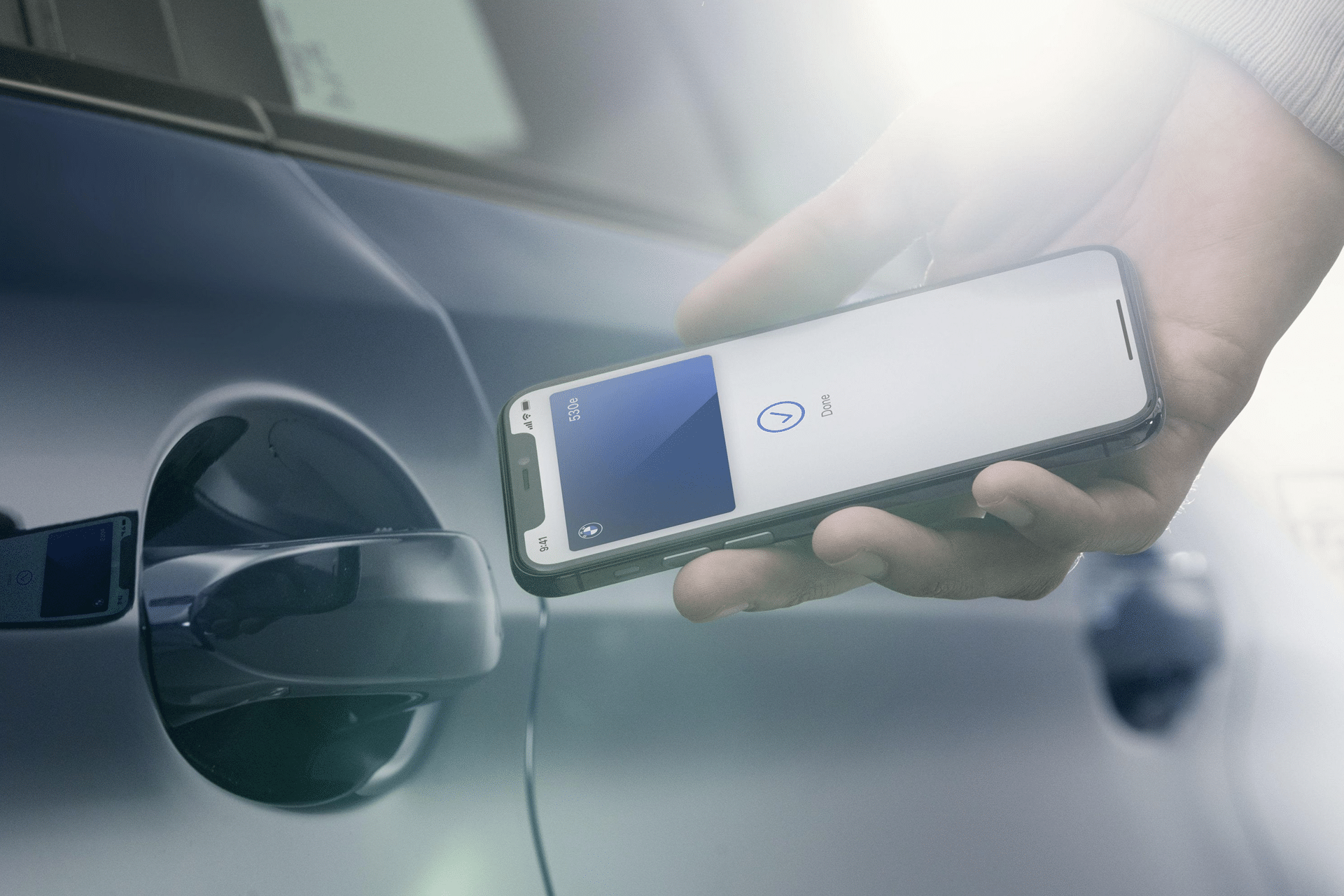
The Security Story Is Strong
Apple Car Keys also has a strong security argument. Apple’s platform security documentation says car keys can use NFC, Bluetooth Low Energy, and Ultra Wideband, with key credentials stored securely and shared keys managed by the owner. Shared car keys can be deleted from the owner’s iPhone, Apple Watch, and the vehicle’s human-machine interface.
This is a better model than many physical-key situations. A physical key can be lost, copied, handed to someone, or forgotten. A digital key can be removed remotely in many cases, shared with clearer permissions, and protected by device security. Express Mode makes use fast, while the secure element and Apple Wallet architecture keep the credential protected.
There are still risks. Phones can be stolen. Devices can run out of power. Automaker systems can have bugs. UWB and digital-key systems must protect against relay attacks and unauthorized access. Apple says some car key functions may keep working for a limited time after iPhone needs charging, depending on device and setup. Users still need a backup plan, especially during travel.
But the overall security story is strong enough that Apple should make it central to adoption. Digital keys are not only convenient. They can be more manageable than physical keys when designed properly.
The Apple Watch Advantage Is Underrated
Apple Car Keys may be even more compelling on Apple Watch than on iPhone. A watch key is always on the wrist, harder to forget, and faster to present near a reader. For vehicles with passive entry, the difference may be less obvious. For NFC or proximity use, Apple Watch can feel more natural than pulling out a phone.
This is an area Apple should promote more clearly. Apple Watch already supports Apple Pay, transit, hotel keys, home keys, and other Wallet access features. A car key completes the idea that the watch can replace several physical items during a normal day. Leave home, unlock the car, pay for coffee, enter transit, check into a hotel, unlock a door, and return home — all from the wrist.
That ecosystem argument is stronger than a single automaker app. No car company can replicate the cross-context value of Wallet on Apple Watch.
A Slow Adoption Story That Still Matters
Apple Car Keys adoption has been slower than expected, but the direction remains important. The feature sits at the intersection of Wallet, iPhone, Apple Watch, UWB, automotive software, connected vehicles, sharing, security, and the decline of physical keys. It is exactly the kind of everyday technology that feels inevitable once it works reliably.
The next phase will depend on standardization, automaker commitment, dealership education, and Apple’s willingness to make the feature more visible. The Car Connectivity Consortium is moving in the right direction. More brands are joining. Certifications are increasing. New automakers are expected to add support. But Apple should push harder.
The winning formula is clear: no unnecessary subscription, simple Wallet setup, Apple Watch support, UWB passive entry where possible, easy sharing, strong revocation tools, clear model lists, and dealership setup before the customer leaves the lot. If Apple and automakers can make that standard, digital car keys will stop feeling like a premium novelty and start feeling like the normal way to own a modern vehicle.
Apple Wallet already replaced parts of the physical wallet. Car keys are one of the last daily objects still resisting that shift. Apple has the platform to change it. Now it needs the auto industry to move faster.