

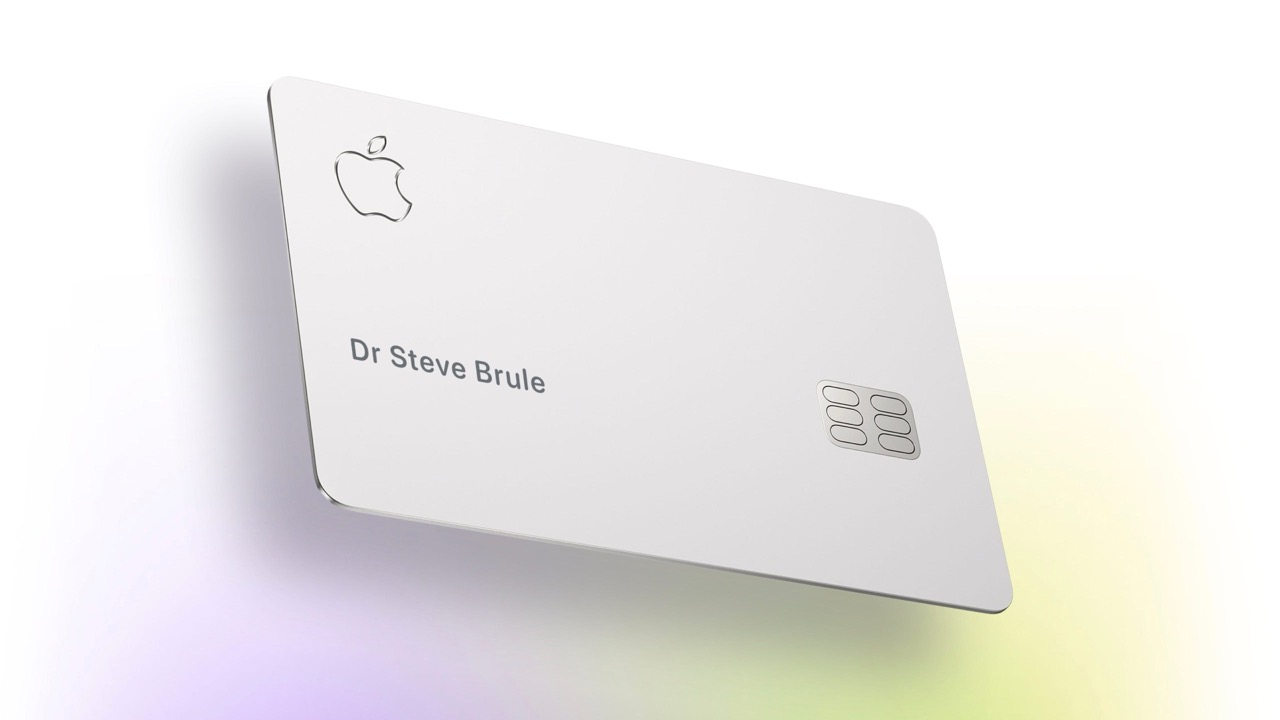
Apple Card Savings rate has been lowered again, with the annual percentage yield dropping from 3.5% to 3.4% this week. The change continues a long slide from the account’s original 4.15% APY launch rate in 2023, giving Apple Card users a smaller return on Daily Cash rewards and added deposits held inside the Wallet app.
The Apple Card Savings account is offered by Goldman Sachs and is available to Apple Card users in the U.S. It has no fees, no minimum deposit, and no minimum balance requirement, which has made it a convenient place for users to keep Daily Cash automatically earning interest. The account is managed directly through Apple Wallet, making it feel less like a separate bank product and more like another Apple Card feature.
At the new 3.4% APY, a $1,000 balance left untouched for one year would earn about $34 in interest. At the previous 3.5% rate, the same balance would have earned about $35. The difference is small at lower balances, but the drop is still another sign that Apple’s savings product is losing some of the rate advantage it had when it launched.
Apple Card Savings Rate Keeps Moving Lower
Apple Card Savings rate changes are not unusual because high-yield savings accounts have variable APYs. Banks can raise or lower rates based on market conditions, competition, deposits, and interest-rate policy. Apple’s account has moved several times since launch, including a cut from 3.65% to 3.5% in April before this latest move to 3.4%.
The account launched in April 2023 with a 4.15% APY, which Apple promoted as more than 10 times the national average at the time. The rate later climbed to 4.25% and then 4.5% before moving down through several reductions as the savings market changed.
For Apple Card users, the appeal remains convenience. Daily Cash can be deposited automatically into Savings, and users can add money from a linked bank account. The balance appears in Wallet, interest is paid monthly, and funds can be transferred back to Apple Cash or an external bank account.
That simplicity is still valuable. Users do not need to open a separate finance app, remember another login, or manually move rewards to start earning interest. Daily Cash can grow passively in the background.
The question is whether convenience is enough when rates fall. Many online banks and credit unions may offer higher APYs at different times, though rates change frequently and terms vary. Apple Card Savings is easy to use, but users focused only on yield may want to compare current savings options before keeping large balances there.

Wallet Makes the Account Feel Seamless
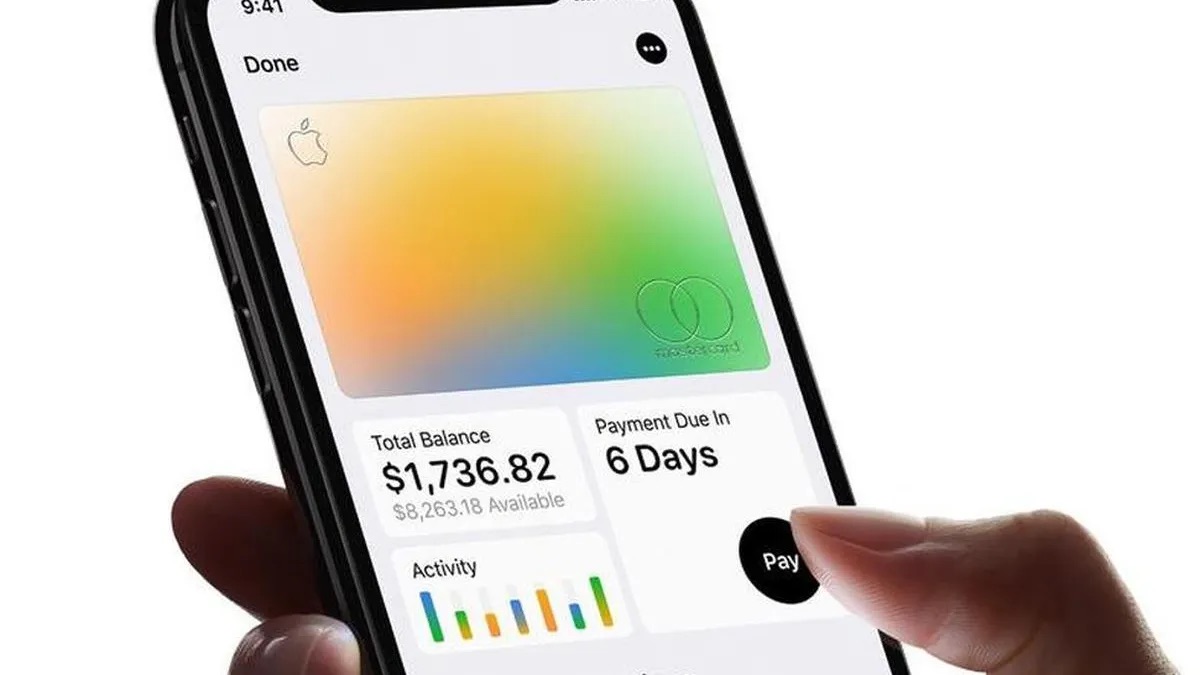
Apple Card Savings works because it is built into the same place people already use for Apple Card. In Wallet, users can see Apple Card transactions, Daily Cash, payment options, and the Savings account without leaving the iPhone’s finance interface.
To view Apple Card Savings:
Wallet > Apple Card > Savings Account
From there, users can check balance, interest earned, account details, transfers, and Daily Cash settings. They can also decide whether Daily Cash should continue going into Savings or move to Apple Cash instead.
To manage Daily Cash destination:
Wallet > Apple Card > Daily Cash > Savings or Apple Cash
This design is Apple’s main advantage. Other high-yield savings accounts may offer better rates, but few are as tightly connected to iPhone, Apple Card, Apple Pay, and Daily Cash. For users who want a simple place to earn something on rewards, Apple Card Savings still serves that role.
The drawback is that the rate is not locked. A savings APY can change at any time. Users who opened the account because of the original 4.15% launch rate have now seen the return fall by three-quarters of a percentage point. That is normal for variable-rate savings products, but it can still feel disappointing when the account is presented through a polished Apple interface.
What the Drop Means for Users
The latest cut matters most for users with larger balances. A 0.1 percentage point drop is minor on small amounts, but it becomes more noticeable as balances grow.
At 3.4% APY, $1,000 earns about $34 over one year. A $10,000 balance earns about $340. A $50,000 balance earns about $1,700. At 3.5%, those same balances would earn about $35, $350, and $1,750. The yearly difference is about $1 per $1,000 saved.
For users who only deposit Daily Cash rewards, the reduction may barely be felt. For users who moved emergency savings or larger cash balances into Apple Card Savings, the rate is worth watching more closely.
The account can still be useful for short-term cash, but it should not be treated as a guaranteed high-rate product. The APY can move again. If rates across the market continue to fall, Apple’s account may follow. If competition strengthens or rates rise, it could move the other way.
Users should also remember that Apple Card Savings is not available to everyone. It requires Apple Card, which is available only in the U.S., and the account is provided by Goldman Sachs. That makes it a convenient feature for eligible users rather than a broad Apple financial product worldwide.
Apple’s Finance Strategy Still Depends on Convenience
Apple Card Savings is part of a larger finance layer inside Apple Wallet. Apple Card, Daily Cash, Apple Pay, Apple Cash, installments, transit cards, passes, IDs in supported states, and savings all help make Wallet more central to daily spending and financial activity.
The savings account strengthened that strategy because it gave Daily Cash a place to grow automatically. Instead of rewards sitting idle, they could earn interest. That made Apple Card feel more complete: spend with Apple Pay, earn Daily Cash, deposit it into Savings, and manage everything from iPhone.
A lower APY does not remove that convenience, but it changes the value calculation. Apple’s finance products often compete less on maximum return and more on ease of use, interface design, privacy positioning, and integration. That works well when the rate is competitive. It becomes more complicated when users can find noticeably higher rates elsewhere.
For Apple, the account still supports Wallet engagement. For Goldman Sachs, it remains a deposit product tied to Apple’s customer base. For users, it is a simple place to keep rewards and some cash, but not necessarily the highest-yield option available.


A Good Moment to Review Savings Habits
The Apple Card Savings rate drop is a reminder that APY should be checked regularly. A savings account that was competitive at launch may not remain near the top of the market forever. Users do not need to react to every small change, but they should know where their cash is and what it earns.
A practical review starts in Wallet:
Wallet > Apple Card > Savings Account > Account Details
Users should check the current APY, balance, interest earned, transfer options, and Daily Cash destination. If the account is used only for rewards, leaving it alone may be reasonable. If it holds larger cash reserves, comparing current high-yield savings rates may be worthwhile.
Apple Card Savings remains easy, clean, and deeply integrated with iPhone. The lower 3.4% APY does not make it useless, but it does make the product less compelling for users who care most about maximizing interest. Its best role may now be as a convenient Wallet-based savings pocket for Daily Cash and smaller balances, while rate-focused savers keep an eye on the wider market.