

Apple’s head of silicon engineering, Johny Srouji, has been evaluating his long-term career direction, prompting closer attention to how leadership might evolve within the company’s hardware organization. His position sits at the core of Apple’s product identity, guiding the teams behind the A-series and M-series chips that define the performance and efficiency of iPhone, iPad and Mac.
Inside the company, discussions have surfaced around how responsibilities could be distributed if he eventually steps away, though ongoing work across engineering groups continues as planned. The chip organization maintains a broad structure designed to support long-term development that runs several generations ahead of current products.
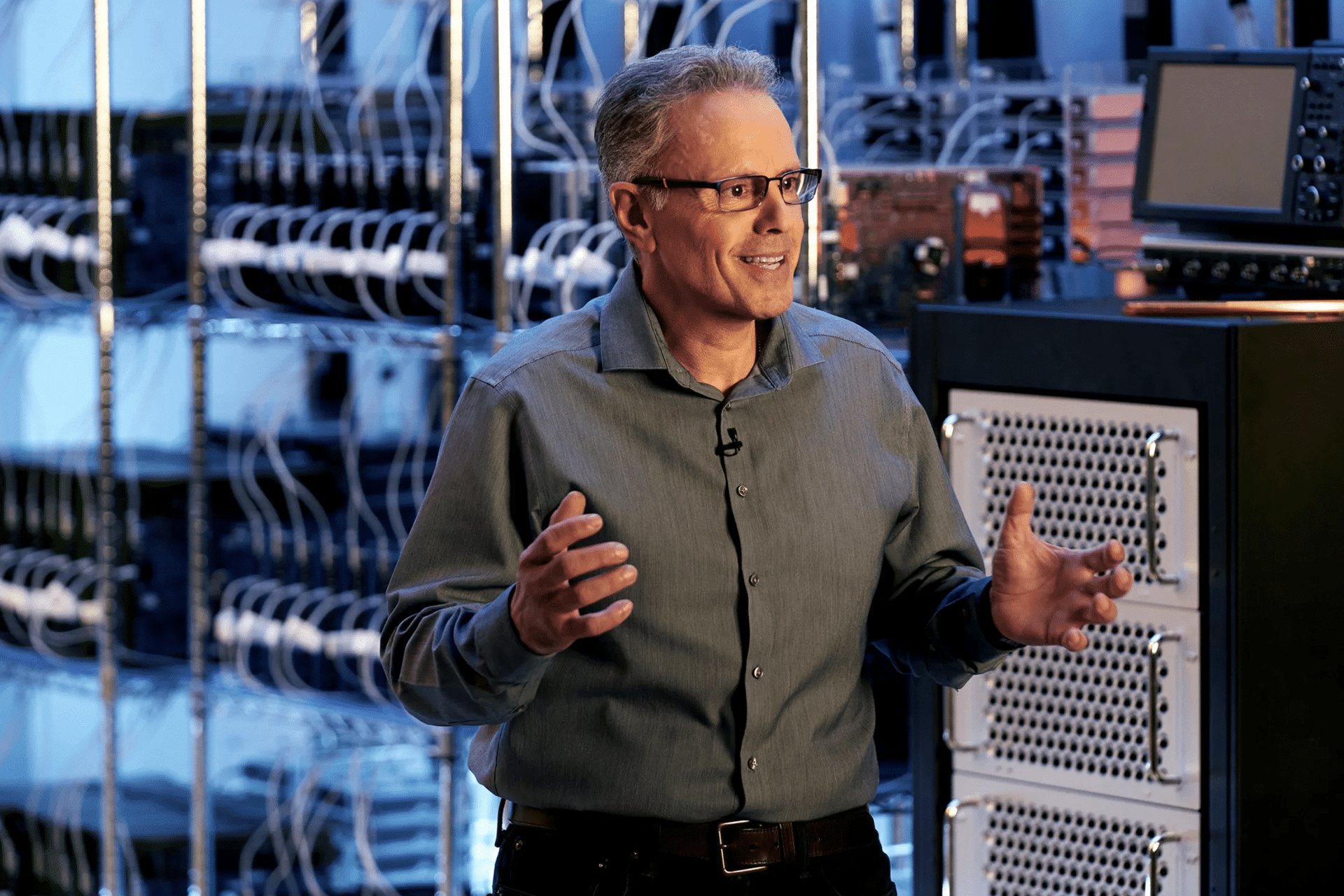
Internal Dynamics in Apple’s Hardware Group
Srouji has shaped Apple’s silicon strategy for years, guiding the move away from Intel processors and unifying the company’s hardware approach across devices. The architecture teams supporting him operate with extensive planning cycles, creating a framework that remains stable even if leadership changes occur.
Across divisions, engineering groups continue refining system design, power efficiency and architectural features that define Apple’s upcoming devices. These teams operate with clear roadmaps, relying on long-established practices that carry product lines forward regardless of adjustments in senior roles.
Within the hardware organization, there is ongoing evaluation of team structure and technical direction as Apple navigates new product categories and expands the scope of its custom processors.
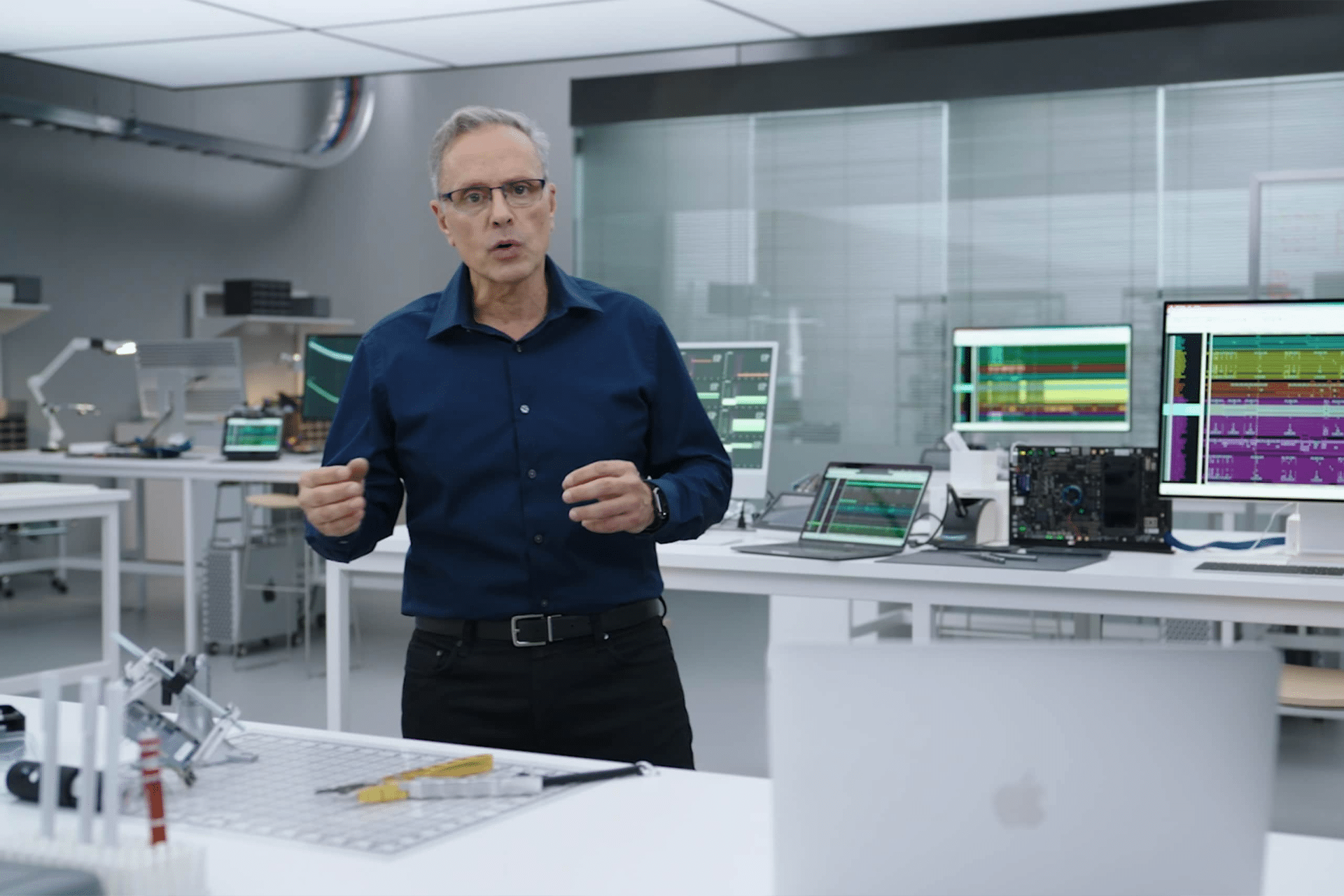
Possible Effects on Apple’s Silicon Program
Any shift in leadership would draw attention to how Apple shapes the next stages of its silicon roadmap. Custom chips have become central to nearly every product the company makes, and their development involves collaboration among architecture, software and product teams working years ahead of release cycles.
Even with changes at the senior level, Apple’s silicon program is built on layered development pipelines, ensuring continuity across generations. Engineers across these groups work on successive chip designs that extend well into the future, giving the company stability while it moves into areas such as new device categories and emerging forms of computing.
Srouji’s potential departure marks a moment that underscores how closely the industry follows Apple’s internal dynamics, particularly in areas tied to devices that rely on tightly integrated hardware and software.
UPDATE — Apple Chip Leadership Remains Stable as Johny Srouji Addresses Departure Rumors


