

Apple chip roadmap planning follows a disciplined annual cadence. The A-series traditionally powers iPhone each fall, while M-series chips scale into Mac and iPad across staggered launches. By 2026, Apple is expected to refine both families under increasingly advanced semiconductor process nodes, potentially transitioning toward second-generation 3-nanometer variants or early 2-nanometer production depending on foundry readiness.
Process Node Evolution and Manufacturing
Apple’s chip roadmap remains closely tied to TSMC’s fabrication timeline. The transition from 5nm to 3nm brought notable efficiency gains, particularly in performance-per-watt metrics. For 2026, industry expectations center on enhanced 3nm processes (often referred to as N3E or refined derivatives) before broader 2nm adoption.
Smaller process nodes allow greater transistor density. Higher density enables improvements in:
- CPU performance scaling
- GPU core expansion
- Neural Engine throughput
- Energy efficiency per operation
Apple historically prioritizes efficiency gains alongside raw speed increases. In mobile devices, battery life improvements often match or exceed performance growth in strategic importance.


A-Series Direction for iPhone
The Apple chip roadmap for 2026 likely includes an A-series processor succeeding the A19 generation. Expect architectural refinements rather than radical redesigns. Apple typically adjusts performance and efficiency core balance to sustain multitasking, gaming, and camera processing demands.
Neural Engine expansion is anticipated to remain a focus. AI-driven photography, on-device language models, and predictive system behavior require higher TOPS (trillions of operations per second) performance. Rather than headline clock speed jumps, the roadmap suggests deeper integration between CPU, GPU, and Neural Engine workloads.
Memory bandwidth may also increase, supporting computational photography pipelines and real-time AI inference without overtaxing thermal budgets.
M-Series Scaling Across Mac and iPad
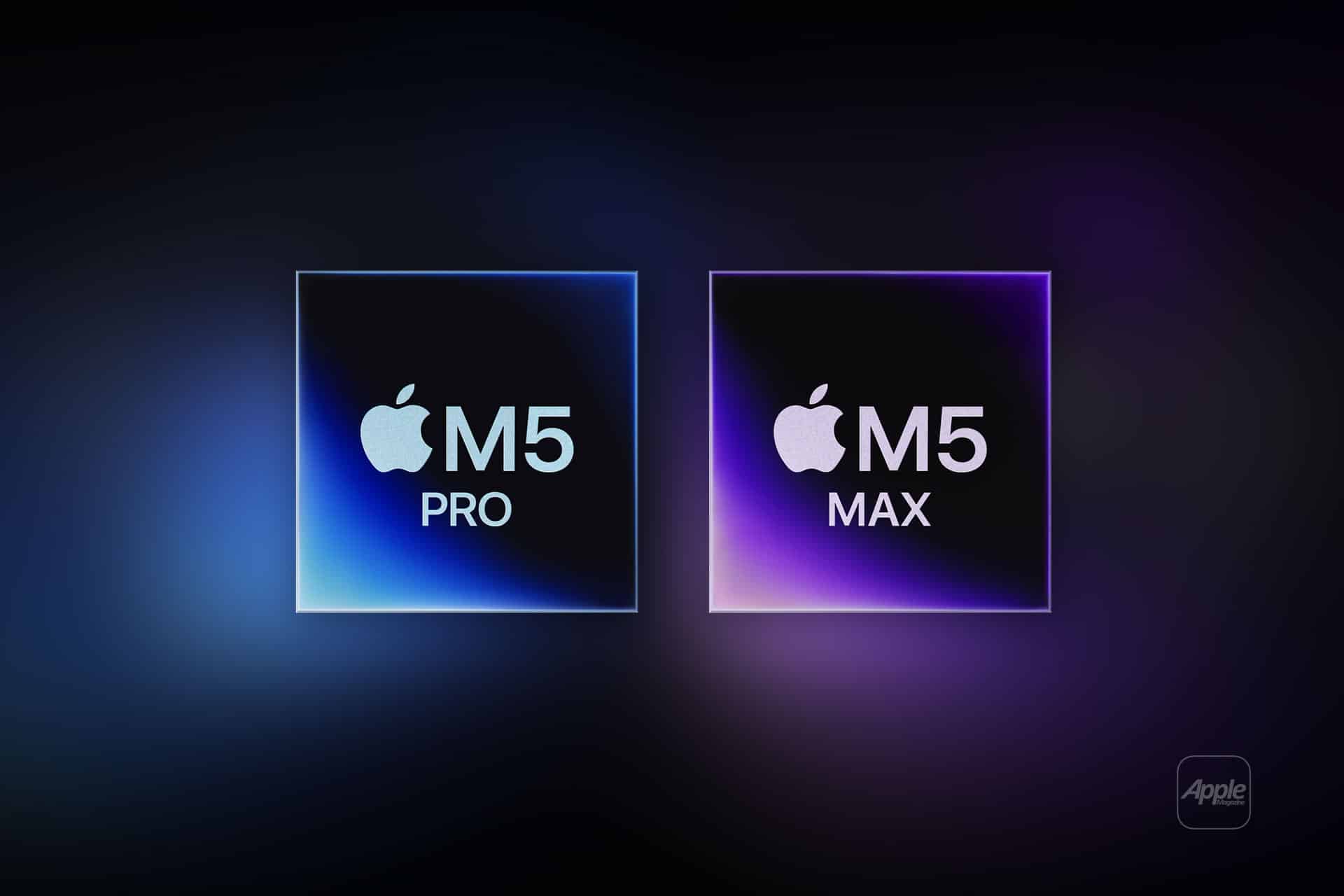
On the Mac side, Apple chip roadmap momentum points toward further segmentation of M-series tiers. Entry-level models are likely to emphasize energy efficiency and portability, while Pro, Max, and Ultra variants expand GPU clusters and memory bandwidth.
Unified memory architecture remains central. In 2026, higher base memory configurations could become standard across more models, responding to growing AI and creative workflow requirements.
Performance improvements may concentrate on multi-core scaling and GPU parallelism rather than single-core frequency leaps. Apple’s design philosophy consistently emphasizes balanced performance under sustained load rather than brief benchmark spikes.
AI and On-Device Processing Emphasis
Artificial intelligence workloads increasingly define Apple chip roadmap decisions. On-device AI reduces latency, preserves privacy, and minimizes cloud reliance.
Expect Neural Engine core counts or throughput per core to increase. Integration between Neural Engine and GPU may deepen, enabling shared memory pipelines for real-time tasks such as:
- Video segmentation
- Live transcription
- Object recognition
- Predictive system automation
The 2026 roadmap may prioritize local AI capability over pure CPU expansion, aligning hardware evolution with software features introduced in upcoming operating systems.
Graphics Architecture Development
Apple’s custom GPU designs have steadily matured. The Apple chip roadmap likely includes enhancements in ray tracing performance, memory compression, and thermal efficiency.
Rather than chasing peak desktop GPU wattage, Apple continues refining integrated GPU performance optimized for thin devices. In 2026, incremental improvements in frame stability and power draw under sustained gaming or creative workloads are more probable than dramatic architectural overhauls.
Thermal and Power Management
Efficiency remains the defining trait of Apple Silicon. Each roadmap cycle tightens integration between silicon and operating systems, allowing predictive power distribution.
Dynamic workload shifting between performance and efficiency cores continues evolving. By 2026, refinements may further reduce background task drain and improve standby consumption across Mac and iPad devices.
Apple chip roadmap development consistently reflects vertical integration. Because Apple designs both silicon and operating systems, hardware decisions directly support upcoming software capabilities.
Packaging and Interconnect Innovation
Advanced packaging methods such as chiplets or improved die stacking could appear in higher-tier M-series variants. Apple has already demonstrated multi-die strategies in Ultra models. Expanded interconnect bandwidth between dies may enable further scaling without proportional increases in thermal load.
Interconnect efficiency becomes increasingly important as transistor density grows. Improvements here affect high-end desktop-class Macs more than entry-level devices.
Supply Chain and Strategic Timing
Apple chip roadmap execution depends on manufacturing yield and supply chain stability. Foundry readiness for new process nodes influences whether Apple adopts cutting-edge fabrication immediately or refines existing nodes for stability and volume.
In 2026, a conservative refinement of advanced 3nm processes appears plausible before broader 2nm rollout. Apple historically balances first-mover advantages with production reliability.
Strategic Positioning
Apple’s chip roadmap does not chase spec-sheet dominance alone. Instead, it focuses on measurable real-world gains: battery life, sustained performance, and AI responsiveness.
The 2026 cycle is expected to reinforce this trajectory. Rather than revolutionary shifts, incremental architectural refinements, enhanced AI acceleration, and manufacturing efficiency improvements define likely progress.
Apple chip roadmap evolution continues as a measured expansion of performance, efficiency, and neural processing capacity. With tighter silicon-software alignment and progressive process node refinement, the 2026 cycle is positioned to strengthen Apple Silicon’s role across iPhone, Mac, and iPad platforms without deviating from the company’s vertically integrated strategy.