


Apple Core AI may become one of the most important technical shifts announced at WWDC. Reports suggest Apple plans to modernize or replace Core ML with a new Core AI framework in iOS 27, marking a structural update to how developers integrate machine learning and generative intelligence into apps.
Core ML has served as Apple’s primary machine learning framework since 2017. It enabled developers to deploy trained models directly on device, supporting features such as image classification, speech recognition, natural language processing, and predictive text. Over time, its scope expanded to support generative models and transformer-based architectures.
Now, Apple appears ready to reposition its developer tools under a broader Core AI identity.
From Core ML to Core AI
Core ML was designed during an era focused largely on traditional machine learning workflows: model training off-device, optimized inference on-device. The landscape has shifted dramatically. Large language models, multimodal systems, and generative pipelines now demand more flexible tooling.
Apple Core AI is expected to emphasize integration with Apple Foundation Models — Apple’s own large-scale AI systems trained internally and, according to reports, leveraging Gemini-trained techniques.
The shift in naming from “machine learning” to “AI” reflects more than branding. It signals a move toward unified frameworks that support both predictive models and conversational, generative systems.
WWDC 2026: The Developer Ecosystem
WWDC historically serves as the platform for developer-facing transitions. If Core AI is introduced during iOS 27 previews, it would likely be accompanied by updated APIs and documentation for:
- On-device large language model inference
- Multimodal processing (text, image, audio)
- Improved hardware acceleration through Apple silicon
- Enhanced privacy controls for AI processing
Developers currently using Core ML would expect migration pathways. Apple typically maintains backward compatibility while encouraging adoption of new frameworks.

Foundation Models and Siri Evolution
Reports indicate Apple will highlight updated Foundation Models and chatbot-like Siri enhancements. These improvements suggest deeper integration between system-level AI and third-party apps.
A Core AI framework could unify these capabilities, allowing developers to call Apple-hosted models or on-device variants without building infrastructure from scratch.
This aligns with Apple’s privacy-first positioning. On-device processing reduces reliance on cloud servers when feasible, while hybrid systems may balance performance and privacy.
iPhone 17 Pro and AI Performance
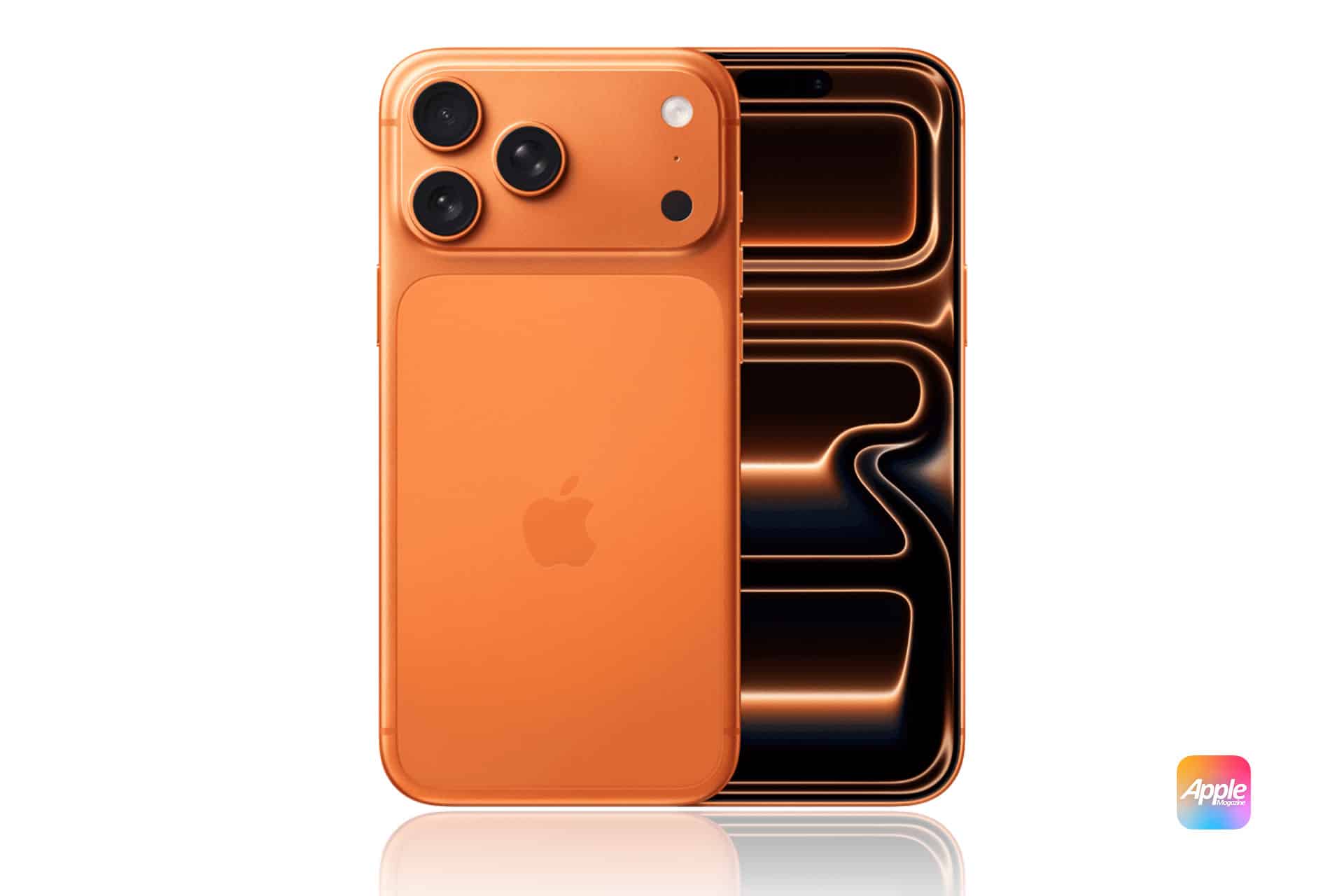
Hardware advancements also play a role. Industry expectations suggest iPhone 17 Pro models will include enhanced neural processing capabilities and expanded memory configurations to support advanced AI workloads.
A new framework under Apple Core AI would likely leverage Neural Engine upgrades and unified memory architecture, improving inference speed and energy efficiency.
Apple silicon’s vertical integration — custom CPU, GPU, and Neural Engine — allows tighter optimization between software frameworks and hardware execution.

Developer Impact
For developers, the transition from Core ML to Core AI may reduce complexity in deploying generative models. Instead of managing external APIs, developers could rely more heavily on system-level services exposed through standardized frameworks.
Possible benefits include:
- Simplified model deployment
- Improved performance scaling
- Native access to Apple Foundation Models
- Stronger sandboxing and privacy guarantees
Core ML broadened from basic machine learning tasks into generative AI tools over recent years. Core AI would formalize that expansion.
Strategic Positioning
Apple’s AI strategy has faced scrutiny compared to competitors that moved aggressively into public-facing generative tools. A Core AI framework signals consolidation rather than fragmentation.
Instead of launching standalone AI products disconnected from the operating system, Apple appears to integrate intelligence into the platform layer itself.
iOS 27 may represent the first full operating system generation built with this AI-first architecture in mind. Developers, hardware advancements, and Foundation Models would operate within a cohesive structure.
If Core AI replaces or modernizes Core ML, WWDC could mark the beginning of a new phase for Apple’s developer ecosystem — one where machine learning and generative AI are no longer separate initiatives, but part of a unified platform layer embedded deeply within iOS and Apple silicon devices.