Apple Creator Studio represents something Apple has been quietly building toward for years. Not a single app. Not a new device. But a tightly connected ecosystem of creative software that works together in ways no other company can realistically reproduce.
The significance of the announcement is not found in any one feature. It lies in how everything connects, flows, and adapts across Apple’s platforms, without requiring new hardware or changes to how creators already work.


An Ecosystem, Not a Collection of Apps
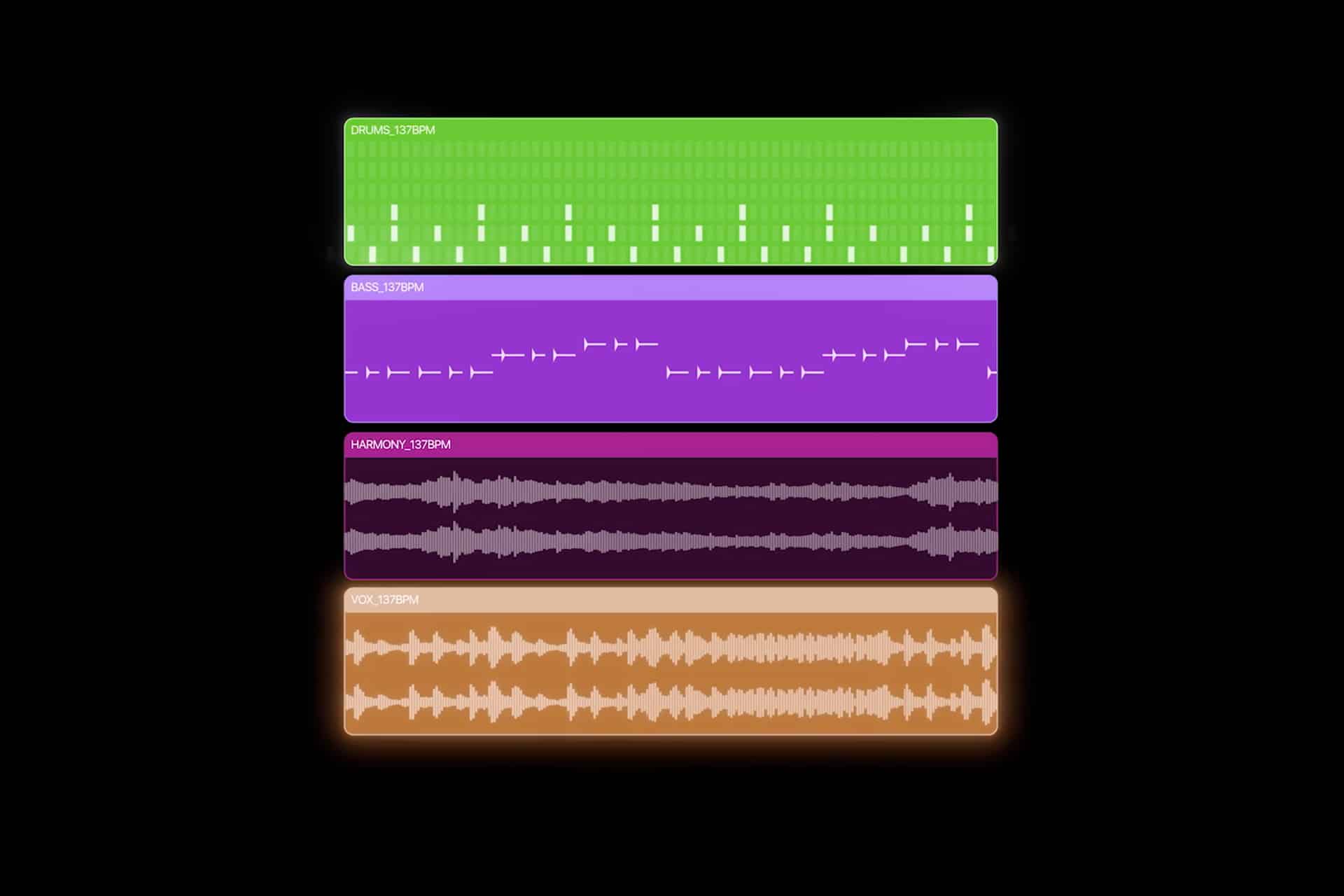
On paper, Apple Creator Studio looks like a bundle. In practice, it behaves like a unified creative environment. Final Cut Pro understands music through Logic Pro. Pixelmator Pro moves effortlessly between Mac and iPad. Keynote, Pages, and Numbers sit closer to the creative process instead of existing as final export tools.
These connections are not plug-ins or file exchanges layered on top. They are native relationships built into the software itself, shaped by shared frameworks, shared intelligence, and shared system resources.
This is the difference between integration and compatibility.
Why This Can’t Be Replicated Elsewhere
Other platforms rely on assembling ecosystems from independent tools, different developers, and varying standards. Even when those tools are powerful, they communicate through formats, exports, and workarounds.
Apple controls the entire stack. The operating systems. The hardware architecture. The core creative apps. The intelligence layer. This allows Apple Creator Studio to share context instead of just data. A music track is not just audio. It carries structure. A video clip is not just footage. It carries meaning.
That level of awareness between apps is not something that can be bolted on later. It has to be designed from the beginning.

Software Doing the Heavy Lifting
One of the most striking aspects of Apple Creator Studio is that it delivers this leap entirely through software. There is no new chip requirement. No new device class. No forced upgrade cycle.
Instead, Apple extracts more value from existing hardware by aligning workflows, reducing redundancy, and letting intelligence handle the invisible work. Less exporting. Less re-rendering. Less memory pressure. More continuity.
For creators, this feels like gaining performance without paying for it.
A Competitive Shift Without Saying the Word
Apple does not frame Apple Creator Studio as a response to competitors. Yet the implication is clear. Creative platforms are no longer defined by individual apps or isolated strengths. They are defined by how seamlessly ideas move from one stage to another.
By turning its creative software into a single, coherent system, Apple raises the bar for what creators should expect. Not more tools, but fewer obstacles.
This is a structural advantage, not a temporary one.
The Quiet Confidence of the Apple Approach
Apple Creator Studio reflects a familiar Apple pattern. Solve the problem by stepping back, not forward. Instead of adding complexity, remove friction. Instead of asking users to adapt, adapt the system around them.
The result is a creative environment that feels calmer, faster, and more durable. Projects evolve naturally. Devices feel refreshed. Creativity stays in focus.
All of this happens without changing desks, workflows, or hardware. Just software, deeply integrated.
That is the real leap Apple has made. And it’s one that can’t be copied by simply offering similar features. It requires an ecosystem designed to work as one.