
Every time a photo syncs to iCloud, a playlist loads instantly in Apple Music, a purchase processes in the App Store, or a show streams on Apple TV, an invisible infrastructure activates in the background. Apple data centers form the backbone of that experience. They operate quietly, distributed across regions, engineered for reliability, performance, and security at global scale.
Apple’s services ecosystem has expanded dramatically over the past decade. iCloud storage, device backups, Apple Pay transactions, Siri requests, Apple Maps routing data, software update distribution, and subscription services all depend on high-capacity, low-latency infrastructure. Supporting hundreds of millions of active devices requires more than isolated server rooms. It requires hyperscale facilities, interconnected global networks, and constant optimization.
Apple data centers are not simply storage warehouses. They function as real-time computing hubs that manage authentication, encryption, content delivery, and device synchronization across continents.
The Architecture Behind Apple Services
Apple operates a distributed infrastructure model. Rather than relying on a single centralized location, it maintains multiple regional data centers positioned strategically to reduce latency and improve redundancy. Facilities in North America, Europe, and Asia support regional traffic while remaining interconnected through high-capacity fiber networks.
This structure ensures that if one facility experiences disruption, traffic can reroute automatically. The goal is service continuity. For users, that means iCloud backups continue, Apple TV streams without interruption, and App Store downloads remain available.
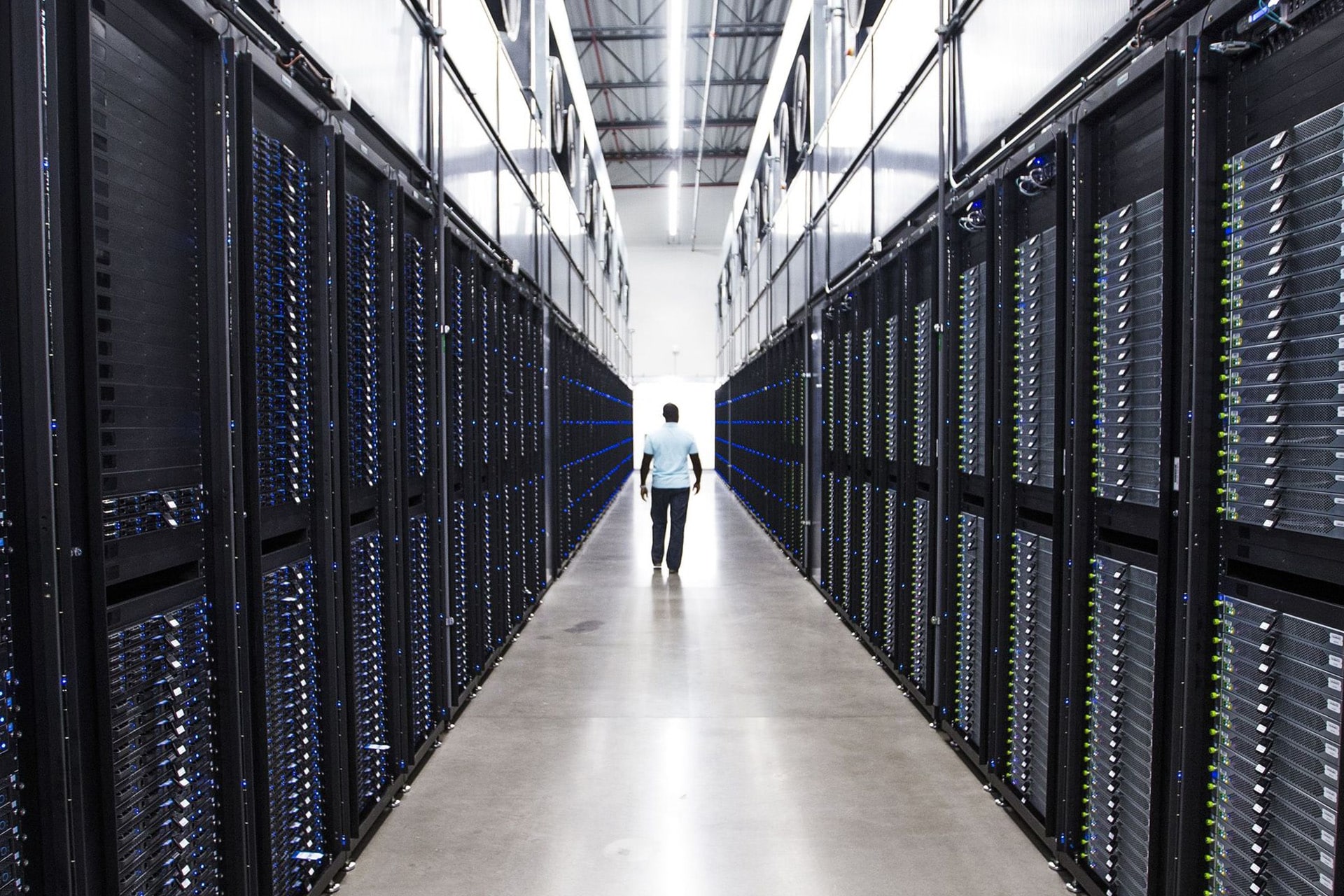
Data centers handle diverse workloads simultaneously. Storage clusters manage encrypted user data. Compute clusters process Siri queries and Apple Intelligence tasks. Edge caching systems distribute frequently accessed content, such as app updates or streaming media, closer to end users.

Security and Encryption at Scale
Security architecture sits at the core of Apple data center operations. User data transmitted to iCloud or other services is encrypted both in transit and at rest. Encryption keys are compartmentalized, and in many cases, advanced protections such as end-to-end encryption ensure Apple cannot access certain categories of user data.
Authentication services verify Apple ID credentials, manage device authorization, and coordinate secure token exchanges across hardware platforms. Every iPhone activation, Mac login, or Apple Watch pairing request touches backend infrastructure that validates identity.
Because services span devices, the data centers must maintain synchronized state information while preserving privacy boundaries. That balance defines Apple’s infrastructure philosophy.
Renewable Energy and Environmental Strategy
Apple has publicly committed to powering its data centers with renewable energy. Solar farms, wind contracts, and on-site generation systems support facilities in multiple regions. The company reports that its global corporate operations, including data centers, operate on 100 percent renewable electricity.
Beyond energy sourcing, cooling efficiency plays a major role. Data centers generate significant heat. Apple employs advanced cooling systems, airflow optimization, and energy management software to reduce waste. In some regions, facilities use outside air cooling to minimize mechanical refrigeration.
Infrastructure at this scale must account for environmental impact alongside performance metrics.
Global Traffic and Content Delivery
Services such as Apple TV, Apple Music, and the App Store require content delivery networks capable of distributing large files rapidly. Apple maintains its own content caching systems and works with additional network providers to ensure stable distribution.
When a new iOS version launches, millions of devices download updates within hours. Apple data centers absorb that traffic spike through load balancing and geographic distribution. Similarly, major live events on Apple TV demand scalable streaming infrastructure capable of handling simultaneous global viewership.
Latency reduction remains a key focus. Locating servers closer to dense population centers decreases response times for services such as Siri and Maps.
Integration With Apple Silicon
Apple’s vertical integration extends into data center operations. While much of its server hardware is custom-configured, the company has increasingly explored the use of Apple silicon in backend environments for specific workloads.
Optimizing silicon for power efficiency and performance per watt reduces operational costs while maintaining computational output. Given Apple’s experience designing system-on-chip architecture for consumer devices, applying similar efficiency principles to infrastructure aligns with its engineering culture.
The synergy between device hardware and backend systems creates consistency across the ecosystem.
Scaling for Service Growth
As subscription services expand, infrastructure demands scale accordingly. Apple Music streams, Apple TV originals, Fitness+, iCloud+, and financial services generate steady traffic growth.
Each new service layer requires backend support for billing, authentication, analytics, and content management. Data centers must adapt dynamically to shifting workloads — from peak streaming hours to overnight backup cycles.
Capacity planning becomes an ongoing process. Facilities are built with modular expansion in mind, allowing additional server clusters to be deployed as demand increases.
Edge and Regional Processing
To enhance responsiveness, Apple distributes certain workloads regionally. Instead of routing every request to a distant central server, localized data centers handle time-sensitive operations.
For example, Siri voice recognition may process initial interpretation regionally before connecting to broader cloud systems for deeper contextual tasks. This layered approach reduces perceived delay.
Similarly, software updates often distribute through regional nodes to minimize congestion.
Reliability and Redundancy
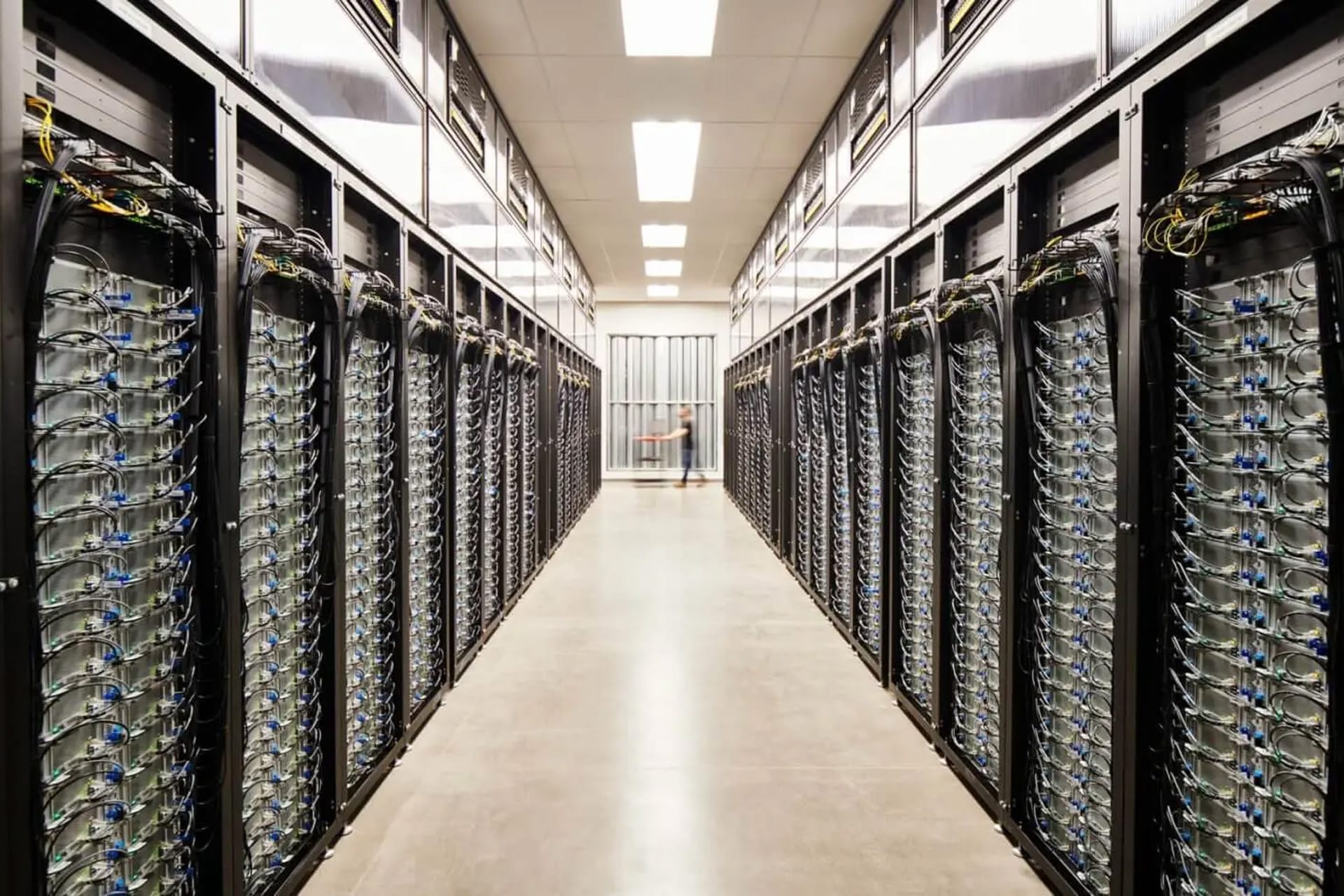
High availability is fundamental. Apple services depend on uptime metrics that approach continuous operation. Power systems include multiple redundancies — backup generators, battery arrays, and failover mechanisms.
Network pathways duplicate connectivity routes to avoid single points of failure. Monitoring systems track hardware health continuously, identifying anomalies before they affect performance.
When outages occur, traffic reroutes automatically. Users rarely see the underlying orchestration.
Data Sovereignty and Regional Compliance
Operating globally requires compliance with regional data regulations. Apple data centers support localized storage strategies to align with privacy laws in different jurisdictions.
Certain data categories may remain within geographic boundaries to comply with regulatory frameworks. This requires flexible infrastructure capable of segmenting storage while maintaining global account coherence.
As governments adjust data residency requirements, infrastructure planning adapts accordingly.
Invisible but Foundational
Apple data centers rarely appear in product keynotes. They remain largely unseen by end users. Yet every photo uploaded, transaction authorized, playlist streamed, and software update installed depends on these facilities.
The hardware inside an iPhone or Mac performs remarkable tasks locally. The broader ecosystem experience, however, rests on global infrastructure engineered for speed, security, and environmental responsibility.
As Apple services continue expanding, the scale and sophistication of its data center network will remain a defining element of how seamlessly devices connect across continents.