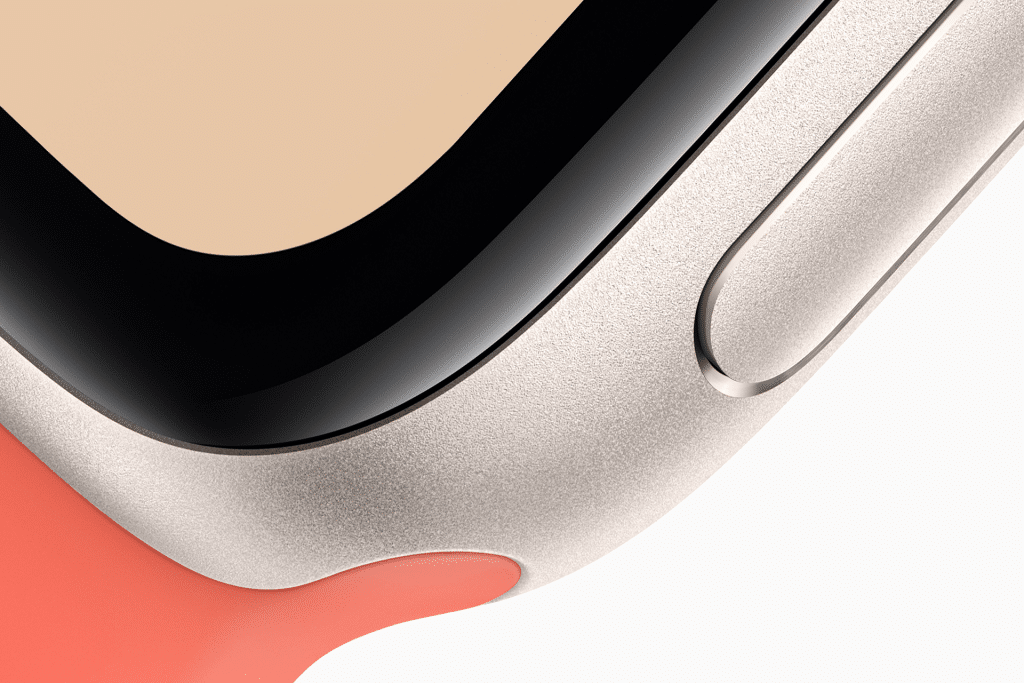
Apple’s most important design innovations today are often the ones that attract the least attention. As its products mature, Apple faces a unique challenge: how to keep improving devices that already feel close to their ideal form. Instead of dramatic visual overhauls, Apple increasingly focuses on subtle refinements that deepen usability, durability, and integration across its ecosystem.
This approach can be misunderstood as stagnation. In reality, it reflects a shift from invention to mastery, where innovation becomes quieter, more precise, and harder to immediately notice.
When Design Reaches Maturity
Every successful product eventually reaches a point where radical redesign becomes counterproductive. The iPhone, iPad, and Apple Watch have all arrived at shapes that feel immediately recognizable and intuitively usable. Rectangles with rounded corners are not a lack of imagination; they are the result of years of iteration toward ergonomic and functional efficiency.
Once a design reaches this stage, the role of innovation changes. The question is no longer “what should this look like,” but “how can this work better without getting in the way.” Apple has repeatedly chosen the second question.
This transition marks a deeper level of design discipline. It requires restraint, patience, and a willingness to improve aspects users may never consciously notice, but always feel.

The Apple Watch as a Case Study
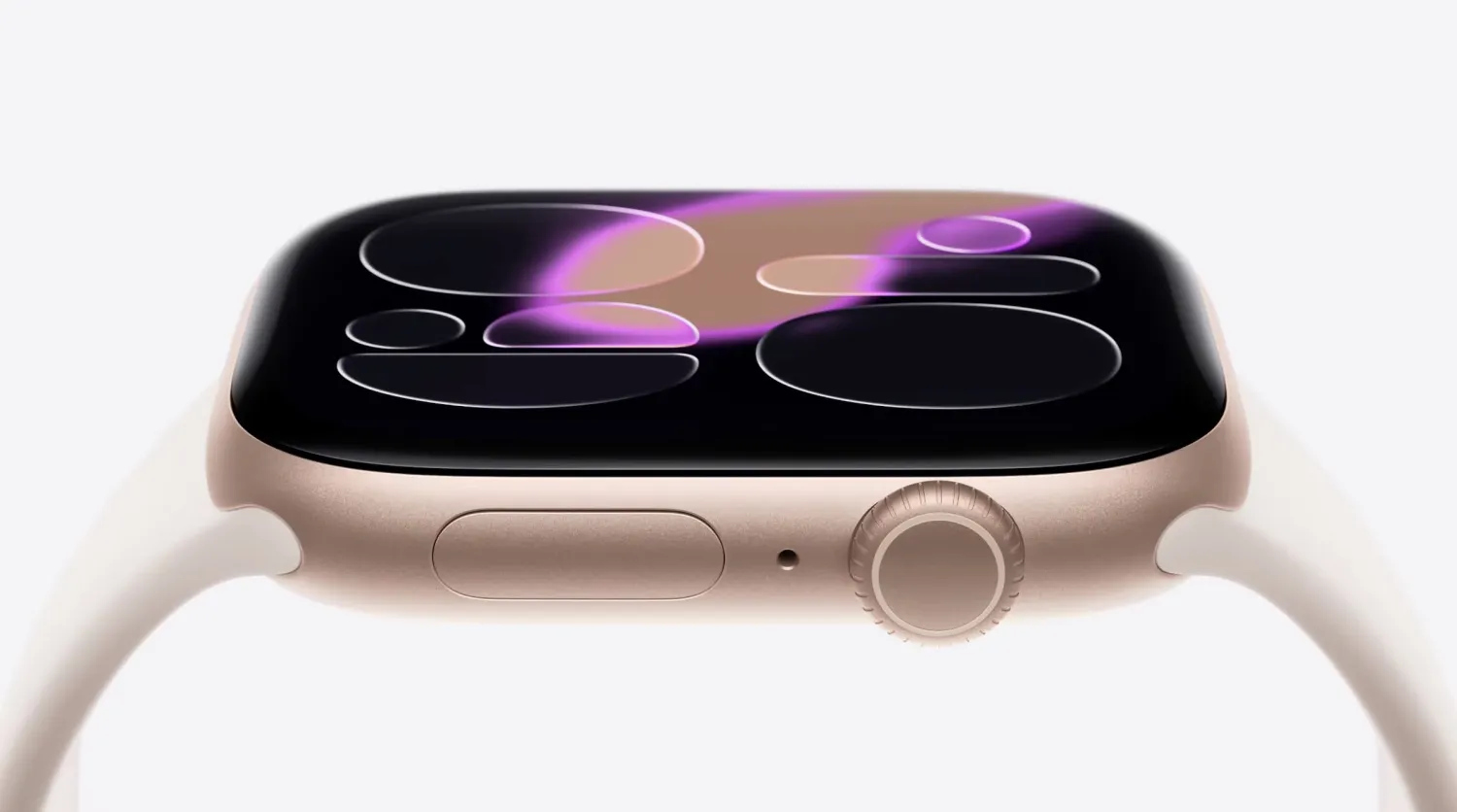
The Apple Watch is one of the clearest examples of Apple’s quiet innovation. From a distance, each generation looks almost identical. Yet under the surface, the device has evolved significantly in performance, health capabilities, materials, and efficiency.
Apple has refined sensors, improved display brightness, enhanced water resistance, optimized battery behavior, and expanded health features — all without altering the core shape. The familiar case design allows users to upgrade without relearning how the product fits into their daily life.
This consistency is not accidental. It reinforces trust. When a device is worn all day, design stability becomes a feature, not a limitation.
iPhone Evolution Without Disruption
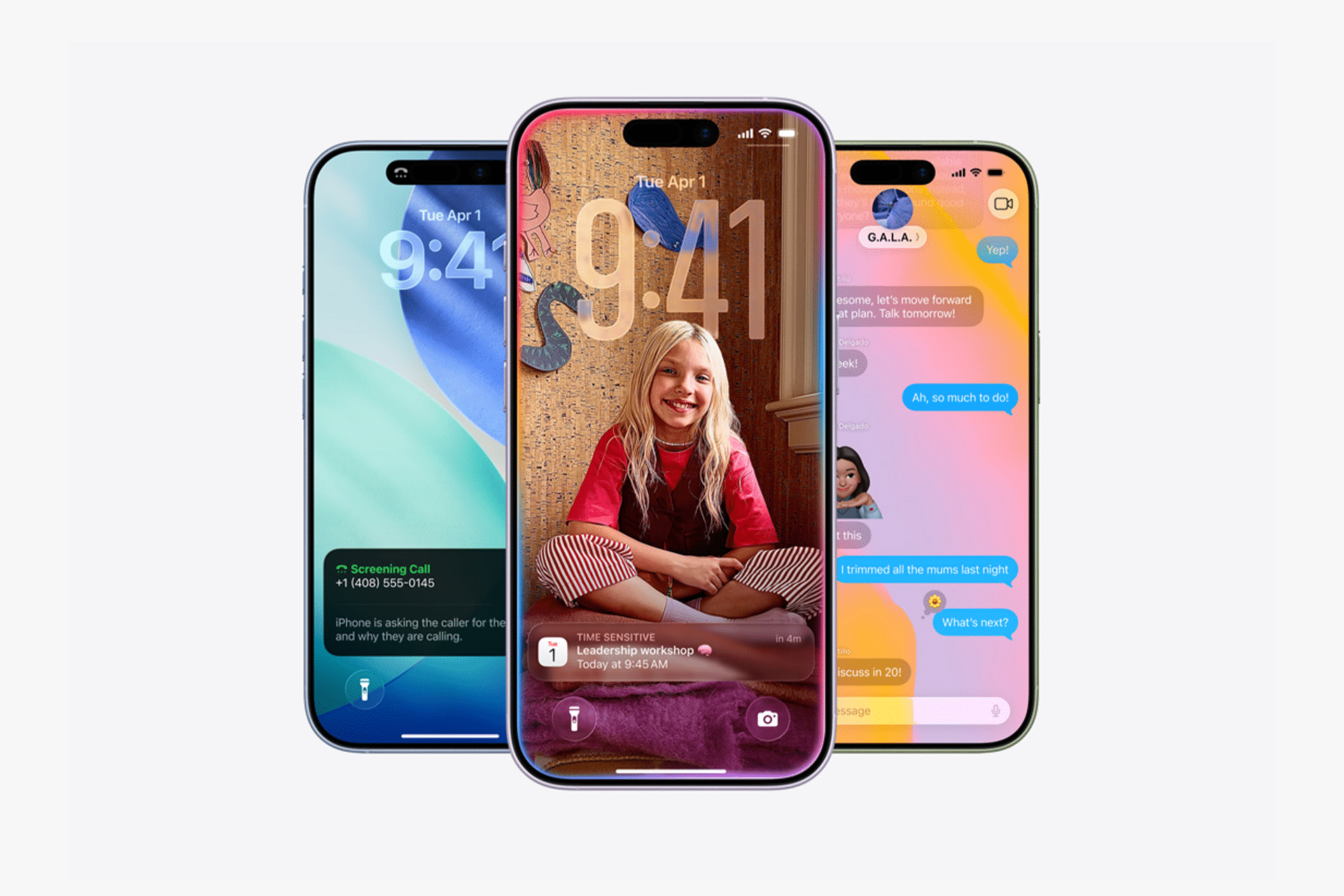
The iPhone’s evolution follows a similar pattern. While early generations introduced dramatic visual changes, recent models emphasize refinement. Improvements arrive through materials, internal layout, display technology, camera systems, and silicon performance rather than bold external shifts.
Apple’s decision to keep the basic iPhone silhouette intact allows focus on deeper improvements: better thermal management, stronger glass, improved battery longevity, and more advanced image processing. These changes may not dominate headlines, but they directly affect daily experience.
This approach also protects ecosystem continuity. Accessories, workflows, and muscle memory remain intact while the device quietly becomes more capable.

iPad and the Power of Familiar Form
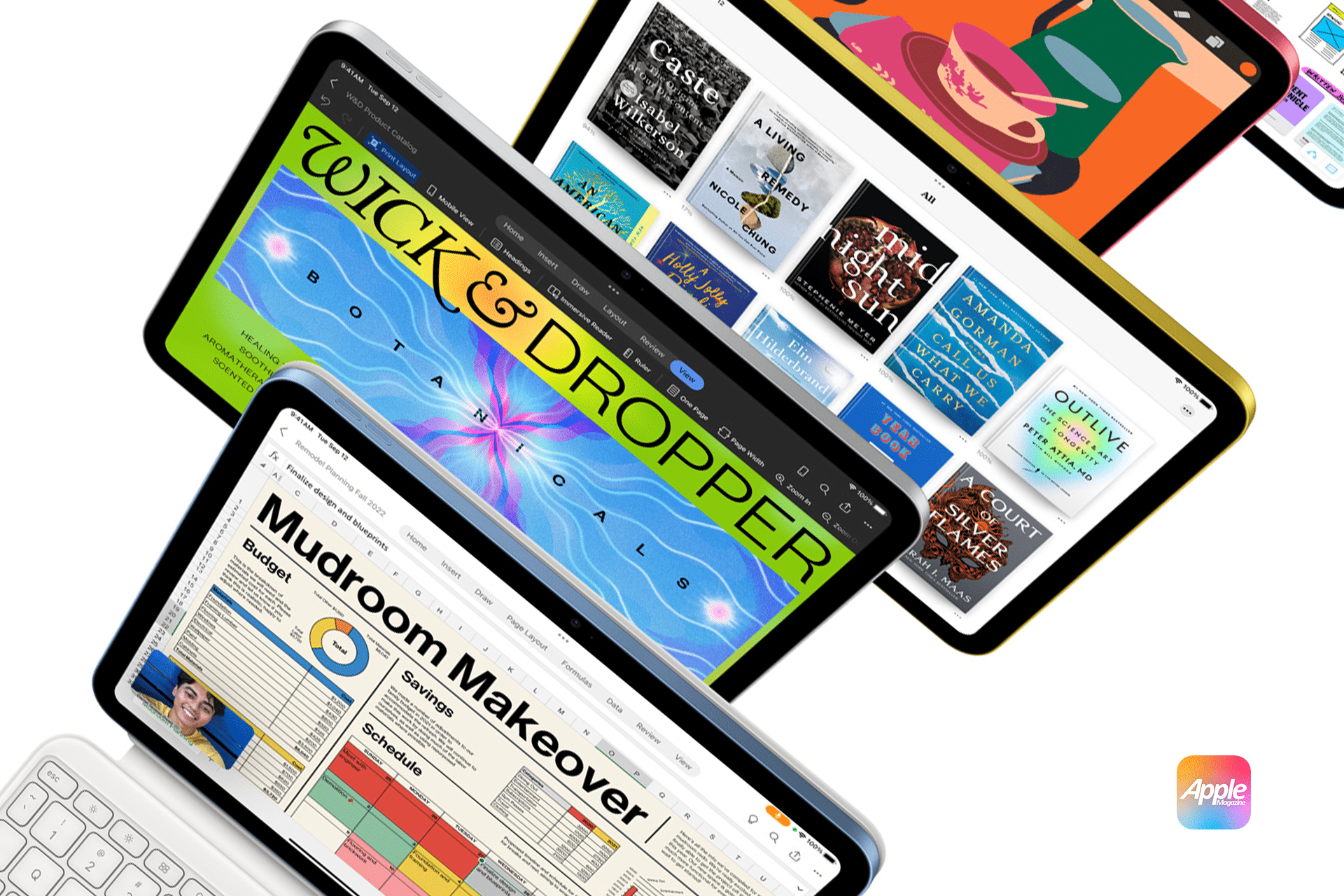
The iPad reached its optimal form factor years ago. Since then, Apple’s innovation has concentrated on what the device can do rather than how it looks. Processing power, display quality, input methods, and software capabilities have expanded dramatically while the hardware shape remains largely unchanged.
This stability has allowed Apple to push iPad into new roles — creative tool, productivity device, education platform — without forcing users to adapt to unfamiliar designs. The hardware fades into the background, letting software and performance take center stage.
In this sense, the iPad demonstrates how mature design can act as a foundation for future innovation rather than a constraint.
Why Less Visible Innovation Is Harder
Obvious innovation is easy to market. Quiet innovation requires confidence. It means trusting that users will feel the improvement even if they cannot immediately see it.
Apple’s design teams increasingly operate in this space. They refine tolerances, materials, transitions, animations, and interactions at a level that borders on invisible craftsmanship. The result is a product that feels better rather than looks different.
This is especially important in devices used constantly. Subtle improvements compound over time, shaping comfort, reliability, and satisfaction in ways that dramatic redesigns often fail to achieve.

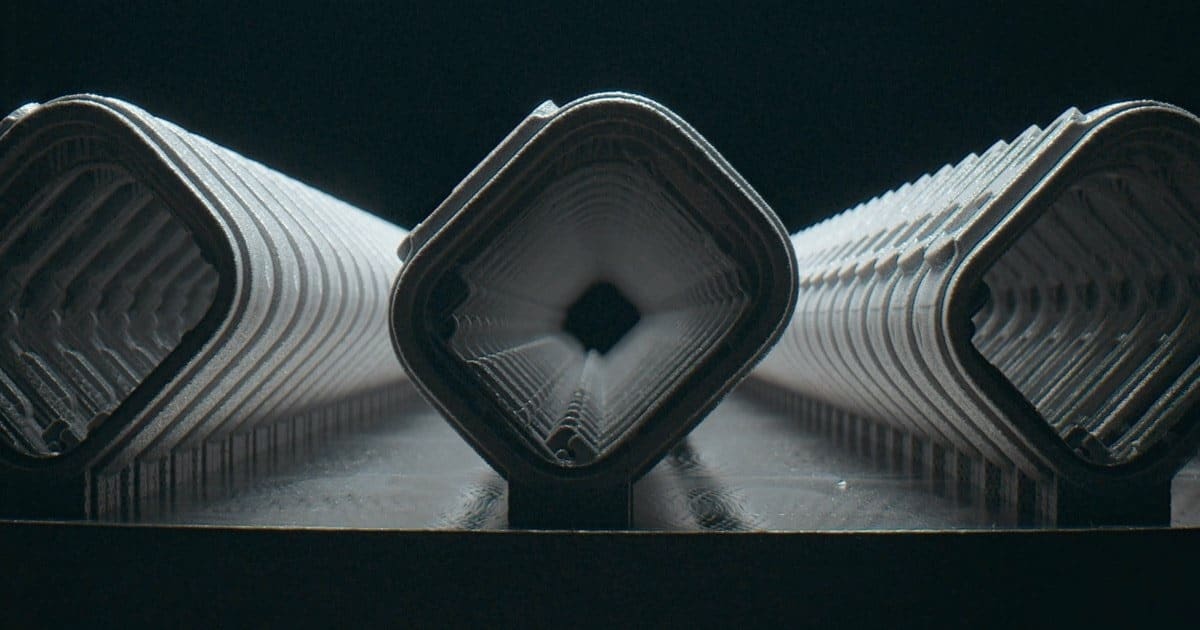
Innovation as Continuity
Apple’s design philosophy treats continuity as a feature. Familiarity reduces friction, lowers cognitive load, and strengthens emotional connection. When users pick up a new Apple device, it should feel instantly understandable — not because it lacks innovation, but because innovation has been integrated seamlessly.
This philosophy extends across the ecosystem. iPhone, iPad, Mac, Watch, and even services evolve together, reinforcing a shared design language that values coherence over spectacle.
The challenge Apple faces is not how to innovate, but how to innovate without breaking trust. That requires a level of discipline few companies maintain at scale.
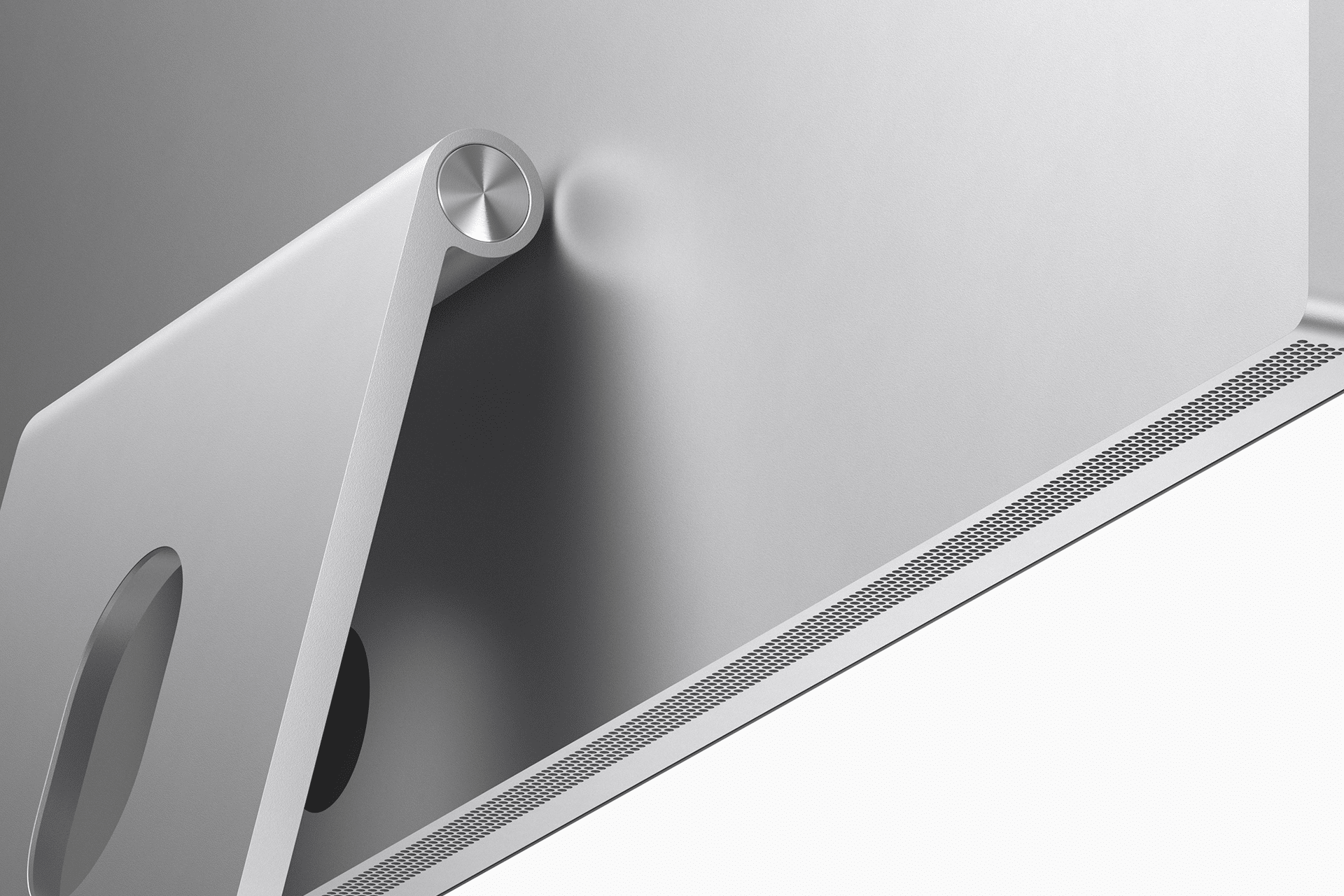
Designing for the Long Term
As Apple’s products approach their most refined forms, innovation becomes less about disruption and more about stewardship. The goal shifts from surprising users to supporting them better over time.
This perspective explains why Apple can appear conservative while still advancing rapidly beneath the surface. The company invests in improvements that last, not ones that merely attract attention.
In the long run, this quiet approach to design may be Apple’s most enduring innovation — proving that the highest level of design is not about doing more, but about knowing exactly what not to change.