

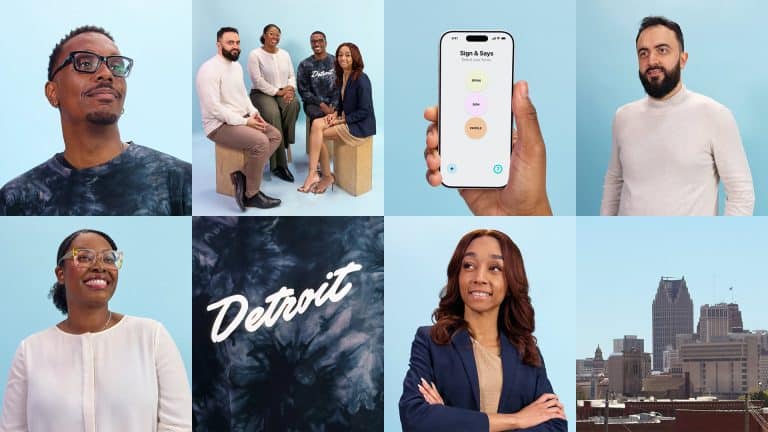
Apple Developer Academy in Detroit is marking its fifth commencement with a milestone that speaks to the city’s growing role in technology education. Since opening in 2021, the academy has welcomed more than 1,800 learners across its free programs, giving students in Detroit access to coding, design, marketing, project management, business, and artificial intelligence training.
The Detroit academy is operated in collaboration with Michigan State University and the Gilbert Family Foundation. It remains the first and only Apple Developer Academy in the U.S. and the only program of its kind in North America. This year’s fifth cohort includes 200 Detroiters who completed training designed to prepare them for careers in the app economy and other technology-focused roles.
Apple’s global academy network includes 19 locations around the world, all designed to expand access for app creators, designers, and entrepreneurs. In Detroit, that work carries a local meaning because many of the students were born and raised in the city and are using app development to solve problems they have seen in their own communities.
Apple Developer Academy Builds Detroit’s App Economy
The Apple Developer Academy in Detroit offers a free, intensive nine-month program built around a custom curriculum. Students learn Swift, app design, business strategy, marketing, project management, and newer artificial intelligence technologies. Apple says more than 70% of learners who start at the academy go on to complete the program.
The academy also offers Apple Foundation Programs, shorter four-week courses focused on the fundamentals of app development. In Detroit, those programs are offered through Michigan State University, Henry Ford College, and the College for Creative Studies, giving more students a lower-barrier entry point into the developer ecosystem.
That structure matters because not every learner arrives with the same goal. Some come in wanting to become coders. Others discover design, project management, entrepreneurship, accessibility, animation, or community organizing along the way. Apple’s newsroom feature highlights several graduates whose paths changed after they entered the academy, showing how the program is built around exploration as much as technical training.
Challenge-based learning is a major part of that approach. Instead of only following a fixed path, students are pushed to identify real-world problems, research them, build ideas around them, and adjust when the work points in a new direction. For many students, that becomes the difference between learning to code and learning how to build something people may actually use.


Apps Built Around Accessibility and Community
One of the clearest examples is BeAware Deaf Assistant, an app developed by Saamer Mansoor and his teammates during the academy’s first cohort. The idea came from a prompt asking students to identify a problem affecting a minority group. The team realized they each knew someone who was deaf or hard of hearing and faced daily barriers around interpretation, transcription, and accessibility.
BeAware uses Apple’s Neural Engine to provide real-time transcription and translations using machine learning. The team consulted with Deaf and hard-of-hearing communities while building the app, and Apple says it has since been translated into 25 spoken languages. It has also been used as a transcription tool by institutions including George Washington University.
Feedback from professors and event organizers later pushed the team toward ConferenceCaptioning, a separate product designed for classrooms, conferences, churches, and large events. The product was built for live audiences, multilingual communication, and event production reliability, with the ability to work without an internet connection.
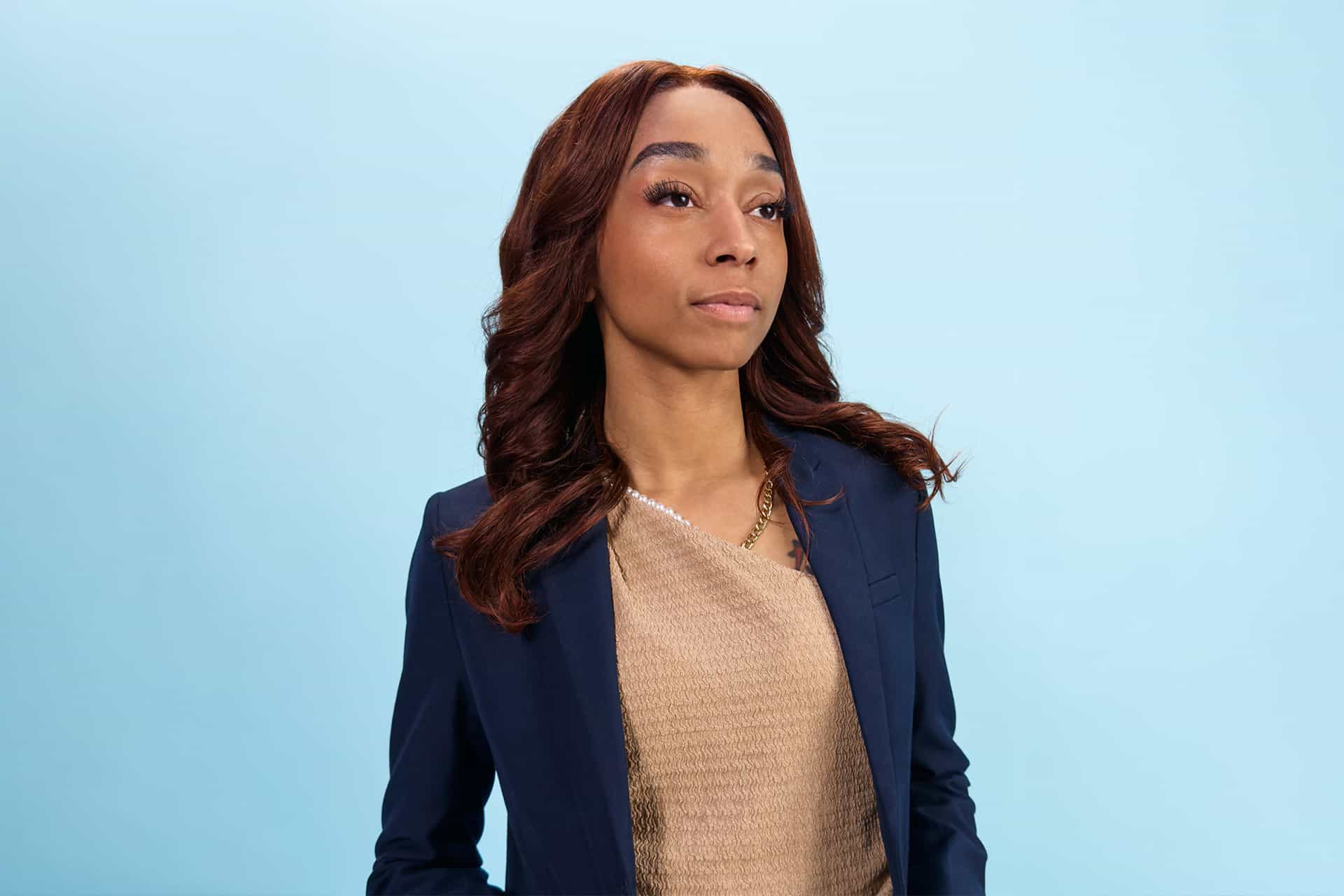
Courey Jimenez, a 2026 academy graduate and Swift Student Challenge winner, built Sign & Says, a PECS app that uses simple American Sign Language signs to support communication for people who may prefer signs to pictures. The app includes a care card feature that trusted supporters and teachers can use to log triggers, behaviors, and coping mechanisms.
Jimenez originally entered the academy wanting to learn Swift, then discovered project management and found a role that let her support coders, designers, and the broader product vision. Her path shows one of the academy’s stronger arguments: app development is not only a coding career. It also depends on research, design, leadership, communication, and the ability to understand the people a product is meant to serve.
Creative Technology Beyond Coding
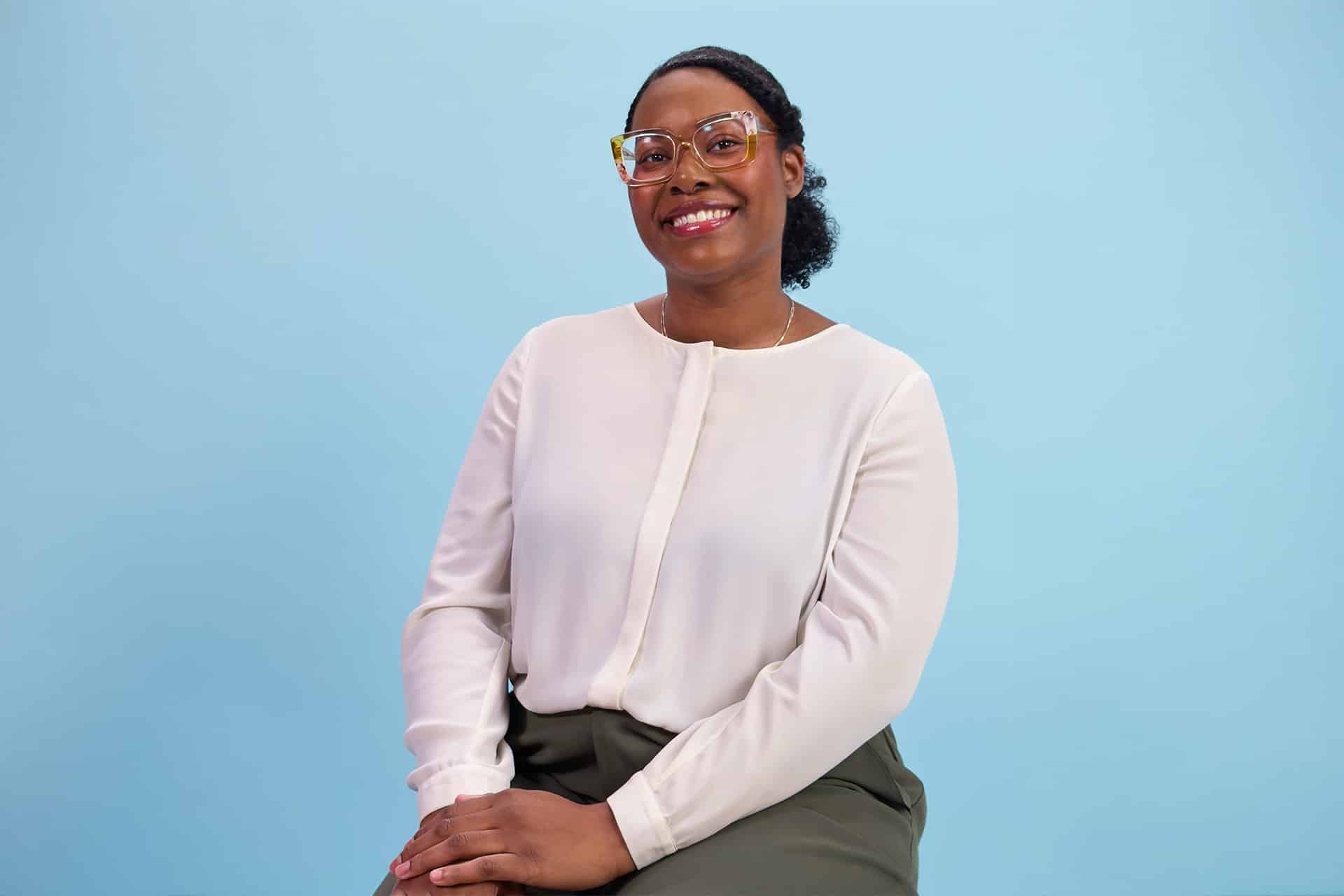
The academy’s impact also reaches beyond app utilities and accessibility tools. Briaca Duesette entered the program to study coding and design, then discovered animation and began building Animation Discovery Studio. Her goal is to create infrastructure for creative technology in the Detroit neighborhood where she grew up, giving young visual storytellers access to tools and education she did not see available earlier in life.
That kind of work expands the definition of a developer academy. The program is not simply producing apps for the App Store. It is helping students connect technology to storytelling, business, education, accessibility, and local creative economies.
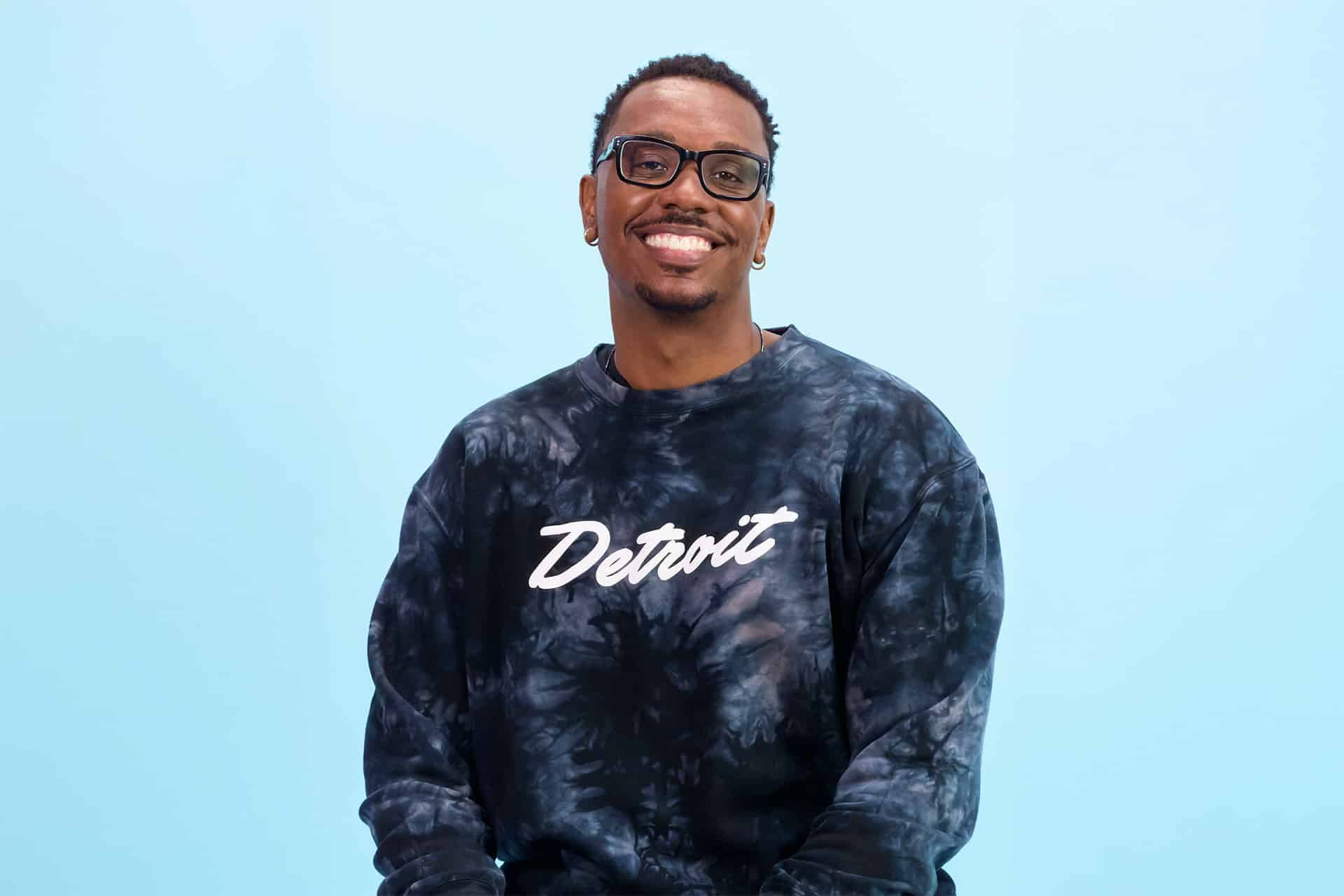
Nick Gordon, an academy alum and lead coding mentor, represents another part of that cycle. After gaining confidence and leadership skills through the academy, he cofounded DevsCreate313, a nonprofit focused on strengthening Detroit’s tech ecosystem through hands-on learning. His work points to a larger community effect, where graduates return as mentors, organizers, and builders for the next group of learners.
Apple also notes that Detroit students can continue into the Renaissance program, which offers 50 second-year learners advanced training, mentorship, collaboration with local organizations, and specialized workforce experience. That creates a path beyond the first academy year for students who want deeper professional preparation.
Why Detroit Matters to Apple’s Developer Strategy
Detroit gives Apple’s developer education work a different context than a traditional campus or tech hub. The city has a long industrial history, a strong creative identity, and a population often left out of early access to technology opportunities. Apple’s feature leans into that connection, presenting Detroit not as a backdrop, but as a source of the academy’s urgency and character.
That local grounding is important because the app economy can feel abstract when discussed only through global numbers. In Detroit, the academy’s work is more personal. Students are building tools for Deaf and hard-of-hearing users, alternative communication, creative education, community coding, and local entrepreneurship. Their ideas come from family experiences, school gaps, neighborhood needs, and the city’s own history of reinvention.
For Apple, the academy also strengthens a larger developer pipeline. The company depends on a healthy App Store ecosystem, and that ecosystem depends on people who know how to design, build, launch, and sustain software. Programs like the Apple Developer Academy help Apple expand that talent base while tying technical education to entrepreneurship and community impact.
The inclusion of AI technologies in the Detroit curriculum also reflects where developer education is moving. Future app creators will need more than interface design and basic coding. They will need to understand machine learning tools, responsible AI use, accessibility, privacy, and how intelligent features can solve practical problems without becoming disconnected from real users.
A Fifth Commencement With a Wider Signal
The fifth commencement gives Apple a moment to show that the Detroit academy is no longer an early experiment. More than 1,800 learners have passed through its programs since 2021, and its graduates are now building apps, companies, nonprofits, and community organizations that extend the academy’s reach.
That progress matters because developer education is most valuable when it produces momentum outside the classroom. BeAware, ConferenceCaptioning, Sign & Says, Animation Discovery Studio, and DevsCreate313 all show different versions of that outcome. Some are products. Some are businesses. Some are community infrastructure. All of them began with students being given room to identify a problem and build around it.
Apple often presents its education work through devices and software, but the Detroit academy shows a more human version of the same strategy. The tools matter, but the larger story is access: access to training, mentors, peers, local partnerships, and a path into a technology economy that can otherwise feel distant.
The academy’s next stage will likely depend on how well it continues connecting students to real opportunities after graduation. Detroit already has the talent. The academy’s role is to give more of that talent the resources, structure, and confidence to build apps, companies, and creative technology projects that stay connected to the city that shaped them.