

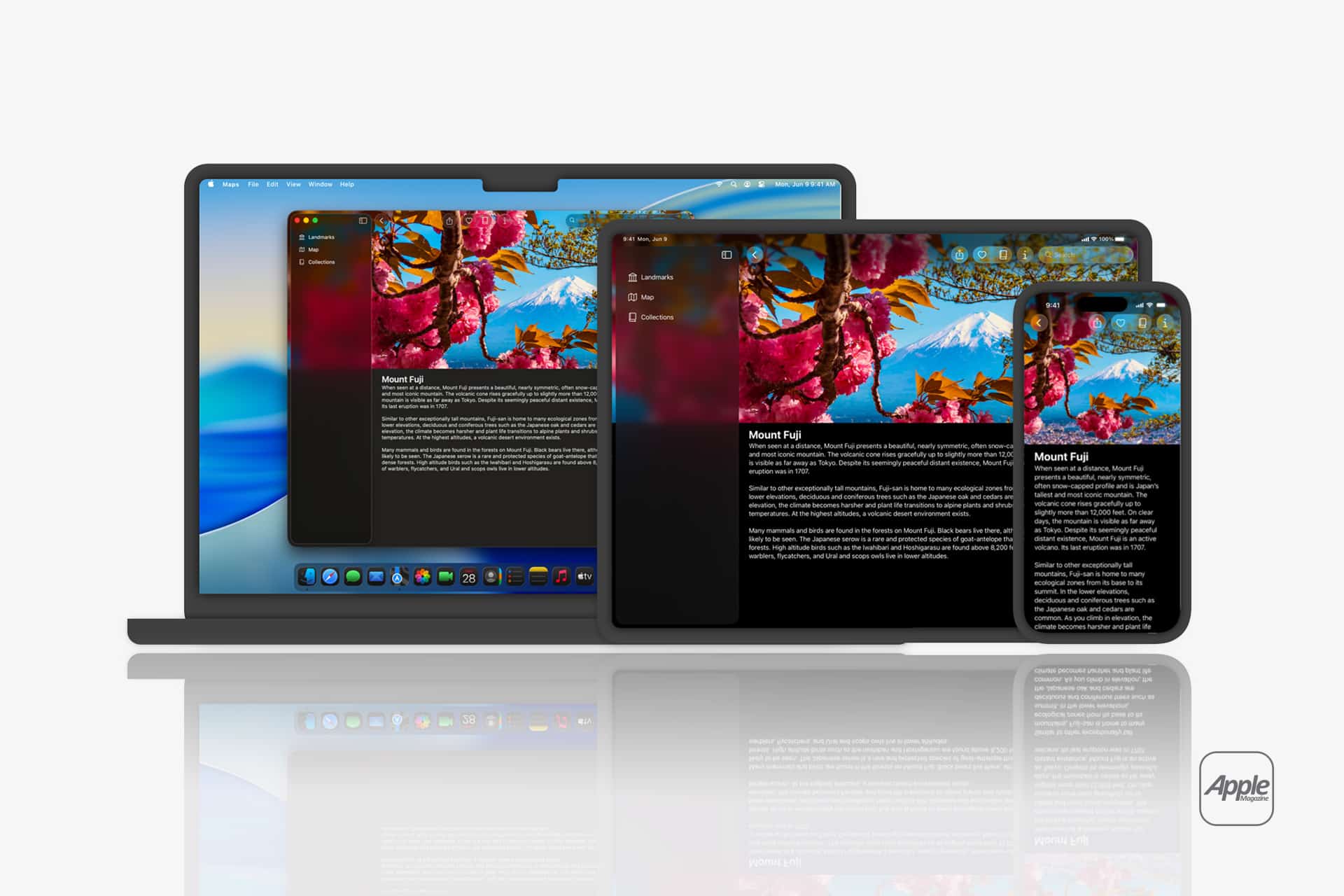
The Apple developer ecosystem sits at the center of the modern mobile software economy. Since the App Store launched in 2008, it has grown into a global distribution network that connects developers to hundreds of millions of users across iPhone, iPad, Mac, Apple Watch, and Apple TV. Combined with Apple’s APIs and development frameworks, the ecosystem continues to shape how applications are built, monetized, and scaled worldwide.
The App Store as a Global Distribution Engine
The App Store provides developers with direct access to more than 175 storefronts worldwide. This infrastructure handles payments, regional taxation, currency conversion, and compliance requirements across multiple jurisdictions. For independent developers and global software companies alike, this centralized distribution model reduces friction in launching and expanding apps internationally.
App monetization models within the Apple developer ecosystem include paid downloads, in-app purchases, subscriptions, and ad-supported frameworks. Apple’s in-app purchase system standardizes billing and user authentication, creating a consistent purchasing experience across devices.
Subscription services, in particular, have expanded within the ecosystem. Apps offering streaming, productivity tools, fitness programs, and educational platforms rely on Apple’s subscription APIs to manage renewals, pricing tiers, and account integration. The result is a recurring revenue model that supports long-term developer sustainability.
The App Store also provides editorial placement, search visibility, and category ranking systems that help apps gain exposure. For many developers, discoverability within Apple’s ecosystem remains a major growth lever.


Apple APIs and Development Frameworks
The Apple developer ecosystem extends far beyond storefront distribution. Its APIs and frameworks define how apps interact with hardware, software, and system services.
Core frameworks such as SwiftUI, UIKit, and AppKit allow developers to build consistent interfaces across devices. APIs for camera access, augmented reality, health data, machine learning, and secure authentication enable deeper integration with Apple hardware.
For example:
- ARKit supports augmented reality applications using device cameras and motion sensors.
- HealthKit enables health and fitness apps to integrate securely with Apple Health data.
- Core ML allows developers to run machine learning models directly on-device.
- CloudKit provides cloud-based storage and synchronization within Apple’s ecosystem.
These APIs are tightly aligned with Apple’s hardware capabilities. When Apple introduces new chips, sensors, or features, developers gain immediate access to corresponding APIs through software updates and SDK releases.
This integration reduces fragmentation. Developers target a known hardware and operating system environment, allowing them to optimize performance and maintain compatibility across supported devices.
Developer Tools and Platform Stability
Xcode serves as the primary development environment for building apps within the Apple ecosystem. It integrates testing tools, performance monitoring, simulators, and debugging systems that streamline the development process.
Swift, Apple’s programming language, continues to evolve with performance and safety enhancements. Its modern syntax and memory management model simplify code maintenance while supporting high-performance applications.
Annual developer conferences and software updates introduce refinements to APIs and tools. The predictable cadence of platform releases gives developers time to prepare updates and align roadmaps with upcoming features.
Platform stability plays a significant role in the ecosystem’s longevity. Developers benefit from long-term operating system support cycles and consistent API documentation, which reduces the risk associated with maintaining apps over time.

Economic Impact and Global Scale
The Apple developer ecosystem has generated billions in developer earnings since the App Store’s inception. Small studios, independent developers, and multinational software firms all operate within this shared infrastructure.
The global reach of the App Store means apps can launch simultaneously in multiple countries. Localization tools and region-specific storefronts allow developers to tailor pricing and content for local markets.
Enterprise developers also participate through business-to-business apps, internal tools, and device management systems. Apple’s enterprise APIs and security frameworks support industries ranging from healthcare to finance.
The ecosystem’s economic footprint extends beyond software revenue. Hardware sales often correlate with app demand. As more users adopt Apple devices, the potential addressable market for developers expands.
Ongoing Evolution of the Ecosystem
The Apple developer ecosystem continues to evolve with new hardware categories and software capabilities. Expanding device types, including spatial computing platforms and wearable devices, create additional surfaces for app development.
At the same time, regulatory discussions around app marketplaces and platform policies continue globally. Changes in regional legislation may influence distribution models, commission structures, and alternative payment systems in certain markets.
Despite these shifts, the core structure remains consistent: a centralized storefront, integrated APIs, unified development tools, and direct access to a large global user base.
The App Store and Apple APIs together form a system that connects developers to devices, devices to users, and users to digital services. As hardware advances and software frameworks expand, the Apple developer ecosystem remains a central driver of the global app economy.
