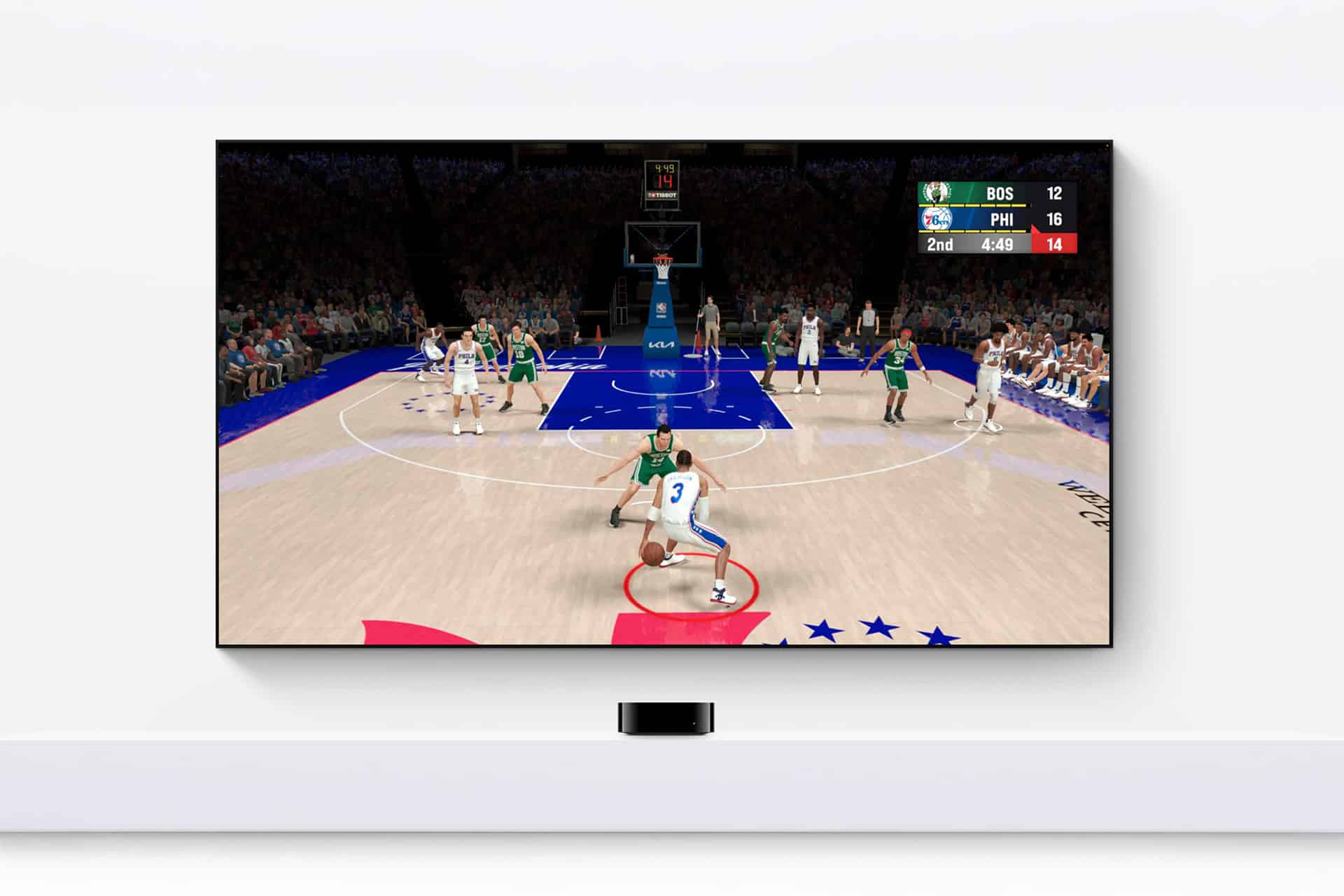
Apple gets a lot of praise for making things look pretty. People love the sleek metal edges and the clean software. However, underneath that shiny glass, these gadgets are absolute beasts for entertainment. Mobile gaming exploded recently, and Apple sits right at the front of the pack. They didn’t just stumble into this position by accident. Instead of just throwing random parts together, the company figured out how to make tapping on glass feel like a real adventure. We are going to look at the exact reasons why playing on these screens feels so good, breaking down the clever screen tech, the snappy controls, and the raw speed that makes it all work. We will look at why these principles keep Apple at the forefront of mobile play, making their phones and tablets the top choice for anyone wanting to get lost in a digital world.
1. Intuitive Interfaces and Tactile Feedback
iOS and iPadOS are built to get out of your way. Simplicity rules here. Because of this, you aren’t stuck wrestling with annoying menus when you just want to get into a match. The screen picks up your fingers the exact millisecond you press down. If you are playing a fast shooter or a racing game, a tiny bit of lag means you lose, making that instant response a total lifesaver.
Game makers have the tools to place digital buttons exactly where your thumbs naturally rest. Plus, the software is smart enough to hide annoying pop-ups and background updates, meaning a random text message isn’t going to get you killed in the middle of a boss fight. You can swipe away an incoming call without the game freezing or crashing. This frictionless environment lets you focus entirely on the screen.
Feeling the game makes it real. The Taptic Engine inside an iPhone does not just buzz randomly. It gives you sharp, precise clicks and rumbles.
- Pulling back a digital slingshot feels tense.
- A heavy car landing on dirt gives a solid thud.
- Typing in a game menu feels like pressing physical buttons.
Every little buzz syncs up with what your eyes are seeing. It basically fools your brain, making you feel like you are actually holding the items on the screen rather than just holding a flat piece of metal and glass.
2. Captivating Visuals and Display Technology
We rely on our eyes to pull us into virtual spaces. Apple’s Super Retina XDR screens do a fantastic job of this, offering wild contrast and serious brightness. Deep shadows look properly dark, while colours punch through the glass. Every scene looks brilliant, whether you are wandering through a gloomy fantasy dungeon or trying your luck at an online casino.
The pixel density is so high that jagged edges basically vanish. You get a smooth, cinematic view that rivals a television plugged into a console. Spotting a tiny detail in the distance is easy. Text is crisp, and the artwork shines exactly as the creators intended.
Raw resolution is only half the story. Apple adds True Tone and a P3 wide colour gamut into the mix. True Tone watches the light in your room and adjusts the screen’s warmth to match. This stops your eyes from burning after a long session.
The P3 colour gamut makes sure the reds, blues, and greens you see match what the artist painted in the studio. A subtle shadow or a bright flash will look incredibly real, and it’ll pull you right into the action. When a game looks this natural, your brain easily accepts the illusion.


3. Seamless Performance and Power Management
Pretty graphics are useless if the game stutters. Apple’s custom chips fix that problem entirely. The A-series inside iPhones (and the M-series in iPads and Macs) pack desktop-level power into a tiny space. These chips chew through heavy physics and complex lighting without breaking a sweat.
Because Apple builds both the chip and the software, games run like a dream. Frame rates stay high. Loading screens flash by in seconds. You are rarely left staring at a spinning wheel, as the unified memory feeds data to the graphics processor instantly.
Thermal Management for Extended Play
Fast processors get hot. Rendering 3D worlds generates a lot of heat, which usually forces a phone to slow down to protect itself. Apple engineers tackle this with clever thermal management. They pull the heat away from the main chip so the device keeps running at top speed.
You can play heavy titles for hours. The phone stays comfortable to hold, as the heat spreads out evenly. Consistent speed means you don’t suddenly lose a race because your phone decided to take a breather.
It is also worth talking about battery life, because nobody likes their screen going black right before a save point. Apple’s chips are not just fast; they are incredibly efficient. They sip power when you are doing simple tasks and only draw heavy current when the game really demands it. This means you can easily survive a long train ride or a cross-country flight without frantically searching for a charging cable. The software constantly monitors what is happening on screen, dimming areas or slowing down background apps to squeeze every last drop of juice out of the battery. You get more hours of actual playtime, which is exactly what you want when you are stuck away from a plug socket.
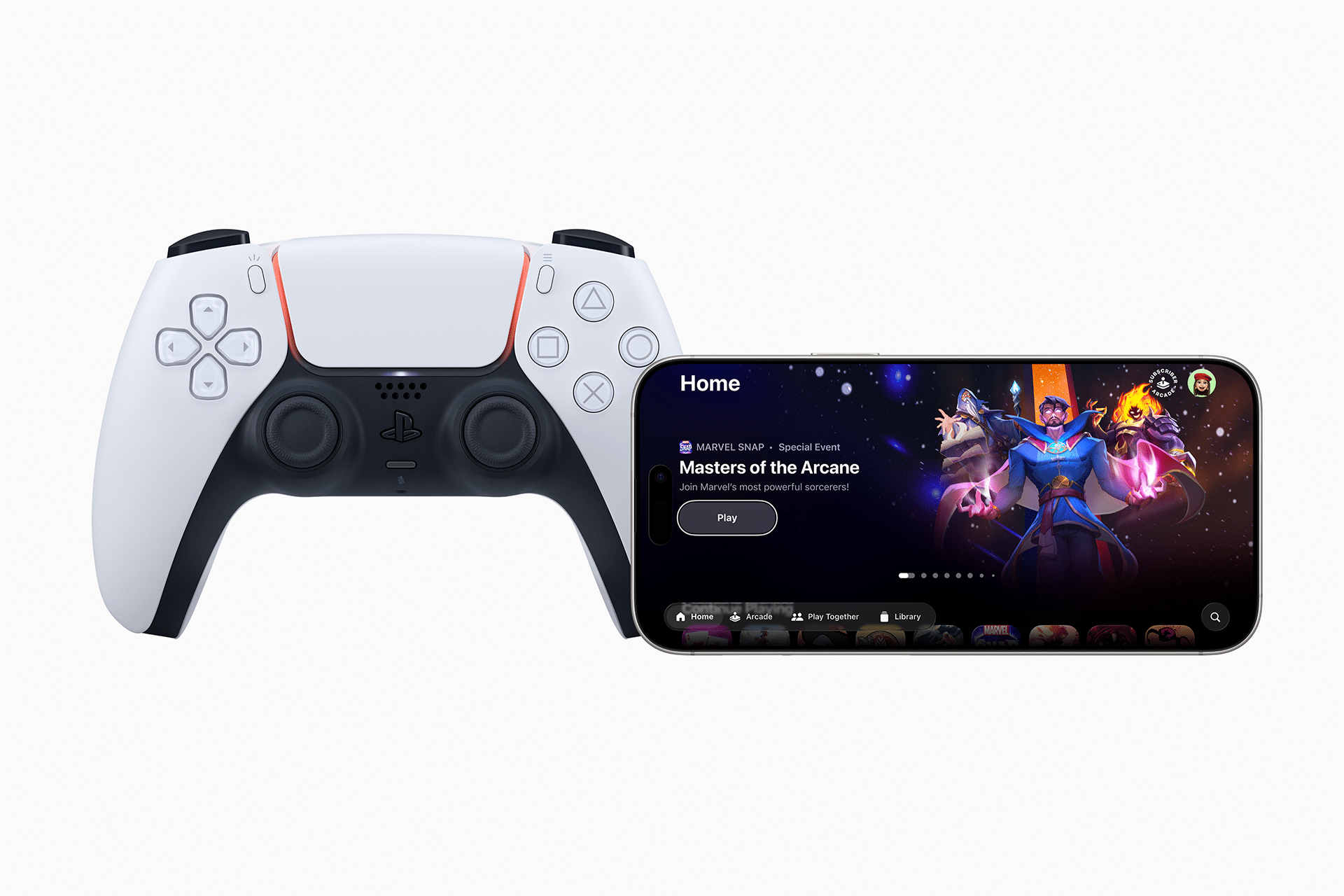
4. Immersive Audio Ecosystems
Sound builds a believable world just as much as graphics do. The built-in speakers on an iPad or iPhone sound surprisingly wide. However, pairing them with compatible headphones (e.g., AirPods Pro) changes everything.
Dynamic head tracking creates a 3D bubble of sound around you. If a monster growls behind your left shoulder, you hear it exactly there. This gives competitive players a huge advantage. It also makes story-driven games feel incredibly intense.
5. Playing Across All Your Screens
The last big advantage is how well all these gadgets talk to each other. iCloud and Continuity let you start a puzzle on your phone on the train, then finish it on your Mac at home. Game Centre syncs your saves and friends lists quietly in the background.
You are never locked to one screen. Transitioning between devices takes seconds, so your gaming life flows smoothly across your entire day.
Apple has carefully combined brilliant screens, massive processing power, and clever software to build a space where games thrive. When all of these pieces are put together, it makes playing games on the bus or the sofa feel just as good as sitting in front of a big TV.