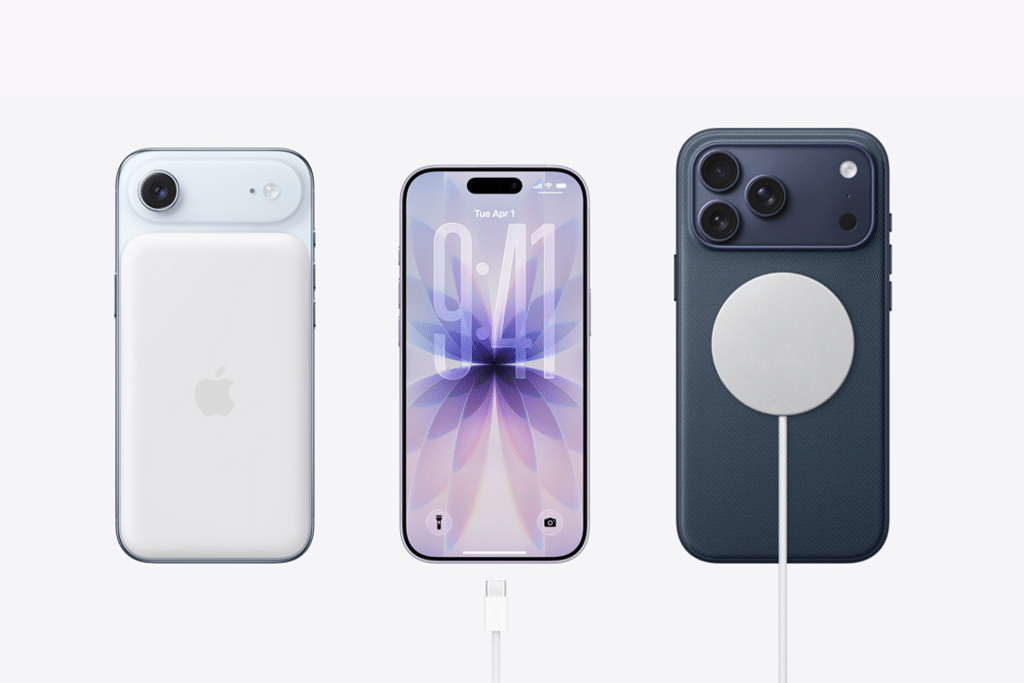
Unlike software bugs or hardware defects, these differences often come from outside the product itself. They arise from voltage dips, brownouts, surges and noisy power lines in regions where electrical infrastructure is inconsistent or overloaded, and they can quietly influence long-term performance and battery health.
Modern Apple hardware is built to global electrical standards and includes multiple layers of protection, from power-management chips in chargers to safety circuits inside devices. Even so, regional power grid issues can force these protections to work harder. When current fluctuates repeatedly during a charging session, devices pause and restart charging, adjust how much power they draw or trigger additional thermal management. Over months and years, these patterns can affect how quickly batteries wear and how often users notice heat during charging.
Power Grid Issues And Apple Devices In Daily Use
One of the clearest links between power grid issues and Apple devices appears in charging behavior. In areas where voltage sags during peak hours or spikes suddenly when heavy loads switch on and off, iPhone and Mac chargers constantly adapt to changing conditions. The built-in electronics lower output when power quality drops below safe thresholds and resume normal charging once the line stabilizes. On a stable grid this adaptation is rare; on a weak grid it can happen many times each day.
These micro-interruptions are largely invisible to users, but they change the shape of charging cycles. Instead of a smooth curve from low to full, the device may creep up in small segments, pausing when the line dips and resuming when it recovers. That behavior helps protect the hardware, yet it also means batteries experience more partial top-ups and thermal fluctuations. In warmer climates, where ambient temperature is already close to recommended limits, the combination of unstable power and higher heat can further stress cells over time.

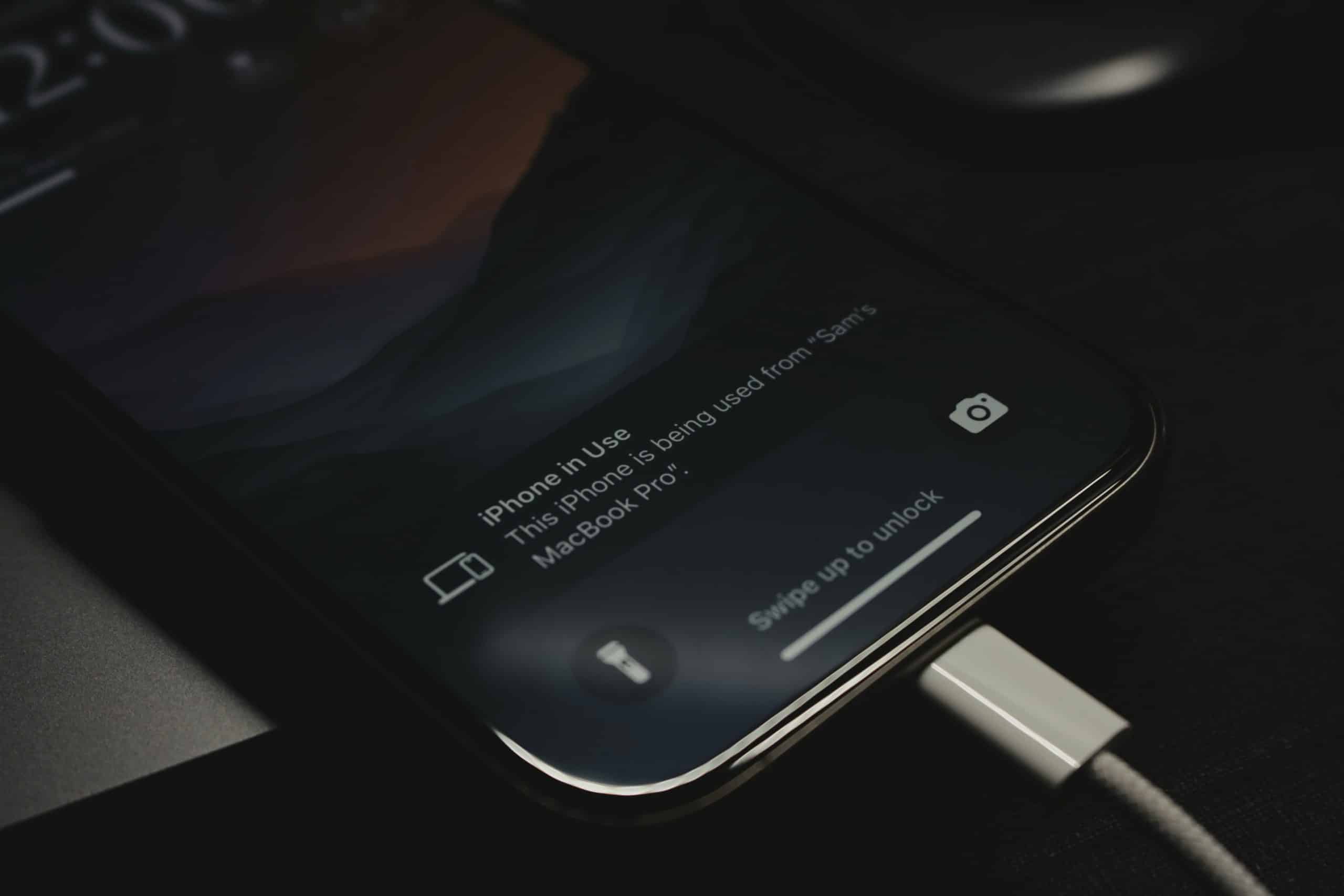
Power grid issues and Apple devices intersect in other ways as well. Short brownouts can leave chargers repeatedly reconnecting, creating a pattern of brief inrush currents that components must absorb. In homes with aging wiring or inadequate grounding, voltage differences between outlets may lead to inconsistent charging speeds or rare but noticeable tingling sensations when touching metal enclosures. These effects are symptoms of the infrastructure more than the device, but from the user’s perspective the distinction is not always obvious.
Regional Patterns And Everyday Charging Behavior
Differences in grid reliability create distinct experiences for Apple users around the world. In large cities with modern infrastructure, power quality is generally consistent and most issues arise only during extreme weather or isolated failures. In contrast, users in regions with frequent load-shedding, long rural distribution lines or older substations describe a more delicate relationship between Apple devices and power grid issues.
During scheduled or repeated blackouts, many households rely on low-cost inverters, generators or backup systems that do not always provide clean sine-wave output. These sources can introduce electrical noise and voltage variation, forcing chargers to downshift or occasionally refuse to start charging. Some users notice that iPhones charge more slowly or warm up more on certain backup systems than on stable wall outlets, even when using original Apple adapters.
Independent repair shops and battery-replacement services in countries with less reliable grids often report earlier-than-expected declines in maximum battery capacity. While usage patterns and climate play a role, local technicians regularly point to poor power quality as a contributing factor. The pattern becomes clearer when comparing similar device models used under different electrical conditions: devices on stable grids tend to maintain higher battery metrics for longer, even when used just as intensively.
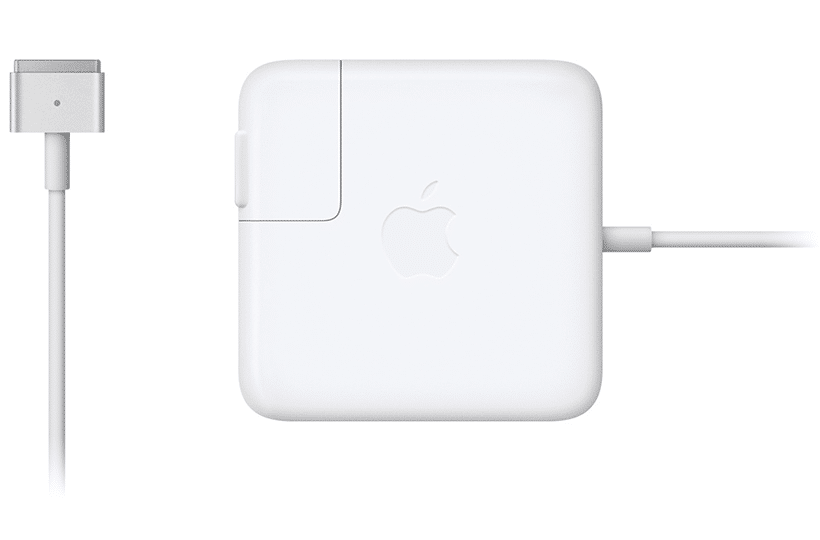
For laptops and desktops, power grid issues and Apple devices intersect in the form of sudden shutdowns or resets when voltage falls below the minimum needed to keep internal power supplies active. Built-in protections limit damage, but repeated events can leave file systems in less consistent states and force more frequent system checks on restart. Over time, users in these regions adapt by avoiding intensive work during known high-risk hours or by adding protective equipment between the outlet and the device.

Practical Ways To Protect Apple Devices From Grid Problems
Because the underlying cause lies in public infrastructure, users cannot fully eliminate power grid issues. They can, however, reduce the impact on Apple devices with a few practical changes in how and where they charge. Using well-designed surge protectors with proper grounding helps absorb spikes before they reach the charger, lowering the chance that short bursts of high voltage stress components. In regions where surges are common after storms or grid switching events, this simple step often makes a visible difference in how often devices disconnect or restart during charging.
Uninterruptible power supplies and higher-quality inverters provide another layer of separation between Apple devices and power grid issues. By smoothing out dips and brief outages, they allow chargers to operate against a more stable input. This kind of intermediary hardware can be especially useful for desktop Macs, external storage and network equipment that should not lose power abruptly. For mobile devices, using reputable power banks can also help, since many banks regulate their own output more tightly than the wall source feeding them.
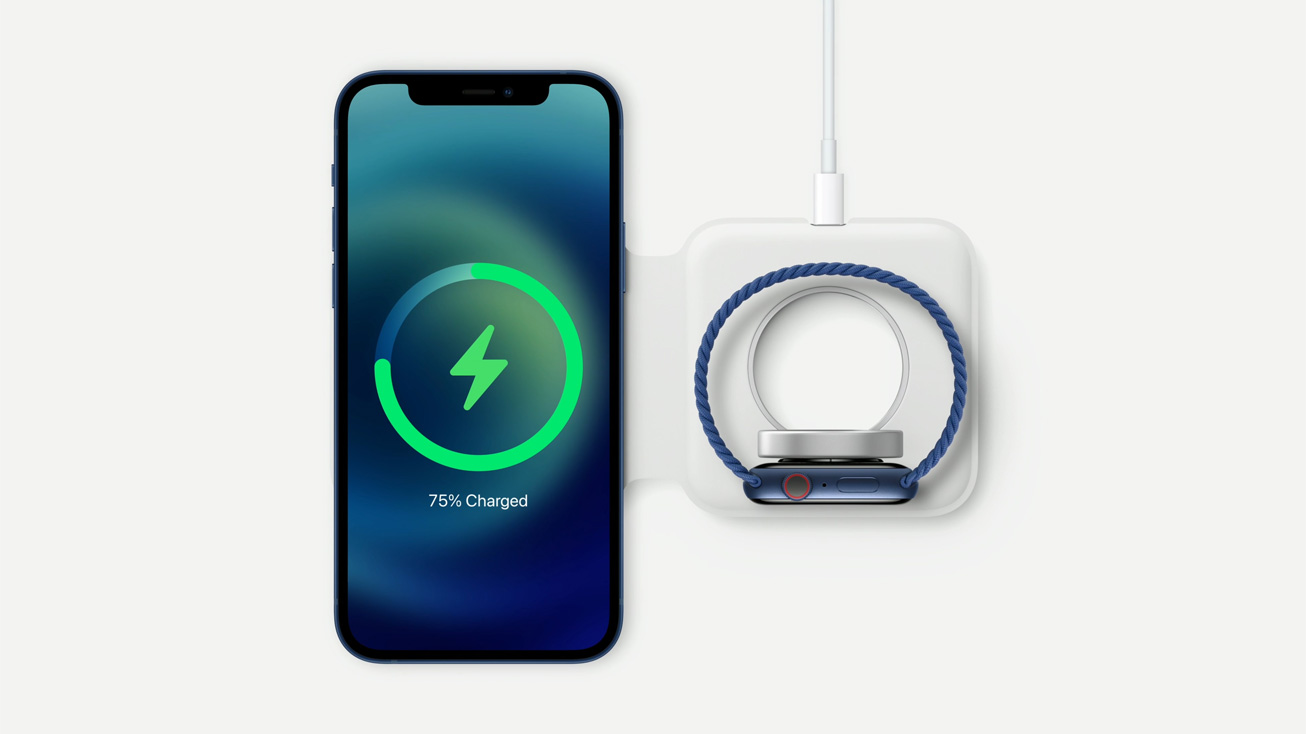

Charging habits matter as well. In regions where evening demand pushes grids near their limits, charging iPhones and Macs overnight or during off-peak hours often results in more consistent power. Apple’s optimized charging features can then work with predictable patterns, slowing the battery’s time at 100% and reducing stress. When combined with more stable electrical conditions, these software tools are better able to preserve long-term battery health.
As more countries modernize their grids and expand renewable generation, the relationship between Apple devices and power grid issues may gradually shift. Until those upgrades become widespread, understanding how local electricity quality interacts with chargers, batteries and thermal systems can help users in vulnerable regions adjust their setups and routines in ways that keep devices running reliably for longer periods.