Apple domination has rarely depended on creating a category from zero. The iPod did not invent digital music players. iPhone did not invent smartphones. Apple Watch did not invent smartwatches. The company usually enters markets that already exist, removes friction, tightens the connection between hardware and software, and turns a confusing or unfinished category into something people want to use every day.
That pattern is useful when looking toward 2030. Apple may not dominate every market it enters, and some categories may grow more slowly than iPhone or Apple Watch. Still, the company has the same advantages that helped define earlier technology shifts: custom silicon, a massive installed base, retail reach, services, privacy positioning, developer support, supply-chain control, and more than two billion active devices already in use.
The next wave of Apple domination is likely to come from industries close to the body, the home, personal identity, entertainment, health, and artificial intelligence. These are not distant opportunities. They already connect to iPhone, Apple Watch, AirPods, Apple Vision Pro, Apple Wallet, Apple TV, HomePod, and Apple Intelligence.

Apple Domination in AI Assistants
AI assistants are the most urgent target. Siri has fallen behind ChatGPT, Google Gemini, and other modern assistants, but Apple still has one advantage those rivals cannot fully copy: direct access to the personal device ecosystem.
A rebuilt Siri could become the main control layer across iPhone, iPad, Mac, Apple Watch, Apple Vision Pro, Apple TV, HomePod, and future Apple devices. The goal would not be to create another chatbot. The strongest opportunity is a personal assistant that understands context, sees what is on screen, finds information with permission, takes action inside apps, and completes multi-step tasks across the system.
That would make AI more useful than a separate app. A user could ask Siri to find a file, summarize a message thread, adjust Home settings, pull up photos from a trip, edit text, send a reminder, prepare a schedule, or complete a task inside a third-party app without moving through several menus.
Distribution gives Apple a serious advantage. Siri is already built into the devices people own. The company does not need users to download a new AI app or create a new habit from scratch. It needs Siri to become useful enough that people trust it again.
The challenge is speed. Google and OpenAI have moved faster in model capability, while Apple has taken a more cautious path. By 2030, Apple domination in personal AI may depend on a hybrid model: on-device processing for private and simple tasks, Private Cloud Compute for more demanding requests, and outside model partnerships when extra capability is needed.
Health and Preventive Care
Health may be the strongest long-term Apple domination target. Apple Watch already changed the watch industry by turning a wrist accessory into a health, fitness, safety, communication, and payments device. The next step is turning Apple Health into a broader preventive-care platform.
Apple already has the foundation. Apple Watch tracks heart rate, ECG, sleep, workouts, temperature trends, cycle tracking, walking steadiness, fall detection, crash detection, and other health signals. iPhone stores health records, medication reminders, activity data, hearing information, mental wellbeing logs, and third-party app data. AirPods are also moving closer to hearing health through features that support hearing tests and hearing assistance where available.
By 2030, Apple can target the space between everyday wellness apps and formal medical care. Most people do not need a hospital every day, but they need better insight into sleep, stress, heart health, fitness, hearing, medication habits, mobility, and long-term health trends.
The company has reportedly been working on more AI-powered health guidance, even if some features have taken longer than expected. If Apple can combine Apple Watch data, Health app trends, AI coaching, and clinician-friendly reports without making unsafe medical claims, it could become the leading consumer health platform.
The opportunity is not only selling more watches. It is building a health ecosystem around services, subscriptions, clinical partnerships, research, insurance relationships, and long-term user trust. Apple does not need to replace doctors. It can become the daily health dashboard people use before they need a doctor.

Smart Glasses and Everyday Wearables
Smart glasses may become the next Apple Watch-style opportunity. Apple Vision Pro proved that Apple can build a high-end spatial computer, but it remains too expensive and too heavy for mainstream adoption. Smart glasses are different. If Apple can make them light, attractive, useful, and deeply connected to iPhone, the category could become much larger.
The first Apple smart glasses would likely focus on cameras, audio, AI, context, and hands-free assistance rather than full augmented reality. That is a realistic starting point. Apple does not need perfect AR glasses immediately. It can begin with a wearable that captures photos and video, supports calls, works with Siri, translates or identifies things, gives navigation hints, and provides discreet contextual help.
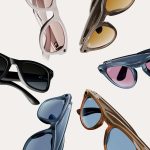
The market is attractive because eyewear is already normal. Billions of people wear prescription glasses or sunglasses. If Apple can create a product that looks good, supports prescription lenses, respects privacy, and offers enough daily utility, eyewear could become the next major computing accessory.
The path may resemble Apple Watch. The first version may feel limited. Later versions could add better displays, health sensors, stronger AI, more Vision Pro integration, and eventually deeper AR. By 2030, Apple may not dominate full augmented reality, but it could dominate premium smart glasses if it solves design and social acceptance better than Meta, Google, Samsung, or smaller eyewear companies.
Smart Home and Home Security
The smart home remains messy, which makes it a classic Apple opportunity. Many users still deal with confusing apps, unreliable accessories, different standards, weak privacy, slow cameras, inconsistent automations, and devices that work better in theory than in daily life.
Apple has not dominated the home yet. HomePod mini is useful but not category-defining. Apple TV is an excellent streaming box and home hub, but it is not enough to control the smart-home market. The Home app is stronger than many alternatives, but Apple has not turned it into the obvious center of connected living.
That could change before 2030. Apple has been linked to new home products, including a display-based home hub, cameras, and more advanced home devices. The smart home needs what Apple can do well: simple setup, privacy, secure video, family sharing, reliable notifications, clear automation, and tight integration with iPhone, Apple Watch, Apple TV, HomePod, and Siri.
A stronger Siri would be essential. Voice control is one of the most natural interfaces for the home, but only if it works reliably. Apple can also use presence detection, Apple Watch proximity, iPhone location, HomePod sensors, cameras, and on-device intelligence to make the home more responsive without feeling invasive.
The best Apple home strategy would not require the company to make every accessory. The bigger opportunity is defining the trusted layer: cameras, locks, sensors, displays, speakers, hubs, alerts, and automations that feel safer and easier than fragmented alternatives from Amazon, Google, and smaller Matter accessory makers.

Payments, Identity, and Digital Keys
Apple Wallet may become one of the most powerful Apple domination platforms by 2030. The company has already turned iPhone and Apple Watch into payment devices through Apple Pay. The next stage is making Wallet the center of identity, access, travel, car keys, home keys, hotel keys, transit, loyalty, tickets, student IDs, government IDs, and digital credentials.
This market is powerful because it touches daily life. A person may use Wallet to pay, enter a building, unlock a car, board a flight, prove identity, enter a concert, ride public transit, check into a hotel, and manage passes. The more of those moments Apple controls, the more essential iPhone and Apple Watch become.
Trust gives Apple an advantage. People may be cautious about storing identity documents on a phone, but Apple has a stronger privacy reputation than most technology companies. Secure Enclave, Face ID, Touch ID, device encryption, and the history of Apple Pay all support the idea that Wallet can become a trusted personal credential layer.
The obstacle is regulation and partnerships. Apple cannot dominate identity alone. It needs governments, banks, transit agencies, hotels, carmakers, universities, employers, and retailers. That makes progress slower than in consumer hardware, but the payoff is enormous.
By 2030, Wallet could be less of an app and more of a daily digital passport.
Spatial Computing and Professional Workflows
Apple Vision Pro is not yet the iPhone moment for spatial computing. It is expensive, niche, and still searching for must-have use cases. But Apple rarely enters a long-term category expecting the first version to be the final answer.
Spatial computing could become a major Apple industry by 2030 if the company lowers cost, reduces weight, improves comfort, and builds stronger apps. The best near-term markets may be professional rather than mainstream consumer: healthcare, design, engineering, architecture, education, training, media production, aviation, manufacturing, and enterprise collaboration.
Apple can dominate the premium end if Vision products become the best way to visualize complex information, review 3D designs, train workers, watch immersive video, perform remote collaboration, or use multiple virtual displays. Mac integration may become one of the strongest features, turning Vision devices into flexible workspaces for professionals.
The consumer version will take longer. Apple needs a cheaper and lighter Vision product before the category can grow meaningfully. Still, spatial computing is too important for Apple to ignore. The company has already placed visionOS inside its platform family, and developers are building the early software base.

Personal Robotics and Home Companions
Personal robotics is riskier, but it may become one of the most interesting Apple targets. Reports have described Apple exploring home robotics, including devices that could follow users, support video calls, or act as a moving smart display. This does not mean Apple will launch a humanoid robot by 2030. A more realistic first step is a practical home device with a screen, camera, speakers, Siri, and movement.
Apple would not enter robotics only to build a novelty. The product would need a clear purpose: communication, home monitoring, elderly support, family presence, remote work, accessibility, smart-home control, or AI companionship. A movable FaceTime device, for example, could be useful for families, grandparents, remote workers, and people who want a more natural video call experience.
The key is making robotics feel like a natural extension of the Apple ecosystem rather than a strange gadget. If the device works with Home, FaceTime, Siri, Calendar, Photos, Apple Music, Apple TV, and Apple Intelligence, it could become a new kind of home product.
This is not the safest domination target. The market is early, costs may be high, and privacy concerns are serious. But if Apple defines what a trustworthy home robot should be, it could shape the category before it becomes mainstream.
Entertainment, Sports, and Live Experiences
Apple is also targeting entertainment more aggressively. Apple TV, Apple Music, Apple Arcade, Apple Podcasts, MLS Season Pass, sports documentaries, live events, and premium Originals all point to a broader media strategy. Apple may not dominate Hollywood or sports by volume, but it can dominate the premium integrated experience around entertainment.
The future opportunity is not only streaming shows. It is the combination of Apple TV, Vision Pro, iPhone, iPad, Apple Music, Apple Sports, Apple News, Apple Wallet tickets, live sports, immersive video, and personalized recommendations. Apple can make entertainment feel more connected across devices than traditional media companies can.
Sports may be especially important. Live sports keep audiences subscribed and engaged. Apple has already shown interest through MLS and baseball. By 2030, the company could pursue more rights, more interactive viewing, live stats, spatial sports experiences, and deeper integration with Apple Sports and the TV app.
The challenge is cost. Sports rights are expensive, and entertainment is competitive. Apple does not need to own everything. It needs enough premium content and live experiences to make the ecosystem harder to leave.

The Most Likely Apple Domination Targets
The strongest Apple domination targets before 2030 are AI assistants, health, smart glasses, smart home, and Wallet-based identity. These markets match Apple strengths because they depend on trust, daily use, hardware-software integration, and ecosystem lock-in.
AI assistants are the most urgent because Siri must become competitive for Apple Intelligence to matter. Health is the most natural because Apple Watch is already on the body and trusted for personal data. Smart glasses are the most promising new hardware category because they could extend iPhone into face-worn computing. Smart home is the most underdeveloped opportunity because the market is still fragmented and frustrating. Wallet and identity may become the most quietly powerful because they can turn iPhone into the key for daily life.
Spatial computing, personal robotics, and entertainment are less certain but still important. These categories may take longer, cost more, or remain premium markets, but Apple can still shape them if they connect tightly to the rest of the ecosystem.
The next Apple domination cycle may not come from one product as obvious as iPhone. It may come from a network of products that make iPhone even harder to replace: Apple Watch on the wrist, AirPods in the ears, smart glasses on the face, Wallet in daily transactions, Health in personal care, Home in the house, Siri across everything, and Vision products for the next layer of computing.