


Apple events have never been simple press conferences. From the first Macintosh in 1984 to the unveiling of iPhone in 2007, Apple turned product announcements into global moments that shaped not only its own trajectory but entire industries.
At the center of that transformation stood Steve Jobs, whose presentation style became inseparable from Apple’s identity. Over time, those keynotes evolved from theater-stage spectacles into polished digital broadcasts. The question now is whether the stage magic that once defined Apple events can return in a new form.
From the Macintosh to the iPod: The Birth of the Modern Tech Keynote
In January 1984, Apple introduced the Macintosh with a presentation that followed one of the most iconic commercials in advertising history. When the Mac spoke on stage for the first time, the demonstration wasn’t just technical — it felt theatrical. Jobs framed the product as a rebellion against conformity, not just another computer.
That narrative structure would repeat. When Apple introduced iPod in 2001, the pitch was simple and clear: “1,000 songs in your pocket.” It distilled a complex product into a line anyone could understand. The device wasn’t presented as storage capacity or battery life; it was presented as freedom.
These early Apple events established a pattern. The product reveal was carefully paced. The language was simple. The demos were live. The emphasis was on experience, not specifications.


The iPhone Moment and Industry Disruption
The 2007 iPhone keynote remains one of the most analyzed presentations in business history. Jobs structured the reveal as three separate devices: a widescreen iPod, a revolutionary mobile phone, and a breakthrough internet communicator — before revealing they were one device.
That moment reset expectations for product launches. Competitors were not just responding to hardware; they were reacting to the narrative. Apple events had become competitive advantages.
The same formula appeared with iPad in 2010. Instead of positioning it as a larger iPhone, Apple framed it as something between a smartphone and a laptop — redefining a category that did not previously exist in mainstream computing.
Then came the MacBook Air reveal, when Jobs pulled the laptop from a manila envelope. The gesture lasted seconds, but it communicated thinness more effectively than any slide.
Apple events did not merely announce products. They translated engineering into emotion.

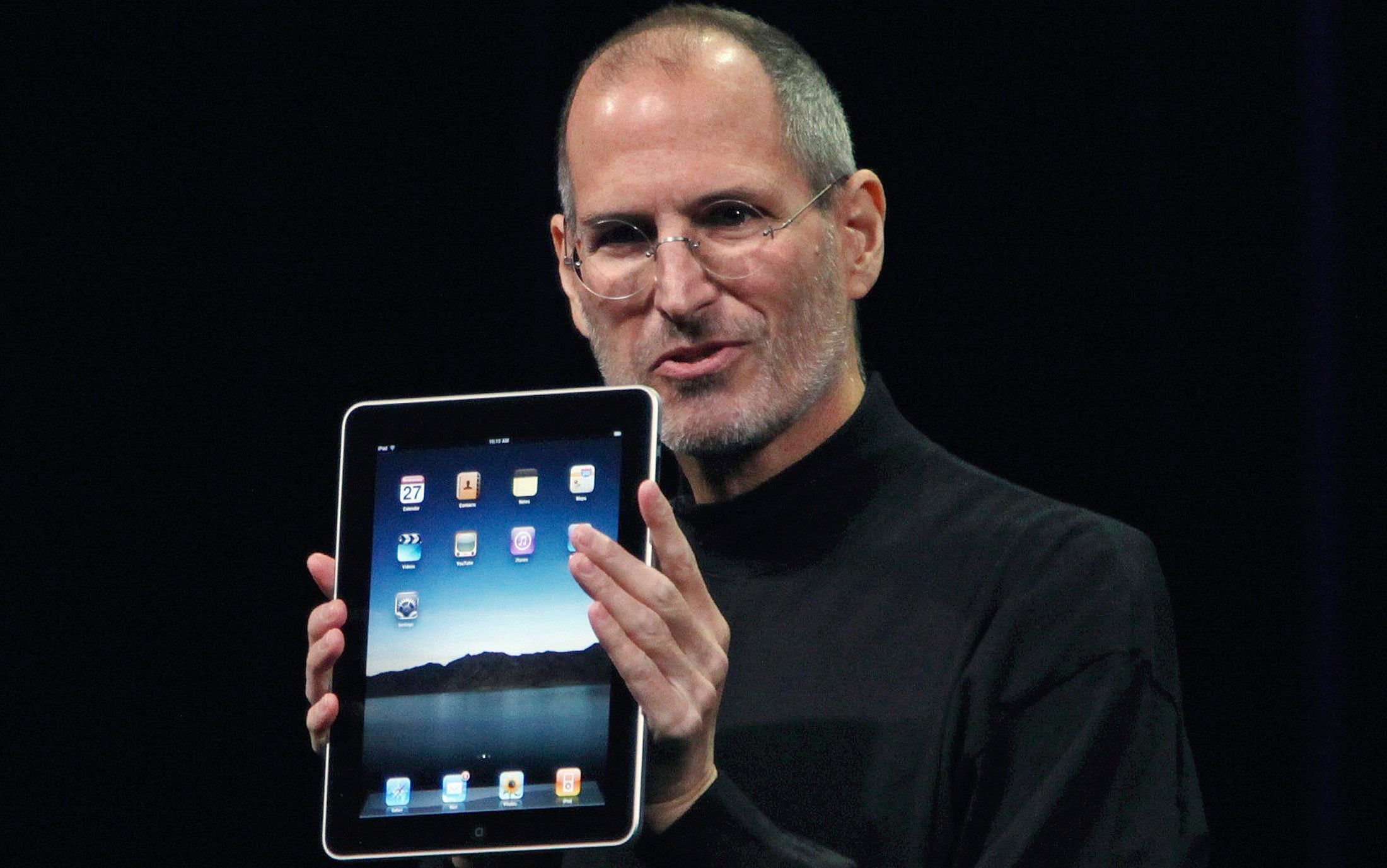
Steve Jobs as a Case Study in Business Presentation
Jobs approached keynotes as storytelling exercises. Slides were minimal. Text was sparse. He rehearsed extensively, controlling pacing, timing, and emphasis. Demos were choreographed to appear effortless.
This style influenced an entire generation of tech leaders. Product launches across Silicon Valley adopted minimalist slides and dramatic pauses. The “one more thing” segment became shorthand for surprise innovation.
The strength of these Apple events was not volume or spectacle; it was clarity. Each launch communicated a central idea that audiences could repeat.
From Stage to Screen: The Shift to Remote Presentations
In recent years, Apple transitioned from live stage keynotes to pre-recorded digital events. These productions feature cinematic transitions, carefully edited product shots, and executives presenting from Apple Park environments.
The format is polished and efficient. Information density increased. Visual production values rose sharply. Viewers receive consistent pacing without the unpredictability of live demos.
Yet something changed. The spontaneity of live reactions, applause, and occasional technical tension disappeared. The energy of a room responding to a reveal became a controlled viewing experience.
Remote presentations broadened global accessibility and reduced logistical complexity. At the same time, they altered the emotional rhythm of Apple events.

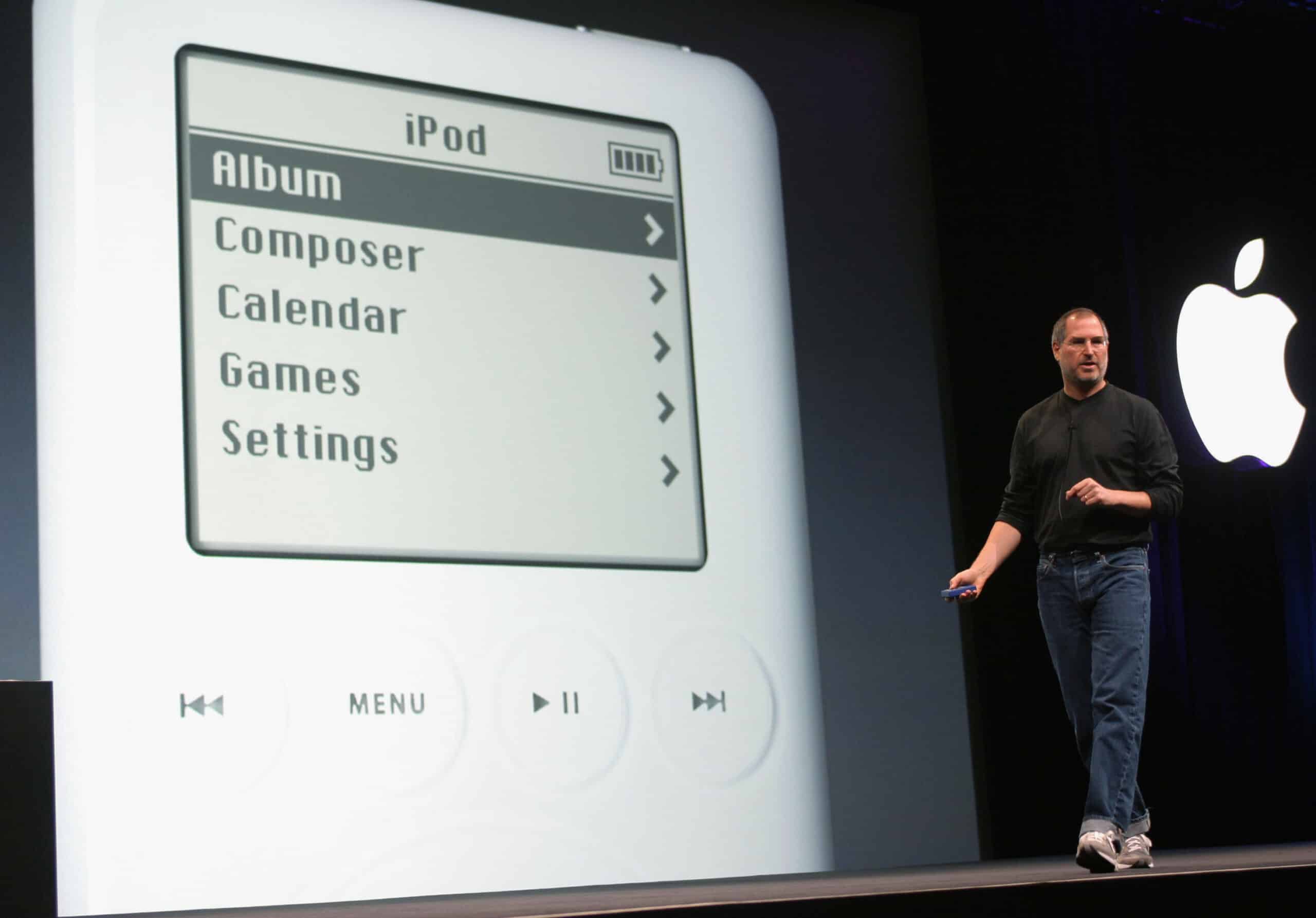
Can the Magic Return to the Stage?
The shift toward digital keynotes raises a broader marketing question. Does live presence matter in an era where products are streamed instantly worldwide? Or did the physical stage contribute something irreplaceable?
Steve Jobs’ keynotes were not powerful only because of product quality. They worked because they combined human presence, narrative buildup, and direct audience reaction. Imperfection was part of the authenticity.
Apple’s current leadership continues structured presentations with clarity and precision. The tone is more distributed, less personality-driven. The storytelling remains disciplined, but the theatrical center has softened.
A return to large in-person Apple events would not automatically recreate the early 2000s atmosphere. The industry itself has changed. Audiences are more fragmented. Attention cycles move faster.
Still, the appetite for live product moments remains. When a new device redefines a category, people respond to shared experience. Marketing thrives on anticipation and collective reaction.
Apple events shaped how technology is presented. From the Macintosh introduction to the iPhone keynote, the stage became part of the product.
Whether future launches blend cinematic production with renewed live energy remains open. What history shows is clear: when Apple aligns storytelling, innovation, and timing, its events extend beyond marketing — they influence markets themselves.