

Apple announced a global expansion of its streaming workout and wellness service, making Apple Fitness+ available in 28 new countries — the largest rollout since its launch. The expansion includes markets across Asia, Europe, and Latin America such as Chile, India, Singapore, Taiwan, the Netherlands and Hong Kong, with Japan scheduled to come online early next year. As part of the update, hundreds of Fitness+ workouts and meditation sessions will receive digital dubbing in Spanish, German and Japanese, and the platform is adding a new music genre — K-Pop — to its library.
The broader rollout means that nearly 50 countries and regions now have access to all 12 Fitness+ workout modalities — from Strength and Yoga to HIIT, Dance, Cycling and Meditation — each session ranging from about five to 45 minutes in length. Users can access content through iPhone, iPad or Apple TV, and for those with Apple Watch or AirPods Pro, real-time workout metrics such as heart rate, calories burned and progress on activity rings can display onscreen, delivering a synchronized experience across devices.
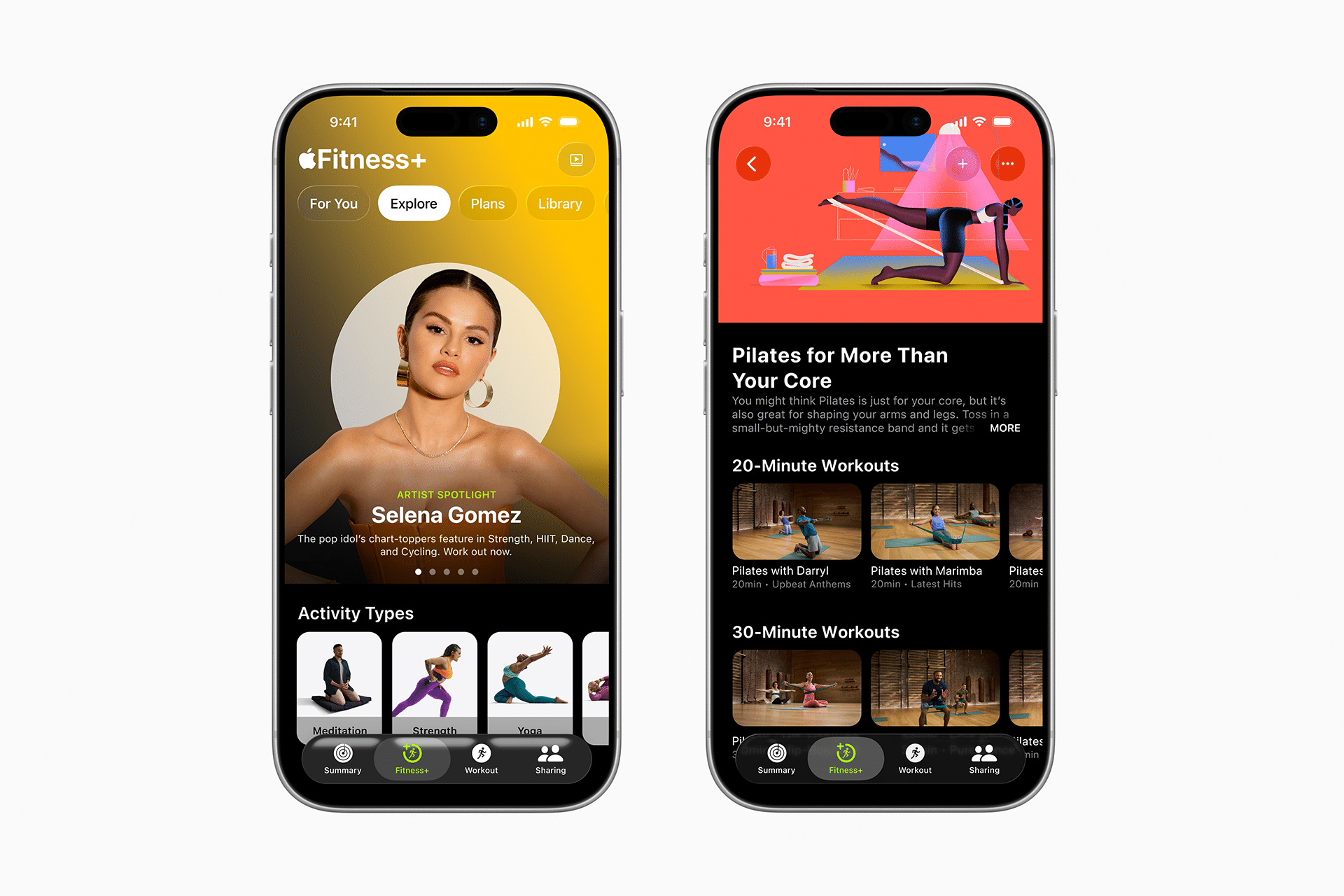
How Fitness+ Evolved From Niche Service to Global Fitness Platform
When Fitness+ originally launched, its availability was limited to a few countries. Over time Apple gradually expanded reach — and with this new update, the service’s footprint more than doubles, reflecting increased demand for digital fitness solutions and consumption across diverse markets. One of the factors behind the expansion is Apple’s use of AI-generated voice dubbing, which enables the company to localize content efficiently in multiple languages without re-recording workouts. This allows the same studio-guided sessions to serve people worldwide, broadening accessibility and lowering linguistic barriers.
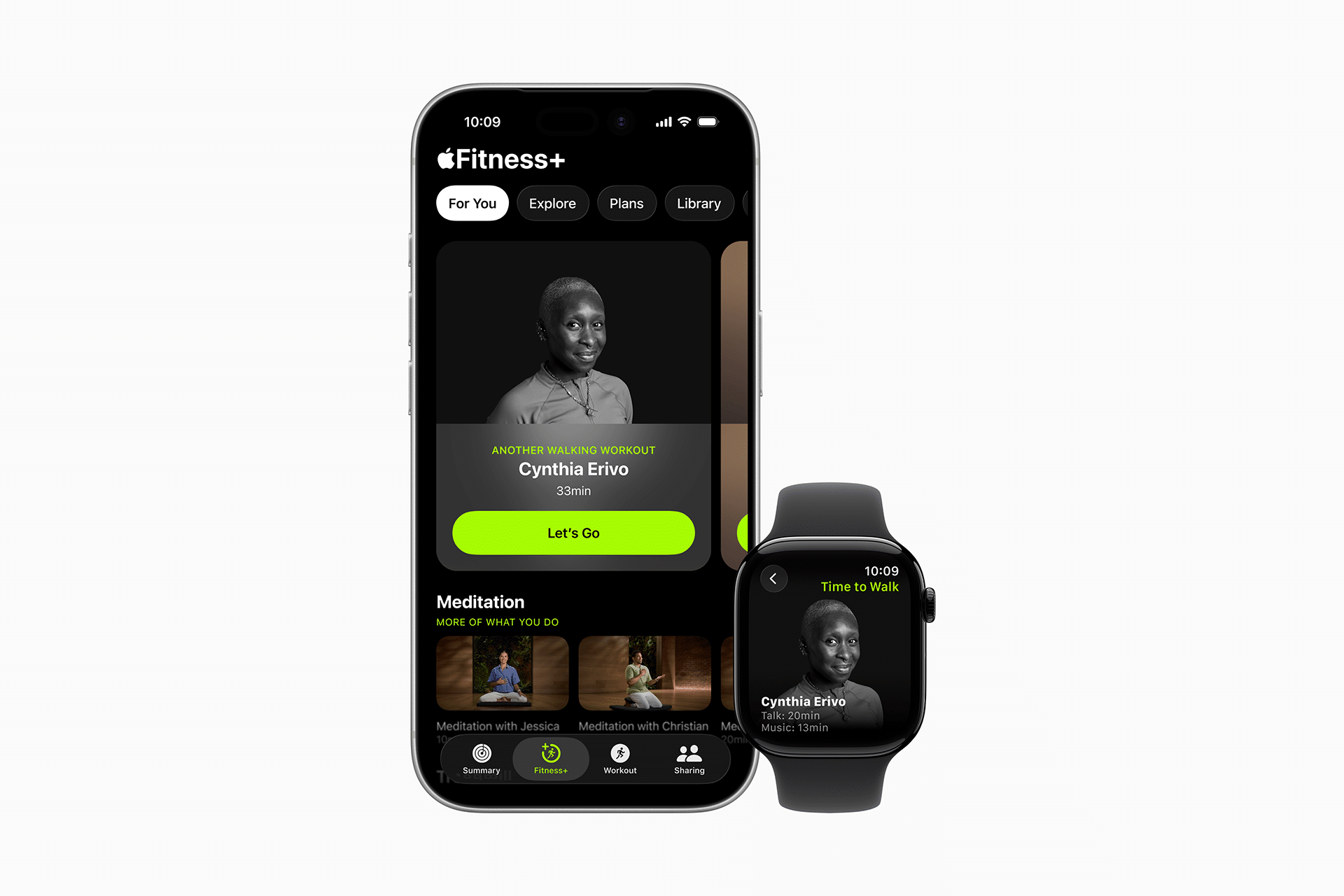
The service’s integration across Apple’s ecosystem remains a core advantage. For instance, workouts leverage Apple Watch’s sensors or AirPods Pro’s heart-rate tracking to provide users with immediate feedback — combining visual content with physiological data. Trainers at Apple emphasize inclusion and flexibility: workouts are designed for a wide range of fitness levels, with modifiers for beginners and advanced users alike, and sessions span from quick five-minute routines to more extended 45-minute workouts.
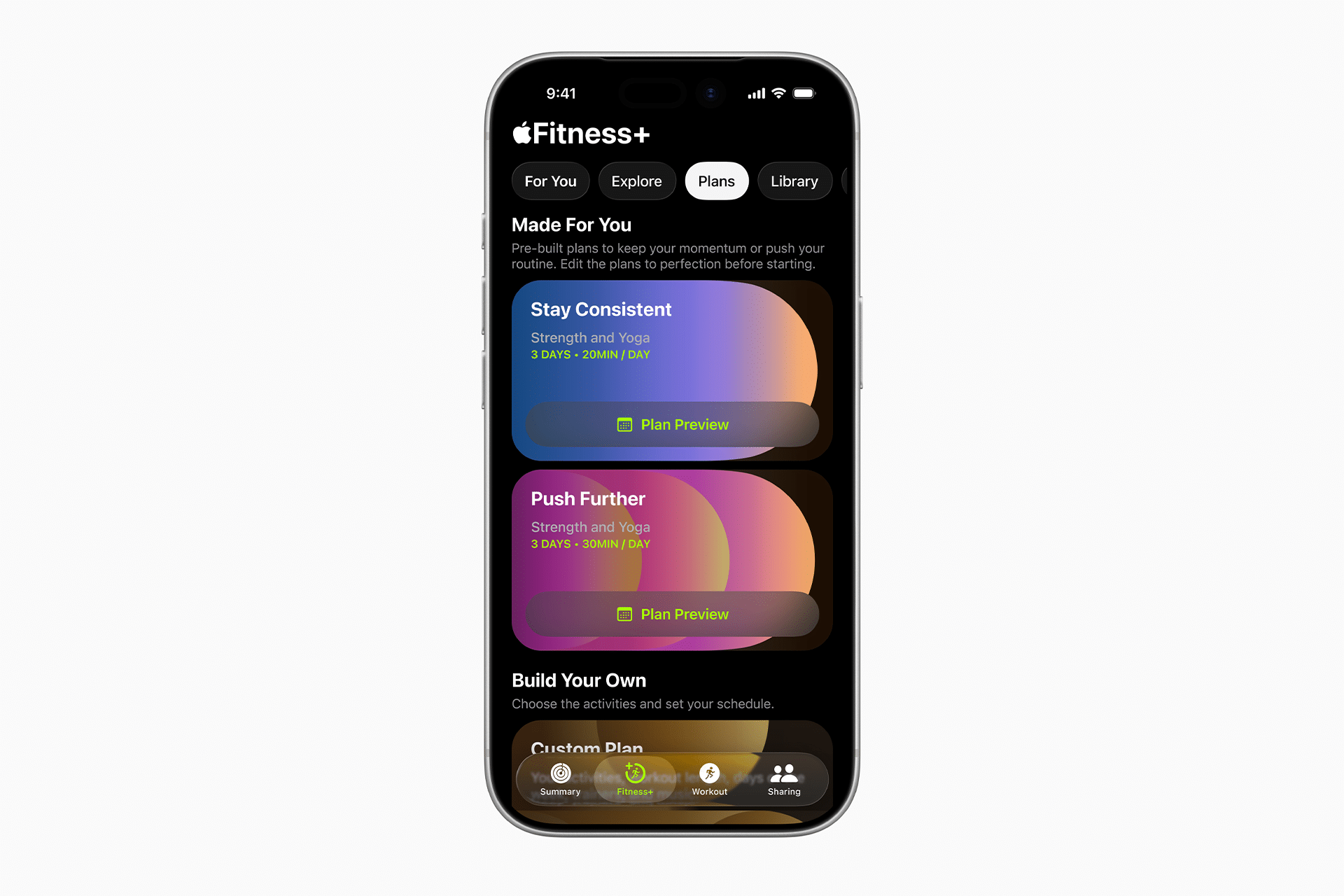
For Apple Watch users in the newly added regions, Fitness+ becomes an accessible on-demand fitness library with workouts adapted to local languages and preferences. The built-in availability of heart-rate tracking and activity metrics during workouts can make structured training more approachable, especially in regions where gym access may be limited or irregular.
Moreover, by offering digital dubbing, Apple lowers the barrier for non-English speakers, making guided workouts more usable and comfortable. This localization, combined with the watch-based metrics tracking, allows Apple Watch to function not just as a smartwatch — but as a comprehensive fitness companion, regardless of where the user lives.
Fitness+’s expansion also broadens the potential user base dramatically. As markets in Asia, Latin America and Europe gain access, Apple introduces the service to demographics that previously lacked exposure to its fitness ecosystem. The interplay between streaming workout content and wearable metrics could encourage higher adoption of Apple Watch and related devices in those regions.
Broader Trends in Fitness and Digital Health
The growth of Apple Fitness+ comes at a time when interest in remote, home-based fitness continues to rise globally. Demand for flexible exercise options — ones that can be done from home, on a schedule, and without gym membership — is increasing, especially in places where gyms are scarce or expensive. By offering a subscription-based workout catalog accessible through common devices like smartphones and tablets, Apple taps into that demand while leveraging its ecosystem’s strengths.
The combination of global rollout, multilingual content dubbing, and device integration points to how tech companies view fitness not just as physical training but as part of a broader lifestyle and wellness offering. As consumers become more health-conscious and digitally connected, services like Fitness+ can occupy the intersection between entertainment, convenience and wellbeing — making fitness more accessible and scalable than ever before.
With Fitness+ now serving nearly 50 countries, the impact could reshape how people approach daily movement and health maintenance across diverse cultures and geographies — especially when fitness guidance is delivered in one’s native language and paired with wearable metrics that provide immediate feedback.


