

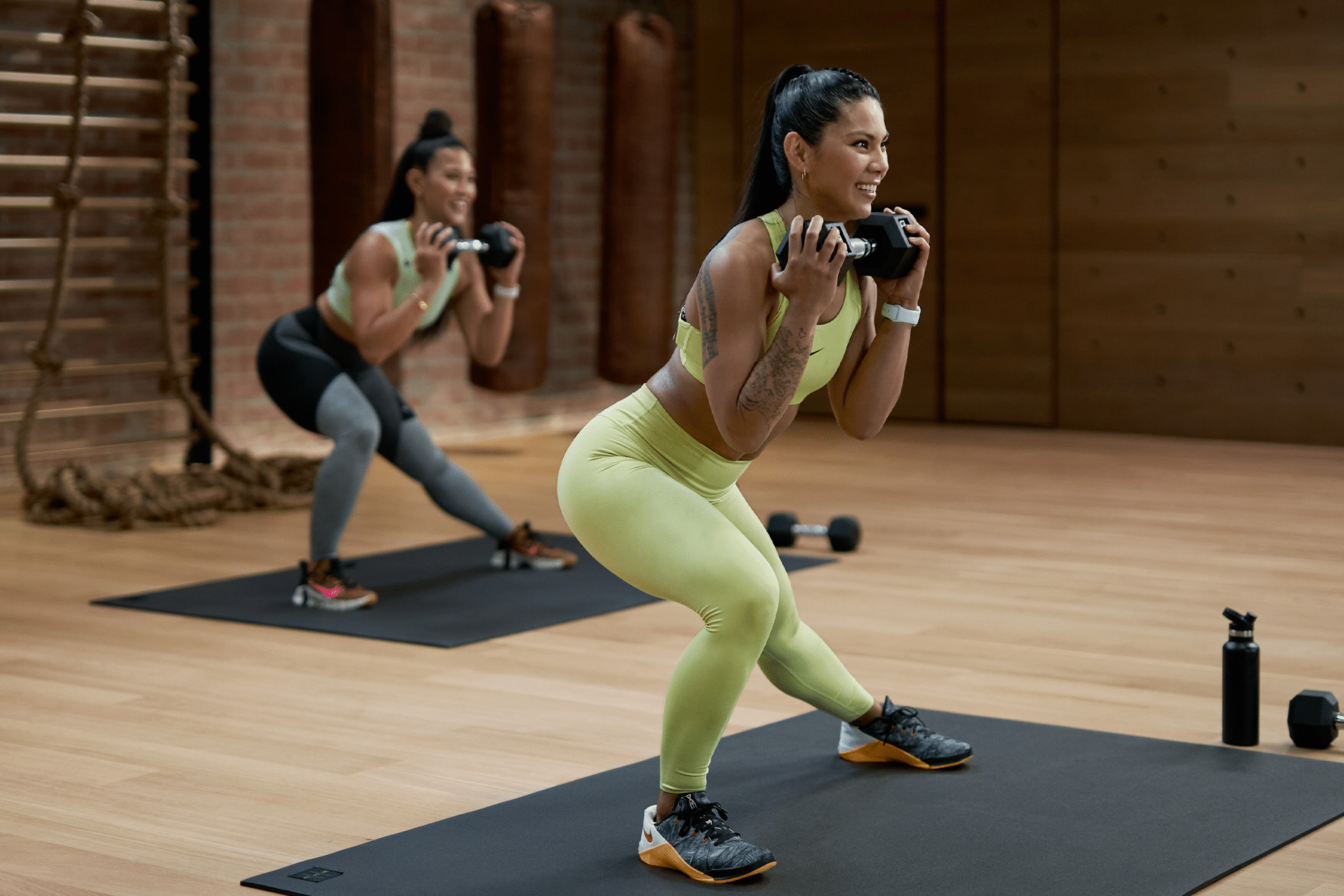
Fitness+ has a problem every fitness subscription eventually faces: motivation ages faster than content. A workout that feels exciting in January can feel invisible by March. A trainer who helped someone begin can become part of the background. A playlist that once pushed a user through the final minute of HIIT can turn into another familiar loop.
That does not mean Fitness+ lacks content. Apple says the service offers 12 workout types, meditations, sessions from 5 to 45 minutes, personalized recommendations and new sessions every week. It also supports Custom Plans and includes programs, collections, Artist Spotlight workouts and Time to Walk episodes. The challenge is not only adding more videos. It is making the service feel renewed every time a user opens it.
Fitness is personal, seasonal and emotional. People come back when the app matches their energy, schedule, music taste, goals and attention span. They leave when the service starts to feel like a library instead of a coach.
Apple Fitness+ Already Understands Structure
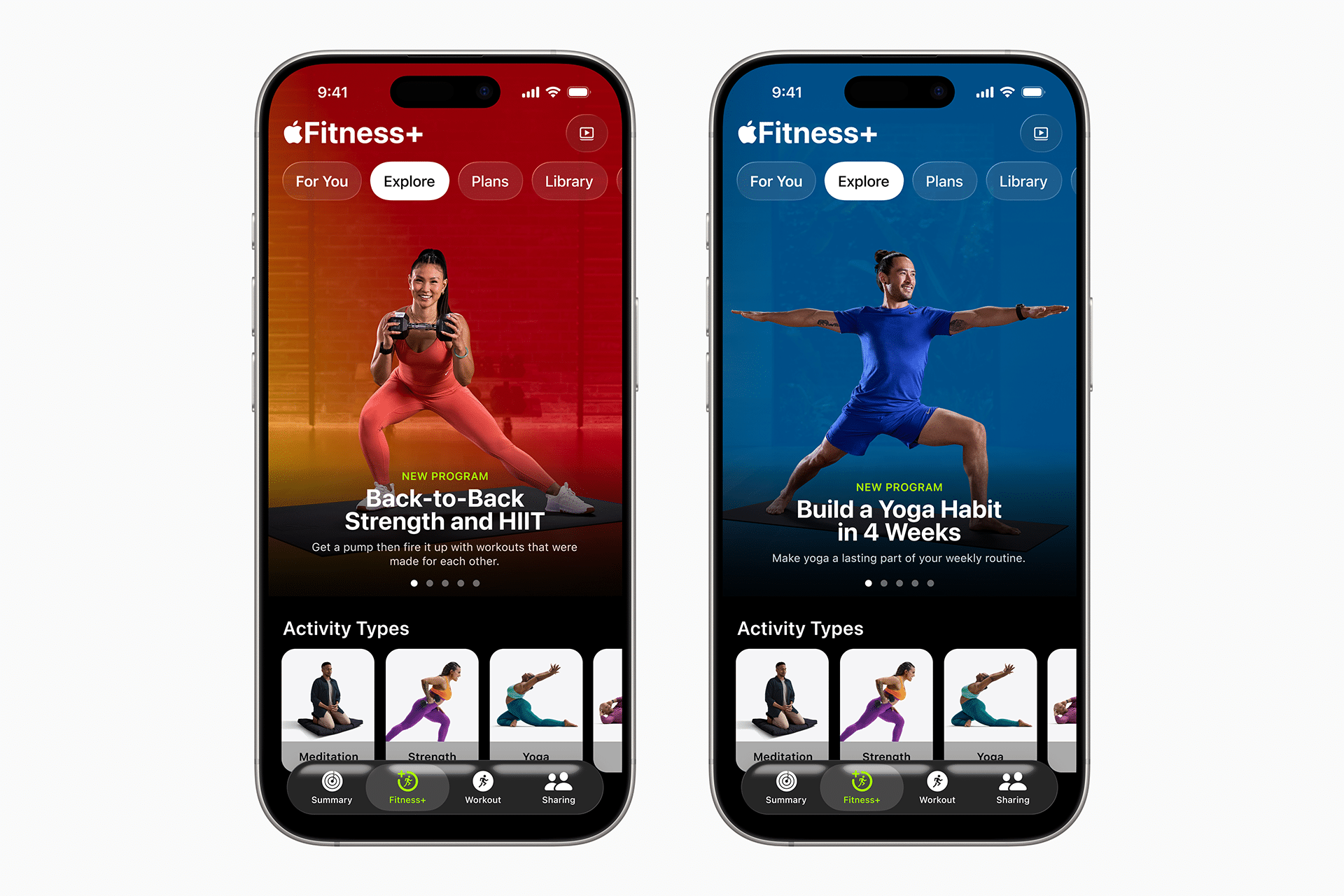
Fitness+ has been moving in the right direction by adding programs that give users a clearer path. In January 2026, Apple introduced new programming designed around fresh starts, including guided plans such as comeback workouts, yoga habits, strength basics and combined strength-and-HIIT routines. These programs matter because many users do not want to choose a random class. They want to know what to do next.
That is where structured fitness content works better than a simple catalog. A 10-minute strength class is useful. A three-week plan that tells the user when and why to take that class is more useful. Fitness motivation often fails because the user has to make too many decisions before even starting: what type, how long, which trainer, what intensity, which day, which goal.
A good plan removes friction. It creates momentum. It also makes the subscription feel less like a video shelf and more like a service with direction.
Apple’s Custom Plans feature helps here by letting users build routines around preferred activities, workout days, duration and trainers. That is valuable, but the next challenge is freshness. A plan should not only fit a user once. It should adjust as the user changes.

Music Keeps the Service From Feeling Clinical
Fitness+ has always used music as one of its stronger differentiators. Apple can connect workouts to Apple Music, Artist Spotlight sessions and recognizable mood-based playlists in a way few competitors can match. That matters because music often decides whether a workout feels like discipline or enjoyment.
Artist Spotlight workouts give users a familiar emotional hook. A Karol G session, a Bad Bunny-themed workout or another artist-driven collection can turn the class into an event rather than a task. That is smart service design. People may open a workout because of the artist, then stay because the session feels achievable.
This is also where Apple has room to go further. Fitness+ should lean harder into mood. Not every user opens the app with a goal like “increase cardio endurance.” Many open it with a feeling: tired, stressed, anxious, unfocused, restless, stiff, overworked or guilty for skipping three days. The app should be able to answer those feelings directly.
A “reset after work” flow, “low-energy strength,” “sweat without jumping,” “quiet morning yoga,” “ten minutes before a meeting,” or “I only have enough motivation to start” category would speak more naturally to real life. Fitness content stays fresh when it meets the user where they are, not where a perfect workout calendar says they should be.
The Trainer Relationship Needs Evolution
Trainers are one of Fitness+’s biggest assets because they give the service personality. A good trainer can make a user feel less alone, less judged and more willing to return. Over time, users develop preferences not only for workout type but for teaching style: calm, energetic, technical, encouraging, funny, precise or beginner-friendly.
That creates both strength and risk. Familiar trainers help retention, but repeated formats can become predictable. Apple needs the right balance between consistency and surprise. Users want to know what kind of experience they are choosing, but they also need new formats, challenges and pairings that keep the service from flattening into routine.
Trainer-led programs can help. So can seasonal series, guest collaborations and more progressive training blocks. A user who starts with beginner strength should see a natural path into intermediate strength. A runner using treadmill workouts should see mobility, core and recovery suggestions. A yoga user should be guided toward balance, flexibility, meditation or strength depending on progress.
The trainer should feel less like a video host and more like part of an evolving fitness map.
Freshness Is Also About Progress
Fitness subscriptions often overfocus on variety and underfocus on progress. Variety is useful, but progress is what makes users feel the service is working. Apple Watch already tracks rings, heart rate, trends, workouts and awards. Fitness+ should make more of that connection.
A user who completes three weeks of strength workouts should receive better follow-up than a generic suggestion row. The service could recommend a next-level plan, a recovery week, a mobility add-on or a new goal based on what the user actually did. A user who keeps choosing 10-minute workouts may need a realistic micro-plan, not pressure to jump into 45 minutes. A user who repeatedly quits halfway through HIIT may need lower-impact alternatives, not more of the same.
This is where Apple’s ecosystem should give Fitness+ an advantage. The Apple Watch understands effort. iPhone understands schedule. Apple Music understands listening habits. Health understands trends. Fitness+ can become smarter without becoming intrusive.
The strongest version would not shame users. It would adapt. Missed a week? Offer a comeback plan. Finished a plan? Offer the next step. Low energy today? Offer a shorter recovery workout. Training consistently? Suggest progression.
Fresh content matters. Fresh relevance matters more.

The Competition Is Habit, Not Only Peloton
Fitness+ competes with Peloton, YouTube, Nike Training Club, Garmin, Strava, local gyms, personal trainers, running clubs and wellness apps. But the real competition is habit. The couch is undefeated. Work gets in the way. Travel breaks routines. Children change schedules. Stress makes workouts feel harder. Bad weather interrupts running. Good weather interrupts everything else.
That is why Apple has to keep reducing the distance between intention and action. The service must make it easy to begin with five minutes, not only finish a perfect workout. It must help users return after inconsistency. It must make the next session feel obvious.
This is where short workouts remain powerful. A 5-minute core session or 10-minute yoga flow can keep the habit alive when a full session is unrealistic. Fitness+ should treat these sessions not as lesser content, but as habit-preservation tools. A user who does five minutes today is more likely to return tomorrow than a user who skipped because 30 minutes felt impossible.
Apple also has an advantage through Apple One. Fitness+ can be part of a broader services bundle, reducing the mental pressure to justify it as a standalone gym replacement. But bundling can also make the service easy to ignore. If users are not opening it regularly, it becomes background value rather than active value.
AI Could Make Fitness+ Feel New Again
Apple’s AI direction could eventually make Fitness+ more adaptive. The service does not need a chatbot shouting motivational quotes. It needs better context. What has the user completed? What did they skip? Which trainers do they prefer? How much time do they usually have? Is the user returning after a break? Are they training too hard without enough recovery? Which workouts match current goals without creating burnout?
An intelligent Fitness+ layer could build better weekly plans, adjust routines after missed sessions and recommend workouts based on real Apple Watch trends. It could also combine strength, cardio, mobility and meditation in a more coherent way. Many users do not know how to balance training types. The app could teach through structure instead of explanation.
There is also room for better form feedback in the long term, especially as on-device AI and camera-based sensing improve. Apple would need to handle this carefully because fitness guidance involves safety, privacy and liability. But even without real-time form correction, smarter planning and recovery suggestions could make the service feel more personal.
The goal should not be to make Fitness+ complicated. It should be to make the next good choice easier.
Keeping Workouts Fresh Means Keeping Users Seen
The freshness challenge is not solved by adding another hundred sessions to a library. Fitness+ needs variety, but the deeper job is making users feel recognized at different stages of motivation. The beginner, the returning user, the consistent athlete, the stressed parent, the frequent traveler, the remote worker and the person who just wants to stretch before bed all need different doors into the service.
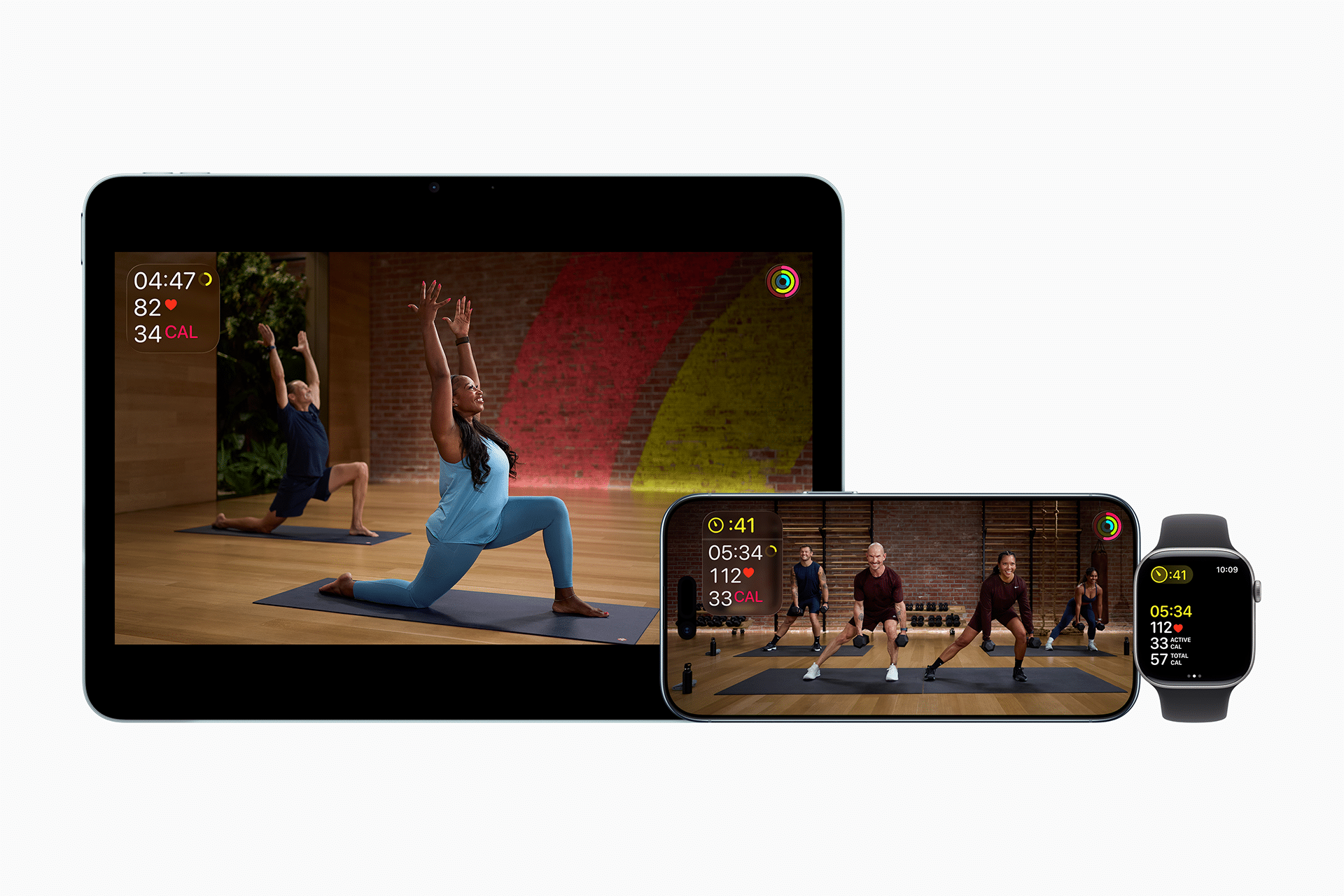
Apple already has many of the pieces: Apple Watch data, weekly workouts, music integration, trainer personality, Custom Plans, collections, Time to Walk and meditation. The next step is making those pieces feel less like separate shelves and more like a living routine.
The service should greet users with better answers to the real questions: What can I do today? What fits my energy? What keeps me moving without burnout? What helps me return after stopping? What makes exercise feel less like a punishment and more like part of the day?
Apple Fitness+ can keep workouts fresh if it keeps the user’s routine fresh. New classes are necessary. Smarter context is what turns them into a habit.