
The global foldable smartphone market is set for a significant expansion in 2026, with industry forecasts projecting a strong increase in both shipments and revenue. After years of relatively modest adoption, the category is entering a new phase as consumer interest and multiple high-profile product launches converge to push growth into new territory. According to recent forecasts, foldable phones are expected to grow approximately 30% year-over-year in 2026, a substantial jump compared with prior forecasts and a sign that the technology is approaching broader mainstream relevance.
Previous years saw incremental gains for foldable devices, but the category has remained a niche segment within the wider smartphone market. Expectations for 2026 mark a notable shift, driven by several factors including improved durability, broader product availability, and enhanced software experiences that make foldables more appealing beyond early adopters.

Key Drivers of Foldable Smartphone Growth
Foldable smartphone growth in 2026 is supported by a combination of stronger hardware innovation and evolving consumer expectations. Major brands are preparing to introduce new models that expand the form factor beyond the limited choices currently available, broadening the category’s appeal and giving buyers more incentive to consider foldables as a primary device rather than a luxury secondary phone.
One key driver is competition among leading manufacturers. Samsung continues to lead the category with devices such as its Galaxy Z series and the newly introduced Galaxy Z TriFold, which pushes technical boundaries with a large internal display and complex folding mechanism. Other brands including Motorola and others are preparing book-style concepts that align more closely with what many users expect from premium foldable designs, potentially lowering barriers to entry for users who have hesitated over earlier offerings.
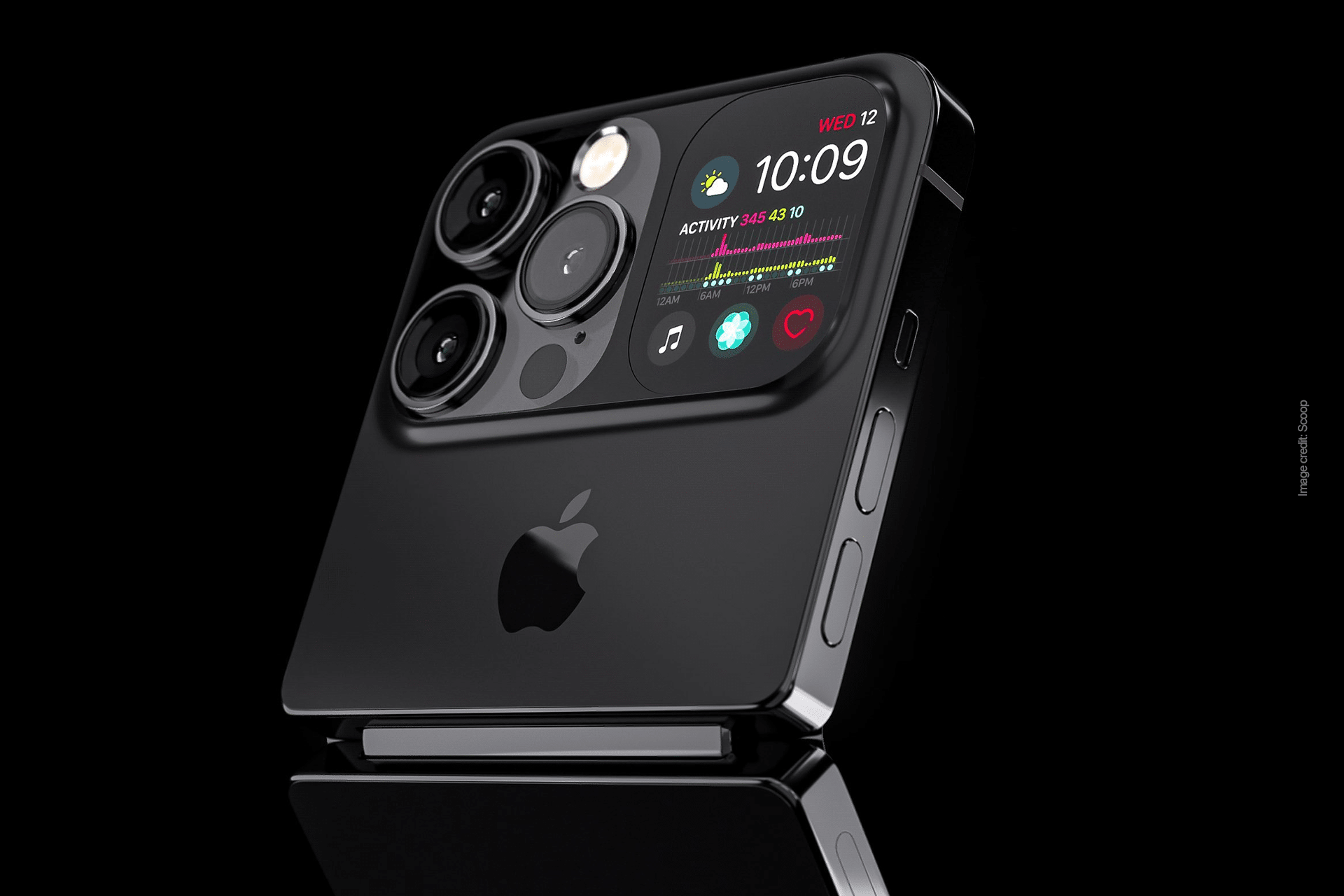
Another major influence on growth is the anticipated entry of Apple’s first foldable iPhone. While details remain unconfirmed, multiple supply chain and analyst reports suggest that an Apple foldable device could arrive in late 2026, adding a significant new player to a market that has until now been dominated by Android manufacturers. Apple’s involvement is expected to accelerate category awareness and fuel broader interest among users who may have previously dismissed foldables as experimental or fringe.
Market Projections
The projected ~30% growth rate for 2026 places foldable phones on a faster trajectory than the broader smartphone market, which is expected to grow more modestly in comparison. Analysts attribute part of this acceleration to the broader technology ecosystem’s readiness to support foldables, from component supply chains to software optimizations that better handle larger and flexible displays.
Foldable smartphone shipments have already shown signs of momentum, with record volumes reported in late 2025 that help set the stage for next year’s expansion. Shipments in 2025 are expected to reach around 20.6 million units, with the category outperforming overall smartphone growth trends and establishing a foundation for the significant upswing anticipated in 2026.
Longer-term forecasts also show sustained interest and growth potential, with market size estimates trending upward through the end of the decade. Greater consumer familiarity with foldable form factors, combined with lower entry points and a wider range of designs, are expected to broaden demand beyond early adopters.
Foldable Phones in the Broader Smartphone Ecosystem
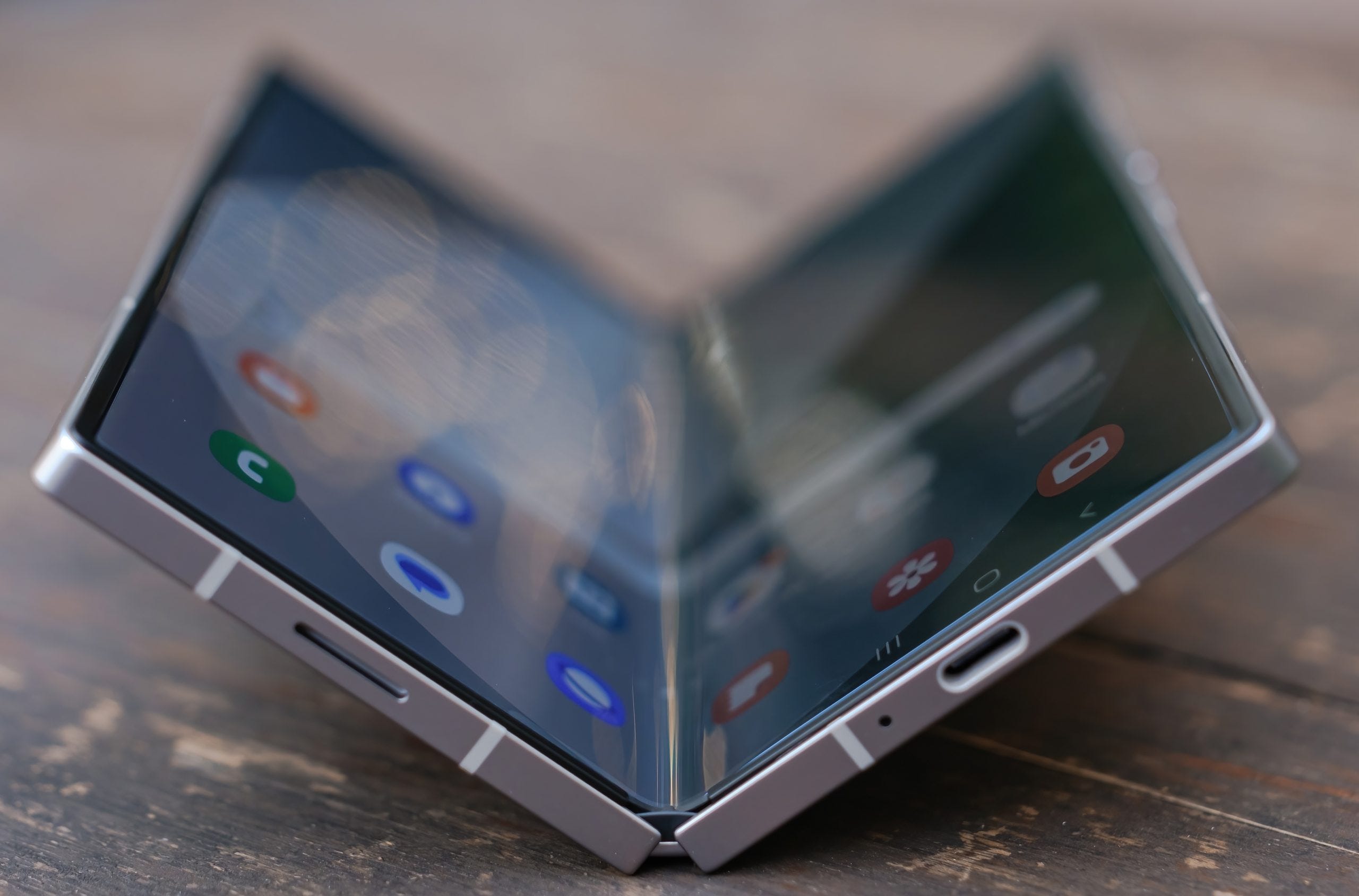
Foldable phones remain a small percentage of total smartphone shipments today, but their strategic value extends beyond unit volume. Premium pricing and high average selling prices give foldable devices outsized revenue contributions relative to their share of the market. As innovation continues, manufacturers see foldables as a differentiator in a market that has faced slowing growth in traditional slab designs.
For Apple specifically, a foldable iPhone could serve to unify the company’s mobile ecosystem and offer a unique value proposition that bridges the functionality of iPhone and iPad, potentially reshaping how users interact with apps, media, and multitasking workflows. The strength of Apple’s brand and its ability to deliver polished hardware-software integration could accelerate foldables’ transition from niche curiosity to mainstream choice, reinforcing broader market growth forecasts for 2026.