
Apple’s foldable iPhone plans are increasingly described as broader and more deliberate than early assumptions suggested. Rather than treating foldable hardware as a niche experiment, reports circulating through the supply chain and industry commentary indicate Apple is preparing for a product that could sit alongside mainstream iPhone models, not outside them. The scale implied by component planning and the consistency of design signals suggest Apple views a foldable iPhone as a long-term platform decision rather than a limited showcase of engineering.
Foldable phones have existed for several product cycles, yet adoption has remained modest compared with conventional smartphones. Apple’s absence from the category has often been interpreted as caution, but recent developments suggest a different strategy: waiting until the technology, supply chain, and software experience align closely enough with Apple’s standards to support mass adoption.
Design Direction and Form Factor Strategy
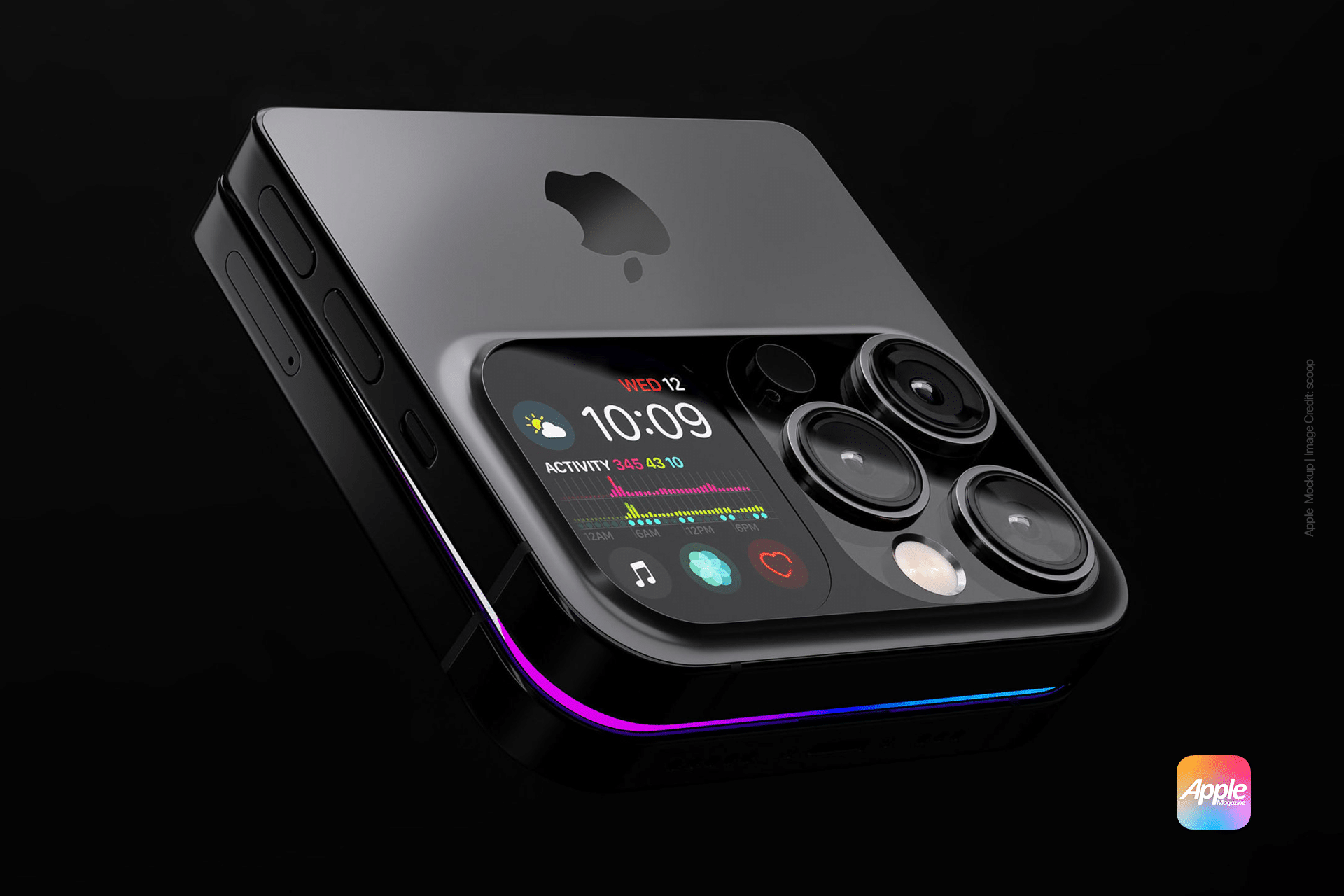
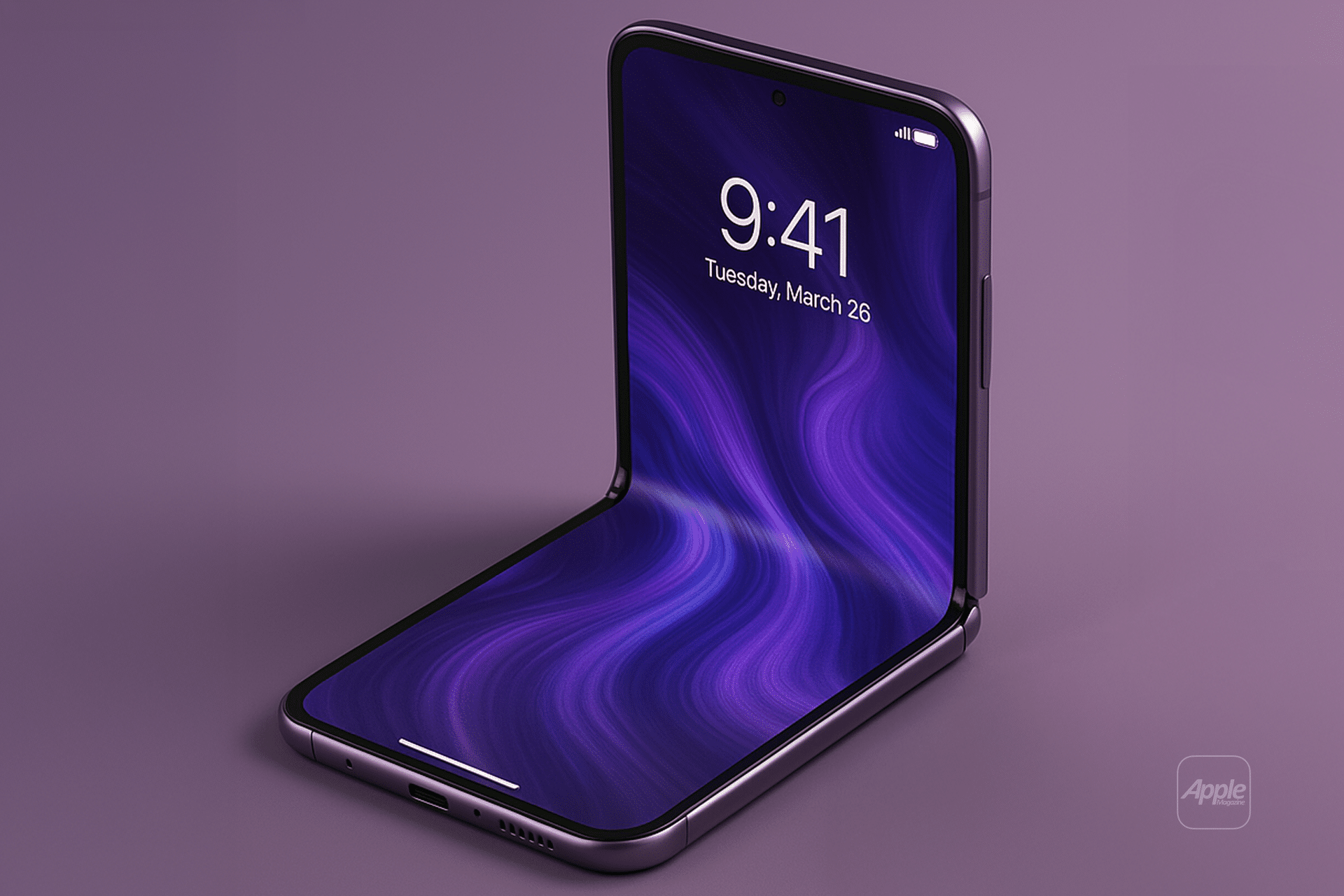
Current information points toward a book-style foldable iPhone, opening horizontally to reveal a larger internal display while maintaining a compact external screen for everyday tasks. This approach mirrors how many users already interact with iPhone and iPad together, using a phone for quick interactions and a larger screen for immersive work, reading, and media.
A foldable iPhone would allow Apple to merge these use cases into a single device without introducing a radically new interaction model. The external display could preserve familiar iPhone behavior, while the internal screen expands the interface in ways that feel closer to iPad multitasking. This continuity reduces friction for existing users and fits Apple’s pattern of evolving form factors without forcing abrupt behavioral changes.
Attention around the foldable iPhone also centers on durability and visual consistency. Crease visibility, long-term hinge wear, and thickness have all been persistent concerns in foldable devices. Apple’s extended development timeline suggests these elements are being addressed as foundational requirements rather than post-launch refinements.
Production Scale Signals a Serious Commitment
One of the most notable aspects of Apple’s foldable iPhone plans is the production scale implied by supplier activity. Rather than ordering components at volumes typical of niche devices, Apple appears to be exploring production levels that would place a foldable iPhone within reach of mainstream availability. This approach contrasts with early foldable launches from competitors, which often relied on constrained supply and premium pricing to manage risk.
A larger initial production run would signal confidence not only in hardware readiness but also in consumer demand. Apple’s ability to leverage its supply chain relationships allows it to introduce new categories at scale once internal thresholds are met. This pattern has repeated across products ranging from Apple Watch to Apple silicon Macs.
Pricing is expected to remain premium, but Apple’s strategy historically balances higher upfront cost with long product cycles and strong resale value. If a foldable iPhone delivers clear functional advantages rather than novelty alone, it may attract users who currently carry both an iPhone and an iPad.
Software and Ecosystem Alignment
A foldable iPhone would rely heavily on software refinement to justify its form factor. Apple’s advantage lies in its control over iOS, which can be adapted to scale interfaces smoothly between folded and unfolded states. Rather than building entirely new interaction paradigms, Apple can extend existing frameworks already used across iPhone and iPad.
This alignment could allow apps to transition fluidly between compact and expanded layouts, preserving context rather than restarting workflows. For ecosystem users, this continuity matters more than raw screen size. A foldable iPhone that behaves predictably across modes would reinforce Apple’s broader emphasis on seamless device interaction.
Apple’s services strategy also benefits from a foldable form factor. Media consumption, gaming, productivity tools, and creative apps all gain additional surface area without leaving the iPhone environment. This keeps users within Apple’s software ecosystem while expanding what a single device can handle comfortably.
Market Positioning and Competitive Context
The foldable smartphone market remains fragmented, with different manufacturers pursuing distinct design philosophies. Apple’s entry would not simply add another option but could recalibrate expectations around usability, longevity, and software support. Apple’s update cadence and long-term device support stand in contrast to the faster hardware turnover common among many foldable devices.
Rather than competing on experimentation, Apple appears focused on refinement. A foldable iPhone that emphasizes reliability, battery efficiency, and software stability could appeal to users who have avoided foldables due to concerns about durability or inconsistent experiences.
Apple’s brand strength also plays a role. For many users, trust in long-term support and ecosystem integration outweighs early access to emerging form factors. This dynamic gives Apple flexibility to enter categories later while still commanding attention.
Timing and Strategic Patience
Most expectations place Apple’s foldable iPhone introduction well beyond initial rumor cycles, aligning with Apple’s tendency to wait until internal benchmarks are met. This patience allows Apple to integrate lessons learned from competitors while avoiding early compromises.
The timing also aligns with broader shifts in Apple’s product lineup, including continued convergence between iPhone, iPad, and Mac capabilities. A foldable iPhone could serve as a connective device, blurring traditional boundaries without replacing existing categories outright.
As with many unannounced Apple products, details remain fluid. Display sizes, release timing, and exact positioning may change as development progresses. What appears increasingly consistent, however, is the ambition behind the project. Apple’s foldable iPhone plans suggest a product designed to scale, integrate deeply with the ecosystem, and redefine how users think about a single mobile device handling multiple roles.