
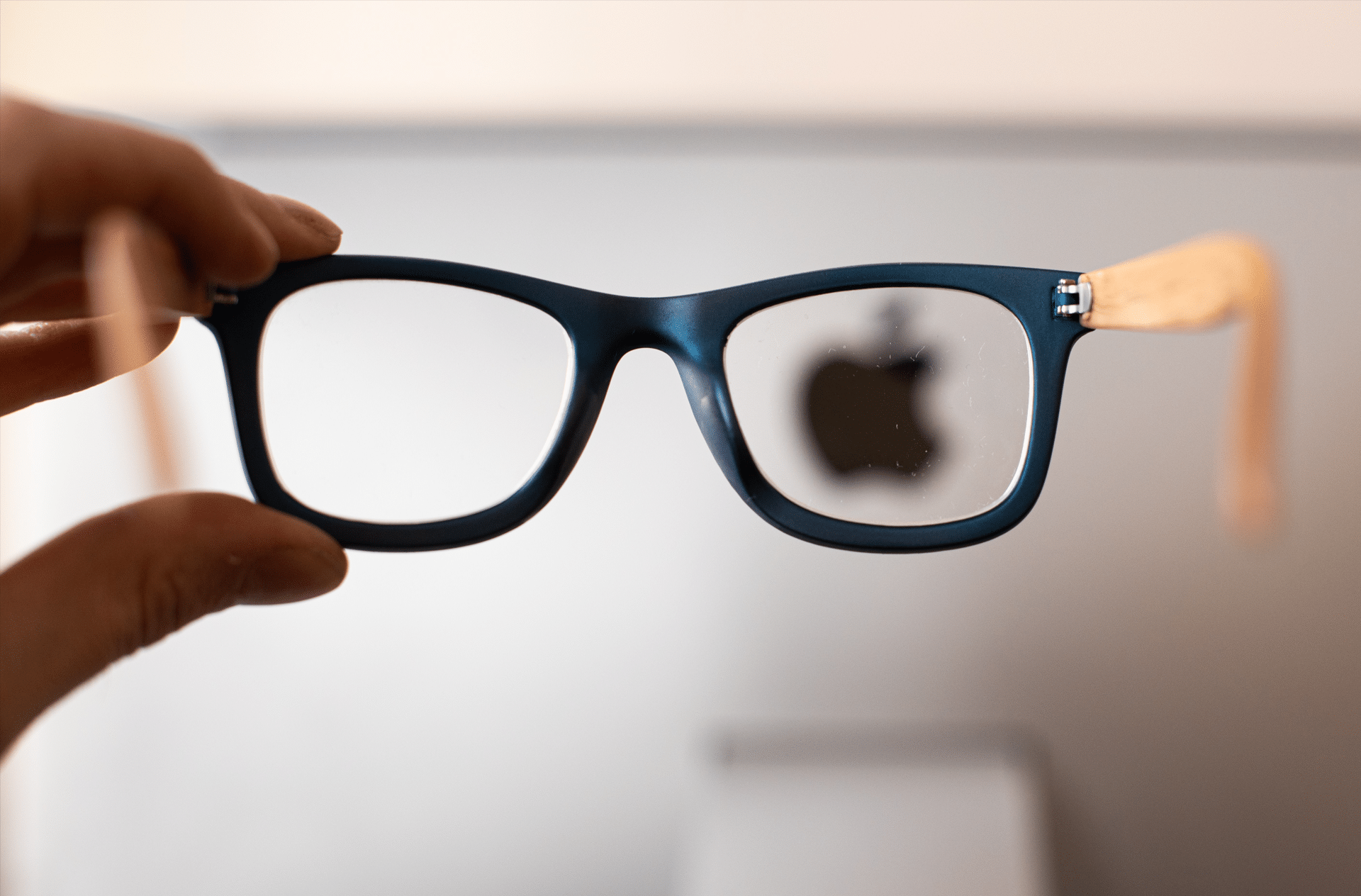
For more than a decade, Apple has quietly invested in augmented reality as the next step in personal computing. While headsets have dominated public attention, Apple Glasses represent a different ambition altogether: a device meant to be worn throughout the day, enhancing the real world without replacing it. Internally described as a top priority for Tim Cook, Apple Glasses are widely viewed as a foundational product rather than a short-term experiment.
Why Apple Glasses Are Different From Headsets
Apple Glasses are not expected to follow the immersive headset model. Instead of transporting users into virtual environments, the goal is subtle augmentation. Information appears only when relevant, then disappears. Navigation cues, notifications, and contextual prompts are designed to complement reality, not compete with it.
This approach reflects Apple’s belief that augmented reality has broader everyday potential than virtual reality. By keeping users present in their surroundings, Apple Glasses aim to avoid the isolation and fatigue often associated with heavier head-mounted devices.
Design, Comfort, and All-Day Wear
Design is one of the most critical challenges for Apple Glasses. To succeed, the device must resemble ordinary eyewear while housing displays, sensors, batteries, and computing components. Weight distribution, heat management, and comfort are central constraints that Apple has reportedly prioritized above feature quantity.
Rather than creating a visually striking gadget, Apple’s objective is discretion. Glasses that feel natural on the face and socially acceptable in public settings are essential if the product is meant for continuous use. This design philosophy aligns closely with Apple’s history of minimizing visible technology in favor of seamless experience.
How Apple Glasses Fit Into the Apple Ecosystem
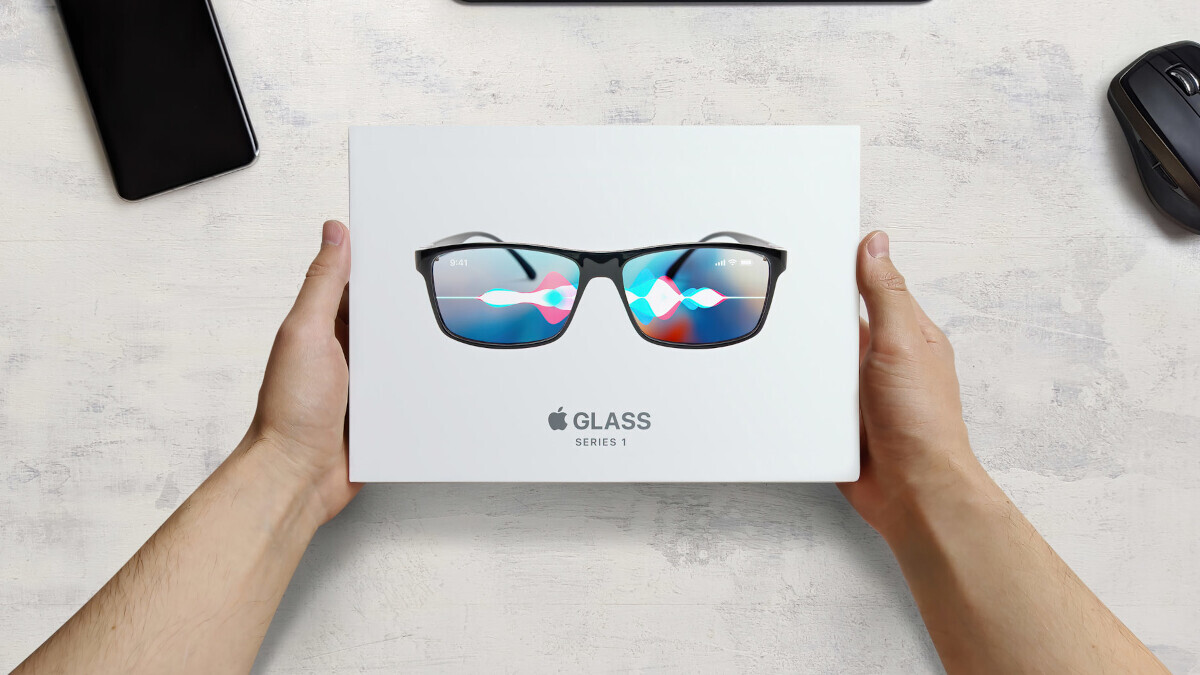
Apple Glasses are expected to function as part of a broader ecosystem rather than as a standalone computer. Early implementations are widely expected to rely on the iPhone for processing, connectivity, and data, allowing the glasses themselves to remain light and power-efficient.
Integration with existing Apple devices is likely to be central. Notifications, navigation, health data, and communication could flow naturally between iPhone, Apple Watch, and Apple Glasses, reinforcing Apple’s ecosystem advantage. Over time, this mirrors how Apple Watch evolved from a companion device into a more independent platform.
Privacy as a Core Requirement
A wearable device equipped with cameras and sensors raises immediate privacy concerns, and Apple’s reputation in this area is one of its strongest assets. Apple Glasses are expected to incorporate visible indicators, on-device processing, and explicit user controls to ensure transparency and trust.
Rather than treating privacy as a trade-off, Apple appears to be positioning it as a requirement for mass adoption. For a device worn in public spaces, user confidence may be as important as technical capability.
Why Tim Cook Is Personally Invested
Tim Cook has consistently described augmented reality as a technology with profound long-term impact. His focus on Apple Glasses reflects a belief that AR can become as transformative as the smartphone, provided it is introduced responsibly.
Apple’s patience suggests a multi-generation strategy. Apple Glasses are not expected to replace existing devices overnight, but to gradually reshape how digital information integrates into daily life. If successful, they could mark the beginning of Apple’s next major platform shift, defined not by spectacle, but by quiet, persistent usefulness.


