

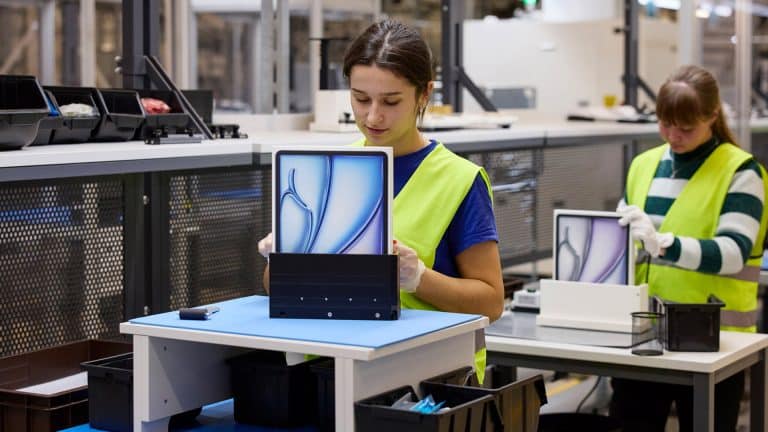
Apple global sourcing strategy is one of the least visible parts of the company and one of the most important. Customers see the final product: an iPhone that launches in dozens of markets at once, a MacBook that looks tightly engineered from corner to corner, or an Apple Watch that arrives with the same fit, finish, and packaging whether it is sold in California, Tokyo, London, or São Paulo. What most people do not see is the operational structure underneath that consistency. Apple says its supply chain includes thousands of supplier facilities in more than 60 countries, supporting every stage of the product life cycle. That means sourcing is not a background purchasing function. It is a system of global coordination that has to balance cost, quality, timing, manufacturing readiness, environmental goals, geopolitical risk, and strict internal standards all at once.
Apple does not manufacture most of its products in the traditional sense of owning and operating all the factories itself. Instead, it relies on a broad network of suppliers, contract manufacturers, materials providers, component makers, logistics partners, and assembly sites spread across regions. But that does not make Apple passive. The company’s filings and supply-chain pages show the opposite. Apple exerts control through design, standards, qualification, planning, and oversight. It says suppliers support every stage of the Apple product life cycle and that Apple applies strict requirements globally. In its 2025 Form 10-K, Apple also warns that trade restrictions, component shortages, commodity fluctuations, and supplier disruptions can affect cost and availability, which shows just how central supply management remains to the business.
That is what makes Apple global sourcing strategy more than a procurement story. It is one of the company’s core competitive advantages. Apple is not only finding parts. It is building a worldwide industrial network capable of turning design ambition into shipping products at Apple scale.

How Apple Builds a Global Supply Network Without Losing Control
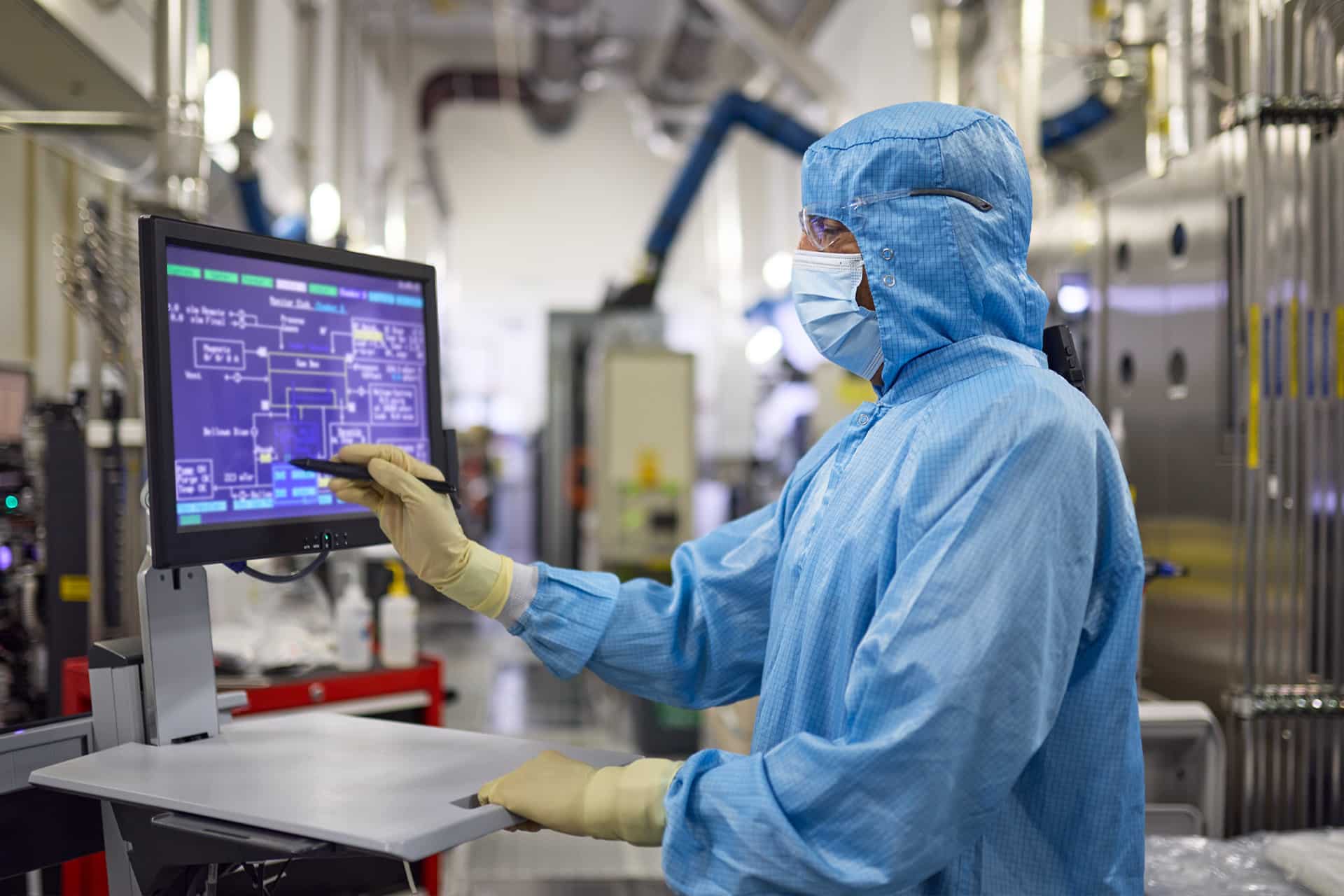
Apple’s sourcing model works because the company separates ownership from control. Apple may not own the majority of factories making its products, but it controls the product architecture, the supplier standards, the qualification process, and the operating discipline around the network. That distinction matters. Many companies can sign supplier agreements. Fewer can make a worldwide supplier base behave as if it belongs to one product system.
Apple’s own supply-chain language reflects that mindset. The company does not describe the network as a loose collection of vendors. It describes a supply chain supporting every stage of the product life cycle, from the earliest material inputs to final assembly and broader environmental and labor expectations. Apple’s Supplier List, though older than the current fiscal year, offers a useful snapshot of how broad that map is, listing manufacturing locations across mainland China, Japan, Singapore, South Korea, the United States, and many other regions for direct materials, manufacturing, and assembly.
That kind of network allows Apple to spread risk, specialize production, and source advanced components from companies that are already leaders in narrow technical categories. It also creates enormous coordination challenges. A company shipping at Apple’s volume cannot tolerate wide variation in quality or timing. If one component slips, the entire launch rhythm can suffer. If one supplier fails quality targets, the final product experience is affected. If one region becomes unstable politically or logistically, Apple needs enough flexibility elsewhere to keep products moving. The 2025 Form 10-K makes clear that Apple sees restrictive trade measures, shortages, and supplier disruption as material risks that can force the company to change suppliers, restructure business relationships, or alter operations. That means sourcing is not only about securing the best component. It is about preserving continuity under pressure.
This is where Apple’s scale helps. Because Apple is one of the largest buyers of advanced components in the world, it has unusual leverage with suppliers. That leverage can translate into priority access, manufacturing commitments, co-investment in production capabilities, and tighter alignment on standards. At the same time, scale cuts both ways. A company operating at Apple’s volume cannot improvise casually. A sourcing mistake at that size is not a local problem. It becomes a global one.
Why Apple Sources Globally Instead of Concentrating Everything in One Place
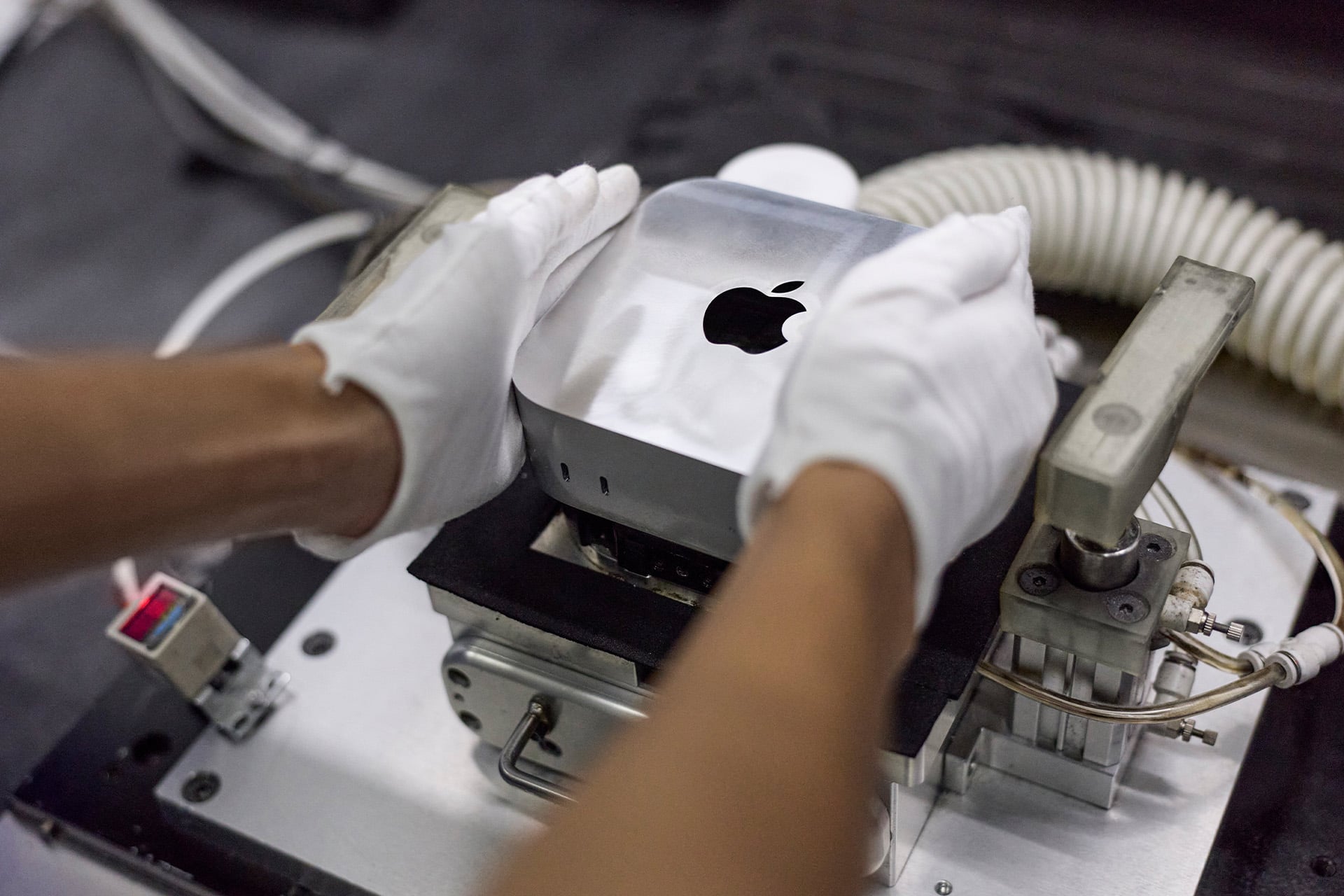
Apple global sourcing strategy depends on worldwide reach because no single country or supplier base can provide everything the company needs at the right quality, scale, cost, and timeline. Some regions are stronger in precision assembly. Others are stronger in semiconductors, specialty materials, advanced components, packaging, or specific manufacturing processes. Apple’s network reflects that reality.
That does not mean the structure is static. Apple’s 2025 filings and public announcements show a company actively reshaping the geography of its supply chain in response to both strategic and political pressure. In August 2025, Apple said it was increasing its U.S. commitment to $600 billion over four years and expanding work with companies including Corning, Texas Instruments, GlobalFoundries, Broadcom, Amkor, and TSMC. Apple tied that investment to a broader manufacturing and engineering push, including support for an end-to-end silicon supply chain in the United States.
This kind of move reveals how Apple thinks about sourcing. The company does not treat geography as neutral. It treats it as strategic. Regions are chosen not only for cost efficiency but for capacity, capability, resilience, political stability, and long-term control over critical technologies. That is especially important in areas like chips, advanced packaging, and materials where a single bottleneck can affect several product lines at once.
Apple’s environmental reporting also shows how sourcing decisions increasingly connect with energy and emissions targets. Product environmental reports in 2025 repeatedly said Apple is working with suppliers to transition to 100 percent renewable electricity for Apple production and that supplier energy solutions have already reduced product emissions. That means sourcing is no longer only a matter of who can make the part. It is also about whether the production model fits Apple’s climate goals and public environmental commitments.
The same logic applies to labor and supplier conduct. Apple’s supply-chain and supplier-responsibility materials make clear that the company expects strict standards around people and the environment in its supply chain. In older but still relevant supplier-responsibility materials, Apple said its Supplier Code of Conduct and Supplier Responsibility Standards are updated to reflect evolving legal norms and internationally accepted standards. That signals a sourcing model built not only around price and quality, but around reputational control. If a supplier fails badly enough, the problem does not stay with the supplier. It becomes an Apple story.

How Apple Keeps Standards Consistent Across So Many Suppliers
The biggest challenge in any worldwide supplier network is consistency. A company can source globally and still lose control if quality standards vary too much between regions or partners. Apple’s answer is to centralize expectations and distribute execution. The company’s public language repeatedly points to strict requirements applied globally. That is a strong clue to how the system holds together.
One part of that consistency comes from design control. Apple decides what the product should be, how tightly components must fit, which materials are acceptable, and how performance should behave. Suppliers are not freelancing on product identity. They are operating inside a narrow set of technical and manufacturing targets.
Another part comes from qualification and oversight. Apple’s supply-chain and environmental materials show that suppliers are assessed against the company’s standards and that supplier electricity use, environmental performance, and compliance are tracked in measurable ways. Apple’s product environmental reports also point back to the Supplier Code of Conduct as the foundation for safeguarding people and the environment during production. This is not proof that the system is perfect, but it does show a sourcing structure built around sustained oversight rather than simple purchasing contracts.
A third part is operational concentration around key partners. Even though Apple sources widely, it still depends heavily on major manufacturing and component relationships. The existence of a broad network does not eliminate concentration risk, but it does allow Apple to build layers into the system. Some parts of the chain may be concentrated because they require rare technical capability. Other parts can be diversified more aggressively. Apple’s own filings make clear that changing suppliers and restructuring business relationships are part of the options the company may need to use when trade or supply risks intensify.
This is why Apple’s sourcing strategy often looks invisible to consumers. When it works, the user notices only that Apple products arrive looking consistent and feeling dependable. The hidden achievement is that a network spread across dozens of countries can still produce that unified result.
What Apple Global Sourcing Strategy Really Reveals
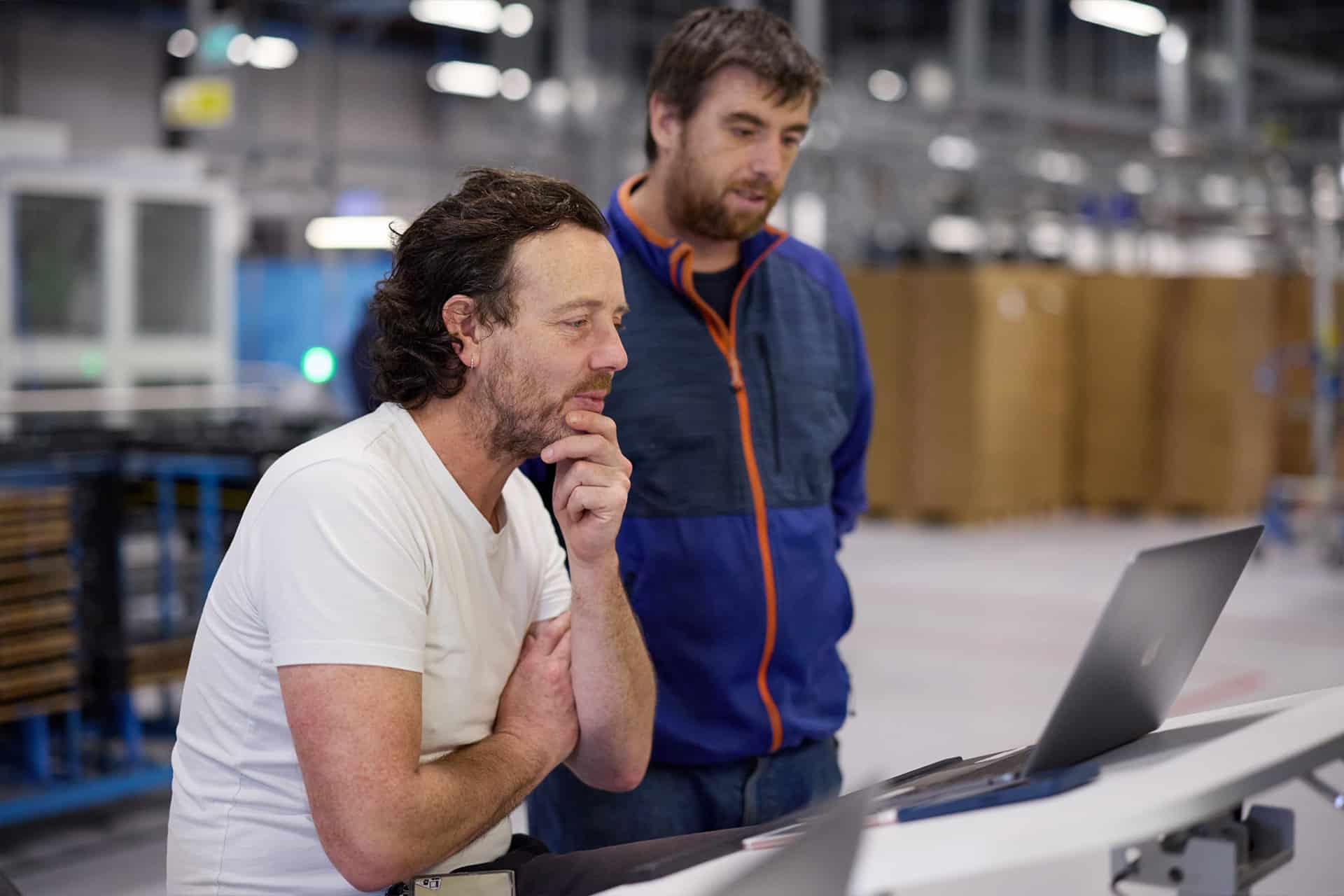
Apple global sourcing strategy reveals a company that sees procurement as a form of product control. Apple is not merely shopping the world for the cheapest available inputs. It is building and managing an industrial system that can support quality, scale, resilience, and long-term technology roadmaps at the same time. The company’s own disclosures show three things clearly: the supply chain is global, the risks are real, and the standards are meant to be strict everywhere.
That also explains why sourcing sits so close to Apple’s broader strategy. Chips, displays, batteries, enclosures, packaging, logistics, environmental performance, labor standards, and manufacturing geography all feed into the same outcome: whether Apple can continue launching products with the reliability and scale people now expect. A worldwide supplier network is only an advantage if the company at the center can make it work as one system. Apple’s entire sourcing model suggests that is exactly what it is trying to do.