

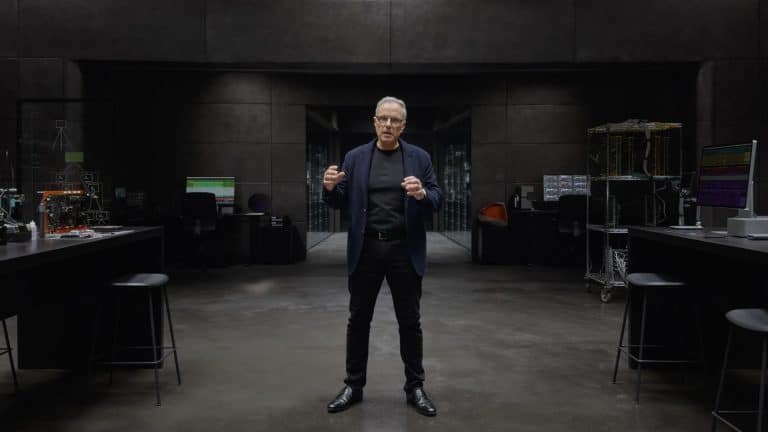
Apple hardware is being reorganized around a faster, more integrated development model as Johny Srouji moves into his expanded role as chief hardware officer. The restructuring, reported by Bloomberg’s Mark Gurman, comes ahead of John Ternus becoming Apple CEO on September 1 and marks one of the most important internal leadership changes as the company prepares for its next product cycle.
Srouji is best known for building Apple’s custom silicon operation, from the A-series chips that reshaped iPhone performance to the M-series processors that moved the Mac away from Intel. His promotion to chief hardware officer gives him a broader mandate over the physical technologies that define Apple devices. The new structure appears designed to bring chip development, product design, component engineering, reliability, and emerging device platforms into closer alignment.
That direction fits the moment. Apple’s next decade of hardware will depend less on isolated product upgrades and more on tight coordination between silicon, industrial design, batteries, cameras, displays, sensors, wireless systems, AI features, and new device categories. A thinner iPhone, a more capable Vision Pro, a lower-cost MacBook Neo, an Apple-designed modem, a robotics product, or a future wearable cannot be developed cleanly if chip teams and product teams operate too far apart.
The reorganization also reflects a leadership transition inside Apple. Ternus, who has led hardware engineering, is moving up to CEO. Srouji is stepping into the larger hardware role. Tim Cook is becoming executive chairman. Apple is trying to preserve operational discipline while giving its next leadership era a product structure built for faster execution.
Apple Hardware Moves Closer to Silicon
Apple hardware development increasingly begins with silicon. The chip is no longer only one component inside a device. It defines battery life, camera processing, AI performance, thermal behavior, wireless capability, security, graphics, display features, and the types of products Apple can build.
That is why Srouji’s expanded role is so important. Apple Silicon has become one of the company’s strongest competitive advantages, but the next step is making chip roadmaps and product roadmaps operate even more closely. A custom modem affects iPhone battery life and board layout. A new Neural Engine affects Apple Intelligence features. Display engines, image signal processors, Secure Enclave, wireless chips, sensors, and power controllers all shape the final product experience.
The new “Ecosystems Platforms and Partnerships” team, reportedly led by Matt Costello and Kevin Lynch, appears to be aimed at this kind of integration. Costello has led Apple’s home and audio products, while Lynch has worked on special projects including robotics. Bringing those leaders under Srouji’s direct oversight gives Apple a structure where device platforms, silicon, and future product categories can be coordinated more tightly.
That could matter for several areas at once. Home devices need audio, displays, chips, AI, and services. Robotics needs sensors, motors, vision systems, local intelligence, battery design, and software. Wearables need efficient silicon and careful thermal limits. Vision Pro needs displays, cameras, sensors, spatial computing chips, and comfort-driven design. The more advanced the product, the less room Apple has for separation between engineering groups.
Srouji’s hardware organization seems built around that reality.


Product Design Gets a New Reporting Shape
Apple hardware restructuring also changes product design oversight. According to reporting cited by several outlets, Kate Bergeron is moving away from overall product design leadership and into a broader product reliability role across Apple devices while continuing to oversee materials development. Her former product design responsibilities are being divided among longtime deputies.
Shelly Goldberg is reportedly taking over Mac product design. Dave Pakula is expected to oversee Apple Watch, iPad, and AirPods product design. Richard Dinh will continue leading iPhone product design. That division gives Apple more direct product-line responsibility at a time when each category has different development pressures.
The Mac faces a new AI and education cycle around Apple Silicon, memory constraints, MacBook Neo, and local intelligence. Apple Watch is dealing with health, battery, sensors, gestures, and thinner wearable design. iPad continues to sit between tablet, notebook, classroom, and creator workflows. AirPods are becoming more health, hearing, and low-latency audio devices. iPhone remains Apple’s central product and the most sensitive hardware category.
Splitting oversight across leaders closer to each product group may help speed decisions. It may also reduce the load on one central product-design executive while giving Srouji clearer visibility into each device category.
Bergeron’s new reliability role is also notable. Apple has learned that design ambition can become a liability when reliability suffers. The Butterfly Keyboard remains the clearest example, but reliability now extends across batteries, materials, thermals, durability, cameras, modems, hinges, displays, and complex repairability questions. Moving a senior design leader into product reliability suggests Apple wants design, manufacturability, materials, and durability to stay connected.
The Ternus Era Needs Faster Execution
Apple hardware changes are arriving because the Ternus era will be judged on product speed. Cook’s Apple became one of the most successful companies in history through operational scale, services growth, silicon discipline, supply-chain control, and steady device refinement. Ternus will inherit a company that needs sharper movement in AI, hardware categories, and developer-facing platform features.
The pressure is visible across the lineup. Siri and Apple Intelligence need better hardware-software integration. iPhone needs new upgrade reasons as replacement cycles stretch. Mac must keep its Apple Silicon advantage while memory prices and AI workloads reshape demand. Vision Pro needs a clearer path toward lighter and more affordable models. Apple Watch needs new health and interaction advances. Home products and robotics may become new categories if Apple can bring them to market convincingly.
A hardware structure led by Srouji gives Ternus a stronger technical partner inside the executive team. Ternus can focus on companywide leadership and product direction while Srouji coordinates the hardware engine underneath. That division matters because the next generation of devices will depend on decisions made years before launch: chip nodes, packaging, display roadmaps, battery chemistry, sensor sourcing, camera modules, modem development, thermal limits, and manufacturing readiness.
Apple cannot accelerate future devices only by moving faster at the end of the cycle. It has to coordinate earlier.

Robotics and Home Devices Get More Attention
Apple hardware restructuring also points toward future categories. Kevin Lynch’s continued focus on robotics and Matt Costello’s role in the new platforms and partnerships team suggest Apple is organizing around devices that may sit outside its traditional iPhone, Mac, iPad, Watch, and AirPods categories.
Robotics has been a recurring area of Apple speculation, especially around tabletop home devices, mobile home assistants, or AI-driven hardware that combines displays, cameras, sensors, and movement. Whether or not any specific product ships soon, the category requires deep integration between hardware, software, silicon, sensors, and AI. It is not a natural fit for a slow, siloed structure.
Home products face a similar issue. Apple has HomePod, Apple TV, HomeKit, Matter support, Siri, Apple Music, Apple TV, FaceTime, and potential smart-display ambitions, but it has not dominated the smart-home market. A new platform team could help connect home hardware, AI, audio, services, and developer partnerships more tightly.
The phrase “Ecosystems Platforms and Partnerships” is significant because future Apple devices may need more external coordination than classic hardware categories. Robotics, home platforms, health devices, AI accessories, and spatial computing all depend on suppliers, developers, service partners, standards bodies, and sometimes medical or mobility partners. Apple still wants control, but new categories require broader platform thinking.
Srouji’s structure may be designed to make those projects less experimental and more product-ready.
Chip Packaging, Sensors, Batteries, and Displays Become Central
Apple hardware acceleration is not only about high-level reporting lines. The reorganization also appears to place more emphasis on the component technologies that decide whether future devices are possible. Reports cited additional responsibilities around chip packaging, analog and mixed-signal technologies, sensor software, prototyping, battery engineering, camera engineering, and display engineering.
Those areas are no longer secondary. Advanced chip packaging affects performance and power. Batteries affect every portable device and are especially important for thin iPhones, wearables, Vision Pro, and future robotics. Cameras and sensors define photography, spatial computing, accessibility, health, robotics, and AI perception. Displays affect everything from iPhone brightness to Vision Pro immersion. Analog and mixed-signal systems connect the digital chip world to real-world signals.
Apple’s next product advantages may come from these component-level improvements as much as from visible industrial design. A product can become thinner because the board is redesigned. A wearable can gain a health feature because the sensor stack changes. A Vision Pro successor can become lighter because displays, batteries, and chips improve together. An Apple-designed modem can improve battery life only if it is integrated with the rest of the device architecture.
That is where Srouji’s background gives Apple a logical center of gravity. He has spent years leading the kind of silicon work that requires long-term roadmaps and disciplined execution. Extending that discipline across more hardware technologies could help Apple move faster without weakening product quality.

A Reorganization Built for the Next Apple
Apple hardware is entering a different phase. The company is no longer only refining mature devices. It is trying to connect AI, custom silicon, new form factors, home devices, robotics, spatial computing, accessibility, health, and services into a new generation of products. That requires a structure that reduces distance between concept, chip design, product engineering, reliability, and platform strategy.
Srouji’s reorganization appears aimed at that problem. Product design oversight is being distributed to experienced deputies. Reliability is being elevated. Platforms and partnerships are being pulled closer to hardware leadership. Robotics and home-related work are getting clearer executive placement. Chip and device work are being pushed into tighter alignment.
The risk is complexity. Apple’s strength has always been clear accountability and tightly controlled product execution. A broader Srouji organization must accelerate decisions without creating new layers of coordination. Product leaders still need enough authority to move quickly, and Ternus will need to establish his own CEO rhythm without every product decision becoming a hardware-structure question.
The benefit is that Apple may be better prepared for the product demands ahead. The next decade will not be won by a single device category. It will depend on how well Apple connects its chips, software, AI, materials, displays, sensors, batteries, and services into devices that feel simpler than the engineering behind them.
Srouji’s new role puts one of Apple’s most important technical executives at the center of that effort. As Ternus prepares to lead the company, Apple is reshaping the hardware organization around the principle that future products have to be built closer to the silicon that powers them.