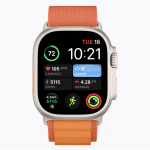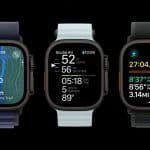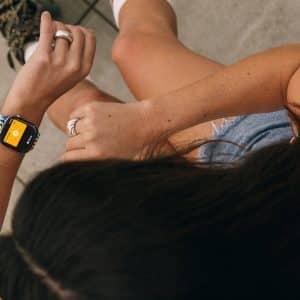
Healthcare used to begin only when symptoms appeared. Today, small daily signals captured by iPhone and Apple Watch help people observe how their bodies behave over time. A quick glance at sleep trends, activity levels, or heart-rate patterns can reveal subtle changes that would otherwise remain unnoticed for months or years.
What often starts as simple step tracking gradually becomes a broader personal health timeline. Devices record resting heart rate, walking steadiness, sleep duration, respiratory trends, and workout recovery indicators.
When this information accumulates over long periods, it forms a detailed reference that helps identify unusual changes early, prompting conversations with healthcare professionals when appropriate.
Preventive Care Through Daily Awareness
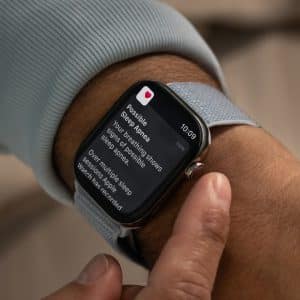
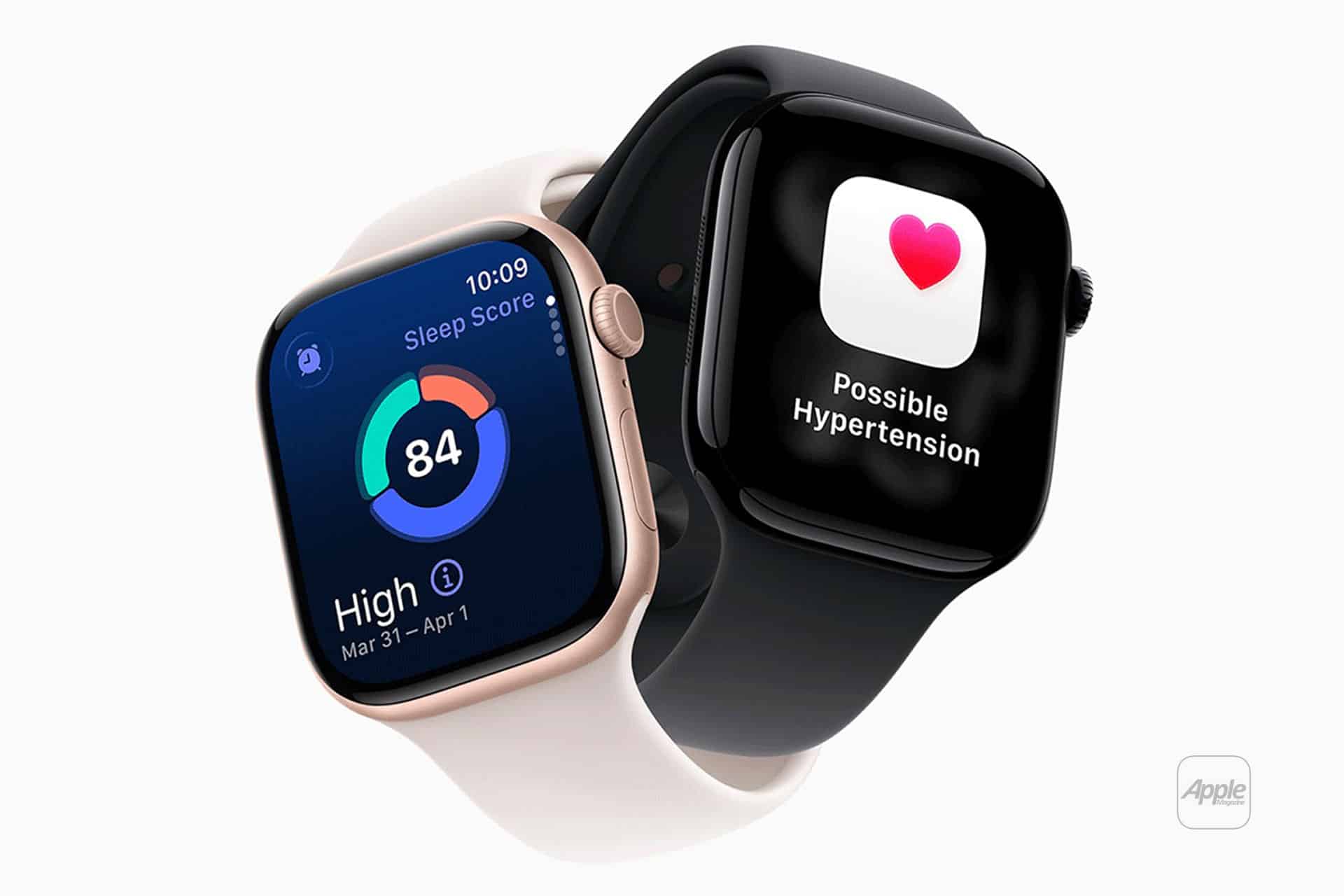
Preventive care is built on early awareness. Apple Watch features such as irregular rhythm notifications, fall detection, and mobility monitoring provide signals that encourage users to check their health earlier rather than later. These features do not replace physicians or clinical testing, yet they add an additional layer of observation that runs continuously in the background of daily life.
Traditional medical tests capture isolated moments. Wearable tracking captures daily continuity.
Over months and years, this continuous record helps people recognize how sleep habits, stress, activity levels, and recovery interact. Seeing those patterns clearly often leads to simple lifestyle adjustments — walking more, resting better, or paying closer attention to hydration and recovery.
Medical Research Participation From Home
The Apple Research app allows individuals to join medical studies without traveling to research centers. Participants can choose which data they share and withdraw at any time. Large-scale participation gives researchers access to real-world lifestyle data such as activity, sleep routines, and environmental exposure collected over extended periods. This kind of dataset was historically difficult to gather at scale.
Research teams use these anonymized datasets to explore trends related to heart health, hearing, mobility, and other long-term conditions. Over time, such studies help refine screening methods and early-detection strategies that support preventive healthcare programs worldwide.
Personal Wellness Becomes Data-Driven
Health dashboards on iPhone combine activity, sleep, heart signals, and other metrics into unified views that help individuals understand how daily habits influence their well-being.
Instead of looking at isolated measurements, users can see connections — how irregular sleep affects workout recovery, how stress changes resting heart rate, or how consistent exercise improves long-term endurance.
This type of insight encourages gradual behavioral changes. People adjust routines based on patterns they observe themselves rather than relying only on occasional clinic visits. Awareness grows naturally because the information is already present on devices used every day.

Healthcare Closer to Daily Life
Hospitals and physicians remain central to diagnosis and treatment, yet continuous monitoring from consumer devices is adding a new layer of preventive awareness outside clinical environments. Wellness programs, research institutions, and healthcare systems increasingly evaluate how voluntary wearable data can support early screening initiatives and long-term health studies.
Phones and watches once focused mainly on communication now contribute to broader health awareness by capturing daily physiological signals that help individuals monitor long-term trends. Preventive care is gradually becoming part of everyday routines, guided by personal data collected passively through devices already carried throughout the day.