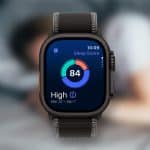
A few years ago, checking health metrics meant scheduling occasional medical visits or using separate devices for each measurement. Today, many people begin the morning by glancing at their wrist. Heart rate, sleep duration, movement trends, and daily activity levels are already organized before breakfast. This quiet shift shows how personal technology is moving closer to daily health awareness, turning small measurements into long-term patterns that help people understand their own routines.

The expansion of Apple Health is less about a single feature and more about how multiple devices work together. The iPhone collects activity, nutrition, and medication data. Apple Watch continuously records heart rate, mobility, and sleep signals. AirPods contribute hearing health insights, while third-party medical accessories connect through the same Health platform. Instead of scattered information across different apps, everything gathers in one timeline that gradually forms a personal wellness history.
Health Tracking That Lives With You
One of the biggest changes comes from consistency. Because the devices travel with users throughout the day, measurements happen naturally rather than requiring scheduled actions. Walking distance accumulates automatically. Sleep patterns appear each morning without manual logging. Over weeks and months, the system begins to show subtle changes: more active periods, longer rest cycles, or gradual improvements in cardiovascular indicators.
For many households, these small insights influence everyday decisions. Someone might notice reduced sleep quality after late-night screen use or discover how regular walking improves resting heart rate. These observations rarely require advanced medical interpretation; they simply provide awareness that encourages small adjustments in lifestyle. The result is a more proactive approach to personal wellness, shaped by everyday feedback rather than occasional checkups.
Research Participation From the Living Room
Another growing area is clinical research participation through iPhone-based studies. Universities, hospitals, and research organizations increasingly use Apple’s research frameworks to invite volunteers into large-scale health studies. Participants enroll directly from their devices, contribute anonymized health data, and complete periodic questionnaires without traveling to research centers.
This approach allows studies to reach thousands or even millions of participants across regions that were previously difficult to include. Researchers gain broader datasets, while participants remain connected to research progress through updates delivered directly in the app. Over time, these digital research models have supported studies on heart health, hearing, mobility, women’s health, and neurological conditions.
The integration also allows researchers to collect continuous measurements rather than occasional snapshots. Motion data, heart activity, and environmental exposure patterns help create more complete health profiles. For participants, the process often feels closer to daily app usage than traditional research enrollment, lowering barriers to involvement while expanding the scale of medical observation.

Personalized Wellness Environments
As Apple continues expanding its health ecosystem, personalization plays a larger role. Trends in activity, sleep, and heart measurements gradually inform suggestions, reminders, and activity targets adjusted to each individual’s history. The goal is not to replace professional medical care but to create an environment where people stay more aware of their daily health signals and habits.
Families also benefit from shared health features. Caregivers can monitor certain wellness indicators for relatives, emergency alerts notify contacts when abnormal patterns appear, and medication reminders help maintain treatment schedules. These tools introduce a layer of supportive awareness that operates quietly in the background, offering reassurance without constant interaction.
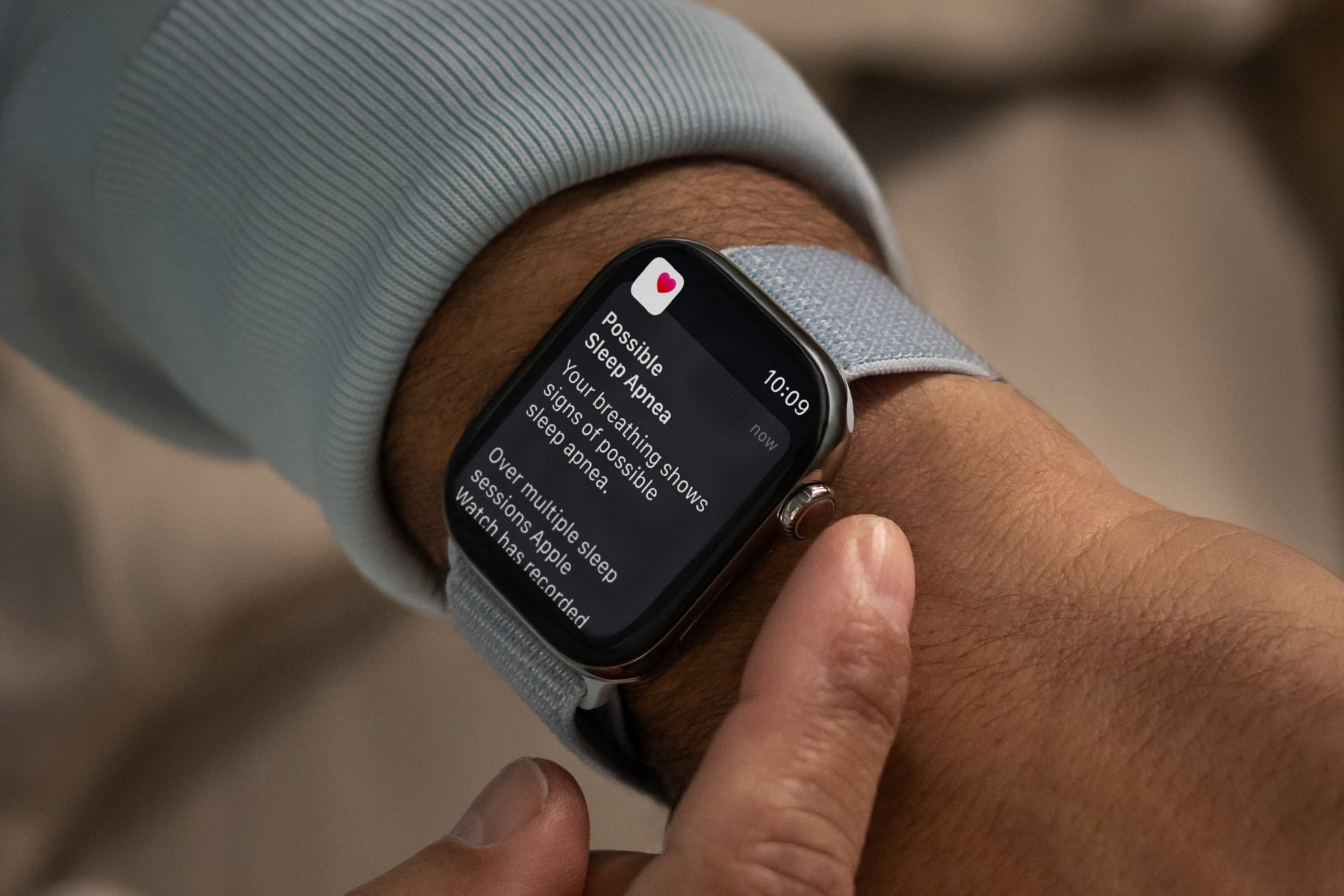
The next phase of expansion is expected to involve deeper AI-driven health interpretation, turning large amounts of collected wellness data into more meaningful insights about long-term behavior patterns. Instead of only displaying numbers, systems will likely focus on contextual understanding—how habits interact, how routines evolve, and how early changes can be detected before symptoms become noticeable.
Health technology is gradually moving from occasional measurement tools to continuous lifestyle companions. Devices once used primarily for communication now help people observe how they sleep, move, exercise, and recover. Over time, these everyday signals build a more complete picture of personal wellness, shaped not by isolated checkups but by the rhythms of daily life.
The topic of Health AI integration will be explored in depth next Friday as the AppleMagazine cover story, examining how next-generation intelligence tools may interpret wellness data in new ways. Stay tuned.