

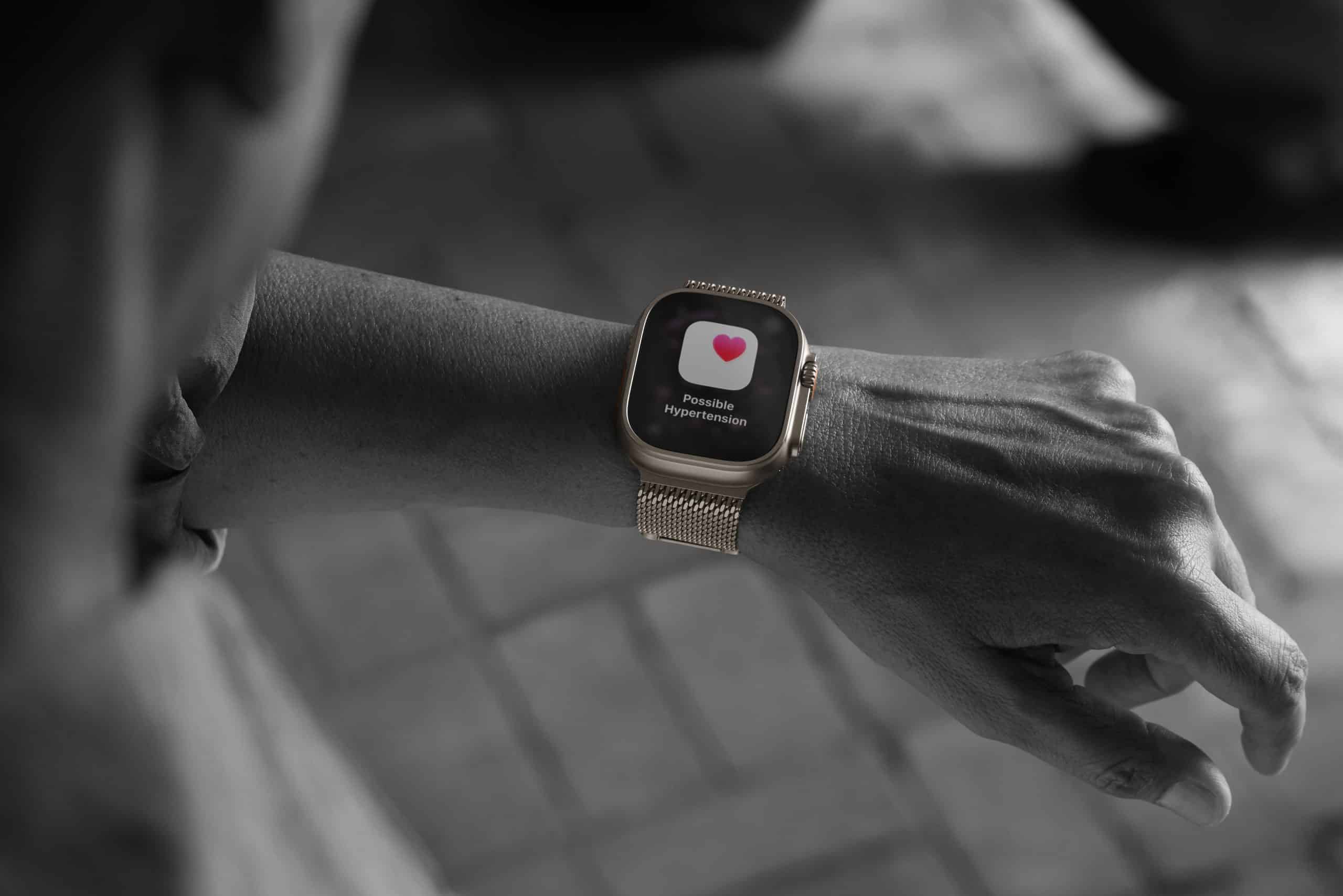
Apple health features extend far beyond counting steps, closing Activity rings and recording workouts. AirPods Pro can test hearing and provide clinical-grade hearing assistance, while compatible Apple Watch models can look for patterns associated with hypertension and sleep apnea.
Many owners never activate these tools. Some require a supported device, a specific age, several nights of background data or approval from health regulators in the country where the device is used. Others are misunderstood because their names suggest capabilities the hardware does not actually provide.
The distinction is especially important with blood pressure. Apple Watch can now warn eligible users about possible hypertension, but it does not produce a conventional systolic and diastolic reading like an inflatable cuff.
AirPods Pro Can Become a Hearing Aid
AirPods Pro 2 and AirPods Pro 3 support an integrated hearing health experience that includes a hearing test, a hearing aid feature and protection from loud environmental sound.
The hearing test uses a series of tones at different frequencies to estimate hearing ability in each ear. Results appear inside the Health app and can be used to configure the Hearing Aid feature. Users can also import an audiogram supplied by a hearing professional.
Apple positions the Hearing Aid feature for adults with perceived mild to moderate hearing loss. It adjusts sound according to the hearing profile, amplifying conversations and parts of the environment that may otherwise be difficult to hear.
This makes AirPods Pro unusually practical for people who suspect hearing loss but have not adopted conventional hearing aids. The same earbuds used for music, calls and podcasts can provide assistance in a restaurant, meeting or conversation.
There are significant limitations. The Hearing Test and Hearing Aid features are regulated and are not available in every country. They require AirPods Pro 2 or AirPods Pro 3 with current firmware and a compatible iPhone or iPad running iOS 18 or iPadOS 18 or later.
Users must be at least 18 years old. The feature is not intended for severe or profound hearing loss, sudden hearing changes, ear pain or medical symptoms that require examination by a hearing professional.
Battery life also matters. AirPods cannot provide continuous assistance while charging, and some people may find the fit less suitable for all-day use than dedicated hearing devices.
Hearing Protection works differently. It reduces exposure to loud environmental sound while preserving awareness, but it should not be treated as certified protection for every industrial, occupational or extreme-noise environment.

Apple Watch Does Not Measure Blood Pressure
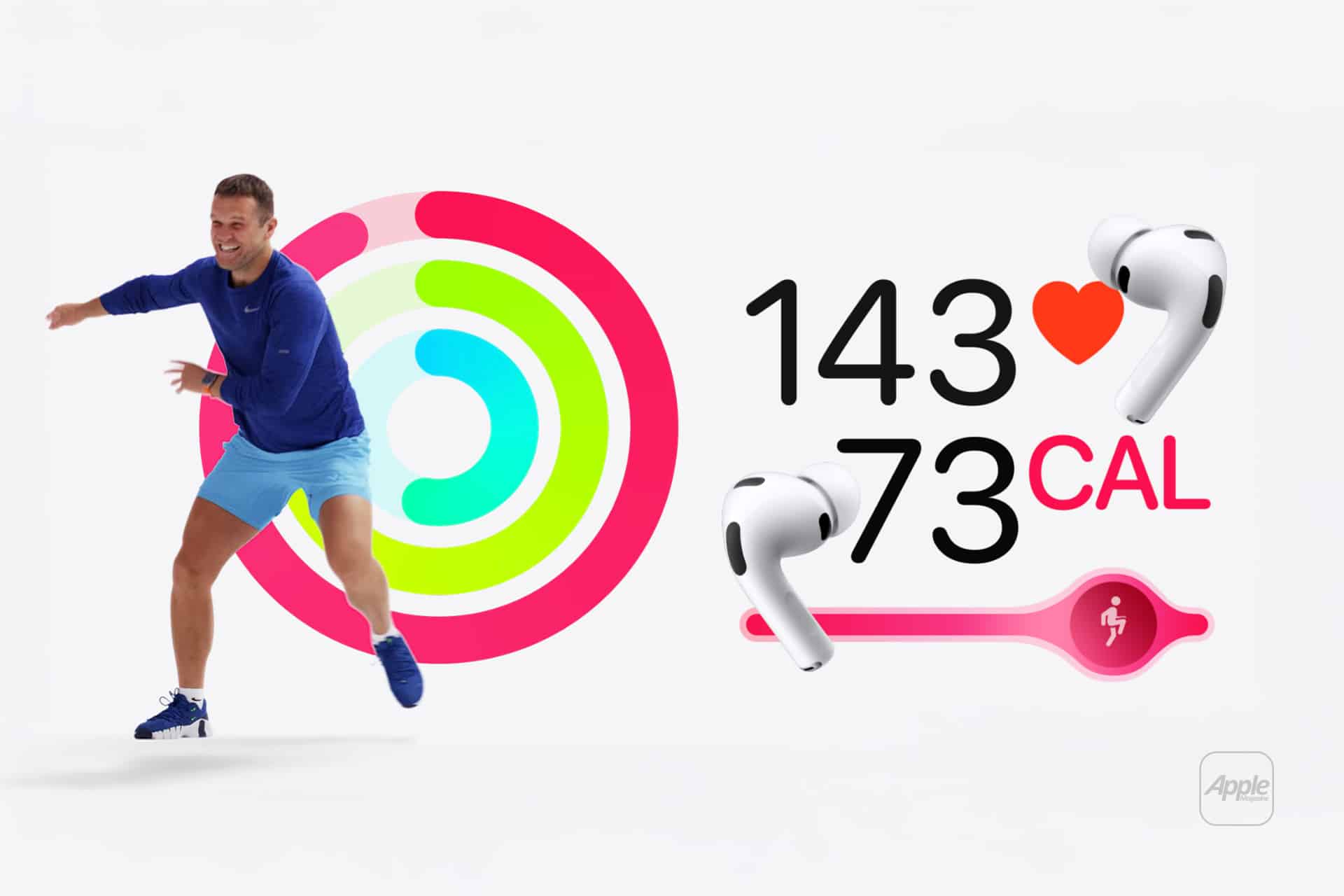
Apple Watch hypertension notifications are one of the most easily misunderstood additions to the health platform.
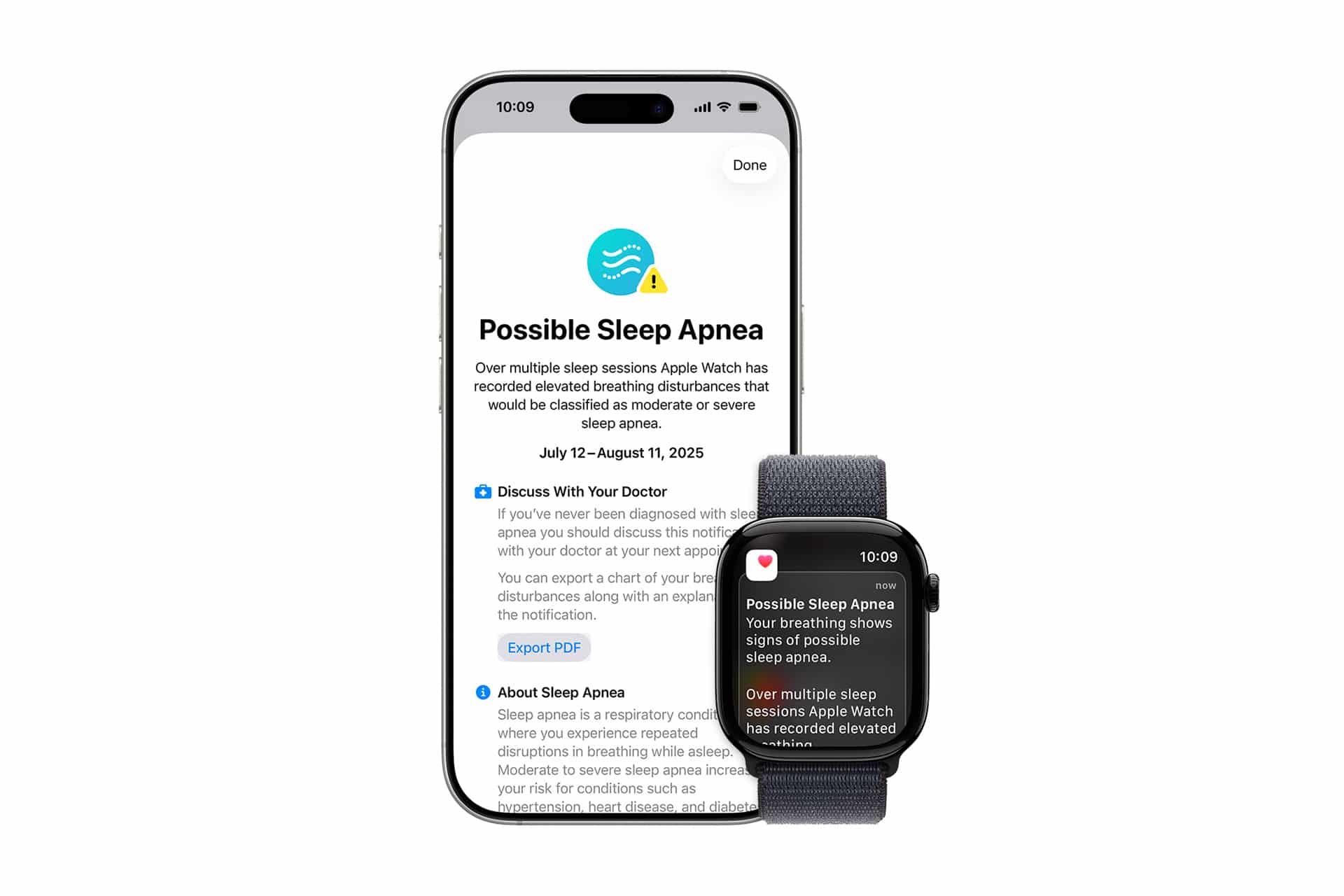
The feature does not display a blood pressure result such as 120/80 mm Hg. Instead, the optical heart sensor examines how blood vessels respond to heartbeats over extended periods. An algorithm reviews data collected across 30 days and may notify the wearer when it detects patterns associated with possible chronic high blood pressure.
Supported devices include Apple Watch Series 9 and later, Apple Watch Ultra 2 and later, and Apple Watch SE 3. Availability depends on regional regulatory approval.
The user must be at least 22 years old, not pregnant and not already diagnosed with hypertension. People with a known diagnosis should continue following their established monitoring and treatment plan rather than relying on the notification feature.
A notification is not a diagnosis. Apple directs users to take readings with a conventional blood pressure cuff and share the results with a healthcare professional.
The passive design may still reach people who would not otherwise suspect a problem. Hypertension often causes no obvious symptoms, allowing it to remain undetected until a routine examination or another health event reveals it.
Users should not wait for Apple Watch to provide reassurance. The absence of a notification does not prove that blood pressure is normal, and the watch cannot replace periodic cuff measurements recommended by a clinician.
Sleep Apnea Alerts Require Weeks of Data
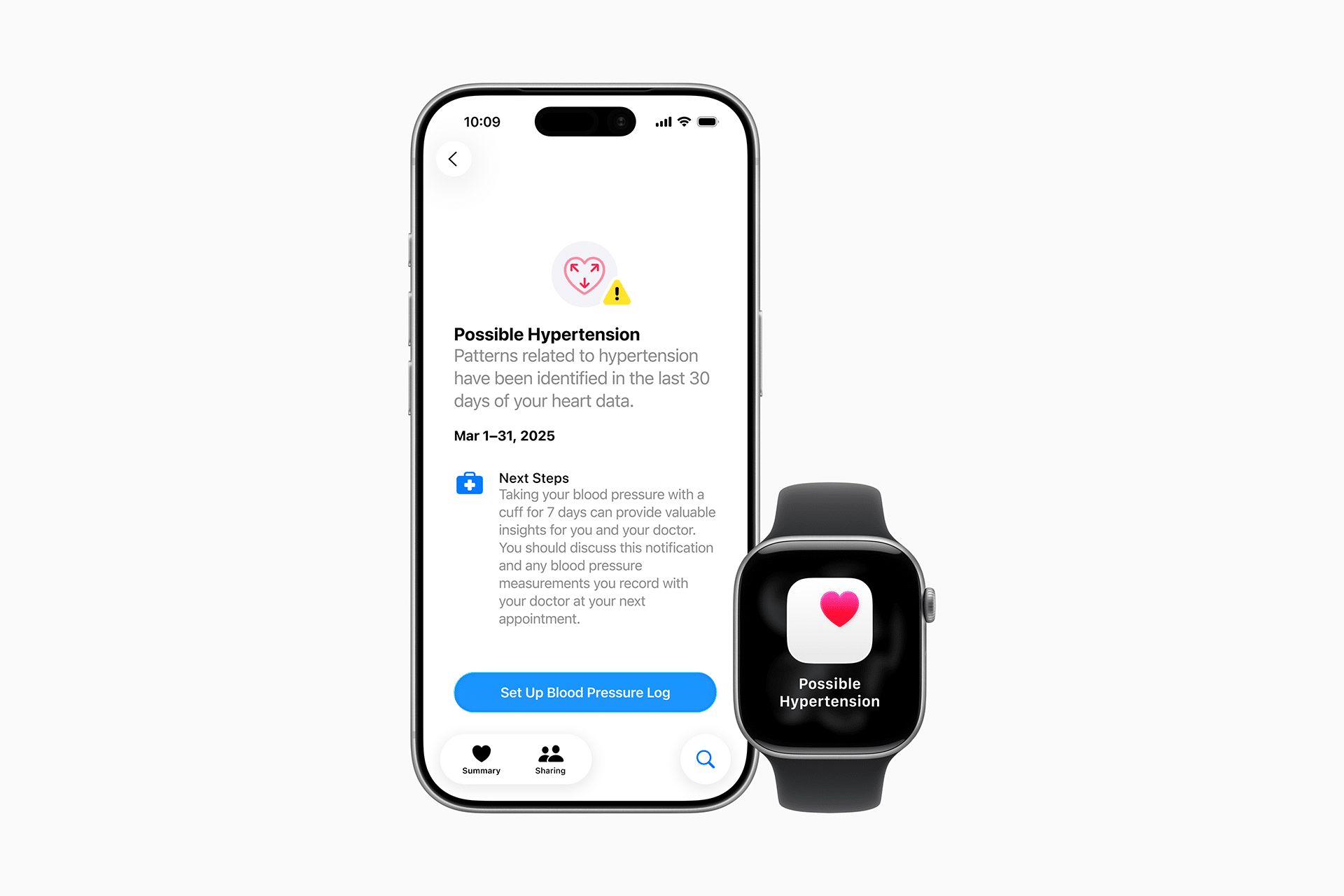
Compatible Apple Watch models can also look for signs of moderate to severe sleep apnea by tracking breathing disturbances during sleep.
The feature is available on Apple Watch Series 9 and later, Apple Watch Ultra 2 and later, and Apple Watch SE 3. It is intended for adults aged 18 or older who have not already been diagnosed with sleep apnea.
Users must wear the watch while sleeping for at least 10 nights during a 30-day period. The system evaluates repeated patterns rather than reacting to one unusual night.
When frequent elevated breathing disturbances appear, Apple Watch can issue a possible sleep apnea notification and prepare a report that can be shared with a healthcare provider.
The feature cannot confirm that a person has the condition. Alcohol, illness, sleeping position and other factors may influence breathing during the night, while some people with sleep apnea may not receive an alert.
Someone experiencing loud snoring, gasping during sleep, persistent daytime fatigue or other concerning symptoms should seek medical guidance even when Apple Watch shows no notification.
ECG and AFib Tools Serve Different Users
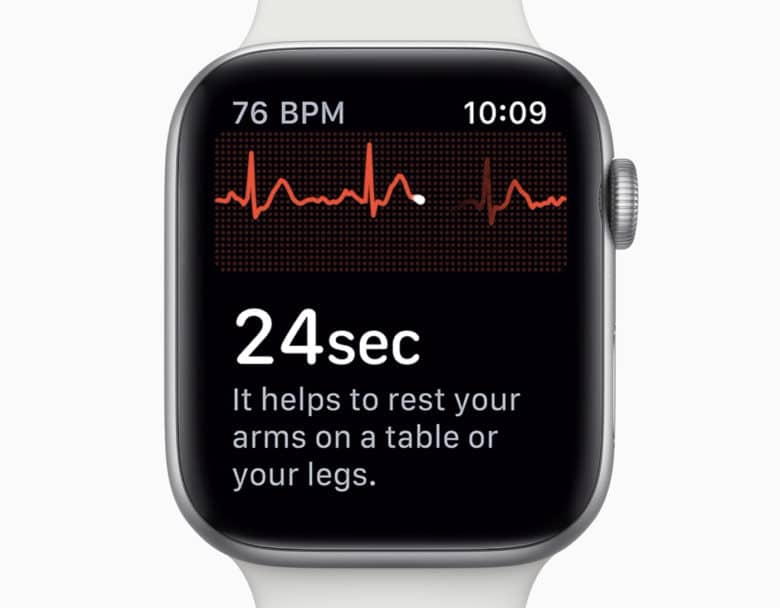
The ECG app records a waveform similar to a single-lead electrocardiogram when the wearer places a finger on the Digital Crown for 30 seconds.
It is available on Apple Watch Series 4 and later and all Apple Watch Ultra models, excluding Apple Watch SE. Users must be at least 22 years old, and availability varies by country.
The app can classify certain recordings as sinus rhythm, atrial fibrillation, high or low heart rate, inconclusive or poor recording. It can also create a PDF for a healthcare professional.
It cannot detect a heart attack, stroke, blood clot, hypertension or every type of abnormal rhythm. Chest pain, pressure, severe shortness of breath or suspected emergency symptoms require immediate medical assistance regardless of the result shown on the watch.
Irregular rhythm notifications are intended for users who have not been diagnosed with AFib. AFib History serves a different group: people with a confirmed diagnosis who want an estimate of how frequently the irregular rhythm occurred.
AFib History requires regular wear, generally at least 12 hours per day on five days each week, to produce consistent weekly estimates.

Temperature, Cycles and Overnight Vitals
Apple Watch Series 8 and later and Apple Watch Ultra models can track changes in wrist temperature while the user sleeps.
The sensor does not function like a standard thermometer and is not intended to diagnose fever. It establishes a personal baseline and looks for nightly deviations.
When Cycle Tracking is configured, temperature changes can improve period predictions and provide retrospective ovulation estimates. Several nights of sleep data are required, and estimates may take about two menstrual cycles to appear reliably.
Apple states that Cycle Tracking should not be used as contraception or to diagnose a health condition. Illness, travel, sleep disruption and environmental temperature can all affect the data.
The Vitals app brings several overnight measurements together, including heart rate, respiratory rate, wrist temperature, sleep duration and blood oxygen where supported. It establishes a typical range and can identify when multiple metrics move outside that range.
Blood Oxygen remains another feature with important restrictions. It is intended for general wellness rather than medical diagnosis, availability varies by region and the experience differs on some Apple Watch units sold in the United States.
These tools become more useful when interpreted as long-term patterns rather than isolated numbers. One unusual reading may mean little, while repeated changes can provide useful context for a conversation with a healthcare professional.
Fall Detection follows the same principle of assistance without certainty. It can contact emergency services after a hard fall when the wearer remains unresponsive, but Apple warns that it cannot detect every fall and may mistake high-impact activity for one.
The growing collection turns AirPods, Apple Watch and iPhone into a connected health platform, but each feature has a specific population, supported hardware list and medical boundary. Discovering the setting is only the first step; understanding what it cannot do is equally important.