

Leaks of unreleased Apple product details from an internal iOS 26 software build suggest that Apple is preparing upgrades for two of its popular accessories: the HomePod mini and the AirTag. According to references in the code, a new HomePod mini model and a second-generation AirTag — often referred to as AirTag 2 — are in development with several improvements that may arrive as early as 2026 as part of Apple’s broader accessory refresh cycle.
The new HomePod mini appears in the internal build with the codename B252, aligning with reports that Apple plans to replace the aging S5 chip in the current model with a more capable S10 processor used in the latest Apple Watch models. The chip swap is expected to deliver improved responsiveness and wireless performance, though the code suggests the updated speaker will not carry all of the advanced on-device AI capabilities seen in Apple’s upcoming smart home hub device that is also rumored to be in the works.
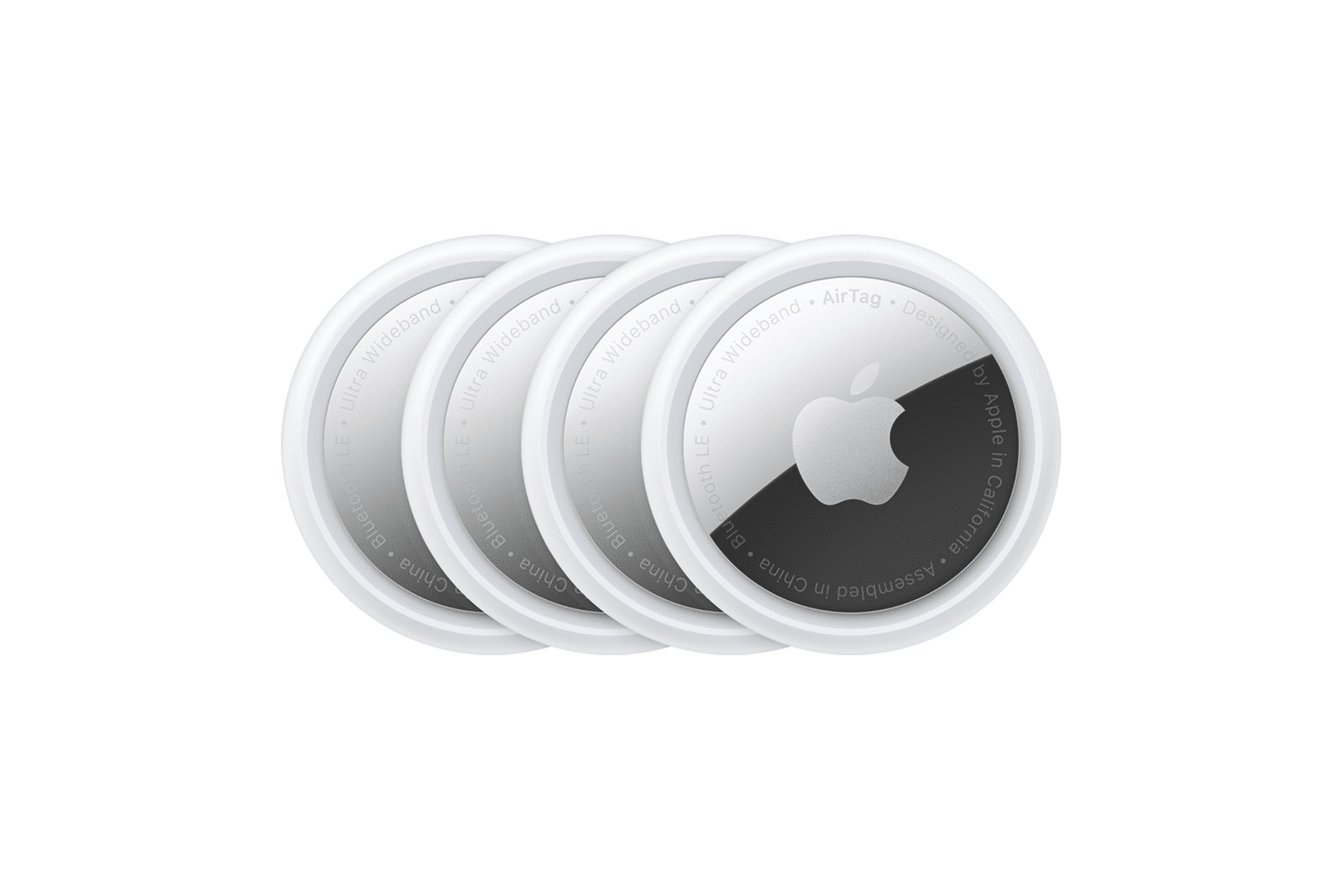
AirTag 2 Leak Hints at Major Tracking Improvements
The internal code also shows multiple hints of upgrades for the next-generation Apple item tracker, commonly dubbed AirTag 2. Among the enhancements are a smoother pairing process, an enhanced Precision Finding experience, and detailed battery level reporting that will give users more clarity about their tracker’s remaining power. These features build on the current AirTag’s ability to help users locate lost items by leveraging Apple’s Find My network and ultra-wideband technology.
One notable function spotted in the code called “Improved Moving” could allow AirTag 2 to maintain accurate location tracking even while the tracker is in motion, addressing one of the limitations of the original design. Another fragment of code suggests better tracking in crowded environments, potentially improving performance in places where Bluetooth and UWB signals are congested. These upgrades target longstanding user feedback and rumor-driven expectations around AirTag’s next iteration.
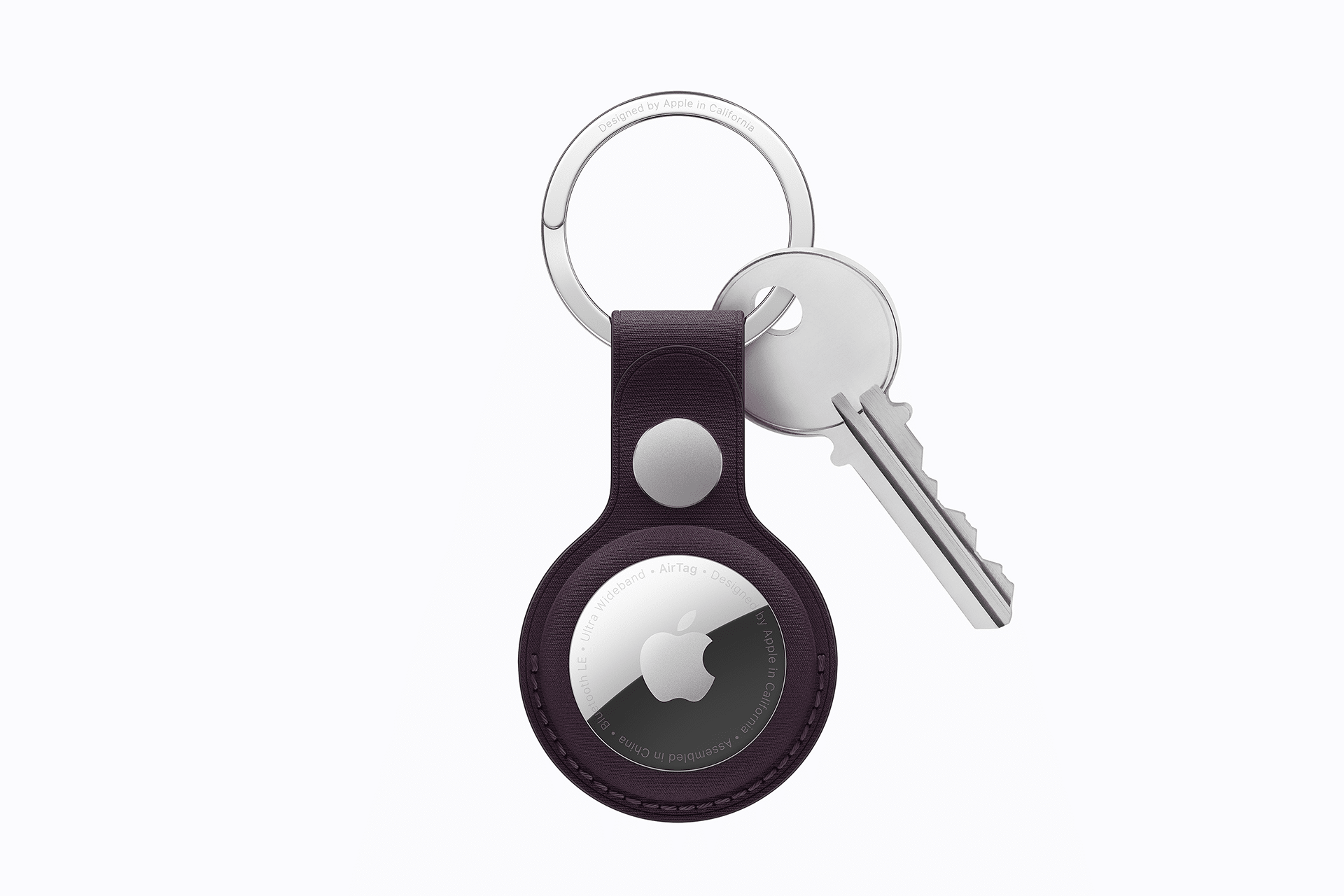
iOS Updates and 2026 Release
All of these accessory enhancements were found in the internal iOS 26 build and are tagged internally in the software, suggesting Apple may incorporate support for the new HomePod mini and AirTag features into future public releases of iOS. The presence of internal designations like “2025AirTag” hints that Apple may have originally planned to unveil these updates in 2025 but has pushed them back to align with its 2026 calendar of product introductions.
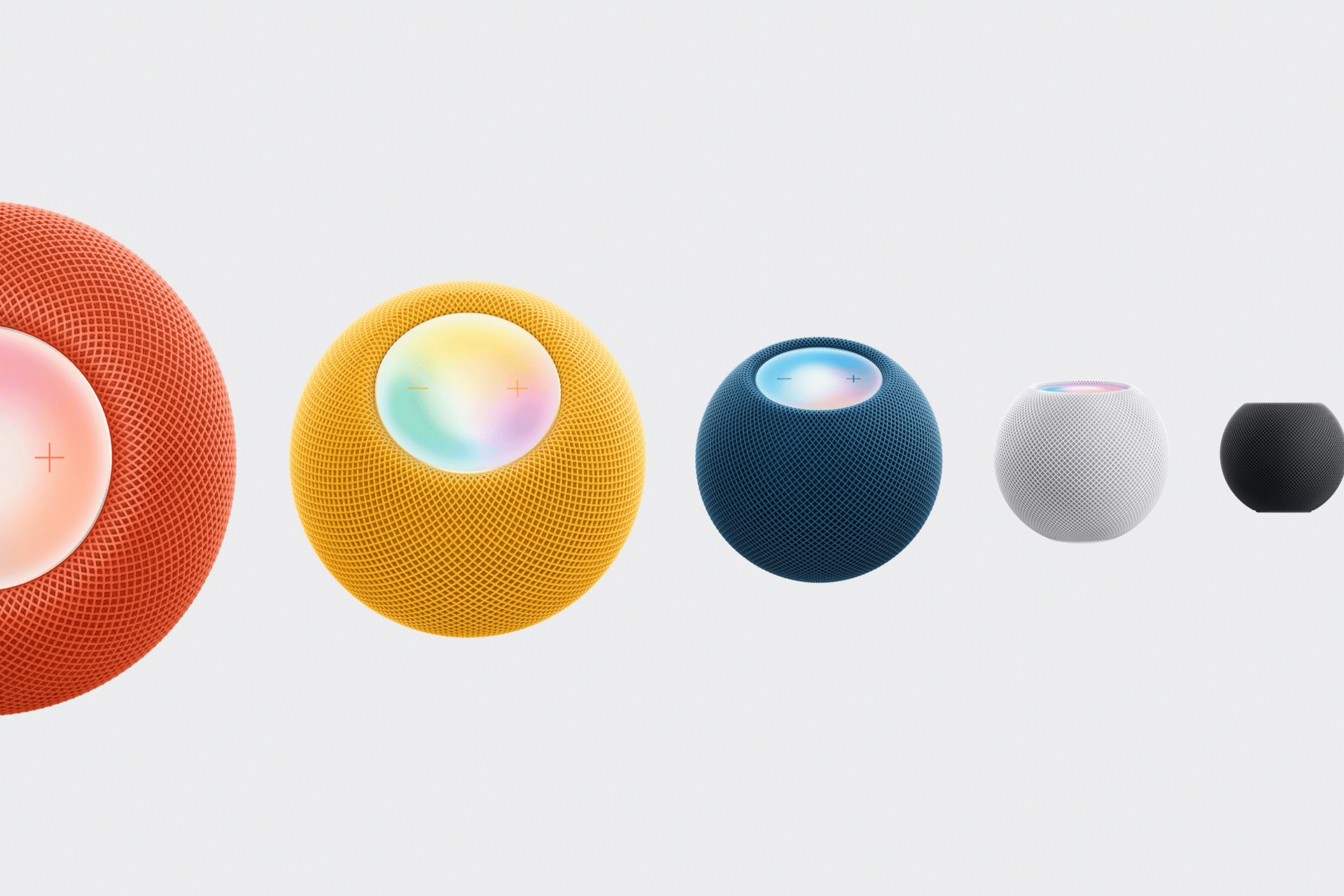
If Apple releases the updated HomePod mini with a faster chip and rolls out AirTag 2 with precision and tracking enhancements, those products would mark Apple’s first significant hardware refresh for these accessories in several years. The current HomePod mini debuted in 2020, and the first-generation AirTag was introduced in 2021, meaning both product lines have gone without major upgrades for an extended period.
For consumers, the potential upgrades could improve everyday use cases — from richer audio performance and responsiveness in the smart speaker to more reliable item tracking with finer location detail and battery visibility. Apple’s broader accessory strategy appears focused on refining the performance of established products while preparing for future smart home expansions, including rumored devices such as a Siri-powered smart hub.


