
Apple Maps reached a new level of maturity in 2025, balancing visual ambition with practical intelligence. What once focused on catching up has turned into a platform refining how people navigate cities, commute daily, and even recover lost items, all while keeping privacy at the core.
Rather than chasing disruption, Apple Maps leaned into usefulness, expanding globally and becoming more aware of personal habits without becoming intrusive.
Cities That Feel Alive
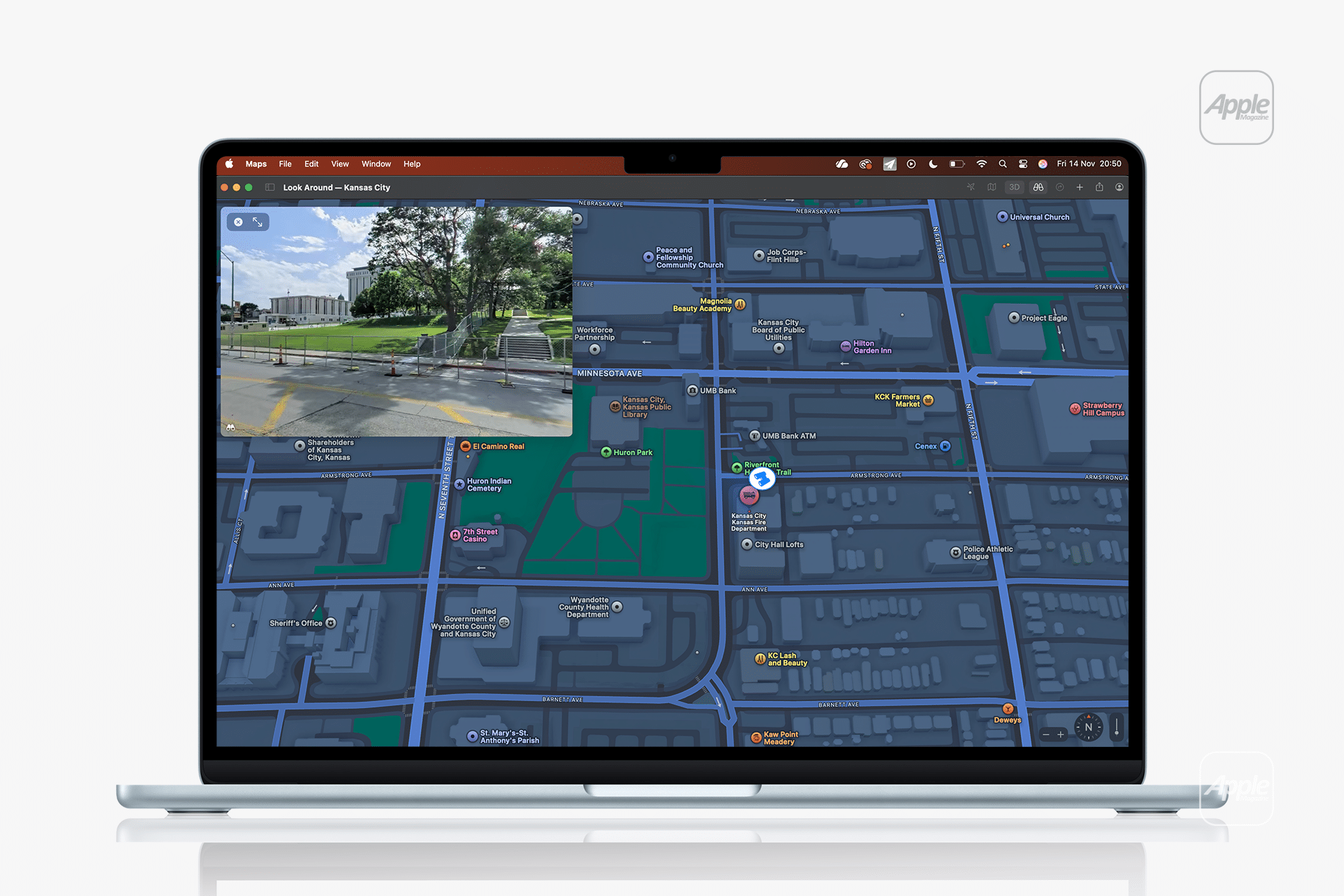
The Detailed City Experience continued to grow, bringing richly modeled environments to new locations including New Orleans, Singapore, and Monaco. With these additions, Apple Maps now offers its immersive 3D experience in 34 cities worldwide.
Landmarks appear with depth, texture, and context, helping users better understand their surroundings at a glance. Monaco received special attention with a custom Formula 1 Grand Prix experience, blending navigation with cultural relevance and global events.
These cities are not just visually impressive. They are easier to read, easier to navigate, and easier to trust when moving through complex urban spaces.
A More Accurate Global Map
In parallel, Apple rolled out its all-new map to Mexico and Thailand, improving accuracy across roads, transit, and points of interest. These updates brought better turn-by-turn navigation, enhanced cycling directions, and clearer geographic detail, making Maps more reliable for both locals and travelers.
This quieter expansion matters. For many users, improvements in everyday navigation carry more value than headline features.

Intelligence That Learns Without Tracking
With iOS 26, Apple Maps introduced a more personal layer of intelligence. Preferred Routes now uses on-device processing to learn daily commutes, suggesting familiar paths automatically while adapting to traffic conditions. Visited Places helps users recall where they have been, making it easier to retrace trips, remember locations, or organize personal travel history.
All of this happens without building centralized profiles. The intelligence stays on the device, aligning with Apple’s long-standing approach to privacy.
Maps becomes less about searching and more about remembering.
Find My, Travel, and Peace of Mind
Apple also extended the practical reach of Maps and Find My through travel-focused updates. Share Item Location expanded to 27 additional airlines, bringing the total to 36. This feature allows travelers to securely share an AirTag’s location with airline customer service, dramatically reducing the number of bags considered permanently lost.
According to industry data, this change reduced unrecoverable luggage by 90 percent, turning a common travel frustration into a solvable problem.
In South Korea, Find My launched fully, enabling users to locate devices, track personal items, and share location with friends and family, all within the same privacy-first framework used elsewhere.

A Mapping Platform Built on Trust
Apple Maps in 2025 reflects a platform that has found its identity. It blends immersive design with everyday reliability, personal intelligence with strong privacy boundaries, and global expansion with local relevance.
Rather than trying to be everything at once, Apple Maps continues to focus on one goal: helping people move through the world with confidence, clarity, and calm.